



Sudden cardiac death can be life threatening if emergency care is not provided promptly, making early recognition critically important. Understanding the causes, symptoms, and preventive measures for this condition can help protect each person’s cardiovascular health.
Heart rate is an indicator that can be used to assess cardiovascular health. A normal heart rate suggests that cardiovascular function is stable, while an abnormal heart rate may indicate potential health concerns. So, what is considered a normal heart rate?
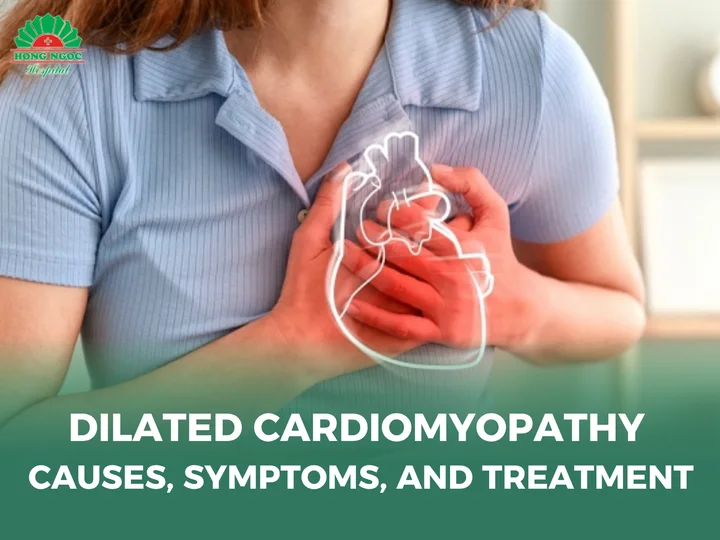
Dilated cardiomyopathy is a major contributor to serious cardiovascular complications. Can dilated cardiomyopathy be treated? How can this complex condition be detected early and managed in a timely manner remains a key concern for many patients.
Dilated cardiomyopathy is a common form of cardiomyopathy that can lead to valvular dysfunction, cardiac arrhythmias, and intracardiac thrombus formation. Early intervention with appropriate treatment strategies, along with proactive preventive measures, can help improve prognosis and prolong patient survival.
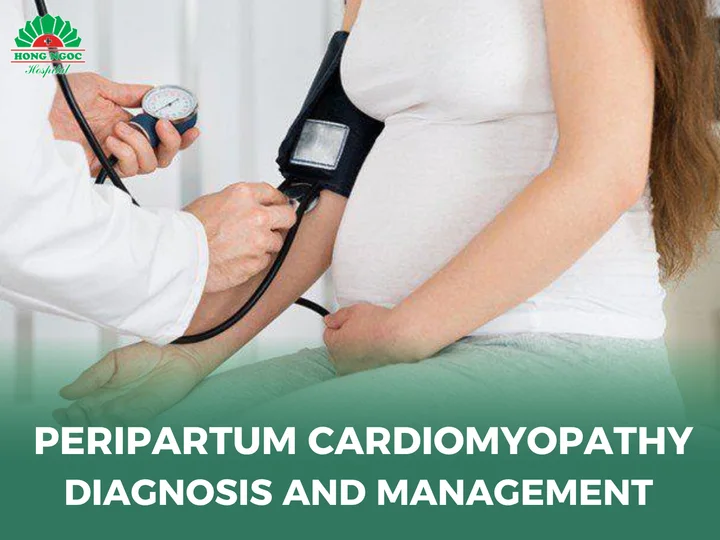
Peripartum cardiomyopathy is a form of idiopathic dilated cardiomyopathy. This condition is initiated by a cascade of inflammatory processes that result in myocardial injury and subsequent heart failure. It typically occurs in the late stages of pregnancy or, more commonly, within the early postpartum period. Although it can be challenging to diagnose, the condition is potentially treatable if identified and managed promptly.
Dyspnea is a very common clinical condition. In certain cases, dyspnea constitutes a medical emergency and, if not promptly managed, may pose a serious threat to the patient’s life. While dyspnea is most commonly associated with respiratory diseases, a significant proportion of cases are attributable to cardiovascular disorders.
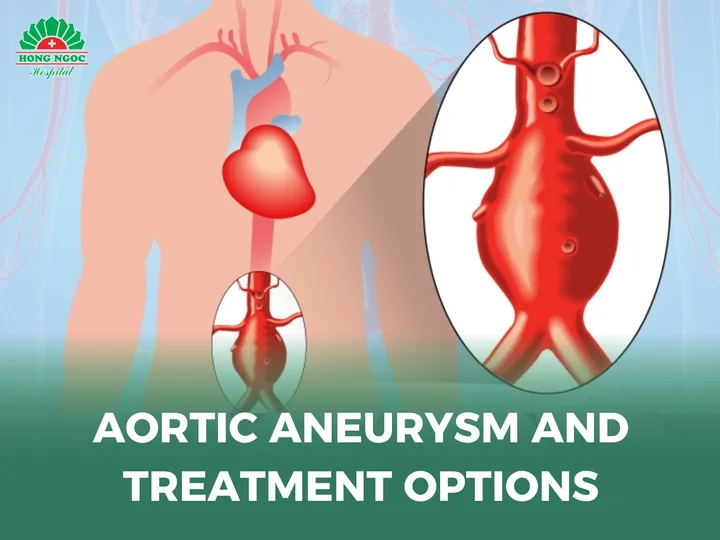
If you notice a pulsating sensation in the abdomen synchronized with your heartbeat, or experience sudden abdominal or lower back pain, you may have an aortic aneurysm. The aorta is the body’s largest artery, responsible for supplying oxygenated blood to vital organs. Rupture of an aortic aneurysm can lead to massive internal bleeding and is potentially life-threatening. This condition involves abnormal dilation of a segment of the aorta and can pose serious health risks if not promptly treated.
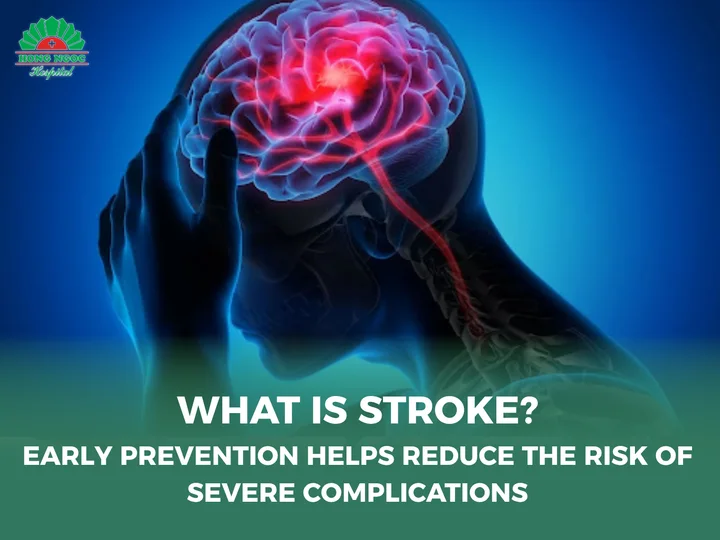
Stroke can lead to severe consequences for patients, including long-term disability and even death. Understanding stroke and its underlying risk factors is essential for effective prevention and for minimizing the devastating outcomes associated with this condition.
Improving cerebral blood circulation helps reduce vascular obstruction and enhance blood flow to the brain, thereby supporting optimal brain function and lowering the risk of neurological disorders.
lorem ipsum dolor
Lorem ipsum dolor sit amet, consectetur adipiscing elit. Mauris odio lectus, pretium faucibus nisi eu, accumsan consectetur orci. In blandit vehicula nisl, vel lacinia ligula finibus a. Donec fermentum rhoncus