


A heart stroke is a life-threatening medical emergency that requires immediate attention. If not treated promptly, it can lead to severe complications or even death. Therefore, understanding its causes, symptoms, and treatment options is crucial for early recognition and effective management.
What is a heart stroke?
A heart stroke, or myocardial infarction, occurs when blood flow to the heart muscle is suddenly blocked by a blood clot in a coronary artery, causing part of the heart muscle to die. This is a medical emergency that requires immediate treatment to prevent serious complications such as heart failure, cardiogenic shock, or death.
Causes of a heart attack
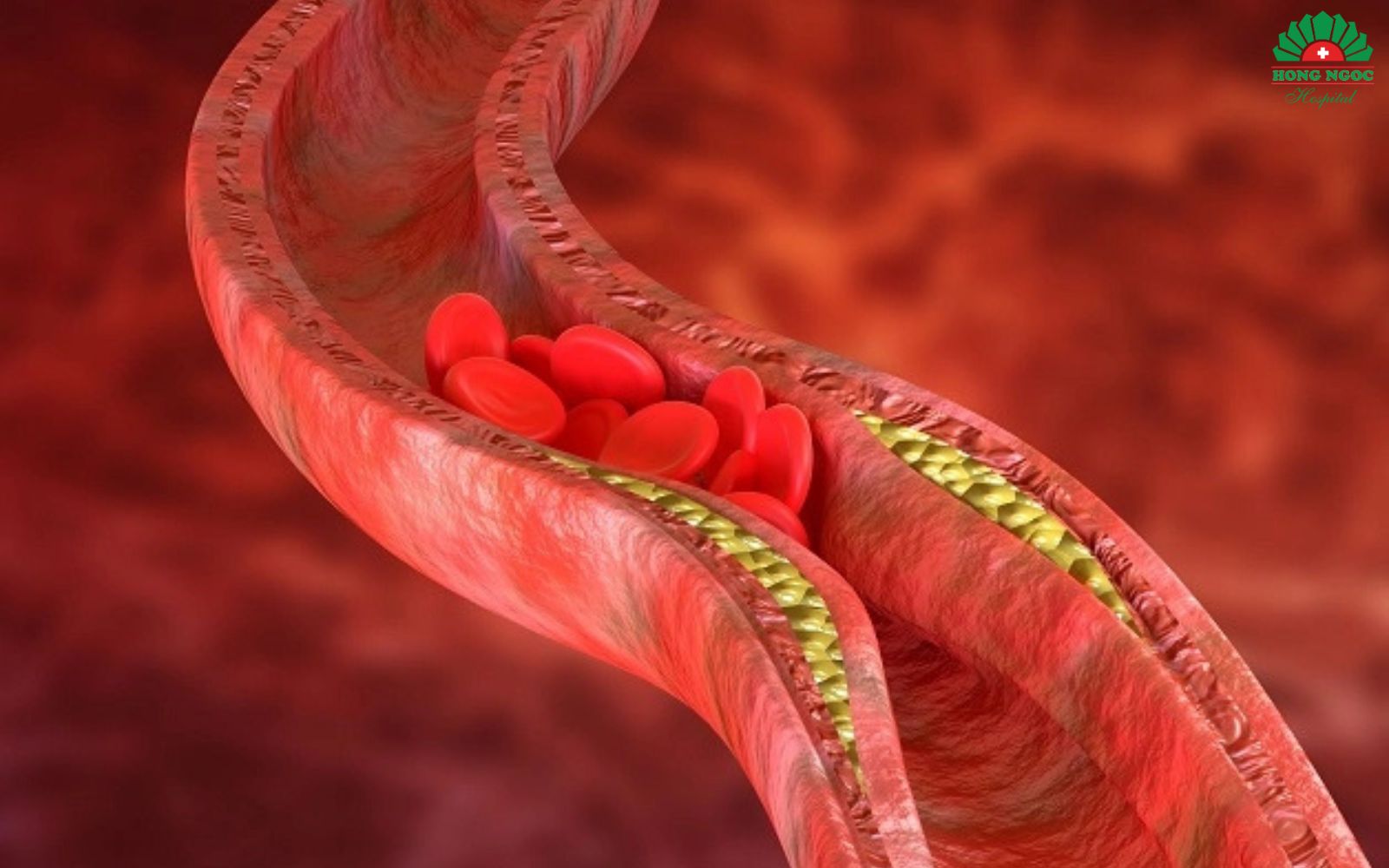
The main cause of a heart attack is the blockage of the coronary arteries, which supply blood to the heart muscle. When these arteries are obstructed, blood flow is restricted, and the heart does not receive enough oxygen-rich blood, leading to damage or death of heart tissue. The blockage is most often caused by atherosclerotic plaques and blood clots. This condition may occur due to:
- Coronary artery disease (CAD): This is the most common cause. It occurs when atherosclerotic plaques build up inside the coronary arteries, leading to narrowing or complete blockage of blood flow to the heart.
- Coronary artery spasm: A sudden and temporary tightening of the coronary arteries reduces or completely cuts off blood supply to the heart. This condition is often triggered by smoking, drug use, or prolonged stress.
- Intraluminal thrombosis: When an atherosclerotic plaque ruptures, it activates the blood clotting process, resulting in the formation of a blood clot (thrombus) that obstructs the coronary artery.
- Embolism: A blood clot or fatty fragment from another part of the body travels through the bloodstream and suddenly blocks a coronary artery.
- Coronary artery dissection: A rare condition in which a tear forms in the wall of the coronary artery, reducing or completely stopping blood flow to the heart. It is more commonly seen in young women without traditional cardiovascular risk factors.
Risk factors for heart stroke
Risk factors that may lead to a heart stroke include:
- Age: heart stroke risk increases with age. On average, men experience heart stroke around age 55, while women tend to develop them around age 65. After age 75, the risk becomes similar in both sexes. Over time, atherosclerotic plaques continue to build up in the arteries, increasing the likelihood of coronary obstruction.
- Substance use: regular consumption of alcohol, tobacco, or stimulants is among the leading causes of cardiovascular disease, including myocardial infarction.
- Unhealthy lifestyle: as with many heart diseases, habits such as staying up late, consuming excessive fatty foods, red meat, and processed foods, combined with lack of physical activity and chronic stress, significantly raise the risk of heart stroke.
- Medical history: individuals with conditions such as hypertension, diabetes, cardiac arrhythmia, or hyperlipidemia are at much higher risk. Studies show that over 15 million heart attack-related deaths worldwide are associated with high blood pressure.
Warning signs of heart stroke you should never ignore
Recognizing the early and accurate symptoms of a heart stroke is crucial to avoid missing the “golden hour” for treatment and to prevent life-threatening complications. Common warning signs of a heart stroke include:
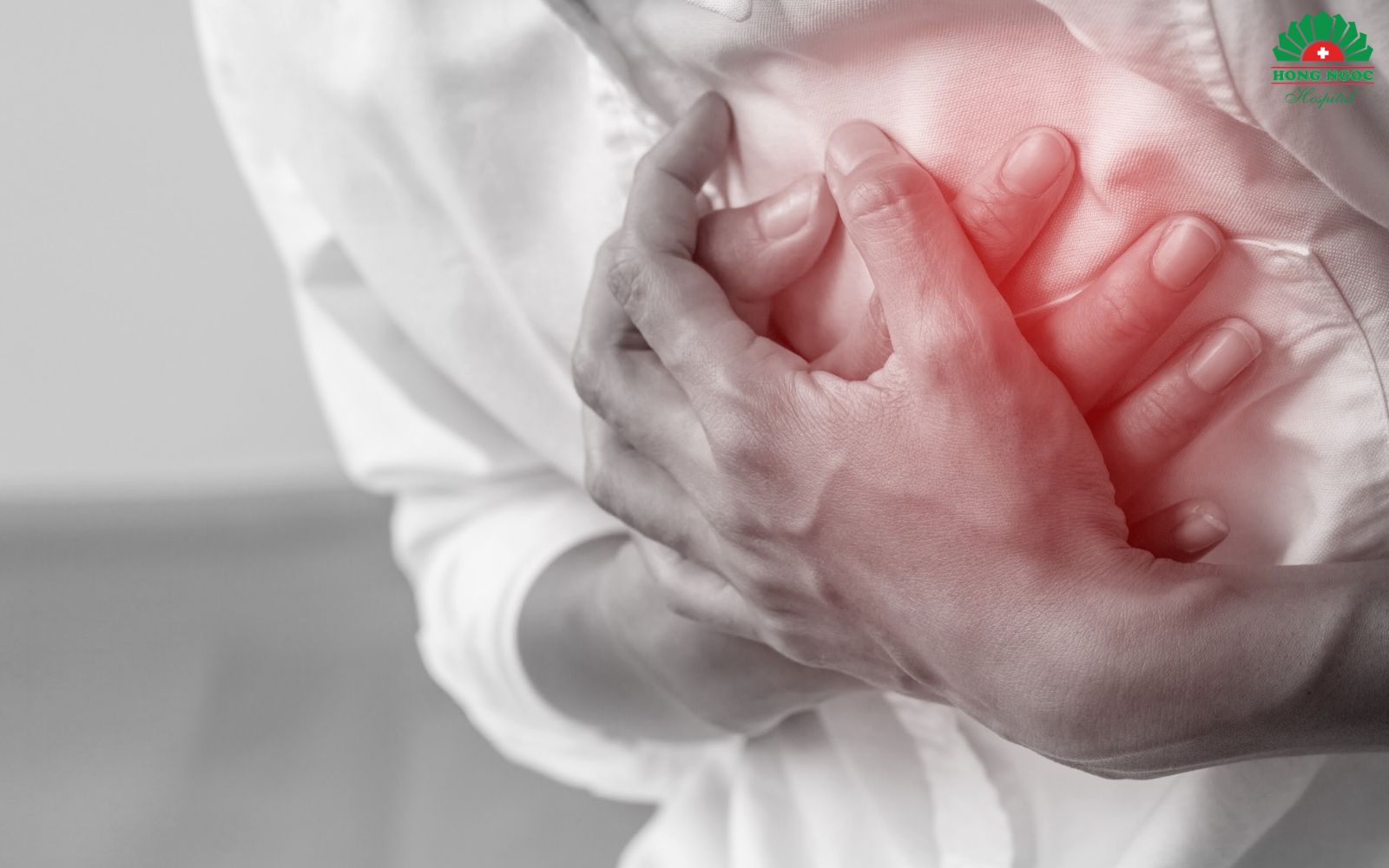
- Chest pain: Severe pain in the chest or upper abdomen lasting more than 5 minutes, which may radiate to the shoulder, back, arm, or neck.
- Shortness of breath: The patient experiences difficulty breathing or a feeling of breathlessness.
- Irregular heartbeat: Rapid heartbeat accompanied by sweating.
- Nausea and vomiting.
- Dizziness or lightheadedness: The patient may feel faint or lose balance.
- Sudden fatigue: A sudden feeling of weakness, exhaustion, or lack of energy.
- Difficulty speaking: The patient may have trouble articulating words clearly, slur speech, or stutter abnormally.
When experiencing any of the above symptoms, it is essential to stop all activities immediately and go to the nearest medical facility for prompt examination and treatment to avoid missing the golden window for effective intervention.
Is heart stroke dangerous?
Heart stroke, also known as myocardial infarction, is one of the leading causes of death worldwide. Even if the patient survives, they may still face serious complications that can severely impact their overall health and quality of life.
Common complications of heart stroke include:
- Death: Sudden cardiac arrest can be fatal if emergency intervention is not provided in time.
- Chronic heart failure: Even after surviving the acute episode, patients may develop long-term heart failure. Severe damage to the heart muscle weakens its pumping function, leading to chronic heart failure.
- Brain damage: The brain is highly sensitive to oxygen deprivation. If the heart stops beating for more than 4 minutes, brain cells begin to deteriorate. After 10 minutes, the damage becomes severe and may result in loss of consciousness, cognitive impairment, or a persistent vegetative state.
- Persistent arrhythmia: Patients who have experienced a heart stroke may develop recurrent cardiac rhythm disorders such as ventricular tachycardia or ventricular fibrillation.
First aid guidelines for patients with heart stroke
The first hour after a heart stroke is considered the golden period for providing first aid and saving the patient’s life. Without timely intervention within the first three hours from the onset, the risk of death increases significantly. Therefore, it is crucial to follow these essential first aid steps:
- Call for emergency help immediately: Contact the emergency hotline 115 or the nearest hospital for professional medical assistance.
- Position the patient properly: Have the patient lie or sit in a comfortable position and loosen tight clothing to promote better blood circulation.
- Administer aspirin: Allow the patient to chew or swallow one tablet of aspirin while waiting for emergency help (do not apply this for patients with a known allergy to the medication).
- Perform chest compressions: If the patient loses consciousness or has no pulse, initiate cardiopulmonary resuscitation (CPR) to maintain blood flow and support vital organ function.
The most important factor in saving a patient with a heart stroke is to bring them to a medical facility as quickly as possible for timely emergency care and to prevent serious complications.
Reader may also be interested in:
- Chest pain – Causes, symptoms, and management
- What is ischemic heart disease? Symptoms and treatment methods
- Cardiology Department
Treatment methods for heart stroke
Heart stroke, regardless of its severity, is always a life-threatening condition. Therefore, when any abnormal symptoms appear, the patient must receive emergency medical care immediately.
Heart stroke can be treated using the following methods:
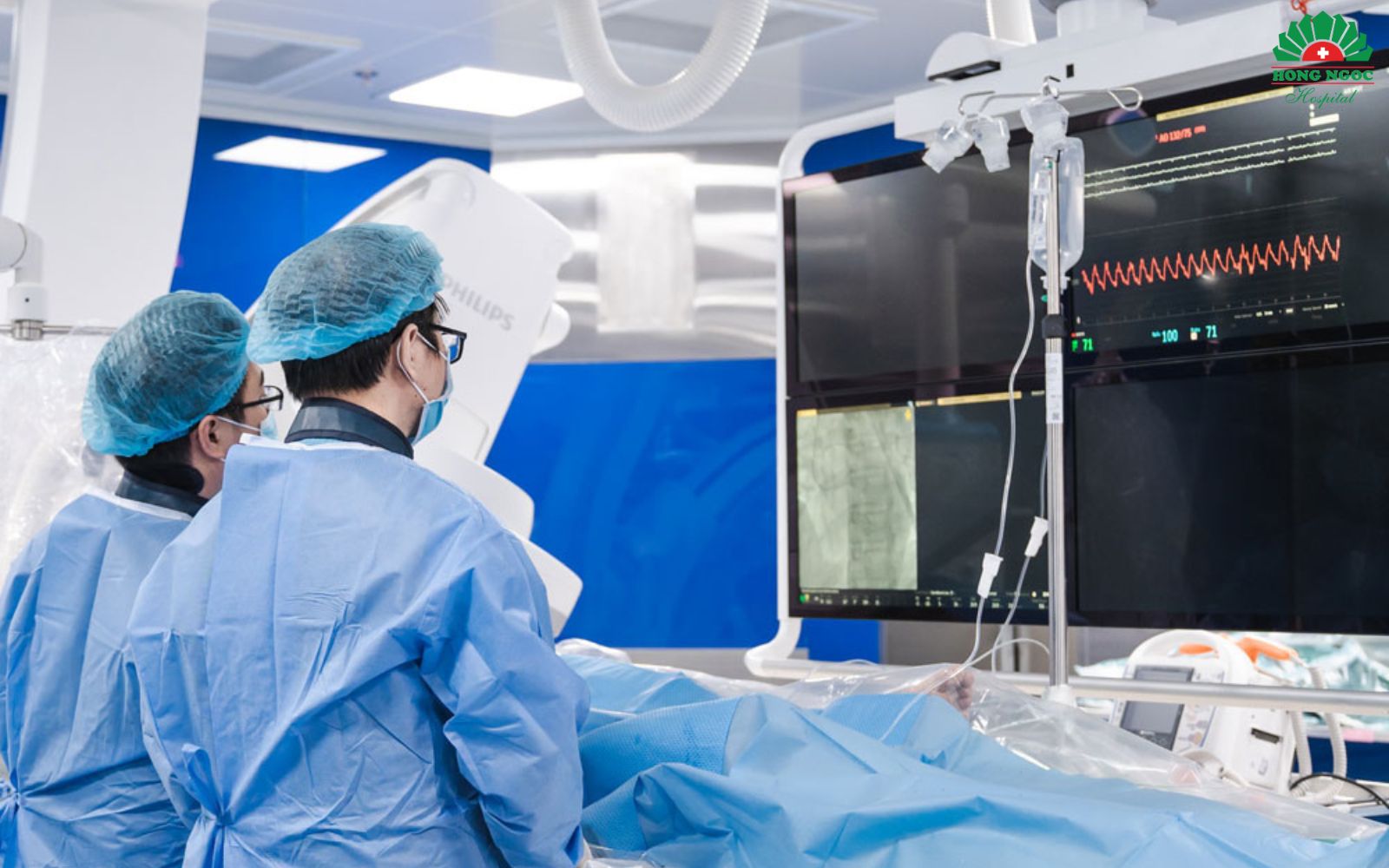
- Coronary stent placement: This is currently the most effective treatment method. The blocked artery is reopened using balloon angioplasty followed by stent implantation to restore blood flow.
- Coronary artery bypass surgery (CABG): This procedure is performed in cases of severe coronary artery narrowing where stent placement is not possible.
- Medication therapy: In cases of heart stroke caused by blood clots, medication is typically used. Commonly prescribed drugs include angiotensin-converting enzyme (ACE) inhibitors and antiplatelet agents. Patients who have undergone stent placement are usually required to take these medications long-term to prevent recurrence.
In addition, patients should receive proper treatment for underlying conditions such as hypertension and diabetes to reduce the risk of recurrent heart stroke.
Heart stroke is a treatable condition, and patients can achieve good recovery outcomes with appropriate medical intervention. The earlier the treatment is administered, the better the prognosis for recovery. In addition, patients should maintain comprehensive post-stroke care, attend regular medical check-ups, adopt a balanced diet and exercise routine, and undergo heart stroke screening at least once a year to prevent disease progression.
Preventive measures for heart stroke
Heart stroke is a serious and potentially life-threatening condition. Therefore, early prevention is the most effective way to protect your health. You can reduce your risk of heart stroke by following these preventive measures:
- Maintain stable blood pressure: If you have hypertension, follow your doctor’s treatment plan strictly. Do not self-medicate or discontinue prescribed medications without medical advice.
- Control body weight and blood sugar levels to reduce cardiovascular risks.
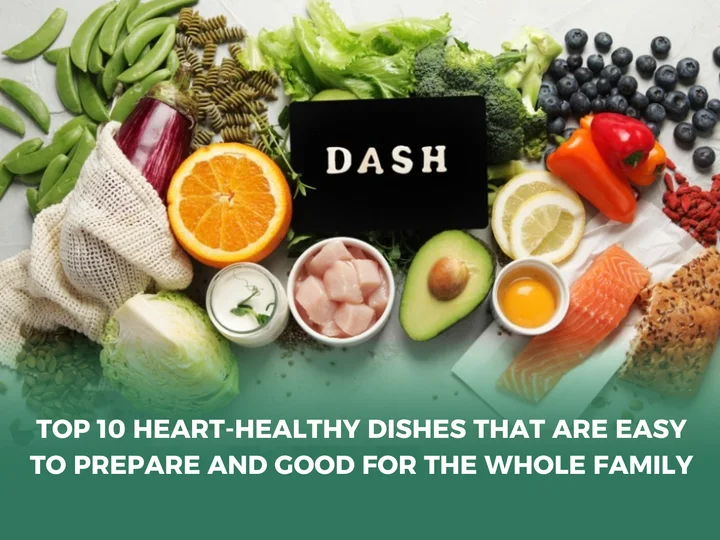
- Adopt a heart-healthy diet: Limit red meat and fatty foods, and increase your intake of vegetables and fruits. Excessive red meat consumption can raise cholesterol levels, leading to the formation of atherosclerotic plaques in the coronary arteries.
- Exercise regularly: Engage in at least 30 minutes of physical activity each day to strengthen cardiovascular health and maintain a healthy weight.
- Avoid alcohol, tobacco, and stimulants to protect heart function.
- Have regular cardiovascular check-ups to detect abnormalities early and prevent serious heart conditions.
Heart stroke is an extremely dangerous condition, but it can be prevented with early awareness and lifestyle adjustments. Therefore, take proactive steps to protect your cardiovascular health and that of your family.
Note: The information provided in this article by Hong Ngoc General Hospital is for reference purposes only and should not be used as a substitute for professional medical diagnosis or treatment. Patients should not self-medicate. To determine the exact medical condition, please visit a hospital for direct examination, diagnosis, and treatment advice from qualified physicians.
Follow the official fanpage of Hong Ngoc General Hospital for more useful health information and updates.