

If you notice a pulsating sensation in the abdomen synchronized with your heartbeat, or experience sudden abdominal or lower back pain, you may have an aortic aneurysm. This condition involves abnormal dilation of a segment of the aorta and can pose serious health risks if not promptly treated.
Symptoms of aortic aneurysm
An aortic aneurysm is defined as a localized dilation of the aortic wall due to weakening of the vessel structure. The aorta is the body’s largest artery, responsible for supplying oxygenated blood to vital organs. Rupture of an aortic aneurysm can lead to massive internal bleeding and is potentially life-threatening. Therefore, early recognition of symptoms is crucial for timely and effective management.
Key signs and symptoms suggestive of an aortic aneurysm include:
A pulsatile mass in the abdomen, often felt near the umbilical region, synchronous with the heartbeat
Sudden onset of severe pain in the lower back or abdominal region, which may indicate impending aneurysm rupture
In some cases, pain, discoloration, or cyanosis of the toes or feet, caused by embolic debris from the aneurysm obstructing distal small vessels
In the event of aneurysm rupture, patients may present with profound fatigue, severe pain, dizziness, and even loss of consciousness
Causes of aortic aneurysm
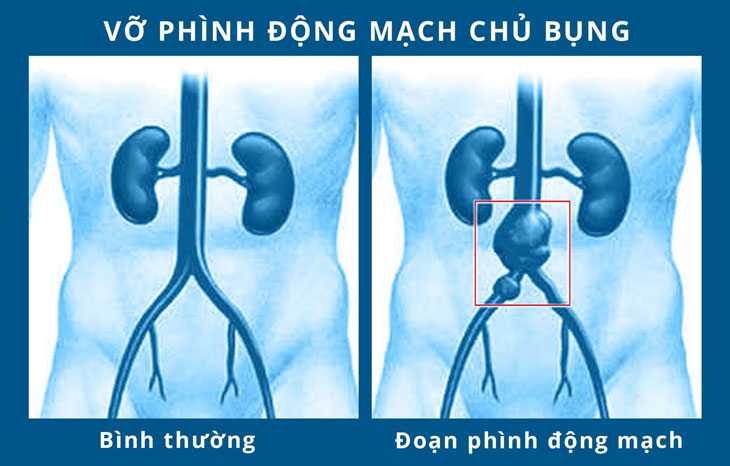
Aortic aneurysm is a serious cardiovascular condition.
The causes of aortic aneurysm vary depending on its anatomical location.
Abdominal aortic aneurysm
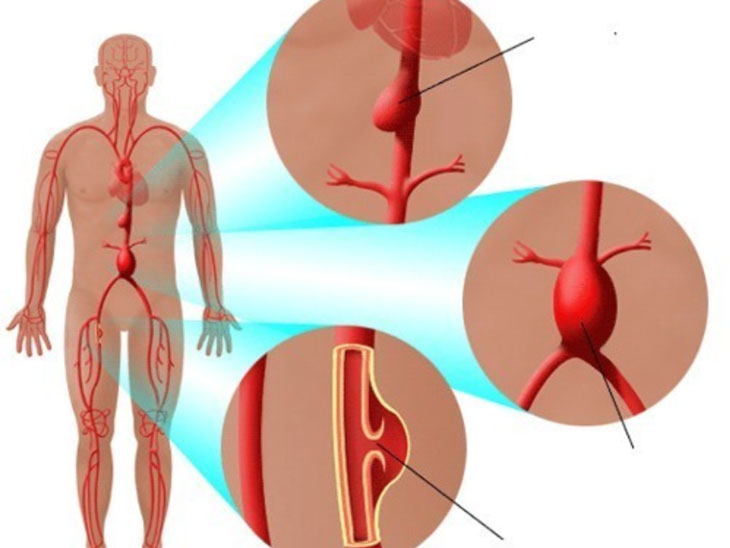
Approximately 75% of all aortic aneurysms occur in the abdominal aorta. Although the exact etiology remains unclear, several risk factors have been identified that may increase susceptibility, including smoking, hypertension, and inflammatory or infectious conditions affecting the aorta (vasculitis). These processes can weaken the aortic wall, predisposing it to dilation and aneurysm formation.
Approximately 25% of aortic aneurysms occur within the thoracic aorta. The underlying causes are generally similar to those of abdominal aortic aneurysms. In addition, specific factors such as Marfan syndrome a genetic disorder associated with connective tissue weakness as well as trauma or direct injury to the aorta, may contribute to the development of thoracic aneurysms.
Risk factors
Risk factors associated with aortic aneurysm include advanced age (commonly affecting individuals over 60 years), smoking, hypertension, atherosclerosis, and a family history of aortic aneurysm.
Treatment of aortic aneurysm
The primary goal of treatment is to prevent further expansion of the aneurysm. However, management strategies vary depending on the size of the aneurysm and the rate of disease progression.
Management of abdominal aortic aneurysm
Small aneurysms: When an abdominal aortic aneurysm is small (approximately ≤4 cm in diameter) and asymptomatic, surgical intervention is usually not indicated. Instead, a watchful waiting approach is recommended. Patients are typically monitored with periodic imaging, such as ultrasound every six months, and advised to observe for warning signs at home. The onset of sudden abdominal or back pain may indicate dissection or rupture and requires immediate medical attention.
Moderate aneurysms: For aneurysms measuring approximately 4 to <5.5 cm, cardiology specialists will evaluate and discuss with the patient the risks and benefits of continued surveillance versus elective surgical intervention, in order to determine the most appropriate management strategy.
Large or rapidly expanding aneurysms: When the aneurysm reaches ≥5.5 cm in diameter, or demonstrates rapid expansion (greater than 0.5 cm within six months), especially when accompanied by symptoms such as pain or signs of leakage, urgent surgical intervention is indicated. Treatment options include open surgical repair, involving resection of the diseased aortic segment and replacement with a synthetic graft, or endovascular aneurysm repair (EVAR), a less invasive approach using intravascular stent graft placement.
In patients with thoracic aortic aneurysm, surgical intervention is generally recommended as the optimal treatment, particularly when the aneurysm reaches approximately ≥5.5 cm in diameter. In individuals with Marfan syndrome, surgery may be indicated at a smaller aneurysm size due to the higher risk of complications.
For patients with Marfan syndrome, beta-blockers may also be prescribed to slow the progression of aneurysm enlargement and reduce aortic wall stress.
Prevention of aortic aneurysm
Currently, there are no specific medications proven to completely prevent the development of aortic aneurysms. However, some studies suggest that certain antibiotics and statins may help slow the progression of small aneurysms. Additionally, angiotensin receptor blockers (ARBs), such as losartan, may contribute to reducing the risk of aneurysm formation and limiting aortic dilation.
The most effective way to prevent aortic aneurysm is to proactively maintain vascular health through the following measures:
Maintain optimal blood pressure control
Avoid smoking
Engage in regular physical activity
Reduce cholesterol and fat intake in the diet
Undergo routine health check-ups for early detection of potential conditions
Have regular cardiology evaluations, especially in individuals with risk factors such as advanced age, a history of atherosclerosis, or a family history of aortic aneurysm
Regular medical check-ups allow for close monitoring of cardiovascular health, early detection of abnormalities, and timely initiation of appropriate treatment, thereby reducing the risk of serious complications.
Patients are advised to choose reputable cardiology centers with experienced physicians and advanced medical equipment to ensure accurate diagnosis and effective management.
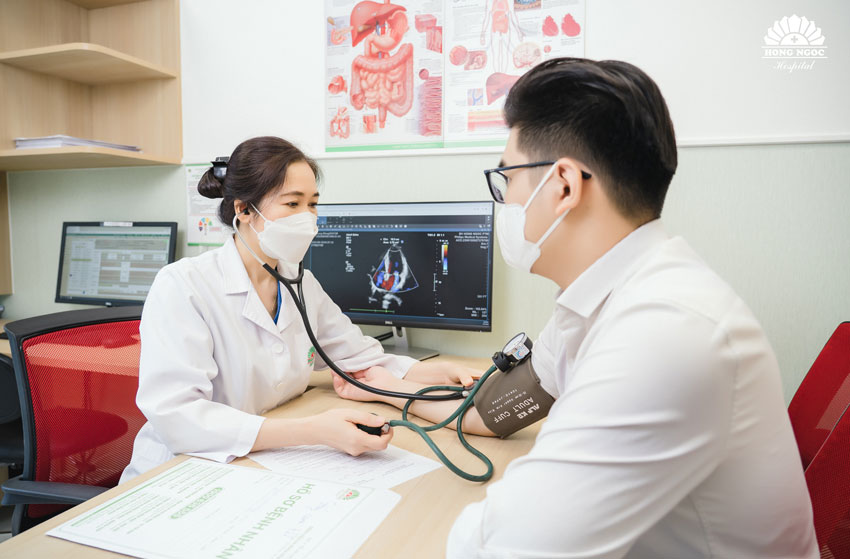
Regular cardiovascular screening for early detection of abnormalities
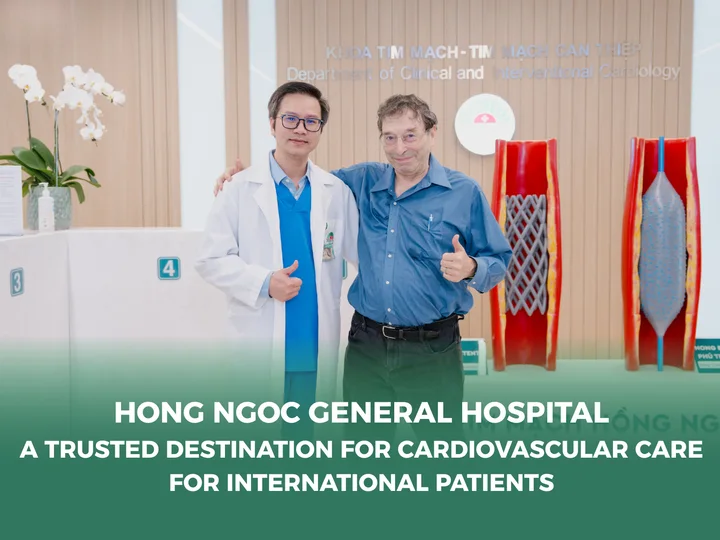
In Hanoi, the Cardiology Department at Hong Ngoc General Hospital is recognized as a reputable center for the diagnosis and management of cardiovascular diseases, highly regarded by patients for both clinical expertise and service quality, with outstanding advantages including:
Staffed by a team of highly qualified and experienced cardiologists specializing in the diagnosis and treatment of cardiovascular conditions, including:
Dr. Vu Thin, with over 20 years of experience at the Vietnam National Heart Institute – Bach Mai Hospital and Hong Ngoc General Hospital
Dr. Le Thi Thanh Hang, with more than 20 years of clinical experience at Friendship Hospital
Dr. Cao Manh Hung, with many years of experience at the Vietnam National Heart Institute – Bach Mai Hospital, Hanoi Medical University Hospital, and Thanh Hoa Provincial General Hospital
Dr. Nguyen Thi Lan Anh, with extensive clinical experience at Thanh Nhan Hospital
Continuously investing in and upgrading state-of-the-art medical equipment to support accurate diagnosis and effective treatment, including:
Voluson E8 ultrasound system and color Doppler imaging for vascular assessment
Revolution EVO CT scanner and Signa Creator 1.5 Tesla MRI system (GE Healthcare, USA), providing high-resolution imaging
24-hour Holter electrocardiography system for continuous cardiac monitoring
Abbott laboratory system (USA) ensuring precise and reliable diagnostic testing
Digital subtraction angiography (DSA) system enabling accurate diagnosis and timely intervention for cardiovascular and cerebrovascular diseases
Digital X-ray imaging system
Patients do not need to worry about overcrowding, long queues, or a noisy hospital environment, as the Cardiology clinics are designed as dedicated, separate spaces with a spacious and comfortable setting, minimizing waiting times. Additionally, patients are offered a complimentary buffet during each visit at the hospital’s in-house restaurant.
Patients scheduling weekend consultations with cardiology specialists can do so without incurring additional fees.
Register for consultation and cardiovascular evaluation with specialists at Hong Ngoc General Hospital here:
Note: The information provided in this article by Hong Ngoc General Hospital is for reference purposes only and does not replace professional medical diagnosis or treatment. Patients should not self-medicate. For an accurate assessment of their condition, individuals are advised to visit a medical facility for direct examination, diagnosis, and appropriate treatment planning by qualified physicians.
Follow the official fanpage of Hong Ngoc General Hospital for more useful health information and updates.
If you notice a pulsating sensation in the abdomen synchronized with your heartbeat, or experience sudden abdominal or lower back pain, you may have an aortic aneurysm. This condition involves abnormal dilation of a segment of the aorta and can pose serious health risks if not promptly treated.
Symptoms of aortic aneurysm
An aortic aneurysm is defined as a localized dilation of the aortic wall due to weakening of the vessel structure. The aorta is the body’s largest artery, responsible for supplying oxygenated blood to vital organs. Rupture of an aortic aneurysm can lead to massive internal bleeding and is potentially life-threatening. Therefore, early recognition of symptoms is crucial for timely and effective management.
Key signs and symptoms suggestive of an aortic aneurysm include:
A pulsatile mass in the abdomen, often felt near the umbilical region, synchronous with the heartbeat
Sudden onset of severe pain in the lower back or abdominal region, which may indicate impending aneurysm rupture
In some cases, pain, discoloration, or cyanosis of the toes or feet, caused by embolic debris from the aneurysm obstructing distal small vessels
In the event of aneurysm rupture, patients may present with profound fatigue, severe pain, dizziness, and even loss of consciousness
Causes of aortic aneurysm
Aortic aneurysm is a serious cardiovascular condition.
The causes of aortic aneurysm vary depending on its anatomical location.
Abdominal aortic aneurysm
Approximately 75% of all aortic aneurysms occur in the abdominal aorta. Although the exact etiology remains unclear, several risk factors have been identified that may increase susceptibility, including smoking, hypertension, and inflammatory or infectious conditions affecting the aorta (vasculitis). These processes can weaken the aortic wall, predisposing it to dilation and aneurysm formation.
Approximately 25% of aortic aneurysms occur within the thoracic aorta. The underlying causes are generally similar to those of abdominal aortic aneurysms. In addition, specific factors such as Marfan syndrome a genetic disorder associated with connective tissue weakness as well as trauma or direct injury to the aorta, may contribute to the development of thoracic aneurysms.
Risk factors
Risk factors associated with aortic aneurysm include advanced age (commonly affecting individuals over 60 years), smoking, hypertension, atherosclerosis, and a family history of aortic aneurysm.
Treatment of aortic aneurysm
The primary goal of treatment is to prevent further expansion of the aneurysm. However, management strategies vary depending on the size of the aneurysm and the rate of disease progression.
Management of abdominal aortic aneurysm
Small aneurysms: When an abdominal aortic aneurysm is small (approximately ≤4 cm in diameter) and asymptomatic, surgical intervention is usually not indicated. Instead, a watchful waiting approach is recommended. Patients are typically monitored with periodic imaging, such as ultrasound every six months, and advised to observe for warning signs at home. The onset of sudden abdominal or back pain may indicate dissection or rupture and requires immediate medical attention.
Moderate aneurysms: For aneurysms measuring approximately 4 to <5.5 cm, cardiology specialists will evaluate and discuss with the patient the risks and benefits of continued surveillance versus elective surgical intervention, in order to determine the most appropriate management strategy.
Large or rapidly expanding aneurysms: When the aneurysm reaches ≥5.5 cm in diameter, or demonstrates rapid expansion (greater than 0.5 cm within six months), especially when accompanied by symptoms such as pain or signs of leakage, urgent surgical intervention is indicated. Treatment options include open surgical repair, involving resection of the diseased aortic segment and replacement with a synthetic graft, or endovascular aneurysm repair (EVAR), a less invasive approach using intravascular stent graft placement.
In patients with thoracic aortic aneurysm, surgical intervention is generally recommended as the optimal treatment, particularly when the aneurysm reaches approximately ≥5.5 cm in diameter. In individuals with Marfan syndrome, surgery may be indicated at a smaller aneurysm size due to the higher risk of complications.
For patients with Marfan syndrome, beta-blockers may also be prescribed to slow the progression of aneurysm enlargement and reduce aortic wall stress.
Prevention of aortic aneurysm
Currently, there are no specific medications proven to completely prevent the development of aortic aneurysms. However, some studies suggest that certain antibiotics and statins may help slow the progression of small aneurysms. Additionally, angiotensin receptor blockers (ARBs), such as losartan, may contribute to reducing the risk of aneurysm formation and limiting aortic dilation.
The most effective way to prevent aortic aneurysm is to proactively maintain vascular health through the following measures:
Maintain optimal blood pressure control
Avoid smoking
Engage in regular physical activity
Reduce cholesterol and fat intake in the diet
Undergo routine health check-ups for early detection of potential conditions
Have regular cardiology evaluations, especially in individuals with risk factors such as advanced age, a history of atherosclerosis, or a family history of aortic aneurysm
Regular medical check-ups allow for close monitoring of cardiovascular health, early detection of abnormalities, and timely initiation of appropriate treatment, thereby reducing the risk of serious complications.
Patients are advised to choose reputable cardiology centers with experienced physicians and advanced medical equipment to ensure accurate diagnosis and effective management.
Regular cardiovascular screening for early detection of abnormalities
In Hanoi, the Cardiology Department at Hong Ngoc General Hospital is recognized as a reputable center for the diagnosis and management of cardiovascular diseases, highly regarded by patients for both clinical expertise and service quality, with outstanding advantages including:
Staffed by a team of highly qualified and experienced cardiologists specializing in the diagnosis and treatment of cardiovascular conditions, including:
Dr. Vu Thin, with over 20 years of experience at the Vietnam National Heart Institute – Bach Mai Hospital and Hong Ngoc General Hospital
Dr. Le Thi Thanh Hang, with more than 20 years of clinical experience at Friendship Hospital
Dr. Cao Manh Hung, with many years of experience at the Vietnam National Heart Institute – Bach Mai Hospital, Hanoi Medical University Hospital, and Thanh Hoa Provincial General Hospital
Dr. Nguyen Thi Lan Anh, with extensive clinical experience at Thanh Nhan Hospital
Continuously investing in and upgrading state-of-the-art medical equipment to support accurate diagnosis and effective treatment, including:
Voluson E8 ultrasound system and color Doppler imaging for vascular assessment
Revolution EVO CT scanner and Signa Creator 1.5 Tesla MRI system (GE Healthcare, USA), providing high-resolution imaging
24-hour Holter electrocardiography system for continuous cardiac monitoring
Abbott laboratory system (USA) ensuring precise and reliable diagnostic testing
Digital subtraction angiography (DSA) system enabling accurate diagnosis and timely intervention for cardiovascular and cerebrovascular diseases
Digital X-ray imaging system
Patients do not need to worry about overcrowding, long queues, or a noisy hospital environment, as the Cardiology clinics are designed as dedicated, separate spaces with a spacious and comfortable setting, minimizing waiting times. Additionally, patients are offered a complimentary buffet during each visit at the hospital’s in-house restaurant.
Patients scheduling weekend consultations with cardiology specialists can do so without incurring additional fees.
Register for consultation and cardiovascular evaluation with specialists at Hong Ngoc General Hospital here:
Note: The information provided in this article by Hong Ngoc General Hospital is for reference purposes only and does not replace professional medical diagnosis or treatment. Patients should not self-medicate. For an accurate assessment of their condition, individuals are advised to visit a medical facility for direct examination, diagnosis, and appropriate treatment planning by qualified physicians.
Follow the official fanpage of Hong Ngoc General Hospital for more useful health information and updates.
Để lại câu hỏi của bạn để nhận được giải đáp từ các bác sĩ của Hồng Ngọc
Lorem ipsum dolor
Lorem ipsum dolor sit amet, consectetur adipiscing elit. Mauris odio lectus, pretium faucibus nisi eu, accumsan consectetur orci. In blandit vehicula nisl, vel lacinia ligula finibus a. Donec fermentum rhoncus