


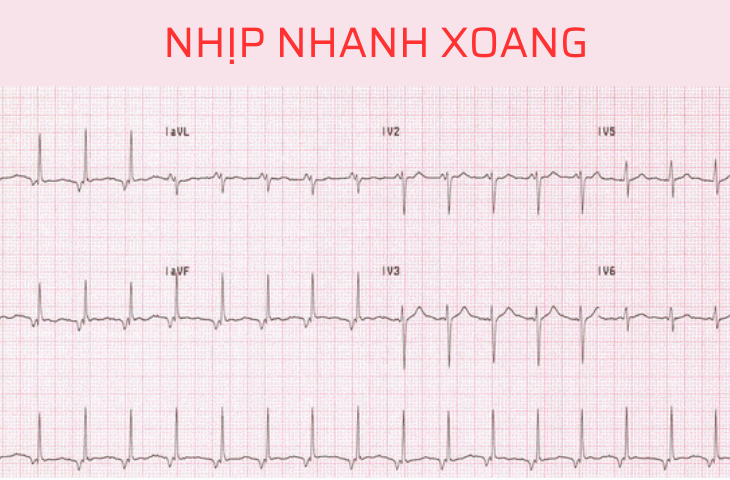
Sinus tachycardia is a type of arrhythmia characterized by a sinus heart rate of more than 100 beats per minute. This condition should be managed early to prevent serious complications such as heart failure, myocardial infarction, and sudden cardiac death.
What is sinus tachycardia?
Sinus rhythm is the heart’s natural rhythm. It is regulated by the sinoatrial node, located in the wall of the atrium, which acts as the body’s natural pacemaker.
In adults, a normal sinus rhythm usually ranges from 60 to 100 beats per minute. Sinus tachycardia is a condition in which the heart rate exceeds 100 beats per minute.
Types of sinus tachycardia
Clinically, sinus tachycardia is classified into two main types:
Physiological sinus tachycardia
High intensity exercise, nervousness, anxiety, and emotional disturbances can all affect heart rate. In addition, the use of stimulants may also cause the heart to beat faster.
In these situations, sinus tachycardia is considered physiological. Once the triggering factor ends, the sinus rhythm usually returns to normal.
Pathological sinus tachycardia
When the sinus rate remains elevated even at rest, without strenuous physical activity, anxiety, or other apparent triggers, this may indicate pathological sinus tachycardia. It is often accompanied by symptoms such as shortness of breath, angina, and a feeling of tension or distress.
Causes of sinus tachycardia
Several factors may contribute to sinus tachycardia, including:
- Fever.
- Infection.
- Hypotension or shock.
- Anxiety and stress.
- Hyperthyroidism.
- Coronary artery disease.
- Chronic lung disease.
- Decompensated heart failure.
- Use of stimulants.
- Pulmonary embolism.
Symptoms of sinus tachycardia
Depending on the case and the severity of the condition, patients may or may not develop symptoms. However, most people with sinus tachycardia may experience the following symptoms:
- Nervousness: A frequent feeling of uneasiness or discomfort in the chest.
- Shortness of breath: A sensation of breathlessness, difficulty breathing out, or not having enough air to breathe.
- Palpitations: A sensation of a pounding or forceful heartbeat.
- Chest tightness or chest pain: Pain or tightness in the chest area due to reduced blood flow to the heart.
- Dizziness: A spinning or lightheaded sensation caused by reduced blood flow to the brain when the heart is not functioning effectively.
- Fatigue: A feeling of physical exhaustion, weakness in the arms and legs, and a strong need to sit down and rest.

Is sinus tachycardia dangerous?
Sinus tachycardia is a cardiac rhythm disorder that may carry several potential risks and should be treated early to prevent complications. If prolonged and not properly managed, sinus tachycardia may lead to the following serious complications:
Thrombosis
Blood clots may form within the blood vessels, disrupting normal blood circulation. This can result in various health consequences, such as hypertension, stroke, and cardiovascular dysfunction.
Myocardial infarction
Blocked blood vessels may prevent the heart from receiving an adequate blood supply, leading to myocardial infarction.
Heart failure
Irregular or ineffective pumping activity of the heart may prevent sufficient blood from being delivered to meet the body’s needs.
Stroke
Sinus tachycardia may increase the risk of stroke, which is currently one of the leading causes of death.
Treatment methods for sinus tachycardia
Sinus tachycardia should be detected early and treated promptly to prevent complications. People are advised to proactively undergo regular cardiovascular checkups for early detection of this condition.
Depending on the underlying cause and severity of the condition, sinus tachycardia may be treated using the following methods:
Medication
Certain medications may help improve sinus tachycardia and stabilize the sinus rhythm. Patients who frequently experience emotional disturbances, prolonged stress, or a rapid heartbeat should use medication only as prescribed by a doctor.
For conditions that may cause sinus tachycardia, such as hyperthyroidism or coronary artery disease, the underlying disease should be treated first. As a result, symptoms of sinus tachycardia may also improve.

Improving daily habits
In addition to taking medication as prescribed by a doctor, patients should build a healthy diet and lifestyle to better support treatment.
Eat more heart healthy foods, such as green vegetables, fruits, whole grains, and foods rich in omega 3 fatty acids, including walnuts, almonds, and salmon.
Limit alcohol, greasy foods, and red meat.
Do not smoke.
Reduce stress and psychological tension.
Exercise daily at a moderate intensity.
Get enough sleep and maintain a reasonable balance between work and rest.
Can sinus tachycardia be cured?
This is a concern for many patients. In fact, whether sinus tachycardia can be cured depends on its type and severity.
For physiological sinus tachycardia, treatment is usually not required. Patients may only need to adjust their work schedule, physical activity, and emotional state, which can help improve the condition.
For sinus tachycardia caused by an underlying disease such as hyperthyroidism, the underlying condition must be treated first. Once the disease improves, sinus tachycardia may also improve.
If sinus tachycardia occurs together with other cardiovascular conditions, such as myocardial ischemia, hypertension, or heart failure, treatment may be more challenging. Patients should attend regular medical follow ups and strictly follow the treatment plan prescribed by their doctor. They should not change or stop medication on their own, as this may pose serious health risks.
Patients can register for a cardiology consultation with doctors at Hong Ngoc Hospital here:
Cardiology Department, Hong Ngoc General HospitalAddress: 55 Yen Ninh Street, Ba Dinh District, HanoiNo. 8 Chau Van Liem Street, Nam Tu Liem District, Hanoi
Consultation and appointment hotline: 0911 858 616
Disclaimer: The information provided in this article by Hong Ngoc General Hospital is for reference purposes only and is not intended to replace professional medical diagnosis or treatment. To accurately determine their medical condition, patients should visit a reputable healthcare facility for direct examination by a physician and consultation on an appropriate and effective treatment plan.
Follow the official fanpage of Hong Ngoc General Hospital for more useful health information.