



Dilated cardiomyopathy is a major contributor to serious cardiovascular complications. Can dilated cardiomyopathy be treated? How can this complex condition be detected early and managed in a timely manner remains a key concern for many patients.
How is dilated cardiomyopathy diagnosed?
To establish an accurate diagnosis of dilated cardiomyopathy, physicians begin by evaluating the patient’s medical and family history. This is followed by a series of diagnostic investigations, including:
- Echocardiography: This is the primary diagnostic tool for dilated cardiomyopathy. Ultrasound imaging provides real-time visualization of cardiac structure and function, allowing assessment of ventricular dilation, blood flow, and valvular function. It typically reveals left ventricular enlargement and impaired systolic function.
- Chest radiography: Chest X-ray helps assess cardiac size and can detect pulmonary congestion or fluid accumulation in or around the lungs.
- Blood tests: Laboratory investigations assist in identifying underlying conditions such as infections, diabetes mellitus, or iron overload disorders that may contribute to dilated cardiomyopathy.
- Holter monitoring: This device continuously records cardiac activity during daily activities, enabling detection of intermittent arrhythmias.
- Electrocardiography (ECG/EKG): ECG records the electrical activity of the heart and can identify abnormalities such as tachycardia, bradycardia, arrhythmias, or signs of reduced cardiac output.
- Cardiac CT or MRI: These imaging modalities provide detailed evaluation of cardiac chamber size, morphology, and function. Cardiac CT uses X-ray imaging, while cardiac MRI utilizes magnetic fields and radiofrequency waves.
- Cardiac catheterization: This procedure allows visualization of the coronary arteries under X-ray to assess for ischemic damage and evaluate myocardial involvement.
- Exercise stress testing: Exercise testing using a treadmill or stationary bicycle, combined with cardiac monitoring, evaluates the heart’s response to physical exertion.
- Genetic screening and counseling: Given the hereditary component of dilated cardiomyopathy, genetic testing and counseling may be recommended for the patient and first-degree relatives, including parents, siblings, and children.
Symptoms of dilated cardiomyopathy
- Peripheral edema, particularly swelling of the feet
- Cardiac arrhythmias, including abnormally fast or slow heart rate
- Dizziness or lightheadedness
- Chest pain or chest discomfort
- Dyspnea, shortness of breath, and palpitations
- Other symptoms may include fatigue, hypertension, and jugular venous distention
- Dilated cardiomyopathy is often difficult to detect in the early stages, as symptoms may be subtle or easily mistaken for other health conditions.
For cardiovascular consultation, please register here:
Complications of dilated cardiomyopathy
Dilated cardiomyopathy can affect multiple aspects of overall health. If not treated early, it may lead to the following complications:
- Cardiac arrhythmias: Structural changes and increased pressure within the cardiac chambers can disrupt normal electrical conduction, resulting in abnormal heart rhythms.
- Edema: Fluid accumulation may occur in various organs and tissues, including the liver, lungs, ankles, and lower extremities.
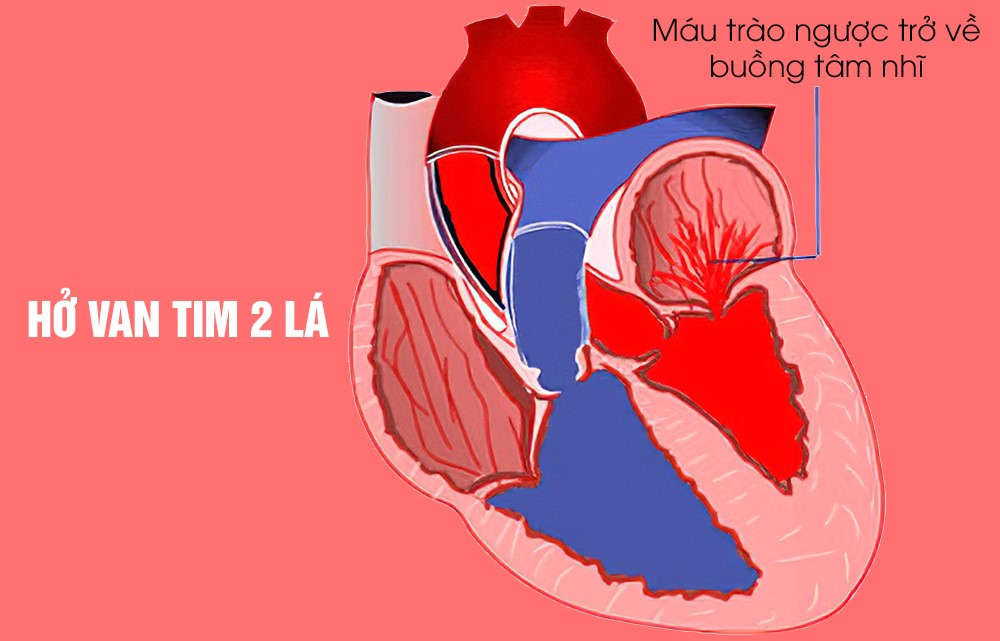
- Valvular regurgitation: Impaired valve closure due to ventricular dilation can cause backward blood flow, further exacerbating cardiac dysfunction and leading to progressive myocardial damage.
- Pulmonary hypertension: Backward blood flow into the pulmonary circulation leads to pulmonary congestion and increased pulmonary arterial pressure.
- Thrombus formation: This is a serious complication of dilated cardiomyopathy, which may result in vascular obstruction or embolization to vital organs such as the brain and lungs.
- Heart failure or sudden cardiac arrest: If not treated promptly, this condition can pose a significant threat to health and may be life-threatening.
Can dilated cardiomyopathy be treated?
Yes. The symptoms of dilated cardiomyopathy can be significantly improved if the condition is detected early and managed with appropriate treatment. Effective therapy helps stabilize heart rhythm and restore more efficient cardiac pumping function.
Medications
.jpg)
Combination pharmacotherapy under specialist supervision helps prevent complications in dilated cardiomyopathy. These medications act to:
- Control heart rhythm
- Improve cardiac pumping function
- Lower blood pressure
- Prevent thrombus formation
- Reduce fluid retention
Medications used in the management of heart failure and dilated cardiomyopathy include:
- Antihypertensive agents: These medications help lower blood pressure, improve blood flow, and reduce cardiac workload. Common classes include beta-blockers, angiotensin-converting enzyme inhibitors (ACE inhibitors), and angiotensin II receptor blockers (ARBs).
- Sacubitril/valsartan (Entresto): This combination therapy includes an angiotensin receptor blocker (ARB) and a neprilysin inhibitor, enhancing cardiac output and improving outcomes in patients with chronic heart failure.
- Diuretics: Diuretics promote the excretion of excess fluid and sodium from the body. Fluid overload increases cardiac strain and may contribute to dyspnea.
- Digoxin: Digoxin enhances myocardial contractility and may help alleviate symptoms of heart failure.
- Ivabradine (Corlanor): This agent may be used in selected cases to help control heart rate in patients with heart failure due to dilated cardiomyopathy.
- Anticoagulants: These medications reduce the risk of thrombus formation and subsequent embolic events.
Surgical and interventional procedures
These procedures may be performed to implant devices that regulate heart rhythm or support cardiac pumping function, including:
Biventricular pacemaker: This device is indicated for patients with heart failure and cardiac dyssynchrony. It delivers electrical impulses to both the right and left ventricles, improving coordinated contraction and enhancing overall cardiac performance.
.jpg)
- Implantable cardioverter-defibrillator (ICD): This device continuously monitors heart rhythm and delivers electrical shocks when life-threatening arrhythmias are detected, helping restore normal cardiac rhythm in patients with dilated cardiomyopathy.
- Left ventricular assist device (LVAD): This mechanical device supports a weakened heart by improving blood pumping capacity. LVADs are typically considered when less invasive treatments are ineffective and may be used as long-term therapy or as a bridge to heart transplantation.
Cardiac surgery
- Valve repair: Surgical repair or replacement of the mitral valve may help alleviate symptoms, although it does not cure dilated cardiomyopathy.
- Heart transplantation: In patients with end-stage heart failure due to dilated cardiomyopathy, heart transplantation is often indicated.
For cardiovascular consultation, please register here:
Living with dilated cardiomyopathy
In addition to understanding treatment options, patients should focus on effective disease management through appropriate dietary modifications and a healthy lifestyle.
Nutritional recommendations
- Increase intake of whole grains, along with a variety of fruits and vegetables
- Limit sodium, added sugars, cholesterol, trans fats, and saturated fats
Physical activity
- Consult a physician to determine appropriate and safe exercise regimens for patients with dilated cardiomyopathy
- Prioritize light, moderate-intensity activities and avoid excessive exertion to prevent disease exacerbation
Weight management
Maintain an optimal body weight, as overweight and obesity increase cardiac workload
Smoking cessation
Smoking cessation is strongly recommended for patients with dilated cardiomyopathy
Limit alcohol consumption
Avoid stimulants and illicit substances
Regular follow-up
Adhere to scheduled medical follow-up to monitor disease progression and adjust treatment as needed

In summary, the question of whether dilated cardiomyopathy can be treated has been addressed. The key is for patients to actively monitor their health, recognize symptoms early, and seek timely medical intervention combined with preventive strategies.
Schedule an appointment for consultation, evaluation, and comprehensive guidance on dilated cardiomyopathy and other cardiovascular conditions at Hong Ngoc General Hospital.
Cardiology Department – Hong Ngoc General Hospital: A trusted destination for cardiovascular diagnosis and treatment
Contact information:
Cardiology Department – Hong Ngoc General Hospital
Address:
- 55 Yen Ninh Street, Ba Dinh District, Hanoi
- No. 8 Chau Van Liem Street, Nam Tu Liem District, Hanoi
- Hotline for consultation and appointment scheduling: 0911 858 626
Note: The information provided in this article by Hong Ngoc General Hospital is for reference purposes only and does not replace professional medical diagnosis or treatment. For an accurate assessment of your condition, patients should visit a reputable healthcare facility for direct consultation and individualized treatment planning by qualified physicians.
Follow the official fanpage of Hong Ngoc General Hospital for more useful health information.