



Sudden cardiac death can be life threatening if emergency care is not provided promptly, making early recognition critically important. Understanding the causes, symptoms, and preventive measures for this condition can help protect each person’s cardiovascular health.
What is sudden cardiac death?
Sudden cardiac death is a condition in which the heart stops suddenly, often occurring within minutes or within one hour after the onset of initial symptoms, leading to death. This condition occurs when the heart’s electrical conduction system malfunctions and suddenly becomes abnormal, causing symptoms such as an abnormally rapid heartbeat or a rhythm in which the heart does not beat effectively but instead quivers.
Patients may suffer sudden cardiac death because the brain and other vital organs are not supplied with enough blood within minutes. It is responsible for about half of all heart related deaths. Sudden cardiac death is more common in people aged 30 to 40 and occurs more often in men than in women. It is rarely seen in children.
Causes of sudden cardiac death
Most cases of sudden cardiac death are caused by cardiac arrhythmias. Among them, ventricular fibrillation is the most dangerous type of arrhythmia and can be life threatening.
Ventricular fibrillation occurs when abnormal, chaotic, and uncoordinated electrical impulses arise from the ventricles, the lower chambers of the heart. As a result, the heart is unable to pump blood effectively, and vital organs, especially the brain, do not receive adequate blood supply. Without immediate treatment, this condition can lead to death within minutes.

Symptoms of sudden cardiac arrest
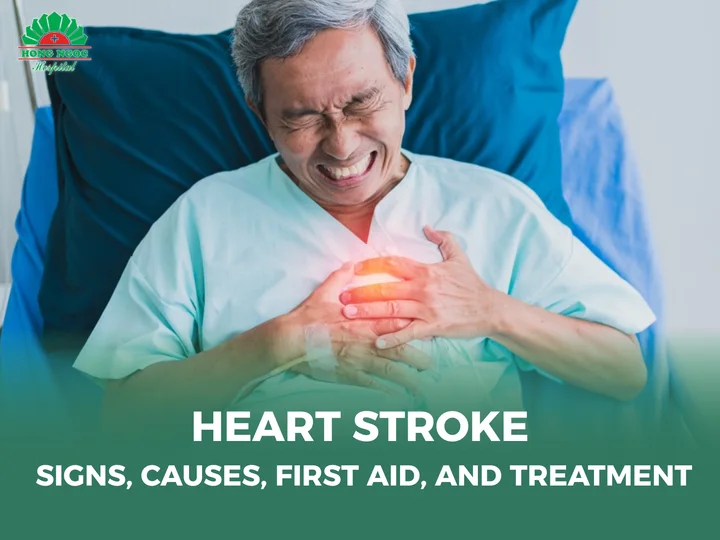
Sudden cardiac death is a medical emergency that occurs abruptly, so it may not have warning symptoms like some other diseases. When sudden cardiac arrest occurs, patients may experience symptoms such as a rapid heartbeat and dizziness. In some cases, there may be no warning signs before the patient develops shortness of breath, dizziness, or fainting, requiring immediate emergency care.
Sudden cardiac death is a dangerous cardiovascular condition that can be life threatening. Several risk factors may contribute to this condition, including:
- A previous episode of sudden cardiac arrest with successful resuscitation.
- High blood pressure.
- A previous myocardial infarction.
- Unexplained fainting.
- Vascular abnormalities, vascular malformations, or congenital defects.
- Underlying heart diseases such as heart failure, dilated cardiomyopathy, or hypertrophic cardiomyopathy.
- Ventricular fibrillation or ventricular tachycardia during a heart attack.
- Frequent smoking or substance abuse.
- Obesity.
- Diabetes.
- Current use of antiarrhythmic medications.
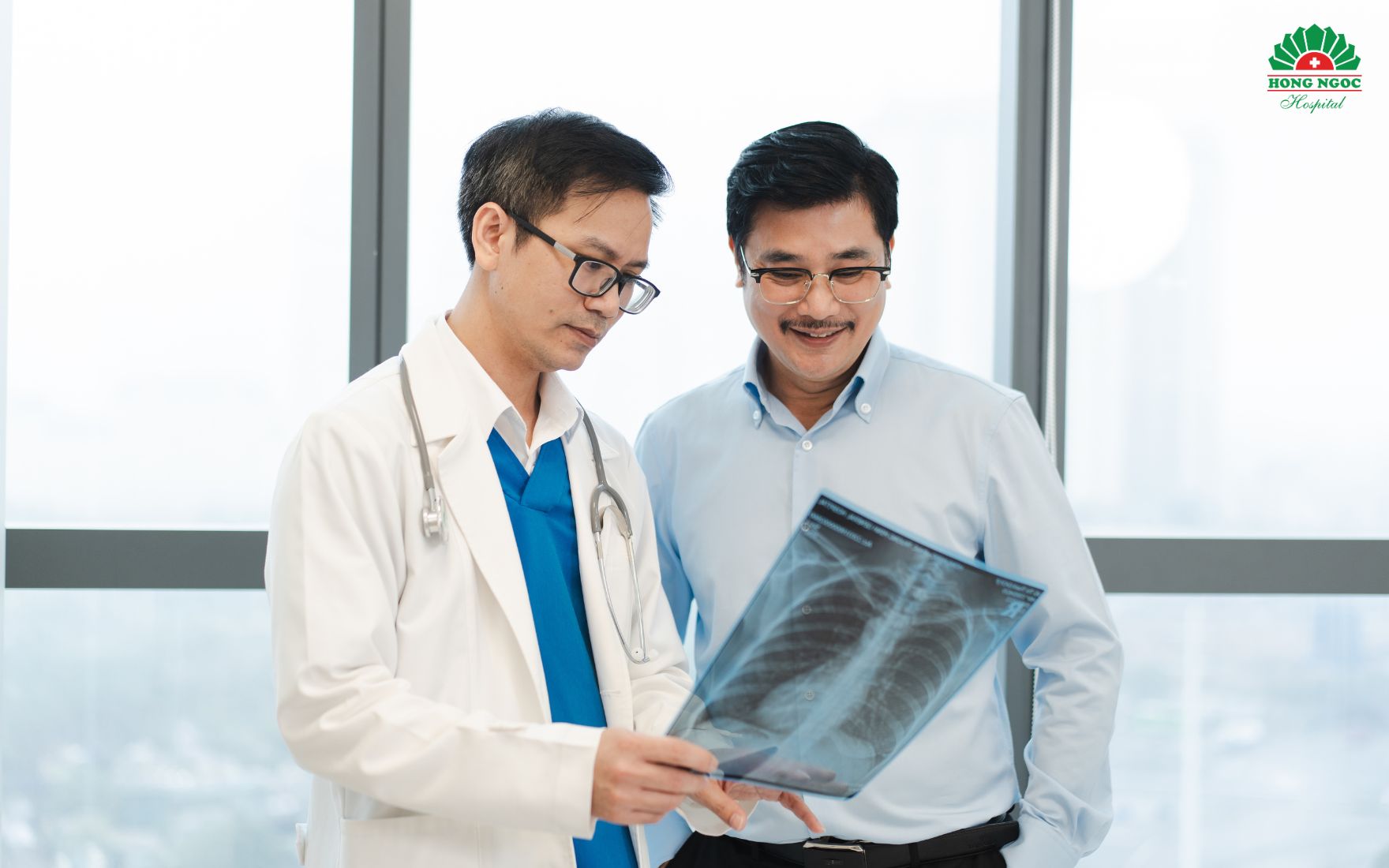
Patients with the above risk factors should undergo regular cardiology checkups to monitor their cardiovascular health and help prevent dangerous episodes of sudden cardiac death.
Can sudden cardiac death be treated?
Sudden cardiac death, also known as sudden cardiac arrest, is extremely dangerous but can be successfully treated if emergency care is provided promptly. If treatment is initiated within the first few minutes after sudden cardiac arrest occurs, the survival rate may reach up to 90 percent. For every minute of delay in emergency response, the chance of survival decreases by about 10 percent.
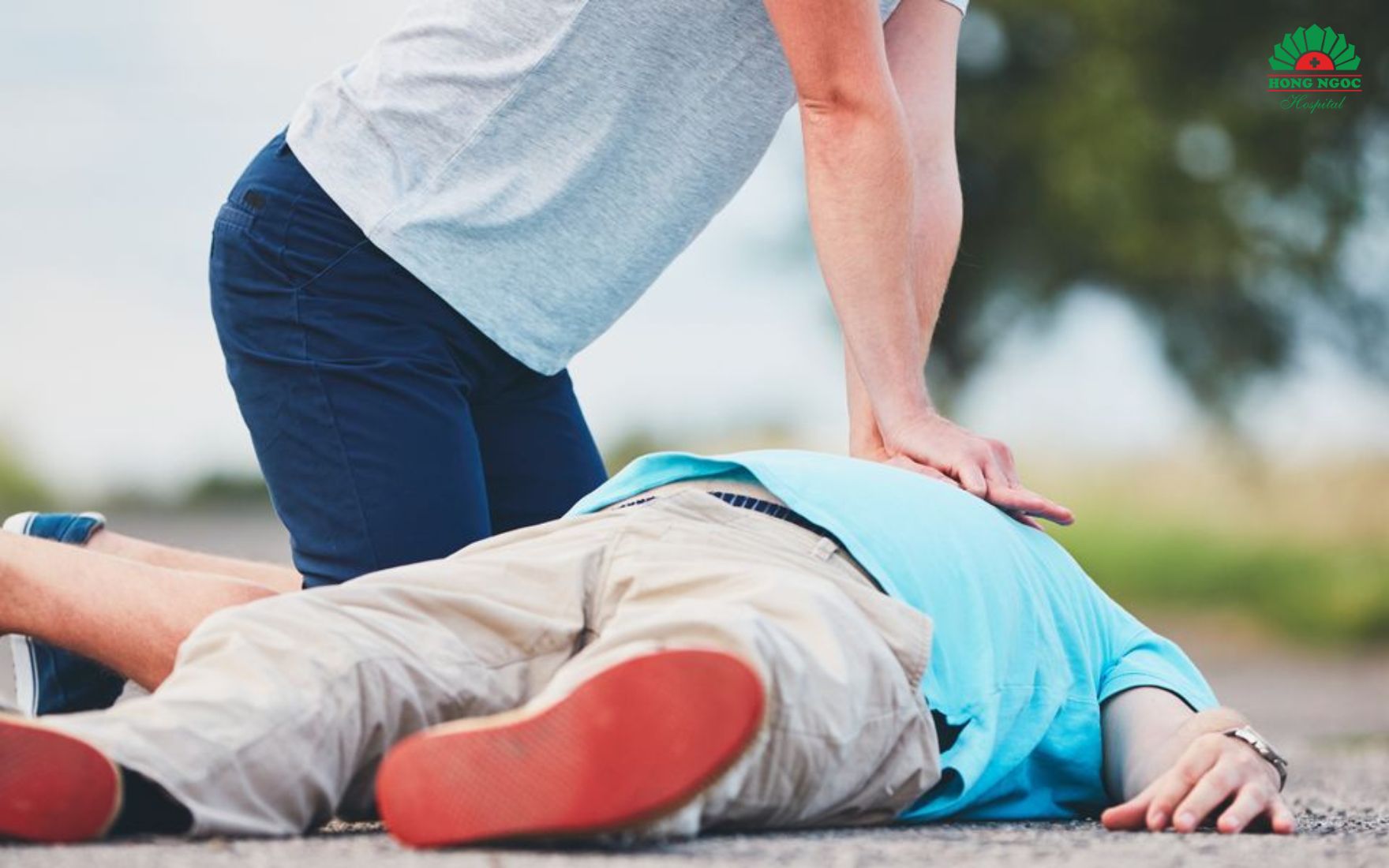
When symptoms of sudden cardiac arrest appear, emergency medical services should be called immediately and cardiopulmonary resuscitation, or CPR, should be started. If CPR is performed correctly, it can help save the patient’s life by maintaining blood flow and oxygen delivery to the body until specialist medical care is available.
Preventive measures against sudden cardiac death
Sudden cardiac death is extremely dangerous, so preventive measures should be taken early, even in people without known risk factors.
People should have annual health checkups to detect cardiovascular abnormalities and risk factors at an early stage.
A healthy diet should be maintained by eating more green vegetables and fruits, reducing salt and fat intake, and limiting consumption of animal organs.
Blood pressure and diabetes should be well controlled.
Body weight should be managed properly to prevent overweight and obesity.
Daily exercise helps improve overall health, supports cardiovascular function, and promotes better weight control.
Patients with a history of cardiovascular disease should receive proper treatment and attend follow up appointments as scheduled by their doctors to ensure optimal disease control.
Note: The information provided in this article by Hong Ngoc General Hospital is for reference purposes only and is not intended to replace professional medical diagnosis or treatment. Patients should not purchase or use medications on their own for treatment. To accurately determine their medical condition, patients should visit a hospital for direct examination, diagnosis, and consultation with a physician on an appropriate treatment plan.
Follow the official fanpage of the Cardiology and Interventional Cardiology Department at Hong Ngoc General Hospital for more useful health information.