



Heart rate is an indicator that can be used to assess cardiovascular health. A normal heart rate suggests that cardiovascular function is stable, while an abnormal heart rate may indicate potential health concerns. So, what is considered a normal heart rate?
What is a normal heart rate?
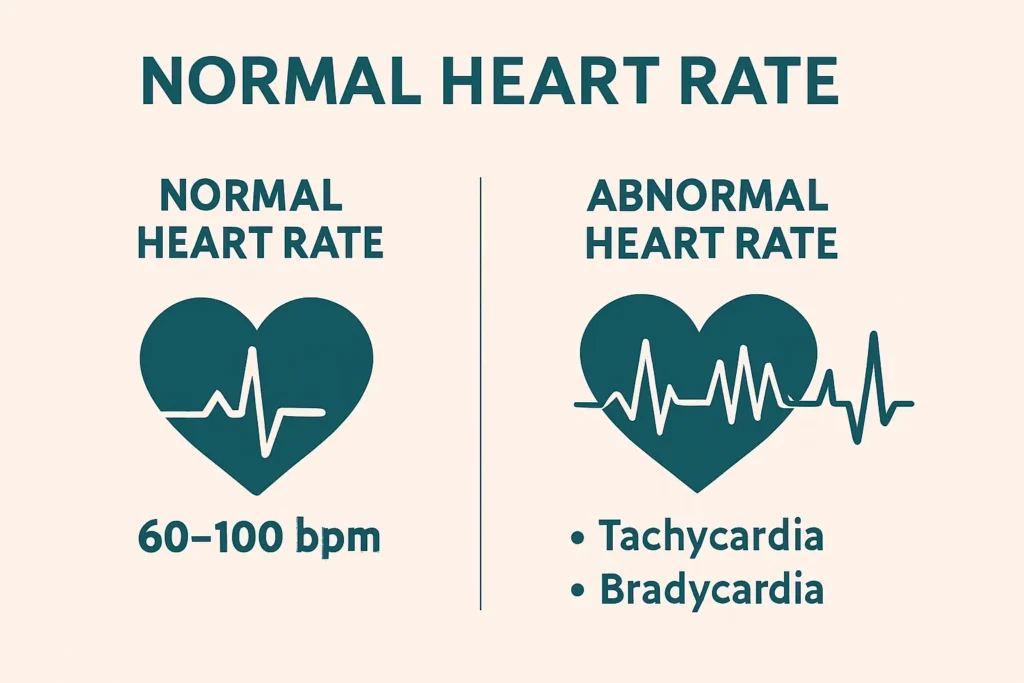
The normal resting heart rate for adults ranges from 60 to 100 beats per minute. However, this number may be lower than 60 beats per minute in people who exercise regularly, or higher than 100 beats per minute during strenuous physical activity, stress, or anxiety.
Factors such as age, overall health status, and certain medications can also affect heart rate. Because heart rate changes throughout the day, varies with different activities, and may differ depending on age and sex, cardiovascular health should not be assessed based only on a few heart rate measurements taken at different times.
So, what is considered a normal heart rate? In adults, a normal resting heart rate is generally between 60 and 100 beats per minute. The healthier a person is, the lower their resting heart rate may be. For many professional athletes who exercise regularly, a normal resting heart rate may be only about 40 to 60 beats per minute.
In addition, normal heart rate ranges may vary by age. Specifically:
How to measure heart rate
Heart rate can be measured by healthcare professionals, with medical devices, or by individuals at home.
For home measurement, the following two steps can be followed:
- Step 1: Locate an artery at the wrist or another suitable site. Place the index and middle fingers on the wrist, just below the jawbone, or between the trachea and the large muscles of the neck. Gently press the two fingers on the correct area until the pulse can be felt.
- Step 2: Count the heartbeats. A stopwatch or timer should be used to count the number of beats over one minute. The number of beats counted within one minute is the heart rate.
This method is simple and can be performed at home. For a more accurate measurement or when combined with a general health checkup, individuals should visit a reputable medical facility for examination.
When is heart rate considered abnormal?
An abnormal heart rate, also known as cardiac arrhythmia, refers to a condition in which the heart beats abnormally, either too fast, too slow, or irregularly. This condition is commonly seen in men.
Cardiac arrhythmias can be classified into several types:
- By heart rate: The heart rate may be too slow or too fast.
- By site of origin: The arrhythmia may originate in the atria or the ventricles.
- By irregular heart activity: The heart rhythm may fluctuate between fast and slow, or the heart may sometimes beat prematurely.
- By frequency: The arrhythmia may occur frequently or only occasionally.
Causes of abnormal heart rate
A normal heart rate is a sign of good cardiovascular health. In many cases, an abnormal heart rate, whether too fast or too slow, may be caused by the following factors:
- Causes of tachycardia: A fast heart rate may occur due to overexertion, strenuous physical activity, consumption of caffeinated beverages, hyperthyroidism, or fever. In particular, stress, nervousness, or anxiety can also cause the heart to beat faster than normal.
- Causes of bradycardia: A slow heart rate is commonly seen in people who exercise regularly, such as athletes. At rest, their heart rate may be slower, sometimes around 40 beats per minute, which can be considered normal.
However, in other individuals, a slow heart rate may be a warning sign of conditions such as hypothyroidism, infection of the heart tissue, congenital heart defects, problems with the sinoatrial node, lupus, or sleep apnea.
When should abnormal heart rate be checked by a doctor?

A normal heart rate can vary depending on age, physical activity, and overall health status. However, if heart rhythm disturbances occur frequently, patients should seek medical evaluation. In particular, a cardiology consultation should be arranged promptly if an abnormal heart rhythm is accompanied by the following symptoms:
- Dizziness or lightheadedness.
- Shortness of breath or rapid breathing.
- Chest pain or chest tightness.
- Fainting.
- A sensation that the heart stops beating for a few seconds.
- Unexplained abnormal weight loss.
An abnormal heart rate may be a warning sign of serious cardiovascular disease. Therefore, medical examination is necessary for an accurate diagnosis and timely treatment.
Register for a cardiology consultation with specialists at Hong Ngoc Hospital here.
What should be done to restore a normal heart rate?
A normal and stable heart rate helps support better cardiovascular health. Several measures may help restore and maintain a stable heart rate, including:
Drink plenty of water
Water plays an important role in supporting blood circulation. When the body is dehydrated, the blood becomes thicker and circulates less efficiently, forcing the heart to work harder to pump blood. Therefore, people should drink about 2 liters of water per day and increase fluid intake during physical activity or sweating to support smooth blood circulation and reduce unnecessary strain on the heart.
Cool down the body
Environmental temperature can affect heart rate. In hot weather, the body loses water, the blood becomes more concentrated, and the heart has to work harder to pump blood. Therefore, when working outdoors in hot conditions, people should help cool the body by wearing appropriate clothing, using a face mask and hat when needed, and drinking plenty of water.
Limit stimulants
The use of stimulants such as alcohol, coffee, and tobacco may disrupt heart rhythm. The heart may have to beat faster to supply oxygen to a body that is being stimulated. Therefore, limiting these substances can help the heart function more normally.

Exercise regularly
Regular exercise helps maintain healthy heart function. Depending on their health condition, individuals should choose suitable activities such as walking, jogging, cycling, or yoga. High intensity exercises that exceed one’s physical capacity should be avoided.
Avoid stress
Stress and emotional tension can cause the heart to beat faster. Therefore, people should try to maintain a stable and relaxed state of mind, reduce stress, and think more positively.
Follow a healthy diet
Diet also has a significant impact on cardiovascular health. People should regularly include heart healthy foods such as fatty fish, green vegetables, and fruits, while limiting red meat, animal fat, and salty foods.
A normal heart rate is a positive indicator of health. Therefore, maintaining a normal heart rate should be an important part of daily health care.
Note: The information provided in this article by Hong Ngoc General Hospital is for reference purposes only and is not intended to replace professional medical diagnosis or treatment. Patients should not purchase or use medications on their own for treatment. To accurately determine their medical condition, patients should visit a hospital for direct examination, diagnosis, and consultation with a physician on an appropriate treatment plan.
Follow the official fanpage of Hong Ngoc General Hospital for more useful health information.