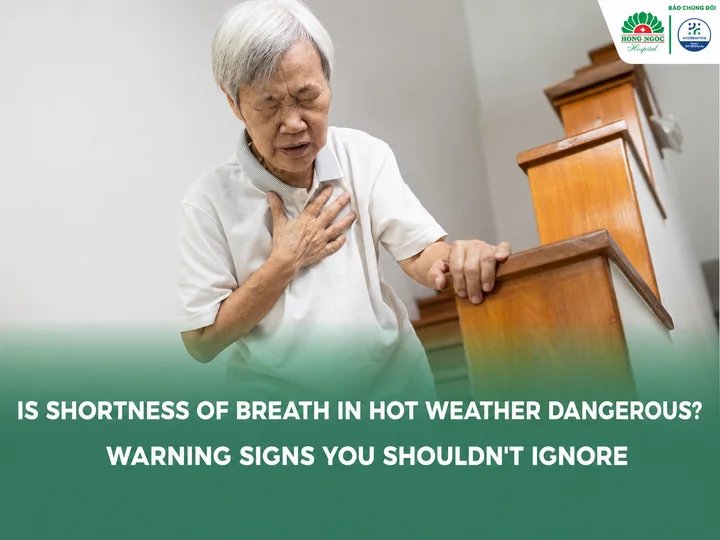




Dyspnea is a very common clinical condition. In certain cases, dyspnea constitutes a medical emergency and, if not promptly managed, may pose a serious threat to the patient’s life. While dyspnea is most commonly associated with respiratory diseases, a significant proportion of cases are attributable to cardiovascular disorders.
What is dyspnea?
Dyspnea, also commonly referred to as shortness of breath or a sensation of air hunger, is a frequently encountered clinical symptom that may affect individuals of all ages. On average, one in four patients seeking medical care for respiratory conditions presents with dyspnea.
When experiencing dyspnea, patients commonly present with persistent fatigue, oxygen deficiency, labored breathing, chest tightness, and interrupted or irregular respiration. The severity of dyspnea may range from mild to severe, and the condition may be transient or chronic.
Effective diagnosis and management of dyspnea must be etiology-based, as treatment strategies depend largely on the underlying cause. Although dyspnea is a common clinical presentation, it poses significant challenges in both diagnosis and treatment, particularly in patients experiencing acute and severe episodes of respiratory distress.
Causes of dyspnea

Dyspnea may be caused by the following medical conditions:
Asthma
Asthma is a chronic disease that may occur at any age. It is commonly classified as an allergic condition and is often associated with bronchial inflammation. Dyspnea in asthma is typically characterized by difficulty with expiration. During an asthma attack, patients may experience wheezing due to bronchial spasm, along with increased airway secretions, leading to cough and sputum production.
Asthma may occur year-round; however, exacerbations are more likely during weather changes or upon exposure to triggering factors (allergens). Asthma is also frequently misdiagnosed as an acute exacerbation of chronic obstructive pulmonary disease (COPD), as both conditions can present with dyspnea, wheezing, and cough during acute episodes. In COPD, cough is often accompanied by thick sputum, typically yellow or green in color, and persists for more than three months per year.
Chronic obstructive pulmonary disease (COPD)
In the early stages of chronic obstructive pulmonary disease, patients may experience mild dyspnea, which progressively worsens over time. As the disease advances, symptoms may include cyanosis of the lips, persistent fatigue, and increasing respiratory distress. COPD is most commonly observed in older adults, particularly those with a long-standing history of cigarette smoking or tobacco use.
Bronchiectasis
This condition may also cause dyspnea, particularly in cases complicated by pneumothorax secondary to bronchiectasis. Dyspnea is typically characterized by difficulty during inspiration and often occurs suddenly following severe chest pain, accompanied by pallor or cyanosis of the face and profuse sweating.
Bronchopneumonia
Bronchopneumonia may also cause dyspnea, which typically develops gradually and is often accompanied by high fever. The condition is more commonly observed in children—particularly those who are malnourished or growth-retarded—as well as in older adults and immunocompromised individuals, including patients with HIV/AIDS.
Dyspnea is also frequently present in patients with pulmonary emphysema and chronic cor pulmonale. In these conditions, patients often experience near-constant shortness of breath, along with cyanosis of the lips due to chronic hypoxemia and persistent fatigue.

Airway foreign body
Dyspnea caused by an airway foreign body may be observed in cases of laryngeal diphtheria, a severe form of diphtheria caused by Corynebacterium diphtheriae. In this condition, the formation of thick pseudomembranes covering the mucosa of the larynx and trachea, together with marked edema, can lead to acute airway obstruction and severe dyspnea, requiring immediate emergency medical intervention.
Chronic pulmonary tuberculosis
This condition may also cause dyspnea, particularly in cases of cavitary tuberculosis, military tuberculosis, or tuberculous pleural effusion. Pleural effusion, regardless of cause, can lead to shortness of breath, including cases secondary to tuberculosis.
Certain pulmonary diseases
Conditions such as lung cancer or lung abscess may also cause dyspnea, and in some cases may lead to severe or acute respiratory distress.
Cirrhosis with ascites
The accumulation of a large volume of ascitic fluid within the abdominal cavity may restrict diaphragmatic movement, resulting in dyspnea. In addition, end stage heart failure can lead to hepatic congestion and hepatomegaly, which displace the diaphragm upward and further impair diaphragmatic excursion, thereby causing shortness of breath.
Acute pulmonary edema
Acute pulmonary edema caused by cardiac disorders such as valvular stenosis or regurgitation, aortic valve disease, or left sided hypertension and heart disease can lead to severe dyspnea.
Reader may also be interested in:
- Is heavy breathing dangerous? Causes and treatment
- What conditions does rapid breathing indicate? Causes of rapid breathing
- Cardiovascular diseases: etiology, clinical manifestations, and effective preventive strategies
Cardiovascular diseases
Patients with cardiovascular disorders, such as heart failure and coronary artery disease, represent one of the most serious causes of dyspnea. Individuals with heart failure typically experience shortness of breath during physical exertion; in more advanced stages, dyspnea may also occur at rest or while lying supine. At night, some patients may suddenly awaken from sleep with gasping for air, a condition known as paroxysmal nocturnal dyspnea.
In addition, clinical observations indicate that several other conditions may also cause dyspnea, including intercostal neuralgia, chest trauma, upper respiratory tract infections such as tonsillitis and laryngitis, as well as emotional or psychiatric disorders including depression and anxiety. Metabolic disturbances, such as elevated blood urea levels and metabolic acidosis, are also recognized contributors to shortness of breath.
What should be done when experiencing dyspnea?
Dyspnea may present as either acute or chronic. In acute cases, such as airway foreign body aspiration, acute asthma attacks, acute exacerbations of chronic obstructive pulmonary disease, or pneumothorax, patients should be promptly transported to the nearest medical facility for emergency care, as any delay may pose a serious risk to life.
In cases of mild dyspnea with gradual onset, patients should be brought to a medical facility for evaluation as early as possible, particularly to specialized healthcare centers such as those providing cardiology, respiratory medicine, or otolaryngology services.
After medical evaluation, patients should strictly adhere to the prescribed treatment regimen and follow all medical advice provided by the physician. Self medication is strongly discouraged, whether involving conventional Western medicines, traditional medicine, or herbal remedies, as inappropriate use may not only fail to improve symptoms but may also worsen the condition and lead to serious complications.
Dyspnea resulting from underlying cardiovascular disease carries a significant risk, as dysfunction of the cardiovascular system can have widespread systemic effects, and certain conditions may be life threatening or fatal. Therefore, when experiencing symptoms of dyspnea, patients are strongly advised to seek evaluation by a cardiology specialist to accurately determine whether the symptom is related to cardiovascular disease.
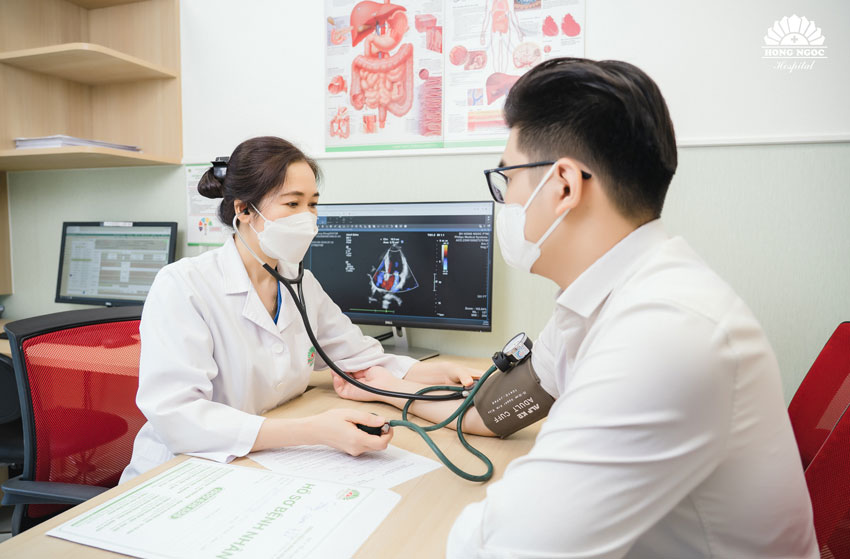
The Cardiology Department at Hong Ngoc General Hospital is a trusted destination for the examination and treatment of cardiovascular diseases in Hanoi, highly regarded by a large number of patients for both clinical expertise and service quality. The department is staffed by a team of highly skilled and experienced physicians, supported by advanced medical equipment, enabling the early and accurate detection of cardiovascular abnormalities in patients.
Register here to receive consultation and medical examination with cardiology specialists at Hong Ngoc Hospital:
Note: The information provided in this article by Hong Ngoc General Hospital is intended for reference purposes only and does not replace professional medical diagnosis or treatment. Patients should not self prescribe or self medicate. To accurately assess a medical condition, patients are advised to visit a medical facility for direct examination, diagnosis, and appropriate treatment planning by qualified physicians.
Follow the Hong Ngoc General Hospital fanpage to receive more useful and up to date health information.