




Oral dental abscess is a complication of both primary tooth decay and permanent tooth decay in children. The condition not only affects facial appearance and speech development but may also have long-term adverse effects on the child’s oral health in the future.
Progression and stages of dental caries
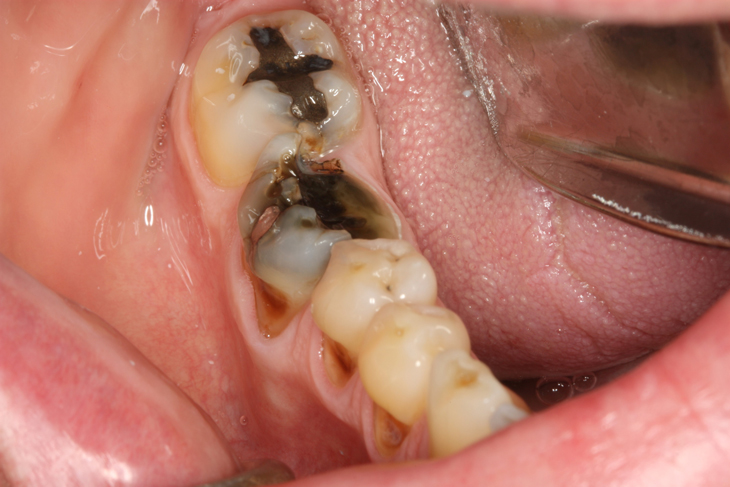
The progression of dental caries in primary teeth is similar to that in permanent teeth; however, it tends to progress more rapidly in children. Early-stage tooth decay typically begins as white spot lesions on the enamel surface.
If left untreated, the lesion continues to destroy the enamel layer (enamel caries), then progresses into the dentin layer. At this stage, the disease advances more quickly and the decay spreads extensively.
- Stage 1 caries: Tooth enamel is attacked and damaged by acids. White spots on the enamel gradually turn dark or black. At this stage, decay is limited to the enamel and usually causes no pain or noticeable symptoms.
- Stage 2 caries: The dentin layer becomes damaged. Children may begin to experience tooth sensitivity or discomfort, especially when consuming cold foods or acidic foods.
- Stage 3 caries: If the cavity is not treated promptly with dental filling, the decay gradually reaches the dental pulp. Pain becomes increasingly severe and sensitive. At this stage, children may experience intense toothache caused by acute pulpitis.
- Stage 4 caries: If pulpitis is left untreated, the dental pulp may eventually become necrotic. The infected pulp tissue can spread into the surrounding bone, leading to pus formation and dental abscess at the tooth root. In severe cases, complications such as cellulitis or osteomyelitis of the jaw may occur.
Causes and symptoms of oral dental abscess
Dental abscesses are commonly caused by complications of tooth decay. Bacteria present in dental plaque can penetrate the tooth structure and create a pathway for infection.
In some cases, dental abscesses may also result from dental trauma, such as cracked, chipped, or fractured teeth. Damage to the enamel allows bacteria to enter the dental pulp and cause pulp infection.
The primary symptom of an oral dental abscess is severe and persistent tooth pain affecting the involved tooth. Pain is often localized around the root area and may occur after a prolonged period during which the tooth caused no symptoms.
Other symptoms of an oral dental abscess may include:
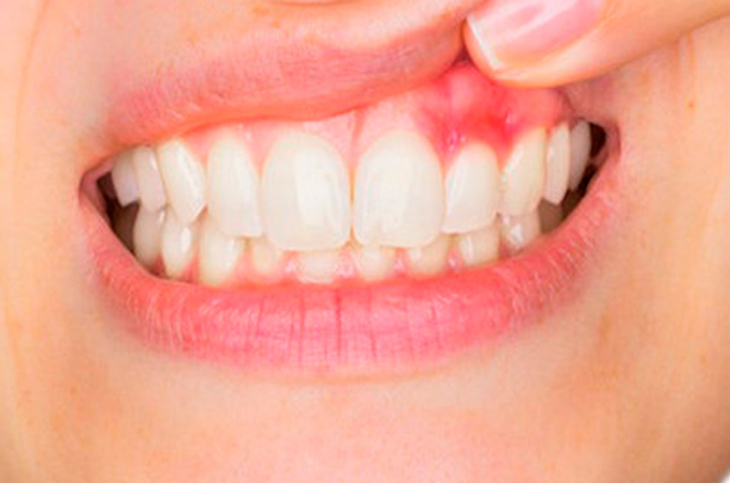
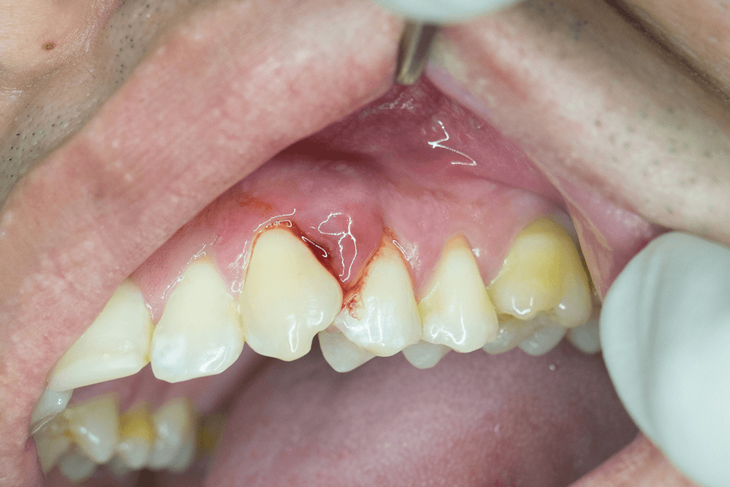
- Redness and swelling of the gums;
- Sensitivity to hot or cold foods and beverages;
- Headache, fever, or a sensation of warmth;
- Unpleasant odor in the mouth and bad breath;
- Pain while chewing;
- Fatigue and general malaise;
- Thick, foul-smelling pus drainage, after which the pain may temporarily subside.
Periapical Abscess
A periapical abscess occurs when bacteria enter the tooth through cavities and spread into the pulp, causing pulp infection, also known as pulpitis.
As the pulp becomes inflamed and infected, bacteria can spread into the surrounding alveolar bone, leading to the formation of a periapical abscess. This type is commonly seen in children.
Periodontal Abscess
A periodontal abscess develops when bacteria in dental plaque cause periodontal inflammation. The gums become inflamed, and the periodontal ligament may separate from the tooth surface, creating periodontal pockets.
These pockets can easily become contaminated, allowing bacteria to multiply and form a periodontal abscess. Although this condition is more common in adults, it may also occur in children.
Can oral dental abscess cause serious complications in children?
With appropriate dental treatment, a dental abscess can usually be managed effectively. However, in some cases, serious complications may occur, especially when the infection is left untreated and bacteria spread to surrounding tissues.
- Tooth Loss: In severe infections, bacteria may spread from the tooth root into the jawbone and surrounding soft tissues. If treatment is delayed or not performed properly, the affected tooth may no longer be preserved and eventually requires extraction.
- Dental Cyst: If a dental abscess is not treated, a fluid-filled cavity or cyst may develop beneath the root of the affected tooth.
- Maxillary Sinus Infection: This complication may occur when the infected tooth is located in the upper jaw close to the maxillary sinuses, allowing the infection to spread into the sinus cavity.
- Infective Endocarditis: Bacteria from a dental abscess can enter the bloodstream and travel to the heart, potentially causing infective endocarditis. This is a serious condition that may become life-threatening if not treated promptly.
- Ludwig’s Angina: Ludwig’s angina is a severe, rapidly spreading soft tissue infection involving the floor of the mouth, beneath the tongue, lower jaw, and chin. Although more common in adults, it may develop from an untreated dental abscess. This condition is particularly dangerous because it can obstruct the airway, leading to breathing difficulties and possible death.
- Brain Abscess: In rare but severe cases, bacteria from a dental infection may spread to the brain through the bloodstream, causing a brain abscess. This complication can lead to severe neurological damage, coma, and other life-threatening consequences.
Measures to prevent oral dental abscess
- Parents should maintain proper daily oral hygiene practices for children. Good oral care after meals and correct dental hygiene habits are essential in preventing tooth decay and oral infections.
- Children should brush their teeth properly and at the appropriate times, ideally immediately after meals, including after eating sweets or snacks.
- Encourage children to develop the habit of using dental floss. Flossing helps remove bacteria and food debris between teeth that toothbrushes may not effectively clean. Dental floss should be used twice daily for optimal oral hygiene.
- Children should rinse their mouth with an antibacterial mouthwash once or twice daily after brushing to help eliminate dental plaque on tooth surfaces. Persistent plaque buildup may lead to gum disease, gingivitis, and dental caries.
- Limit sugary foods such as lollipops, hard candies, and sticky foods including gummy candies, raisins, and dried fruits. These foods promote bacterial activity and acid production, which can damage tooth enamel and increase the risk of tooth decay.
- Strengthen tooth enamel through appropriate fluoride supplementation, either systemically (fluoride tablets, fluoridated salt, fluoridated drinking water) or topically (fluoride toothpaste or mouthwash). In addition, children should receive a balanced and nutritious diet to support oral health.
- Parents should ensure early detection and prompt treatment of dental caries in children to reduce the risk of developing dental abscesses.
- In cases of dental trauma such as chipped or fractured teeth, children should be examined promptly if persistent pain or signs of abscess develop.
- Most importantly, children should undergo routine dental examinations every six months at specialized dental clinics or hospitals. Regular check-ups help detect abnormalities early and allow timely treatment before complications such as dental abscesses or severe toothache occur.
Hong Ngoc Dental and Maxillofacial Department operates across seven facilities throughout Hanoi, with a team of highly qualified and experienced specialists. Equipped with modern facilities and advanced technology, the department supports accurate examination, diagnosis, and individualized treatment planning for patients.
Note: The information provided in this article by Hong Ngoc General Hospital is for reference purposes only and is not intended to replace medical diagnosis or treatment. To obtain an accurate assessment of their condition, patients should visit a hospital or healthcare facility for direct examination, diagnosis, and appropriate treatment consultation by qualified physicians.
Hong Ngoc Dental and Maxillofacial Department
Hotline: 0912.854.193
Fanpage: https://www.facebook.com/ranghammatbvhongngocc