




Dyspnea is a very common clinical condition. In certain cases, dyspnea constitutes a medical emergency and, if not promptly managed, may pose a serious threat to the patient’s life. While dyspnea is most commonly associated with respiratory diseases, a significant proportion of cases are attributable to cardiovascular disorders.
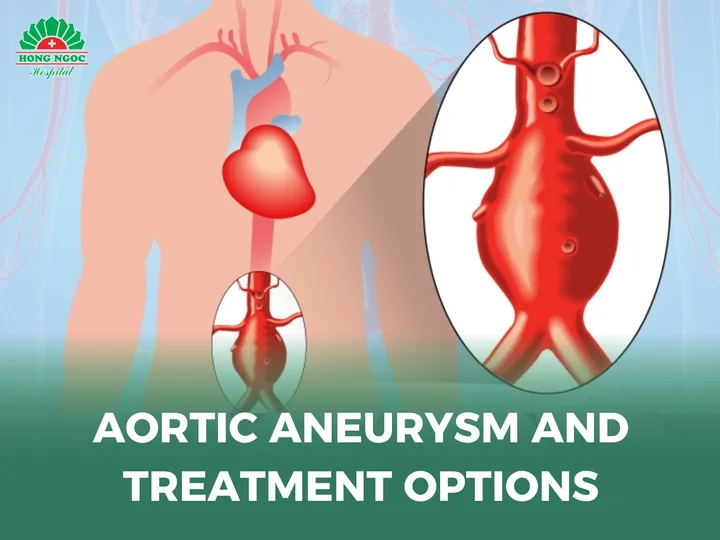
If you notice a pulsating sensation in the abdomen synchronized with your heartbeat, or experience sudden abdominal or lower back pain, you may have an aortic aneurysm. The aorta is the body’s largest artery, responsible for supplying oxygenated blood to vital organs. Rupture of an aortic aneurysm can lead to massive internal bleeding and is potentially life-threatening. This condition involves abnormal dilation of a segment of the aorta and can pose serious health risks if not promptly treated.
Stroke can lead to severe consequences for patients, including long-term disability and even death. Understanding stroke and its underlying risk factors is essential for effective prevention and for minimizing the devastating outcomes associated with this condition.
Hypertension is a chronic cardiovascular condition with a high prevalence, particularly among the elderly. According to a 2016 survey by the Vietnam Society of Cardiology, approximately 48% of Vietnamese adults were affected by hypertension. Alarmingly, this condition is a leading cause of severe complications and is responsible for the deaths of 7 million people worldwide each year.
Improving cerebral blood circulation helps reduce vascular obstruction and enhance blood flow to the brain, thereby supporting optimal brain function and lowering the risk of neurological disorders.
Myocardial infarction is a serious cardiovascular condition that can lead to severe consequences if not treated promptly, even resulting in death. This is a critical health issue that warrants special attention, given the steadily rising incidence of heart attack cases in recent years.
Varicose veins may initially present with localized pain or discomfort along the affected veins. While the condition is not typically associated with severe symptoms in its early stages, delayed management can lead to venous thrombosis, a potentially serious complication that may pose significant health risks and, in severe cases, become life-threatening.
Deep vein thrombosis of the lower extremities not only causes pain and impairs daily activities but also carries a significant risk of serious complications, such as pulmonary embolism, which can be life-threatening if not promptly managed. Therefore, early evaluation, detection, and treatment are essential to prevent severe complications.
Phlebitis is associated with distressing symptoms, including localized pain, swelling, and inflammation. If left untreated, it may lead to serious complications such as pulmonary embolism and sepsis, both of which can be life-threatening.
Lorem ipsum dolor
Lorem ipsum dolor sit amet, consectetur adipiscing elit. Mauris odio lectus, pretium faucibus nisi eu, accumsan consectetur orci. In blandit vehicula nisl, vel lacinia ligula finibus a. Donec fermentum rhoncus