



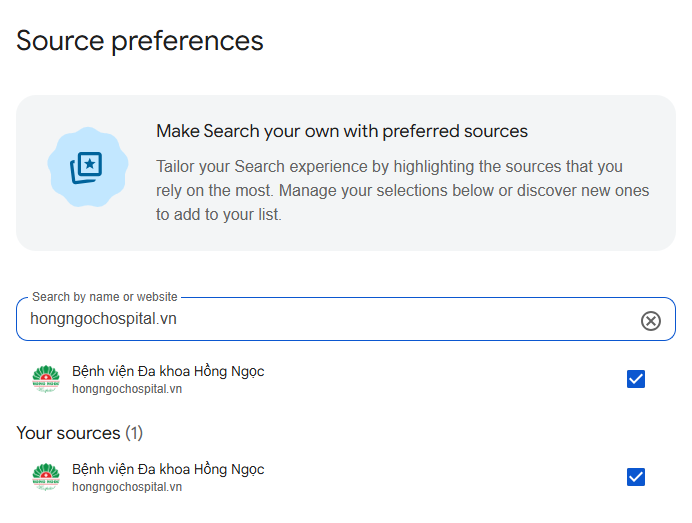
Many patients with hypertension notice that their blood pressure readings are lower on hot days. Some may also experience dizziness, lightheadedness when standing up, or increased fatigue after being outdoors in hot weather. This leaves many wondering whether they should reduce their dose, skip certain medications, or temporarily stop taking antihypertensive drugs during summer.
In fact, high temperatures can cause blood vessels to dilate, increase fluid loss through sweating, and lead to fluctuations in blood pressure. However, changing blood pressure medication without medical guidance can be dangerous, especially for older adults and people with cardiovascular disease, kidney disease, diabetes, or a history of stroke.
Medical disclaimer: This article is intended for reference purposes only and is not a substitute for medical diagnosis or treatment. Patients with hypertension should not reduce their dose, stop taking medication, make up for missed doses, or switch medications without a doctor’s guidance. If chest pain, shortness of breath, fainting, limb weakness or paralysis, difficulty speaking, confusion, very high blood pressure, or low blood pressure with severe symptoms occurs, medical attention or emergency care should be sought immediately.
Quick answer: Patients with hypertension should not change or stop their medication on their own during summer. Hot weather may cause a slight decrease in blood pressure or lead to irregular blood pressure fluctuations, dehydration, and electrolyte imbalance in some people. However, any decision to reduce or stop medication should only be made after a doctor evaluates blood pressure records over several days, accompanying symptoms, current medications, and underlying medical conditions. The Centers for Disease Control and Prevention (CDC) also advises patients not to stop taking blood pressure medication without first consulting a doctor or pharmacist, as doing so may lead to serious consequences.
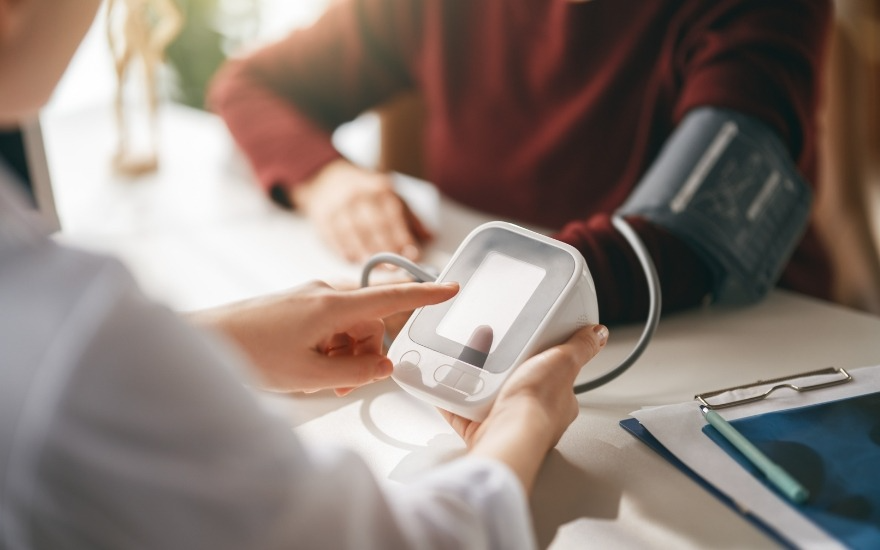
Important note: A few low blood pressure readings on hot days are not sufficient grounds to reduce medication on your own. Blood pressure should be measured correctly, readings should be recorded over several days, and a doctor should be contacted if low blood pressure is accompanied by dizziness, fainting, severe fatigue, or abnormal blood pressure fluctuations.
Professional consultation: This article was medically reviewed by a cardiology specialist at Hong Ngoc General Hospital.
Last updated: May 20, 2026.
Quick summary of the article
Situation | What the patient should do | Safety note |
| Blood pressure is lower on a few occasions during hot weather | Continue monitoring and do not change medication on your own | A few isolated readings are not sufficient grounds for adjusting treatment |
| Low blood pressure accompanied by dizziness or lightheadedness | Rest, measure blood pressure again correctly, and record the readings | Contact a doctor if this occurs repeatedly |
| The patient is taking diuretics | Monitor for signs of dehydration, reduced urination, muscle cramps, and severe fatigue | A doctor may need to assess electrolytes and kidney function, especially in older adults or patients with kidney disease |
| Blood pressure remains below 90/60 mmHg with symptoms | Seek medical evaluation soon | Do not stop medication abruptly on your own |
| Chest pain, shortness of breath, fainting, limb weakness or paralysis, or difficulty speaking | Call emergency services or go to the hospital immediately | This may indicate a cardiovascular or neurological emergency |
| The patient wants to reduce, switch, or stop medication | Consult a doctor | Any decision should be based on a blood pressure diary, underlying conditions, accompanying symptoms, and current medications |
Why can blood pressure be lower in summer?
Blood pressure may vary depending on weather, ambient temperature, the body’s hydration status, sleep, physical activity, stress, and current medications. During summer, some people may notice lower blood pressure readings than in colder months, although the degree of change varies from person to person.
Blood vessels dilate to release heat
In hot weather, the body needs to release heat to maintain a stable core temperature. One of the main mechanisms is the dilation of blood vessels beneath the skin, allowing more blood to flow toward the periphery to dissipate heat.
When blood vessels widen, vascular resistance may decrease, which can cause blood pressure to be lower than usual in some people. This is why patients may feel slightly fatigued, lightheaded, or dizzy when standing for long periods in hot weather.
However, not everyone experiences a drop in blood pressure during summer. In some people, heat stress, lack of sleep, headaches, anxiety, or inconsistent medication use may cause blood pressure to fluctuate upward instead.
Dehydration can make blood pressure more prone to fluctuations
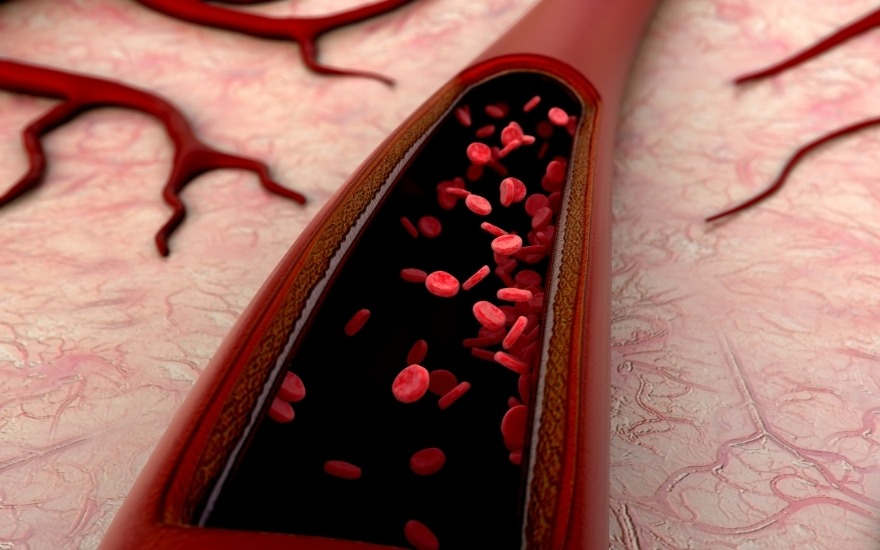
During summer, the body loses more fluid through sweating. If fluid intake is not sufficient, circulating blood volume may decrease, causing blood pressure to drop or fluctuate more markedly, especially when standing up suddenly.
Patients may experience:
- dizziness;
- lightheadedness;
- severe fatigue;
- rapid heartbeat or palpitations;
- reduced urination;
- dark-colored urine.
This condition requires closer attention in older adults, people taking diuretics, patients with kidney disease, or those with poor food and fluid intake on hot days.
Some medications can make the body more sensitive to heat
Certain medications used to treat hypertension and cardiovascular disease may affect fluid and electrolyte balance, heart rate, or the body’s ability to adapt to high temperatures. The Centers for Disease Control and Prevention (CDC) notes that diuretics and some cardiovascular medications may increase the risk of heat-related health effects. This does not mean patients should stop taking their medication on their own when the weather is hot. On the contrary, patients should monitor their condition more closely and consult their doctor if any abnormal symptoms occur.

Why can changing blood pressure medication without medical guidance be dangerous?
Blood pressure may rise again and become uncontrolled
Blood pressure medications help maintain stable blood pressure over the long term. When patients reduce the dose or stop taking medication on their own, blood pressure may rise again within a short period or after several weeks, depending on the type of medication and the patient’s condition. In some cases, this may occur without headaches or obvious symptoms.
The danger is that patients may think they are still well, while their blood vessels, heart, brain, and kidneys are under increased pressure. If this condition persists, the risk of damage to the heart, brain, kidneys, and major cardiovascular events may increase.
Increased risk of stroke and cardiovascular events
Hypertension is a major risk factor for stroke, myocardial infarction, heart failure, and chronic kidney disease. When blood pressure rises again or fluctuates abnormally after patients change their medication on their own, the blood vessel walls are exposed to greater pressure.
The risk is particularly concerning in people with a history of stroke, coronary artery disease, heart failure, atrial fibrillation, diabetes, or chronic kidney disease.

Some medications should not be stopped abruptly
Certain cardiovascular medications, if stopped suddenly, may cause a rapid heartbeat, palpitations, a rebound increase in blood pressure, or worsening cardiovascular symptoms. Patients cannot determine on their own which medications can be reduced, which should be continued, or which need to be adjusted gradually.
Therefore, any medication changes should be decided by a doctor based on the patient’s medical history, blood pressure readings, heart rate, kidney function, electrolyte levels, and actual symptoms.
Low blood pressure also requires evaluation of the underlying cause, not simply medication reduction
If a patient develops low blood pressure during summer, the cause may not be medication alone. Factors such as dehydration, excessive sweating, diarrhea, fever, poor food or fluid intake, alcohol consumption, electrolyte imbalance, infection, or cardiovascular disease may also cause blood pressure to drop.
If patients simply reduce their medication without identifying the underlying cause, they may overlook a condition that requires treatment.

When might a doctor need to adjust blood pressure medication?
Some patients may need their treatment regimen adjusted during summer, but this must be assessed by a doctor.
Persistent low blood pressure with symptoms
If repeated measurements taken correctly show low blood pressure, for example, readings consistently below 90/60 mmHg or significantly lower than the patient’s usual blood pressure, accompanied by dizziness, lightheadedness, severe fatigue, blurred vision, near-fainting, or fainting, the patient should seek medical evaluation.
The doctor may assess whether:
- the patient is dehydrated;
- there is an electrolyte imbalance;
- current medications need to be adjusted;
- there is an accompanying acute illness;
- heart rate or cardiac function is abnormal.
Patients should not stop their medication on their own, even when blood pressure is low, because management depends on the underlying cause.

Patients taking diuretics
Diuretics help control blood pressure by increasing the excretion of salt and water. During summer, patients taking diuretics may be at higher risk of dehydration and electrolyte imbalance in hot weather, particularly if they experience frequent urination, muscle cramps, severe fatigue, or other signs of fluid and electrolyte disturbances without appropriate monitoring.
If a patient is taking diuretics and develops unusually reduced urination, dizziness, excessive thirst, severe fatigue, muscle cramps, or a rapid heartbeat, they should consult their doctor. Electrolyte testing and kidney function assessment may be needed.
Patients with diarrhea, vomiting, fever, or poor oral intake
Acute illnesses such as diarrhea, vomiting, fever, infection, or poor food and fluid intake can cause the body to lose fluids rapidly. In such cases, blood pressure may drop, and the patient’s current medications may need to be reassessed by a doctor to determine whether temporary adjustments are required, particularly if the risk of dehydration or impaired kidney function increases.
Patients should not manage the situation by stopping multiple medications on their own. They should contact a doctor, especially if they have reduced urination, severe fatigue, confusion, low blood pressure, or are unable to drink fluids.

Significant weight loss or major lifestyle changes
If a patient has lost a significant amount of weight, changed their diet, reduced salt intake, increased physical activity, or achieved better control of blood glucose and other underlying conditions, the doctor may consider adjusting medication if necessary.
However, any reduction in medication must be based on blood pressure monitoring over several days or weeks, not on subjective feelings alone.
Abnormal blood pressure fluctuations
Some patients may experience not only low blood pressure but also fluctuating blood pressure, with readings that are sometimes low and at other times elevated. This condition requires medical evaluation, as it may be related to dehydration, inconsistent medication use, stress, sleep disturbances, kidney disease, endocrine disorders, or cardiovascular disease.
Patients should bring their blood pressure diary to medical appointments so that the doctor has sufficient data for assessment.

Medication groups that require closer attention in hot weather
This section is not intended to guide patients to change their medications on their own. Rather, it helps patients understand which medication groups may require closer monitoring and when they should consult their doctor if abnormal symptoms occur.
Diuretics
Diuretics can increase the loss of fluids and electrolytes through urine. In hot weather, when patients sweat more, the risk of dehydration or disturbances in sodium and potassium levels may increase.
Warning signs to watch for include dizziness, reduced urination, excessive thirst, muscle cramps, severe fatigue, rapid heartbeat, or muscle weakness.
Certain medications for hypertension and cardiovascular disease
Some medications used to treat hypertension, heart failure, or kidney disease may make the body more sensitive to dehydration in hot weather. When patients sweat heavily, have diarrhea, vomit, or have poor food and fluid intake, the risk of low blood pressure and impaired kidney function may increase.
If dizziness, severe fatigue, reduced urination, or unusual excessive thirst occurs, patients should contact their doctor for advice. They should not reduce the dose or stop taking medication on their own.
Beta-blockers
Beta-blockers can slow the heart rate and may affect the body’s ability to increase heart rate when adapting to heat. Some patients may feel more fatigued during physical activity in hot weather.
Beta-blockers should not be stopped without medical guidance, as this may cause palpitations, rapid heartbeat, or worsening cardiovascular disease in some patients.
Calcium channel blockers and vasodilators
Some vasodilators and calcium channel blockers may cause leg swelling, facial flushing, headache, or dizziness in certain patients, and these symptoms may become more noticeable on hot days. If symptoms are significant or affect daily activities, patients should consult their doctor for evaluation.
Over-the-counter medications and dietary supplements
Some cold and flu medications, pain relievers, anti-inflammatory drugs, weight-loss medications, herbal products, or dietary supplements may affect blood pressure, the cardiovascular system, or kidney function, or may interact with antihypertensive medications.
Patients with hypertension should consult a doctor or pharmacist before using over-the-counter medications or dietary supplements. The American Heart Association (AHA) also recommends that patients with hypertension check with a healthcare professional or pharmacist before taking over-the-counter medications, supplements, or substances that may affect blood pressure.

How to measure and monitor blood pressure safely during summer
Measure blood pressure at the right time
Patients should measure their blood pressure at fixed times, usually in the morning before taking medication and in the evening before going to bed, unless otherwise instructed by their doctor.
Before measuring, patients should rest for at least five minutes and avoid taking a reading immediately after sun exposure, physical activity, drinking coffee, smoking, or during periods of stress.
Use the correct posture
When measuring blood pressure at home, patients should sit with their back supported, feet flat on the floor, legs uncrossed, and the arm positioned at heart level. The cuff should be appropriate for the size of the upper arm.
Blood pressure should be measured twice, one to two minutes apart, and the results should be recorded. If the two readings differ significantly, a third measurement may be taken, along with a note about the circumstances at the time of measurement.
Monitor trends over several days, not a single reading
What matters is not one isolated reading but the blood pressure trend over several consecutive days. Patients should record:
- the date and time of measurement;
- systolic and diastolic blood pressure;
- heart rate;
- accompanying symptoms;
- medications taken;
- special circumstances, such as sun exposure, poor sleep, diarrhea, or alcohol consumption.
This diary helps the doctor determine whether medication adjustment is necessary.
Avoid measuring too frequently, as it may increase anxiety
Some people measure their blood pressure repeatedly throughout the day and become anxious whenever the readings vary, leading them to adjust medication on their own. This may increase stress and cause blood pressure to fluctuate even more.
Unless close monitoring is recommended by a doctor, patients should measure their blood pressure according to a reasonable schedule and record the results consistently.
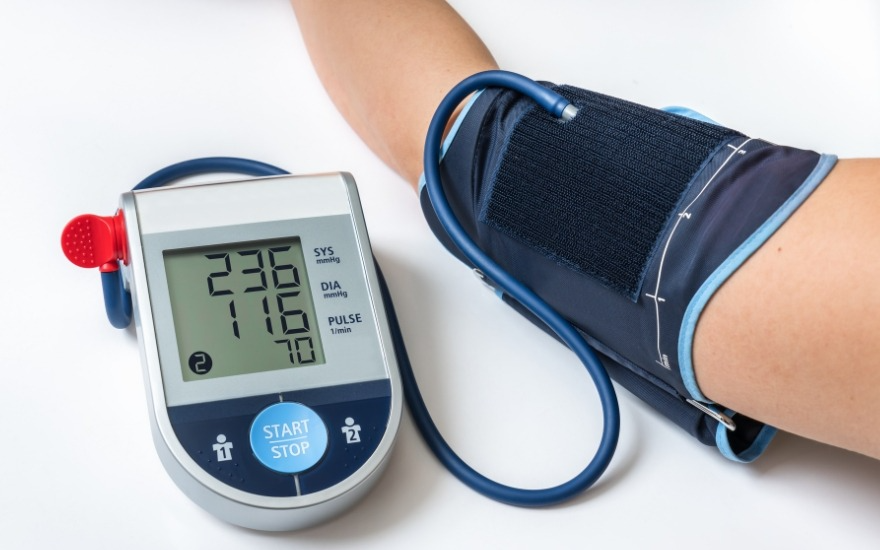
How should patients with hypertension take care of themselves during hot weather?
Maintain appropriate hydration and avoid dehydration
Patients should drink water regularly throughout the day, especially when sweating heavily. They should not wait until they feel thirsty, particularly older adults, as their sense of thirst may be reduced.
However, patients with heart failure, kidney disease, cirrhosis, or those who have been advised to restrict fluid intake should not drink excessive amounts of water on their own. They should consult their doctor about the appropriate daily fluid intake.
Avoid going outdoors during peak heat hours
During heatwaves, people should limit going outdoors between around noon and 4 p.m. unless necessary. If they must go outside, they should wear a hat, choose breathable clothing, rest in shaded or cool areas, and carry water with them.
Those who have previously experienced dizziness, lightheadedness, low blood pressure, or fainting after heat exposure should be more cautious during summer, especially when engaging in prolonged outdoor activities.
See also: Peak heat hours to avoid going outdoors during summer
Do not drink alcohol to “cool down”
Alcohol can contribute to dehydration and affect blood pressure, heart rhythm, and sleep. Patients with hypertension should limit alcohol consumption, especially on hot days or when taking multiple cardiovascular medications.

Eat regularly and do not skip meals
Skipping meals, eating too little, or having irregular eating habits may cause fatigue, dizziness, hypoglycemia, or fluctuations in blood pressure. Patients should maintain regular meals, with priority given to green vegetables, suitable fruits, healthy sources of protein, and limited salt intake.
Take medication on schedule
Patients should take their medication exactly as prescribed, at the correct time, and should not change the timing of medication use without consulting their doctor. If a dose is missed, patients should not take a double dose unless instructed to do so.
Patients may use a pill organizer, set reminders, or ask family members to help remind them in order to avoid missed doses or taking an extra dose by mistake.
When should patients seek medical attention or emergency care?
Patients should seek medical evaluation early in the following situations
Patients with hypertension should see a doctor if they experience:
- blood pressure that is frequently lower than usual and accompanied by dizziness or severe fatigue;
- blood pressure that remains below 90/60 mmHg with symptoms;
- abnormal blood pressure fluctuations over several days;
- frequent lightheadedness when standing up;
- rapid heartbeat, palpitations, muscle cramps, or persistent or recurrent muscle weakness;
- use of diuretics with signs of dehydration;
- diarrhea, vomiting, fever, or poor food and fluid intake;
- kidney disease, heart failure, diabetes, or a history of stroke.
Emergency care is required if warning signs occur
Emergency services should be called or the patient should go to the hospital immediately if any of the following symptoms occur:
- chest pain or chest tightness;
- shortness of breath or bluish lips;
- fainting or confusion;
- limb weakness or paralysis, facial drooping, or difficulty speaking;
- a sudden, severe headache;
- very high blood pressure accompanied by neurological symptoms or chest pain;
- low blood pressure with severe fatigue, cold sweats, or inability to stand steadily;
- no urination for several hours, suggesting possible severe dehydration.

Frequently asked questions
Can summer cause blood pressure to drop?
It can. High temperatures cause blood vessels to dilate in order to release heat, while the body also loses more fluid through sweating. These two factors may lead to lower blood pressure in some people. However, blood pressure may also fluctuate or increase in people with poor sleep, stress, irregular medication use, or underlying medical conditions.
Does lower blood pressure mean hypertension has been cured?
No. Hypertension is a chronic condition that requires long-term monitoring. Lower blood pressure readings over a few hot days do not mean the disease has been cured or that patients can reduce the dose or stop taking medication on their own.
Should patients reduce their medication if their blood pressure is lower than usual?
No. Patients should measure their blood pressure correctly, record readings over several days, and consult their doctor. Reducing medication without medical guidance may cause blood pressure to rise again and become uncontrolled.
What should patients taking diuretics pay attention to during summer?
Patients taking diuretics should watch for signs of dehydration and electrolyte imbalance, such as dizziness, reduced urination, excessive thirst, muscle cramps, severe fatigue, or rapid heartbeat. If these symptoms occur, they should seek medical evaluation so the doctor can assess their medication, electrolyte levels, and kidney function.
If a patient forgets to take blood pressure medication, should they take a double dose?
No. Patients should not take a double dose unless instructed to do so. Management of a missed dose depends on the type of medication and when the missed dose is noticed. Patients should ask their doctor or pharmacist for specific guidance regarding the medication they are taking.
At what blood pressure level is emergency care needed?
Emergency care should not be based on blood pressure numbers alone. Emergency services should be sought if blood pressure is very high, at or above 180/120 mmHg, or very low and accompanied by neurological or severe symptoms such as chest pain, shortness of breath, fainting, confusion, limb weakness or paralysis, difficulty speaking, severe headache, or cold sweats. If the severity is unclear, patients should contact a medical facility for guidance.
Should patients drink a lot of water to prevent low blood pressure during summer?
Adequate hydration can help reduce the risk of dehydration and heat-related blood pressure drops in healthy individuals. However, patients with heart failure, kidney disease, cirrhosis, or those who have been advised to restrict fluid intake should not drink excessive amounts of water on their own. They should consult their doctor about the appropriate daily fluid intake.
Conclusion
Summer may cause blood pressure to decrease or fluctuate due to vasodilation, dehydration, and electrolyte changes. However, patients with hypertension should not reduce their dose, stop taking medication, or switch medications on their own based only on a few low blood pressure readings.
Medication adjustment should be decided by a doctor based on a blood pressure diary recorded over several days, accompanying symptoms, current medications, underlying medical conditions, kidney function, and electrolyte status. Patients should measure blood pressure correctly, maintain appropriate hydration, avoid peak heat exposure, take medication on schedule, and seek medical evaluation when blood pressure changes abnormally.
If patients are being treated for hypertension and notice blood pressure fluctuations, dizziness, severe fatigue, a rapid heartbeat, or are taking diuretics during hot weather, they may schedule a cardiology consultation at Hong Ngoc General Hospital for assessment and appropriate treatment adjustment counseling.
References
Centers for Disease Control and Prevention (CDC). Managing High Blood Pressure.
American Heart Association (AHA). Managing High Blood Pressure Medications.
Mayo Clinic. Choosing Blood Pressure Medicines.
Centers for Disease Control and Prevention (CDC). Heat and Medications: Guidance for Clinicians.