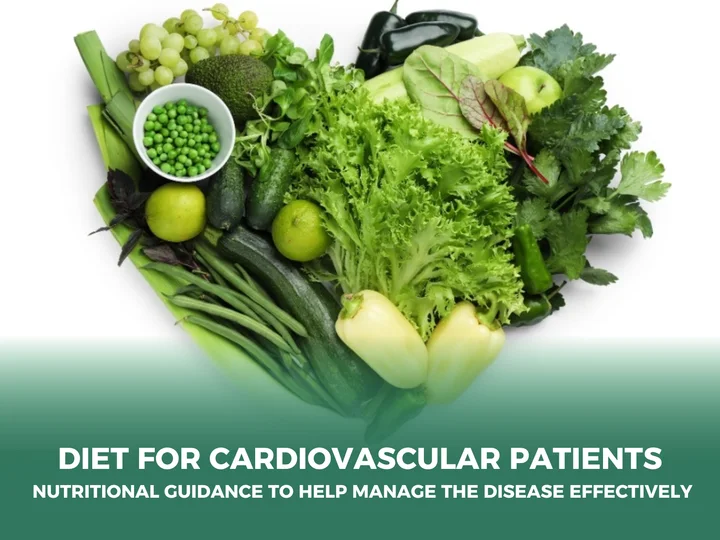



Nutrition plays an important role in controlling cardiovascular risk factors such as hypertension, dyslipidemia, overweight/obesity and diabetes. Fruits are a source of fiber, vitamins, minerals and plant-based compounds that may benefit overall health.
However, people with cardiovascular disease should not assume that “the more fruit, the better.” Some fruits are high in potassium, contain considerable natural sugars or may interact with cardiovascular medications. Therefore, choosing the right types of fruit, consuming appropriate portions and individualizing intake according to coexisting medical conditions are especially important.
Quick answer
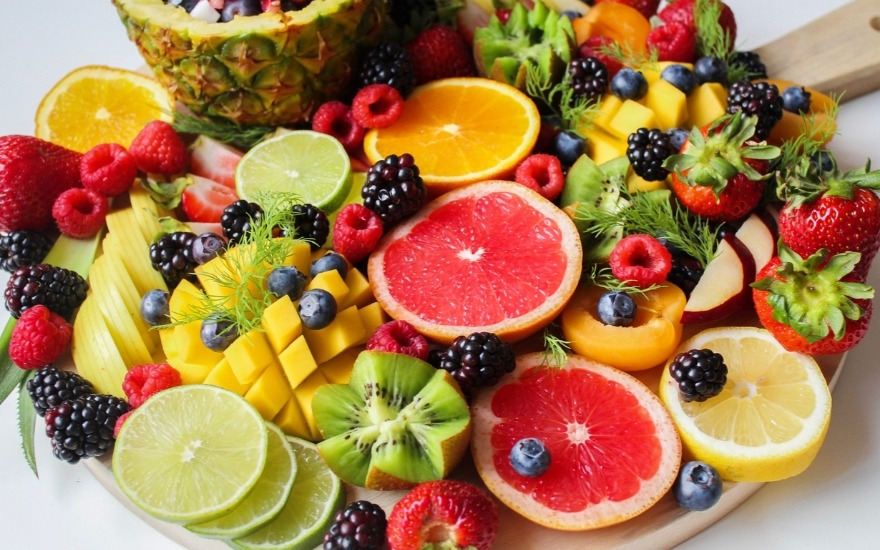
People with cardiovascular disease may prioritize fruits rich in fiber, vitamins and antioxidant compounds, such as apples, oranges, kiwi, avocado, berries, bananas, papaya, watermelon, grapefruit and pomegranate. Fruits should be eaten whole, consumed in appropriate portions and included as part of a balanced diet. People with kidney disease, hyperkalemia, heart failure, diabetes or those taking cardiovascular medications should consult a physician before consuming large amounts of potassium-rich fruits, drinking fruit juices or eating grapefruit regularly.
Professional medical consultation
Vu Thi Thin, MD, MSc, Resident Physician - Cardiology and Interventional Cardiology Department - Hong Ngoc Phuc Truong Minh General Hospital.
Medical note
This article is for informational purposes only and is not a substitute for medical diagnosis, treatment or individualized nutritional counseling from a physician. People with cardiovascular disease, heart failure, chronic kidney disease, hyperkalemia, diabetes, or those taking anticoagulants, antiplatelet medications, cholesterol-lowering medications or blood pressure medications should consult a physician or pharmacist before making major dietary changes, drinking fruit juices, using fruit extracts or taking dietary supplements.
Quick summary
Why should people with cardiovascular disease eat fruits?
When consumed in appropriate portions as part of a balanced diet, fruits can help provide fiber, vitamins, minerals and beneficial plant-based compounds. These nutrients may support the control of cardiovascular risk factors such as blood pressure, blood lipids, body weight and blood glucose, but they do not replace medications or medical treatment.
Fruits may offer several benefits, including:
- Providing fiber to support digestion and cholesterol control;
- Supplying vitamin C, folate and antioxidants;
- Supporting satiety, helping control total energy intake;
- Replacing high-sugar desserts, sweets or less healthy snacks;
- Contributing to a more diverse heart-healthy dietary pattern.
However, fruits still contain carbohydrates and natural sugars. Eating too much fruit, drinking large amounts of fruit juice or consuming sugar-coated dried fruits may increase energy intake and affect blood glucose levels, especially in people with diabetes or overweight.

Criteria for choosing heart-healthy fruits for people with cardiovascular disease
When choosing fruits, patients should prioritize:
- Fresh, whole fruits;
- Fruits rich in fiber;
- Fruits high in vitamin C, polyphenols, anthocyanins or other beneficial plant-based compounds;
- Options with no added sugar and not packed in syrup;
- Moderate portions appropriate for blood glucose levels, kidney function and current medications;
- A variety of colors rather than eating only one type of fruit for a long period.
Patients should limit:
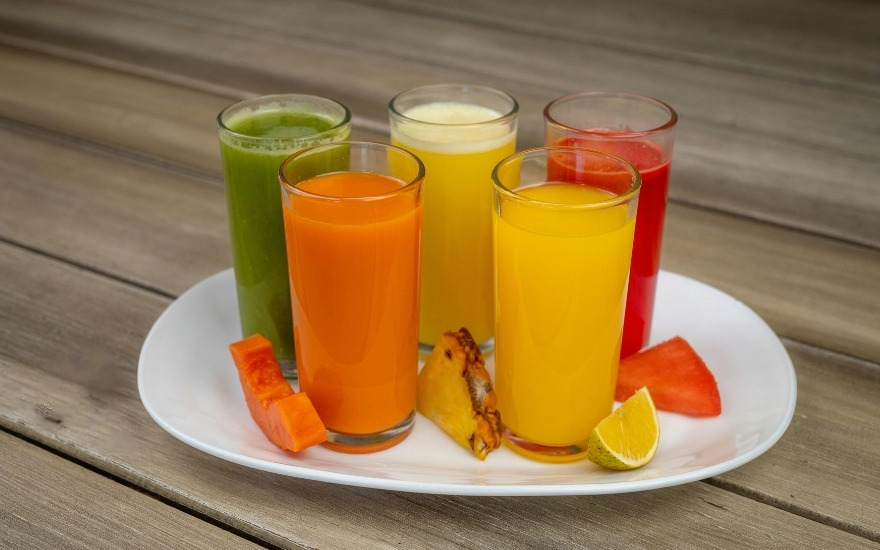
- Drinking fruit juice as a substitute for water;
- Smoothies with condensed milk, sugar or syrup;
- Sugar-coated dried fruits;
- Fruit preserves or jams;
- Canned fruits packed in syrup;
- Fruits eaten with chili salt or salty seasonings;
- Grapefruit or grapefruit juice if they are taking medications with a potential risk of interaction and have not consulted a physician.
Top 10 heart-healthy fruits for people with cardiovascular disease
The serving sizes below are for reference only and apply to clinically stable adults. Actual portions should be adjusted based on age, body weight, physical activity level, weight goals, blood glucose, kidney function, heart failure status and current medications.
1. Apple
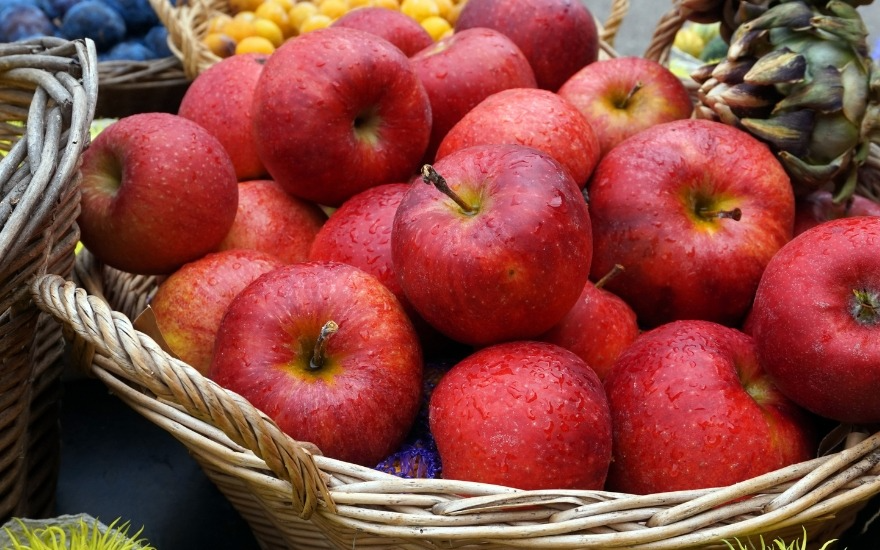
Apple is an easy-to-find fruit that is rich in fiber, especially pectin, a type of soluble fiber. When eaten whole as part of a balanced diet, apples can help increase fiber intake and replace high-sugar desserts.
Apples also contain polyphenols, a group of plant-based compounds with antioxidant properties. However, apples should not be considered a food that treats cholesterol disorders or cardiovascular disease.
Suggested serving size:
- One medium apple, approximately 150 g per serving;
- It can be used as a snack if appropriate for the total daily energy intake.
Notes:
- Apples should be eaten whole to retain fiber;
- Limit apple juice, apple jam or sugar-coated dried apples;
- People with diabetes should account for carbohydrates from apples in their meal plan.
2. Orange
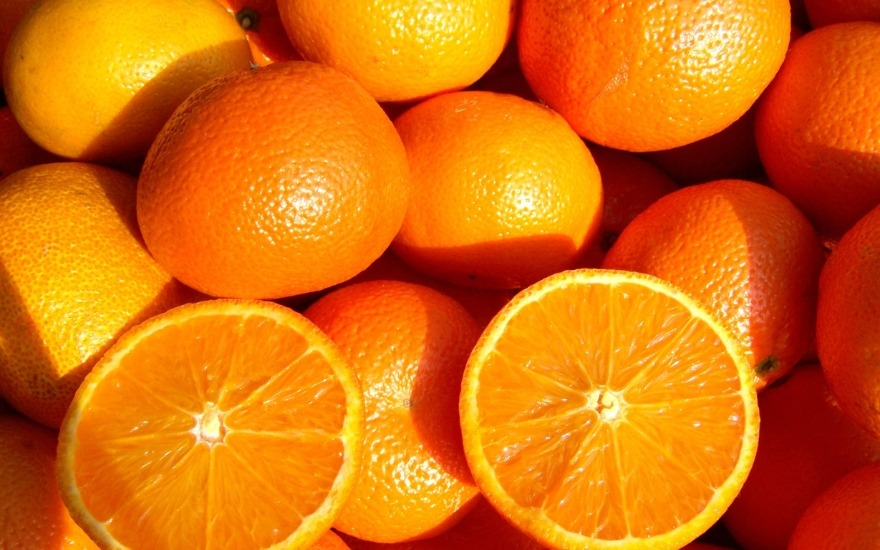
Oranges provide vitamin C, fiber, water and a certain amount of potassium. Eating whole orange segments is better than drinking orange juice because it helps retain fiber and slows sugar absorption compared with juice.
Suggested serving size:
- One medium orange or approximately 150 g of orange segments;
- Can be used as a snack or dessert after a main meal.
Notes:
- Prioritize eating the whole fruit instead of drinking juice;
- Do not add sugar, honey or salt;
- People with chronic kidney disease, hyperkalemia or those advised by a physician to limit potassium should consult a doctor about an appropriate amount of orange intake.
3. Kiwi
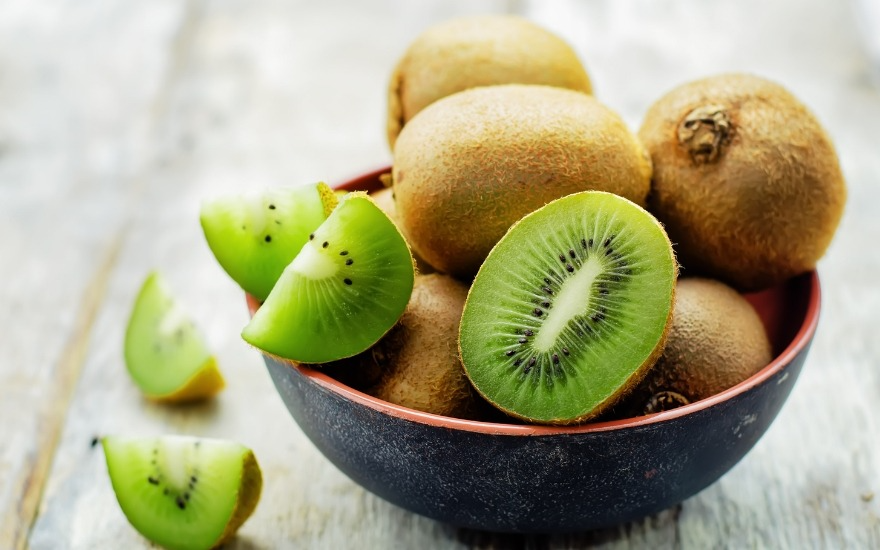
Kiwi contains vitamin C, fiber, folate and potassium. It is a good option for adding variety in color and micronutrient sources to a fruit-based dietary pattern.
Some studies suggest that kiwi may be beneficial for blood pressure or vascular function when included as part of a healthy diet, but its effects depend on the overall dietary pattern and lifestyle.
Suggested serving size:
- 1–2 small kiwis per serving;
- Can be eaten on its own or with unsweetened yogurt if appropriate.
Notes:
- People with diabetes should control portion size;
- People with kidney disease or hyperkalemia should consult a physician if they wish to eat kiwi regularly;
- Those with a history of kiwi allergy, oral itching, hives or breathing difficulty after eating kiwi should avoid it and seek medical care if severe symptoms occur.
4. Avocado
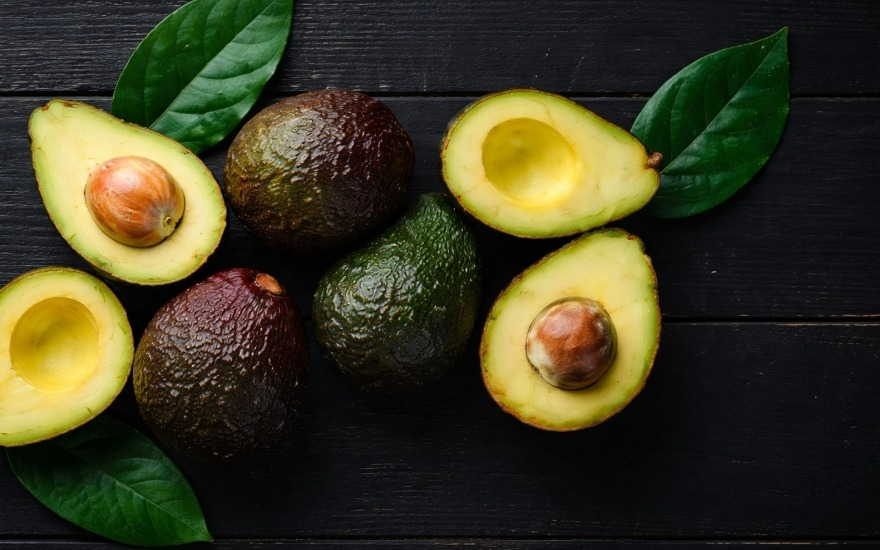
Avocado differs from many other fruits because it is rich in monounsaturated fats, fiber and potassium. It can be used to replace some saturated fats from butter, cream-based sauces or fried foods in the diet.
However, avocado is relatively energy-dense, so people with overweight or obesity, or those who need to lose weight, should consume it in moderate amounts.
Suggested serving size:
- Approximately ¼–½ avocado per serving, depending on the size of the fruit and individual energy needs;
- Can be served with salad, whole-grain bread or unsweetened yogurt.
Notes:
- Do not add condensed milk, sugar or syrup;
- People with kidney disease or hyperkalemia should consult a physician before eating avocado regularly;
- If weight loss is needed, avocado should be counted toward total daily fat and energy intake.
5. Blueberries and other berries
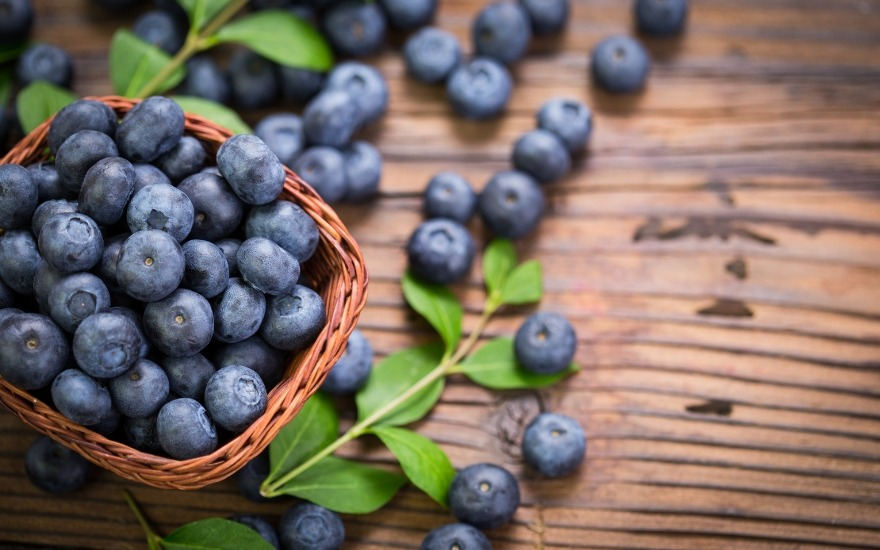
Blueberries, strawberries, raspberries and blackberries contain fiber, vitamin C and anthocyanins, a group of compounds that give berries their blue-purple or red color. This fruit group is commonly recommended in healthy diets because of its fiber content and moderate sweetness.
Suggested serving size:
- Approximately 100–150 g per serving;
- Can be used as a snack or combined with unsweetened yogurt or oats.
Notes:
- Choose fresh or unsweetened frozen berries;
- Limit berry jams, syrups and high-sugar toppings;
- People with diabetes still need to account for total daily carbohydrate intake.
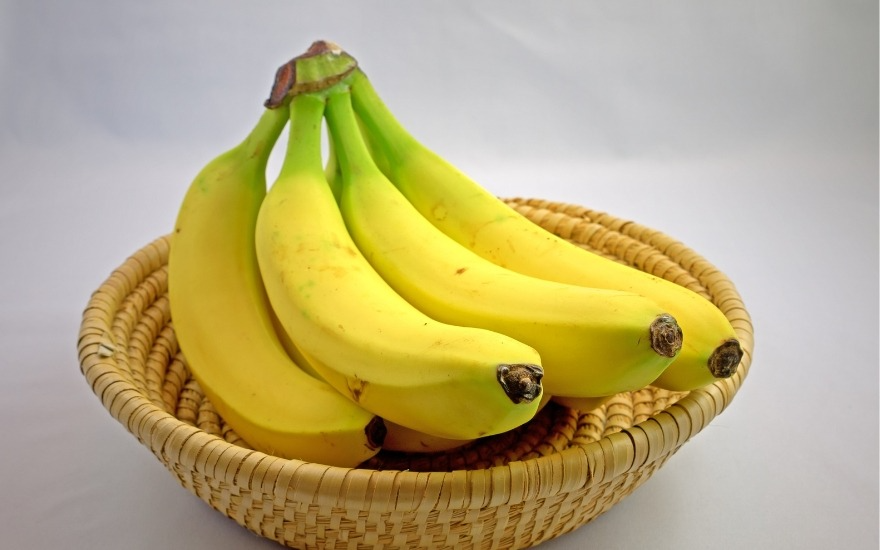
6. Banana
Bananas are a source of potassium and natural carbohydrates. Potassium plays a role in electrolyte balance and muscle function, including cardiac muscle function. For people without kidney disease, hyperkalemia or medical contraindications, bananas can be part of a healthy diet.
Suggested serving size:
- One small or medium banana per serving;
- Can be consumed several times per week, depending on total fruit intake and individual energy needs.
Important notes:
- People with chronic kidney disease, hyperkalemia or those taking medications that affect potassium levels should not eat bananas frequently without consulting a physician;
- People with diabetes should choose a moderate portion and avoid eating several ripe bananas at the same time;
- Banana smoothies with condensed milk or added sugar should be avoided.
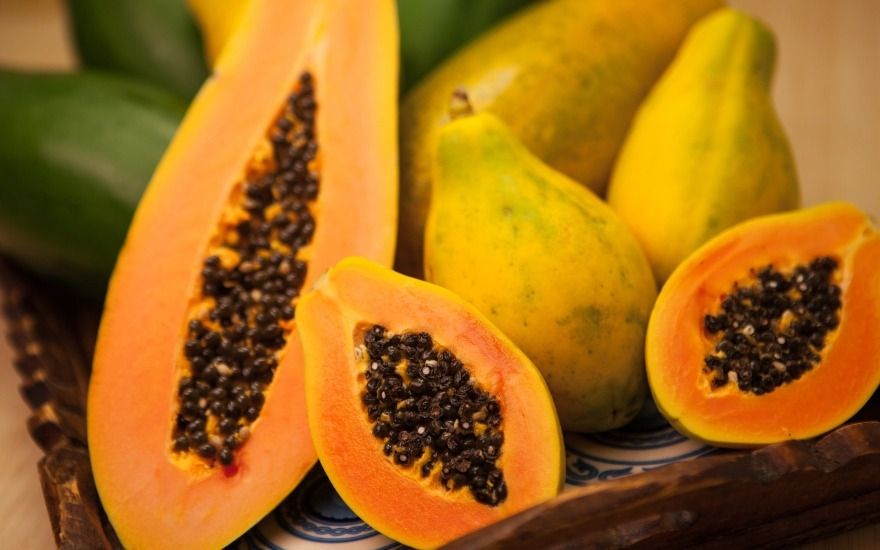
7. Papaya
Papaya provides vitamin C, beta-carotene, fiber and water. This soft, easy-to-eat fruit is suitable as a snack for many adults.
Suggested serving size:
- Approximately 150–200 g of ripe papaya per serving;
- Can be used as a snack if appropriate for blood glucose levels and total energy intake.
Notes:
- People with diabetes should control portion size;
- Do not add sugar, condensed milk or syrup;
- People with kidney disease or hyperkalemia should consult a physician if they eat papaya regularly or in large amounts.
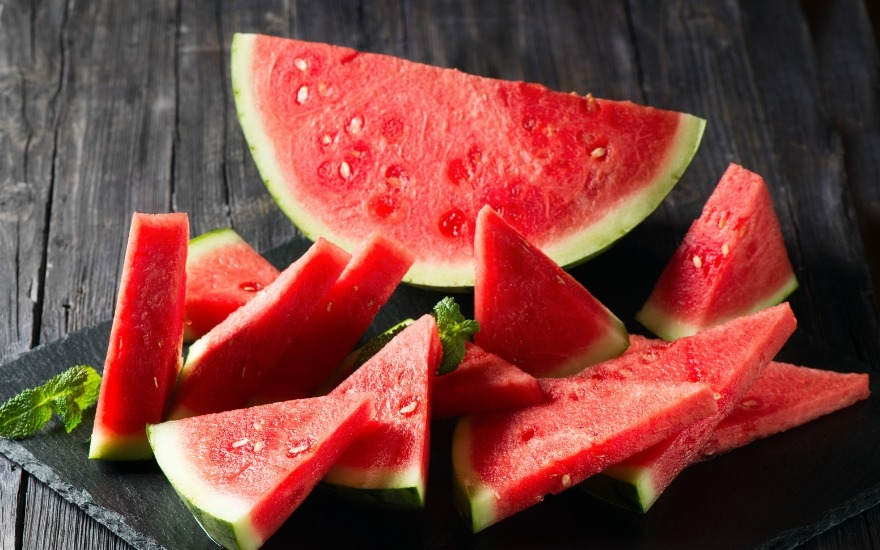
8. Watermelon
Watermelon contains a high amount of water, vitamin C and lycopene. It is an easy-to-eat fruit that helps provide water from food, but portion control is still needed because excessive intake may raise blood glucose levels.
Suggested serving size:
- Approximately 150–200 g per serving;
- It should be eaten in whole pieces, not juiced or served with added sugar.
Notes:
- People with diabetes should divide portions into smaller servings and account for total daily carbohydrate intake;
- People with heart failure, significant edema or those advised by a physician to restrict fluids should count the water content from watermelon toward their total fluid intake;
- Watermelon should not be eaten with salt if sodium restriction is needed.
9. Grapefruit
Grapefruit provides vitamin C, fiber and flavonoids. For people who are not taking medications with a potential risk of interaction, grapefruit can be included as one fruit option in a varied diet.
However, grapefruit requires particular caution in people who are receiving medication treatment.
Suggested serving size:
- Approximately ½ medium grapefruit or 150–200 g of grapefruit segments;
- Grapefruit juice should not be consumed regularly if you are taking medications without first consulting a physician.
Important note on drug interactions: Grapefruit and grapefruit juice may interact with certain medications, including some cholesterol-lowering statins such as simvastatin and atorvastatin; some calcium channel blockers such as nifedipine; antiarrhythmic medications; immunosuppressants; and several other drugs. People taking cardiovascular medications should not eat grapefruit or drink grapefruit juice regularly without consulting a physician or pharmacist.

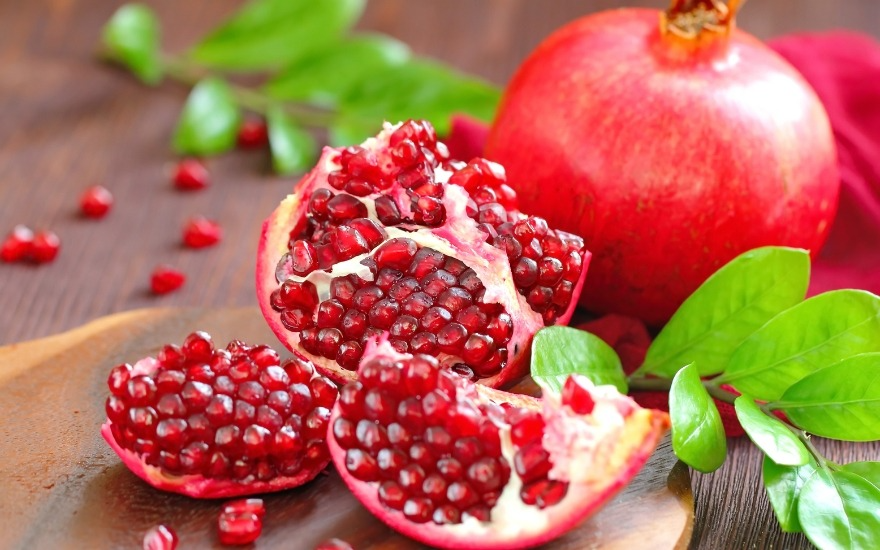
10. Pomegranate
Pomegranate contains polyphenols, anthocyanins and fiber when the seeds are eaten whole. This fruit can help diversify antioxidant sources in the diet.
However, concentrated pomegranate juice or pomegranate extract products should not be used as a substitute for cardiovascular medications or taken indiscriminately by people receiving medical treatment.
Suggested serving size:
- Approximately 100–150 g of pomegranate seeds per serving;
- Can be consumed several times per week as part of a varied diet.
Notes:
- Do not add sugar;
- Limit bottled pomegranate juice or concentrated juice;
- People taking warfarin, anticoagulants or antiplatelet medications should consult a physician or pharmacist before using concentrated pomegranate juice, pomegranate extract or pomegranate-based dietary supplements.
How much fruit should people with cardiovascular disease eat each day?
For many adults, about 2 servings of fruit per day may be appropriate as part of a balanced diet. One serving may be equivalent to one medium-sized fruit or approximately 100–150 g of fresh fruit, depending on the type.
However, actual fruit intake should be individualized based on:
- Age;
- Body weight;
- Physical activity level;
- Weight loss or weight maintenance goals;
- Blood glucose status;
- Kidney function;
- Heart failure or edema status;
- Current medications;
- Total daily carbohydrate intake.
Patients should:
- Eat fresh fruit instead of drinking fruit juice;
- Eat whole fruits to retain fiber;
- Divide portions throughout the day instead of eating a large amount at once;
- Include fruits of different colors;
- Avoid completely replacing green vegetables with fruit;
- Avoid eating fruit with salt, sugar or condensed milk.
Important considerations when people with cardiovascular disease eat fruit
Do not eat unlimited amounts of fruit
Fruit is healthy, but it should not be consumed without limits. Fruits still contain carbohydrates and natural sugars; excessive intake may increase total energy intake, affect blood glucose or be unsuitable for people who need to restrict potassium.
People with heart failure need to count fluid from fruit
People with heart failure, significant edema or those advised by a physician to restrict fluids need to count the water content from high-water fruits such as watermelon, oranges, grapefruit and fruit juices toward their total daily fluid intake.
People taking anticoagulants or cardiovascular medications should consult a physician
People taking warfarin, anticoagulants or antiplatelet medications should consult a physician or pharmacist before using concentrated fruit juices, pomegranate extract, grapefruit, omega-3 supplements or dietary supplements, as these may affect the risk of drug interactions or bleeding in some cases.
People taking statins, blood pressure medications, antiarrhythmic drugs or multiple cardiovascular medications should also ask a physician or pharmacist about grapefruit and grapefruit juice.
Cardiovascular and nutrition counseling at Hong Ngoc General Hospital
Dietary plans for people with cardiovascular disease should be individualized based on blood pressure, blood lipid levels, blood glucose, kidney function, body weight, current medications and daily eating habits.
At Hong Ngoc General Hospital, Cardiology specialists can examine patients, assess risk factors such as hypertension, dyslipidemia, diabetes and overweight/obesity, and provide treatment, nutrition and physical activity counseling tailored to each patient. When needed, cardiologists may coordinate with Nutrition, Endocrinology, Nephrology and Urology, or other relevant specialties to personalize dietary plans and ensure long-term follow-up.
Patients should bring their blood lipid profile, blood glucose and kidney function test results, current prescriptions, home blood pressure log and information about their current diet so that physicians can provide more accurate counseling.

Frequently asked questions
Should people with cardiovascular disease drink fruit juice?
Fresh whole fruits should be prioritized because they retain natural fiber. Fruit juice often contains less fiber and may cause faster sugar absorption. People with diabetes, overweight or triglyceride disorders should limit fruit juice intake.
Should people with heart disease eat grapefruit?
Grapefruit may be consumed if the patient is not taking medications with a potential risk of interaction. People taking certain statins, calcium channel blockers, antiarrhythmic medications, immunosuppressants or multiple cardiovascular medications should consult a physician or pharmacist before eating grapefruit or drinking grapefruit juice regularly.
What fruits should people with hypertension prioritize?
People with hypertension may prioritize fresh, minimally processed fruits such as apples, oranges, kiwi, berries, papaya or bananas if there are no potassium-related contraindications. The key is to consume appropriate portions and combine fruit intake with a low-sodium diet.
Should people with kidney disease eat bananas, oranges, kiwi or avocado?
People with chronic kidney disease or hyperkalemia should consult a physician before regularly eating potassium-rich fruits such as bananas, oranges, kiwi, avocado, papaya, watermelon or pomegranate. They should not increase potassium-rich fruit intake on their own without knowing their kidney function and blood potassium level.
Can people with diabetes eat fruit?
Yes, but they should eat whole fruits, choose appropriate portions and account for total daily carbohydrate intake. They should avoid fruit juice, smoothies with added sugar or eating large amounts of fruit at one time.
Should fruit replace main meals?
No. Fruit should be only one part of a balanced diet and cannot completely replace other food groups such as grains, protein, green vegetables and healthy fats.
Is eating fruit at night harmful to the heart?
There is no general rule stating that eating fruit at night is harmful to the heart. However, patients should avoid eating too much right before bedtime, especially if they have diabetes, gastroesophageal reflux, overweight or need to control energy intake.
Is dried fruit good for people with cardiovascular disease?
Dried fruit may contain more sugar and energy than fresh fruit for the same serving size, especially if sugar-coated. Patients should prioritize fresh fruit and consume dried fruit only in small amounts, choosing unsweetened options when available.
Conclusion
Fruits are a source of fiber, vitamins, minerals and beneficial plant-based compounds in a heart-healthy diet. Patients may choose a variety of fruits such as apples, oranges, kiwi, avocado, berries, bananas, papaya, watermelon, grapefruit and pomegranate, but they should consume appropriate portions and prioritize fresh whole fruits.
Fruits do not replace medications, follow-up visits or an overall dietary plan. People with kidney disease, hyperkalemia, heart failure, diabetes or those taking cardiovascular medications need individualized counseling to choose safe fruit types and serving sizes.