

Sinus arrhythmia is a condition in which the sinus rhythm becomes abnormally fast or slow. In some cases, if not treated early, it may lead to complications such as fainting, sudden cardiac death, or heart failure.
What is sinus rhythm?
Sinus rhythm refers to a complete cycle of activity generated by the sinus node in the heart, which creates the heartbeat. The sinus node is considered the body’s natural pacemaker. Through sinus rhythm, electrical signals are transmitted to initiate each cardiac electrical conduction cycle.
What is sinus arrhythmia?
Sinus arrhythmia is a condition involving abnormal activity of the sinus node, causing the heartbeat to become irregular. The heart may beat too fast, too slowly, or occasionally skip beats.
In sinus tachycardia, the heart rate is greater than 100 beats per minute, while in sinus bradycardia, the heart rate is below 60 beats per minute.
There is also a specific type of arrhythmia known as respiratory sinus arrhythmia. This occurs when the heart rate slows during inhalation and increases during exhalation. This type of sinus arrhythmia is benign and does not harm the body.
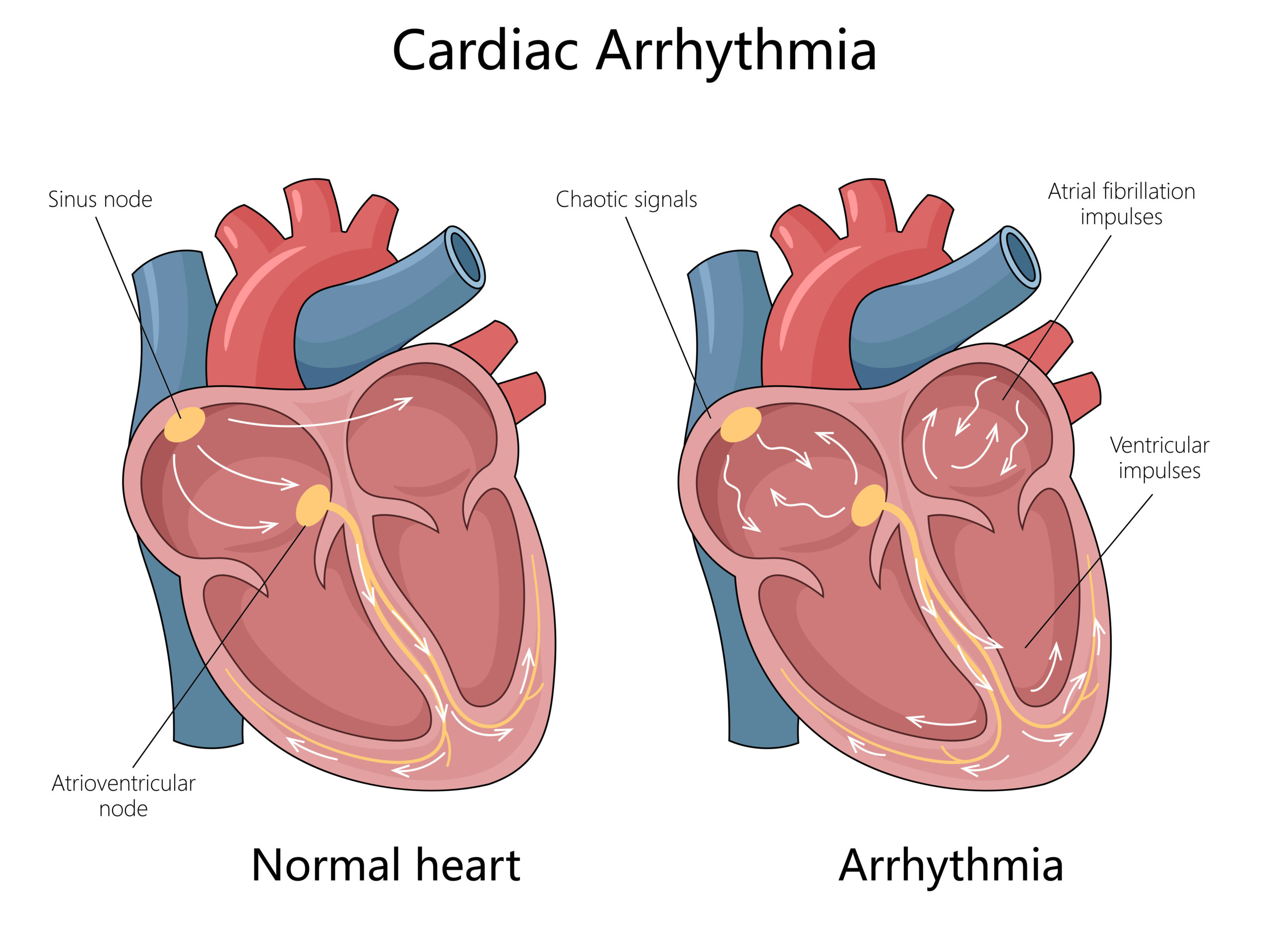
Sinus arrhythmia is a condition in which the heart’s sinus rhythm becomes abnormal, causing the heart to beat too fast, too slowly, or irregularly.
Risk factors for sinus arrhythmia
Several factors may increase the risk of sinus arrhythmia, including:
Regular smoking.
Alcohol consumption.
Frequent caffeine intake.
Excessively intense exercise.
Overweight and obesity.
Use of addictive substances and certain medications.
Viral infections.
A history of heart attack or heart failure.
Symptoms of sinus arrhythmia
Depending on the severity of the arrhythmia and the patient’s overall health condition, symptoms of sinus arrhythmia may vary from person to person.

Slow sinus rhythm may cause symptoms such as shortness of breath and fatigue.
In healthy adults, sinus arrhythmia often does not cause any serious symptoms and is usually detected only when the patient’s heart rate is measured during a routine health checkup or incidentally during an examination for another medical condition.
Respiratory sinus arrhythmia is commonly seen in children. Its typical feature is a change in heart rate associated with the child’s breathing pattern. The heart rate increases during inhalation and slows during exhalation.
In patients with pathological arrhythmia or in older adults, symptoms may become more apparent.
Patients may experience chest tightness and palpitations, accompanied by shortness of breath and fatigue. In some cases, these may be early warning signs of sudden cardiac death.
Sinus arrhythmia can cause the heart rate to become too slow or too fast. In severe cases, reduced blood flow to the body may lead to symptoms such as dizziness, fainting, memory impairment, or speech disturbances.
Sinus tachycardia may lead to myocardial ischemia and sudden cardiac death.
Is sinus arrhythmia dangerous?
Most cases of sinus arrhythmia do not cause serious complications. However, if sinus arrhythmia occurs together with other cardiovascular diseases, the level of risk may be higher and dangerous complications can develop.
Sinus bradycardia may lead to shortness of breath, dizziness, or fainting. Sinus tachycardia may cause the heart to beat too fast, resulting in palpitations, nervousness, or a feeling of fear. If the condition persists over time, it may increase the risk of blood clot formation and atherosclerotic plaque buildup, potentially leading to stroke or heart failure.
How is sinus arrhythmia diagnosed?
Sinus arrhythmia can easily be overlooked because symptoms are sometimes unclear or nonspecific. For an accurate diagnosis, electrocardiography and echocardiography are often used in combination. In many cases, arrhythmia occurs intermittently and may be missed if the examination is not performed at the time of an episode.
Therefore, patients are generally advised to undergo 24 or 48 hour Holter electrocardiogram monitoring to record heart rhythm accurately over a continuous 24 or 48 hour period.
Treatment methods for sinus arrhythmia
Sinus arrhythmia may be benign and cause few complications, but early evaluation and treatment are still recommended. Patients should visit a reputable cardiology department for an accurate diagnosis and appropriate treatment recommendations from a specialist.
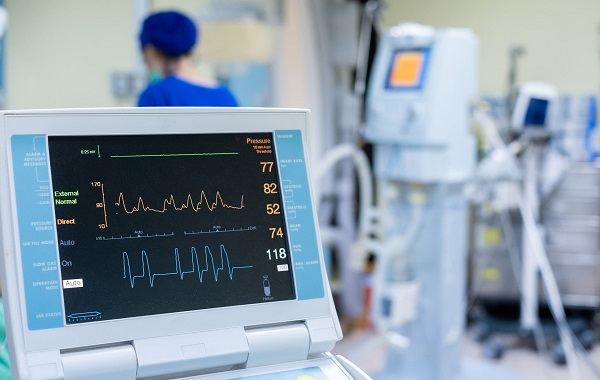
The Cardiology Department at Hong Ngoc General Hospital is proud to be one of Hanoi’s leading trusted medical addresses for the examination and treatment of cardiovascular diseases. The department is staffed by a team of highly qualified and experienced cardiologists with strong expertise in the diagnosis and management of cardiovascular conditions, including:
Dr. Nguyen Van Hai, MSc: An interventional cardiology specialist, former Deputy Head of the Cardiology Department at Saint Paul General Hospital; trained in interventional cardiology at the Vietnam National Heart Institute, Bach Mai Hospital; Chairman of the Scientific Council and Head of the Department of Internal Cardiology at Hop Luc General Hospital.
Dr. Vu Thin, MSc: A cardiologist with more than 20 years of experience at the Vietnam National Heart Institute, Bach Mai Hospital, and Hong Ngoc Hospital.
Dr. Le Thi Thanh Hang, MSc: A cardiologist with more than 20 years of experience at Huu Nghi Hospital.
Dr. Le Dinh Thai, MSc: Head of the Outpatient Department, with more than 10 years of experience at Hong Ngoc Hospital.
Dr. Cao Manh Hung, MSc: A cardiologist with years of experience at the Vietnam National Heart Institute, Bach Mai Hospital, Hanoi Medical University Hospital, and Thanh Hoa Provincial General Hospital.
Dr. Nguyen Thi Lan Anh, MSc: A cardiologist with years of experience at Thanh Nhan Hospital.
The doctors regularly update and apply advanced techniques in the diagnosis and treatment of cardiovascular diseases, including echocardiography, vascular Doppler ultrasound, and CT angiography of the extremities. They have also participated in numerous training courses on the diagnosis and treatment of cardiovascular diseases in countries with advanced medical systems, such as the United States, France, Japan, and Singapore, with the aim of providing patients with high quality cardiovascular care.
Register for a cardiology consultation here:
Cardiology Department, Hong Ngoc General Hospital
55 Yen Ninh Street, Ba Dinh District, Hanoi
No. 8 Chau Van Liem Street, Tu Liem, Hanoi
Consultation and appointment hotline: 0911 858 616
Note: The information provided in this article by Hong Ngoc General Hospital is for reference purposes only and is not intended to replace professional medical diagnosis or treatment. To accurately determine their medical condition, patients should visit a reputable healthcare facility for direct examination by a physician and consultation on an appropriate and effective treatment plan.
Follow the official fanpage of Hong Ngoc General Hospital for more useful health information.
Sinus arrhythmia is a condition in which the sinus rhythm becomes abnormally fast or slow. In some cases, if not treated early, it may lead to complications such as fainting, sudden cardiac death, or heart failure.
What is sinus rhythm?
Sinus rhythm refers to a complete cycle of activity generated by the sinus node in the heart, which creates the heartbeat. The sinus node is considered the body’s natural pacemaker. Through sinus rhythm, electrical signals are transmitted to initiate each cardiac electrical conduction cycle.
What is sinus arrhythmia?
Sinus arrhythmia is a condition involving abnormal activity of the sinus node, causing the heartbeat to become irregular. The heart may beat too fast, too slowly, or occasionally skip beats.
In sinus tachycardia, the heart rate is greater than 100 beats per minute, while in sinus bradycardia, the heart rate is below 60 beats per minute.
There is also a specific type of arrhythmia known as respiratory sinus arrhythmia. This occurs when the heart rate slows during inhalation and increases during exhalation. This type of sinus arrhythmia is benign and does not harm the body.
Sinus arrhythmia is a condition in which the heart’s sinus rhythm becomes abnormal, causing the heart to beat too fast, too slowly, or irregularly.
Risk factors for sinus arrhythmia
Several factors may increase the risk of sinus arrhythmia, including:
Regular smoking.
Alcohol consumption.
Frequent caffeine intake.
Excessively intense exercise.
Overweight and obesity.
Use of addictive substances and certain medications.
Viral infections.
A history of heart attack or heart failure.
Symptoms of sinus arrhythmia
Depending on the severity of the arrhythmia and the patient’s overall health condition, symptoms of sinus arrhythmia may vary from person to person.
Slow sinus rhythm may cause symptoms such as shortness of breath and fatigue.
In healthy adults, sinus arrhythmia often does not cause any serious symptoms and is usually detected only when the patient’s heart rate is measured during a routine health checkup or incidentally during an examination for another medical condition.
Respiratory sinus arrhythmia is commonly seen in children. Its typical feature is a change in heart rate associated with the child’s breathing pattern. The heart rate increases during inhalation and slows during exhalation.
In patients with pathological arrhythmia or in older adults, symptoms may become more apparent.
Patients may experience chest tightness and palpitations, accompanied by shortness of breath and fatigue. In some cases, these may be early warning signs of sudden cardiac death.
Sinus arrhythmia can cause the heart rate to become too slow or too fast. In severe cases, reduced blood flow to the body may lead to symptoms such as dizziness, fainting, memory impairment, or speech disturbances.
Sinus tachycardia may lead to myocardial ischemia and sudden cardiac death.
Is sinus arrhythmia dangerous?
Most cases of sinus arrhythmia do not cause serious complications. However, if sinus arrhythmia occurs together with other cardiovascular diseases, the level of risk may be higher and dangerous complications can develop.
Sinus bradycardia may lead to shortness of breath, dizziness, or fainting. Sinus tachycardia may cause the heart to beat too fast, resulting in palpitations, nervousness, or a feeling of fear. If the condition persists over time, it may increase the risk of blood clot formation and atherosclerotic plaque buildup, potentially leading to stroke or heart failure.
How is sinus arrhythmia diagnosed?
Sinus arrhythmia can easily be overlooked because symptoms are sometimes unclear or nonspecific. For an accurate diagnosis, electrocardiography and echocardiography are often used in combination. In many cases, arrhythmia occurs intermittently and may be missed if the examination is not performed at the time of an episode.
Therefore, patients are generally advised to undergo 24 or 48 hour Holter electrocardiogram monitoring to record heart rhythm accurately over a continuous 24 or 48 hour period.
Treatment methods for sinus arrhythmia
Sinus arrhythmia may be benign and cause few complications, but early evaluation and treatment are still recommended. Patients should visit a reputable cardiology department for an accurate diagnosis and appropriate treatment recommendations from a specialist.
The Cardiology Department at Hong Ngoc General Hospital is proud to be one of Hanoi’s leading trusted medical addresses for the examination and treatment of cardiovascular diseases. The department is staffed by a team of highly qualified and experienced cardiologists with strong expertise in the diagnosis and management of cardiovascular conditions, including:
Dr. Nguyen Van Hai, MSc: An interventional cardiology specialist, former Deputy Head of the Cardiology Department at Saint Paul General Hospital; trained in interventional cardiology at the Vietnam National Heart Institute, Bach Mai Hospital; Chairman of the Scientific Council and Head of the Department of Internal Cardiology at Hop Luc General Hospital.
Dr. Vu Thin, MSc: A cardiologist with more than 20 years of experience at the Vietnam National Heart Institute, Bach Mai Hospital, and Hong Ngoc Hospital.
Dr. Le Thi Thanh Hang, MSc: A cardiologist with more than 20 years of experience at Huu Nghi Hospital.
Dr. Le Dinh Thai, MSc: Head of the Outpatient Department, with more than 10 years of experience at Hong Ngoc Hospital.
Dr. Cao Manh Hung, MSc: A cardiologist with years of experience at the Vietnam National Heart Institute, Bach Mai Hospital, Hanoi Medical University Hospital, and Thanh Hoa Provincial General Hospital.
Dr. Nguyen Thi Lan Anh, MSc: A cardiologist with years of experience at Thanh Nhan Hospital.
The doctors regularly update and apply advanced techniques in the diagnosis and treatment of cardiovascular diseases, including echocardiography, vascular Doppler ultrasound, and CT angiography of the extremities. They have also participated in numerous training courses on the diagnosis and treatment of cardiovascular diseases in countries with advanced medical systems, such as the United States, France, Japan, and Singapore, with the aim of providing patients with high quality cardiovascular care.
Register for a cardiology consultation here:
Cardiology Department, Hong Ngoc General Hospital
55 Yen Ninh Street, Ba Dinh District, Hanoi
No. 8 Chau Van Liem Street, Tu Liem, Hanoi
Consultation and appointment hotline: 0911 858 616
Note: The information provided in this article by Hong Ngoc General Hospital is for reference purposes only and is not intended to replace professional medical diagnosis or treatment. To accurately determine their medical condition, patients should visit a reputable healthcare facility for direct examination by a physician and consultation on an appropriate and effective treatment plan.
Follow the official fanpage of Hong Ngoc General Hospital for more useful health information.
Để lại câu hỏi của bạn để nhận được giải đáp từ các bác sĩ của Hồng Ngọc
Lorem ipsum dolor
Lorem ipsum dolor sit amet, consectetur adipiscing elit. Mauris odio lectus, pretium faucibus nisi eu, accumsan consectetur orci. In blandit vehicula nisl, vel lacinia ligula finibus a. Donec fermentum rhoncus