


Hypertension is one of the major risk factors for cardiovascular disease, stroke and kidney disease. In addition to taking medications as prescribed, dietary modification plays an important role in long-term blood pressure control. Among nutritional approaches, the DASH diet, Dietary Approaches to Stop Hypertension, is a dietary pattern recommended by many health organizations for people with hypertension or cardiovascular risk.
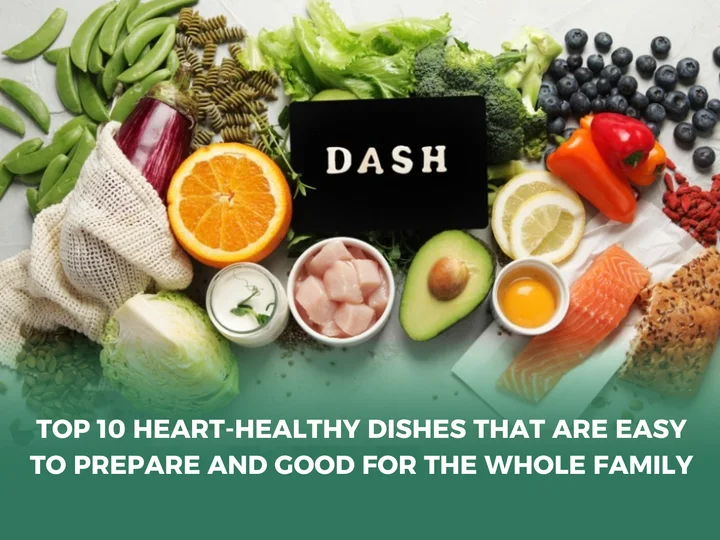
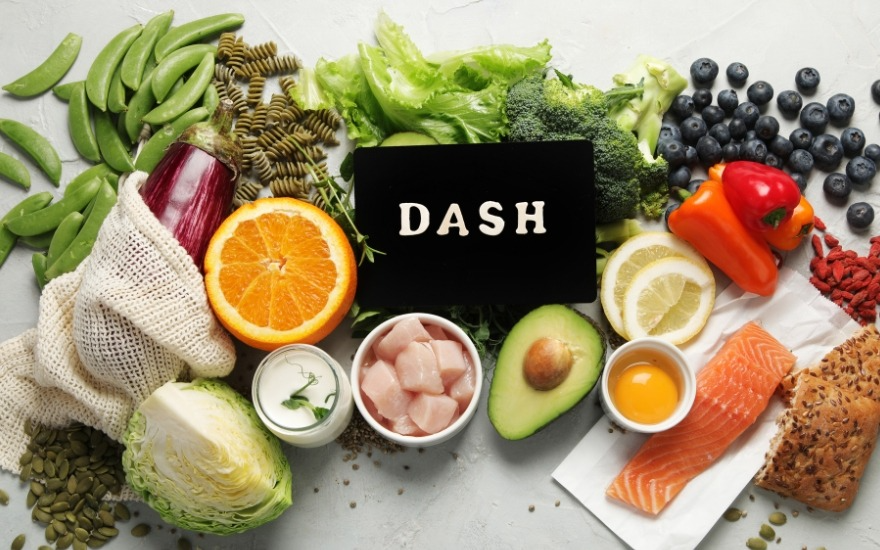
DASH is not a short-term weight loss diet. It is a balanced dietary pattern that prioritizes green vegetables, fruits, whole grains, low-fat dairy products, fish, skinless poultry, legumes and unsalted nuts and seeds, while limiting sodium, processed foods, saturated fat, trans fat and sugar-sweetened beverages.
Quick answer
The DASH diet is a nutritional pattern that helps support blood pressure control by reducing sodium intake and increasing green vegetables, fruits, whole grains, low-fat dairy products, healthy protein sources and fiber. When combined with medications taken as prescribed, appropriate physical activity, weight control and regular follow-up visits, DASH may help reduce the risk of cardiovascular complications. People with kidney disease, heart failure, diabetes or those taking medications that affect potassium levels should consult a physician before increasing potassium-rich foods or using salt substitutes on their own.
Professional medical consultation
Vu Thi Thin, MD, MSc, Resident Doctor - Cardiology Department, Hong Ngoc Phuc Truong Minh General Hospital.
Medical note
This article is for informational purposes only and is not a substitute for medical diagnosis, treatment or individualized nutritional counseling from a physician. People with hypertension, heart failure, chronic kidney disease, diabetes, hyperkalemia, or those taking diuretics, angiotensin-converting enzyme inhibitors, angiotensin receptor blockers, potassium-sparing medications or other cardiovascular drugs should consult a physician before making major dietary changes, increasing potassium-rich foods or using salt substitutes.
Patients should not stop antihypertensive medications on their own when following the DASH diet.
Quick summary
What is the DASH diet?
DASH, Dietary Approaches to Stop Hypertension, is a dietary pattern developed to help support blood pressure control in people with hypertension or those at risk of cardiovascular disease. Unlike extreme diets, DASH is a balanced, flexible nutritional model that can be maintained long term.
According to the principles of the DASH diet, people following this approach should prioritize:
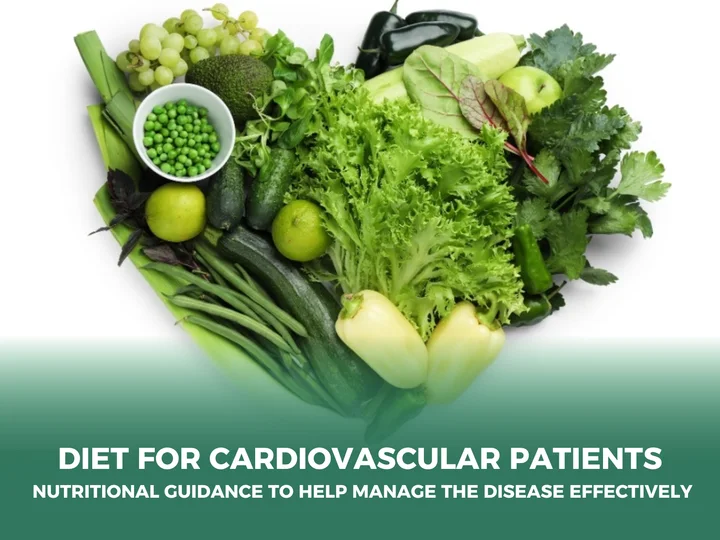
- Green vegetables;
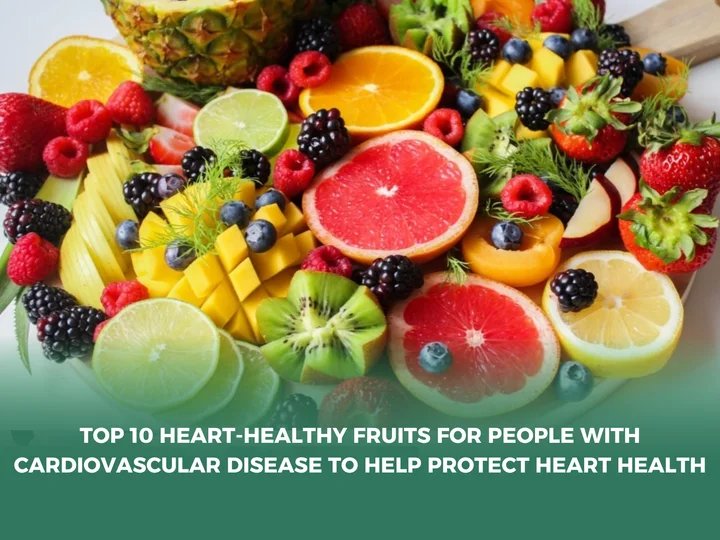
- Fresh, whole fruits;
- Whole grains;
- Low-fat or fat-free milk and dairy products;
- Fish;
- Skinless poultry;
- Legumes;
- Unsalted nuts and seeds;
- Plant-based oils in moderate amounts.
At the same time, they should limit:
- Salt and high-sodium foods;
- Excessive use of fish sauce, soy sauce and seasoning powders;
- Processed meats;
- High-sodium canned foods;
- Instant noodles;
- Sugar-sweetened beverages;
- Saturated fat;
- Foods containing trans fat;
- Fried foods and fast food.

Key point to remember: DASH is not simply about “eating less salt.” It is an overall dietary pattern that helps reduce sodium intake, increase fiber-rich foods, prioritize healthy fats and limit processed foods.
Why can DASH help support blood pressure control?
The DASH diet can help support blood pressure control by reducing sodium intake, increasing fiber-rich foods and prioritizing healthy food sources. Its actual effectiveness depends on baseline blood pressure, sodium intake, body weight, physical activity level, current medications and adherence.
DASH does not work through a single food, but through an overall dietary pattern that:
- Reduces sodium from salt, dipping sauces and processed foods;
- Increases green vegetables, whole fruits and whole grains;
- Adds low-fat dairy products, legumes, nuts and seeds, and protein sources low in saturated fat;
- Supports weight control;
- Helps support blood lipid and blood glucose control;
- Reduces sugar-sweetened beverages, fried foods and ultra-processed foods.
These factors are closely related to blood pressure and cardiovascular risk. Therefore, DASH is often considered an important part of lifestyle modification for people with hypertension.
Reference daily DASH servings
The table below provides reference servings for a DASH dietary pattern of approximately 2,000 kcal per day. It should not be applied exactly to everyone. People who are underweight, overweight, have diabetes, kidney disease, heart failure or different energy needs should have their portions adjusted.
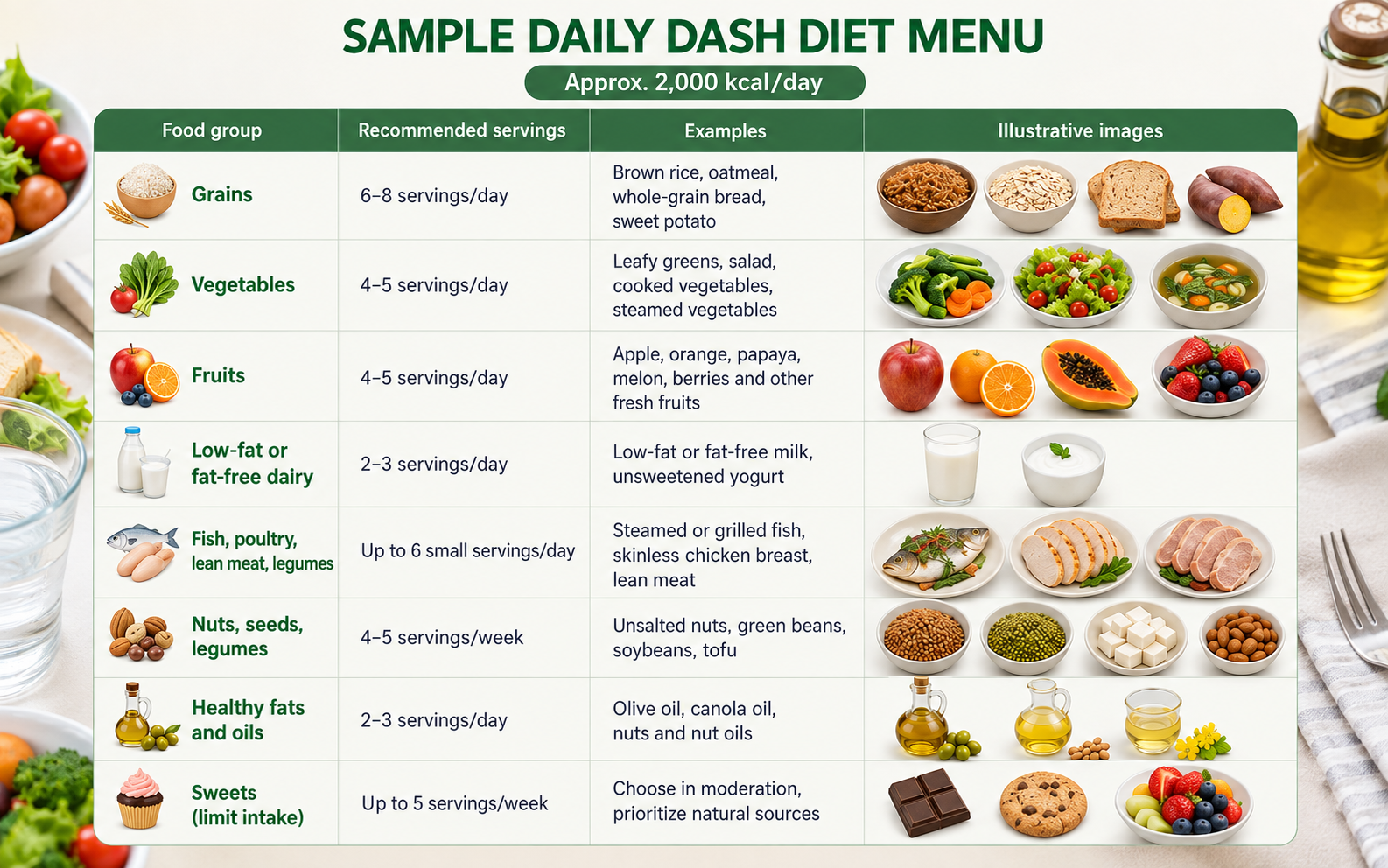
If the patient needs weight loss, blood glucose control, potassium or phosphorus restriction, or fluid management, the physician may adjust the number of servings in each food group.
Principles for building a DASH diet
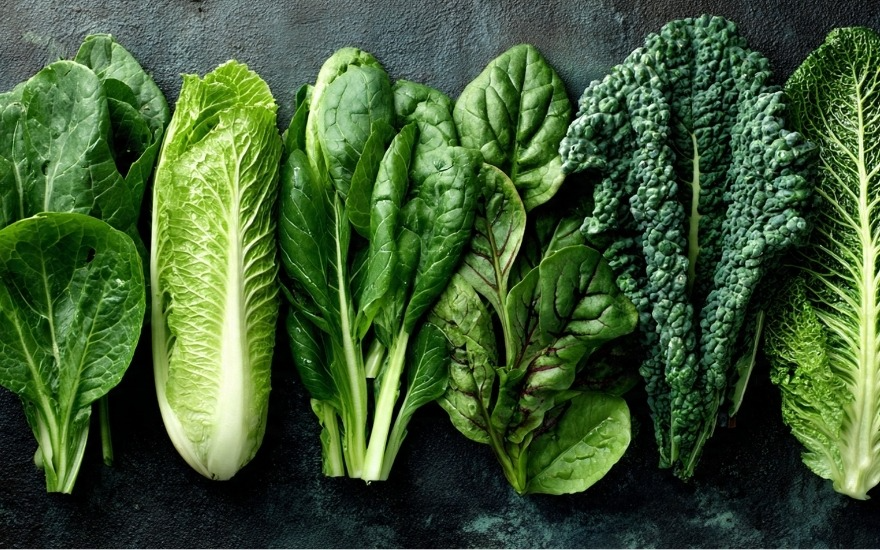
1. Increase vegetables and fruits, but individualization is needed
Vegetables and fruits provide fiber, vitamins, minerals and beneficial plant-based compounds. They are important food groups in the DASH diet.
Patients should prioritize:
- Leafy green vegetables;
- Broccoli;
- Winter melon;
- Carrots;
- Tomatoes;
- Cucumbers;
- Apples;
- Oranges;
- Papaya;
- Berries;
- Whole fruits instead of fruit juices.
However, certain potassium-rich fruits and vegetables, such as bananas, oranges, avocado, coconut water, dark leafy greens or legumes, may need to be adjusted in patients with chronic kidney disease, hyperkalemia or those taking medications that affect potassium levels.
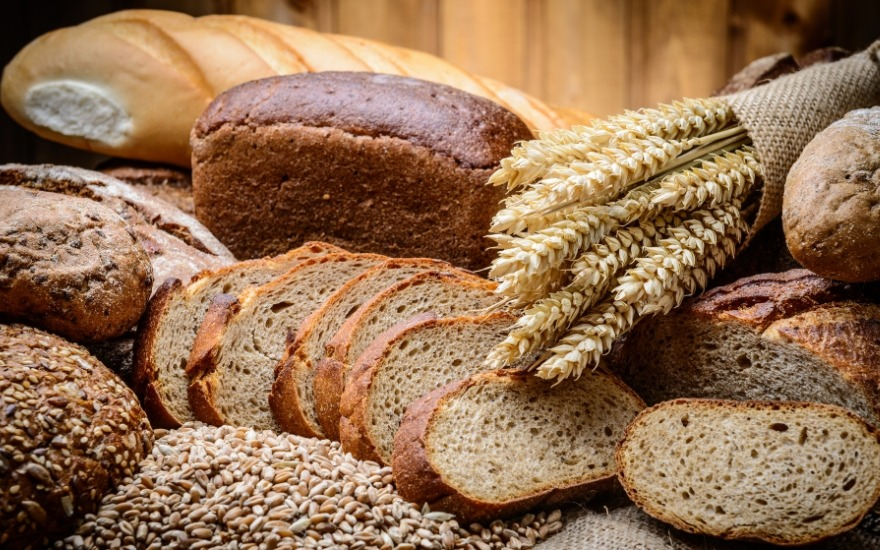
2. Prioritize whole grains
Whole grains provide fiber, B vitamins and minerals. Replacing part of refined starches with whole grains may help patients feel full for longer and support weight control.
Possible choices include:
- Brown rice;
- Oats;
- Whole-wheat bread;
- Sweet potatoes;
- Corn;
- Quinoa, if appropriate.
People with diabetes still need to account for total daily carbohydrate intake from rice, oats, potatoes, corn and fruits. Brown rice and whole grains are better choices than refined grains, but excessive intake can still raise blood glucose levels.
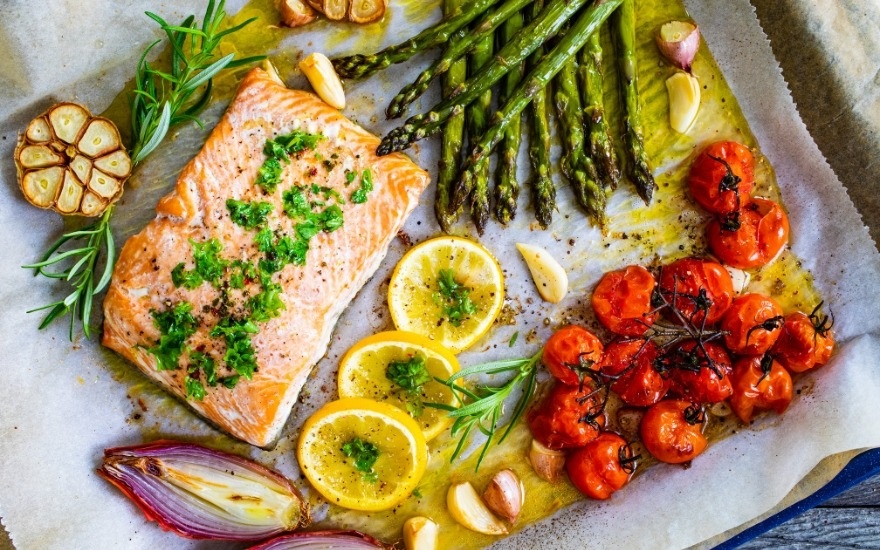
3. Choose protein sources low in saturated fat
In the DASH diet, patients should prioritize healthy protein sources that are lower in saturated fat than fatty red meats or processed meats.
Patients should prioritize:
- Fish;
- Skinless poultry;
- Tofu;
- Soybeans;
- Lentils;
- Mung beans;
- Low-fat or fat-free milk and dairy products;
- Eggs in appropriate amounts if there are no contraindications.
Patients should limit:
- Fatty red meat;
- Animal organs;
- Sausages;
- Bacon;
- Ham;
- Fried foods;
- High-sodium processed foods.
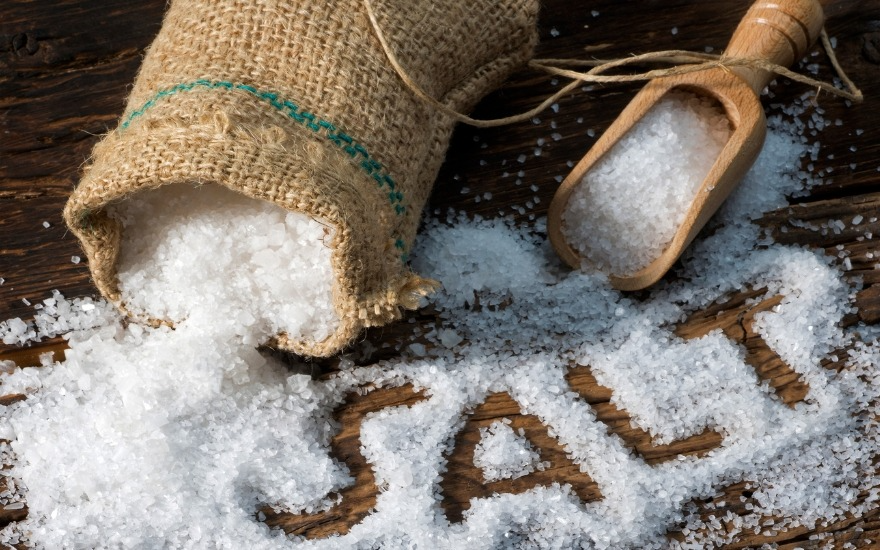
4. Control sodium intake
Reducing sodium is an important principle of the DASH diet. According to the World Health Organization (WHO), adults should consume less than 2,000 mg of sodium per day, equivalent to less than 5 g of salt per day.
To reduce sodium intake, patients should:
- Season foods more lightly when cooking;
- Limit fish sauce, soy sauce and dipping salt;
- Avoid pouring dipping sauces into rice or soup;
- Read nutrition labels on packaged foods;
- Limit instant noodles, canned foods, sausages and cold cuts;
- Avoid drinking all the broth when eating pho, vermicelli or noodles outside the home;
- Prioritize fresh foods.
Do not use salt substitutes without medical guidance
Some reduced-sodium salt substitutes contain potassium chloride. Patients with chronic kidney disease, hyperkalemia, heart failure, or those taking angiotensin-converting enzyme inhibitors, angiotensin receptor blockers, potassium-sparing diuretics or other medications that affect potassium levels should not use them without a physician’s approval.
5. Limit added sugar and saturated fat
High intake of added sugar and saturated fat may contribute to weight gain, elevated triglycerides, dyslipidemia and more difficult blood pressure control.
Patients should limit:
- Soft drinks;
- Milk tea;
- Energy drinks;
- Cakes and candies;
- Condensed milk;
- High-sugar desserts;
- Fried foods;
- Butter;
- Animal fat;
- Poultry skin;
- Fast food;
- Foods containing trans fat.

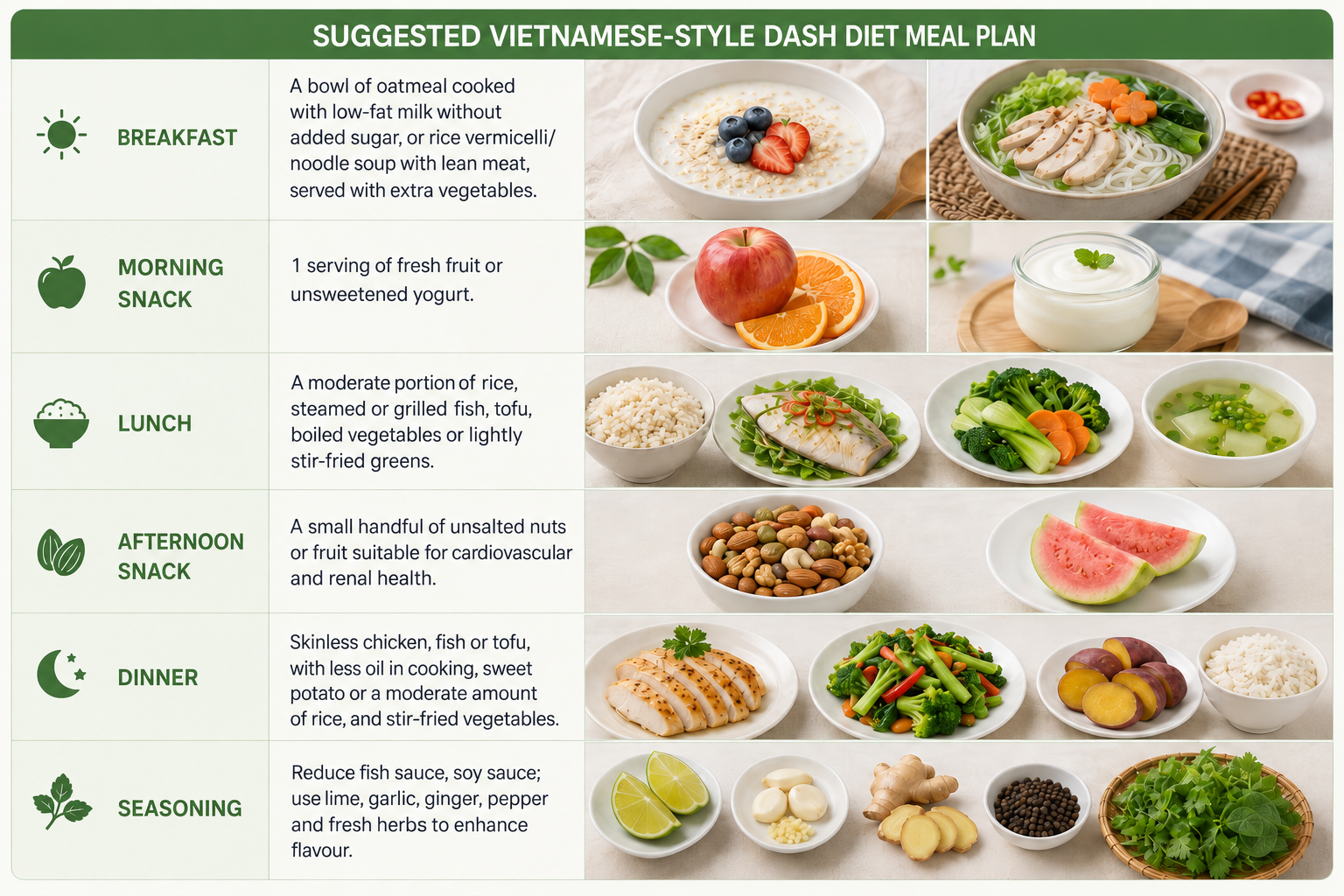
Suggested one-day DASH meal plan based on Vietnamese meals
The meal plan below is for reference only and applies to clinically stable adults. Actual portions should be adjusted based on age, body weight, physical activity level, blood pressure goals, blood glucose, kidney function, heart failure status and current medications.
Notes when applying a DASH meal plan
- People with diabetes need to account for carbohydrates from rice, vermicelli, glass noodles, oats, potatoes, fruits and milk.
- People with kidney disease should consult a physician about potassium, phosphorus, protein and fluid intake.
- People with heart failure should consult a physician about appropriate salt intake and the amount of water, soup and milk they can consume.
- People aiming to lose weight need to adjust total energy intake and avoid consuming excessive amounts of nuts, avocado, oils or starches.
- People with hypertension should monitor blood pressure at home to track their response.
Common mistakes when following the DASH diet
Reducing salt while overlooking other principles
Many people think that DASH simply means eating less salt. In fact, reducing sodium is only one component. DASH also requires increasing green vegetables, whole fruits, whole grains and healthy protein sources, while limiting processed foods.
If patients reduce salt but continue to consume large amounts of fried foods, sweets, processed meats, too few vegetables or maintain a sedentary lifestyle, blood pressure control may not be as effective as expected.
Eating too much fruit or drinking too much fruit juice
Fruit is an important component of the DASH diet, but it should not be consumed without limits. Fruits still contain carbohydrates and natural sugars.
Patients should:
- Eat whole fruits;
- Divide portions into smaller servings;
- Limit fruit juice;
- Avoid adding sugar, condensed milk or syrup;
- Account for carbohydrates if they have diabetes;
- Consult a physician about potassium intake if they have kidney disease or hyperkalemia.

Completely eliminating fat
The DASH diet does not require complete fat avoidance. The body still needs fat to absorb fat-soluble vitamins and maintain normal physiological functions.
The key is to prioritize unsaturated fats from plant-based oils, fish, avocado and unsalted nuts and seeds, while limiting animal fat, butter, fried foods and fast food.
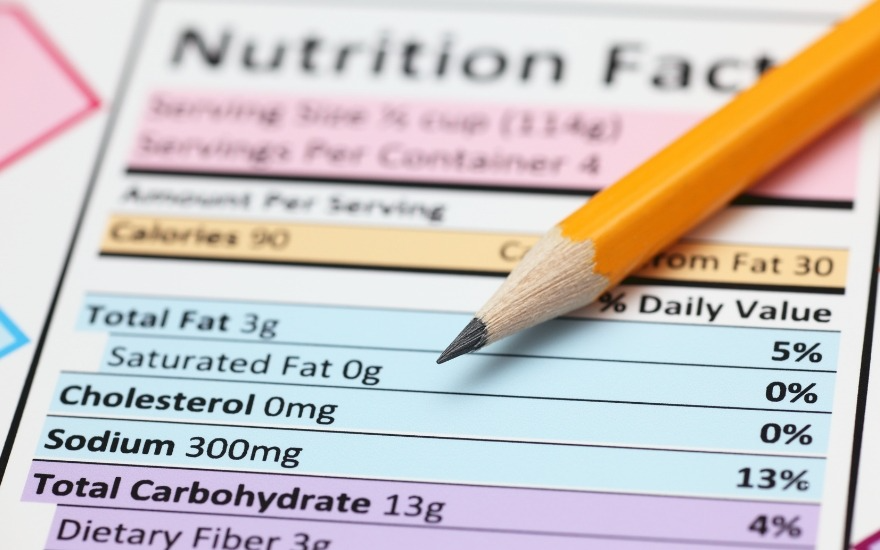
Not reading nutrition labels
A large amount of sodium can come from processed foods, not only from salt added during cooking. People following the DASH diet should develop the habit of reading nutrition labels and pay attention to:
- Sodium;
- Serving size;
- Added sugar;
- Saturated fat;
- Trans fat;
- Ingredients such as seasoning powder, MSG, baking soda or sodium-containing compounds.
Stopping medication without medical advice when blood pressure improves
The DASH diet can help support blood pressure control, but it does not replace medication. Patients should not reduce the dose or stop antihypertensive medications without a physician’s indication, even if their blood pressure improves after lifestyle changes.
Who should follow the DASH diet?
The DASH diet may be suitable for many groups, especially:
- People with hypertension;
- People with prehypertension or unstable elevated blood pressure;
- People with dyslipidemia;
- People with overweight or obesity;
- People with coronary artery disease;
- People with a family history of cardiovascular disease;
- People who want to prevent cardiovascular disease;
- People who habitually consume high amounts of salt, dipping sauces or processed foods.
However, people with underlying conditions such as kidney disease, heart failure or diabetes, or those taking multiple medications, need an individualized dietary plan.
Cases that require adjustment of the DASH diet
People with chronic kidney disease or hyperkalemia
The DASH diet is often higher in potassium, magnesium and phosphorus than a standard diet. People with chronic kidney disease, hyperkalemia or those taking medications that affect potassium levels should not independently increase their intake of bananas, oranges, avocado, coconut water, dark leafy greens, legumes or nuts and seeds, or use salt substitutes without consulting a physician.
People with heart failure
People with heart failure, significant edema or shortness of breath when lying down should consult a physician about appropriate salt and fluid intake. They should not independently increase water, soup, milk, fruit juice or high-water fruits if they have been advised to restrict fluids.
People with diabetes
People with diabetes can still follow the DASH diet, but they need to account for total carbohydrate intake from rice, oats, potatoes, fruits and milk. Brown rice and whole fruits are better choices than refined options, but excessive intake can still raise blood glucose levels.

People taking medications that affect potassium levels
People taking angiotensin-converting enzyme inhibitors, angiotensin receptor blockers, potassium-sparing diuretics or other medications that may affect blood potassium levels should consult a physician before increasing potassium-rich foods or using salt substitutes.
DASH counseling and blood pressure control at Hong Ngoc General Hospital
Applying the DASH diet should be based on each patient’s specific condition, including blood pressure levels, blood lipid profile, blood glucose, kidney function, body weight, current medications and daily eating habits.
At Hong Ngoc General Hospital, Cardiology specialists can examine patients and assess blood pressure, blood lipid levels, blood glucose, kidney function, body weight and related risk factors. When needed, cardiologists may coordinate with Nutrition, Endocrinology, Nephrology and Urology, or other relevant specialties to provide DASH diet counseling, medication planning, physical activity guidance and long-term follow-up tailored to each patient.
Patients should bring their home blood pressure log, blood lipid profile, blood glucose and kidney function test results, current prescriptions and information about their current diet so that physicians can provide more accurate counseling.

Frequently asked questions
Can the DASH diet replace antihypertensive medications?
No. DASH is a supportive measure for blood pressure control and does not replace medical treatment. Patients should follow their physician’s instructions and should not stop medication on their own.
How long does it take for DASH to be effective?
Some people may notice improved blood pressure after a few weeks of reducing sodium intake and following the DASH diet, but the effect varies from person to person. Patients still need to monitor blood pressure at home, take medications as prescribed and attend follow-up visits.
Should people with normal blood pressure follow the DASH diet?
Yes. DASH is not only for people with hypertension; it is also suitable for healthy individuals who want to prevent cardiovascular disease and build a balanced diet. However, portion sizes should still match each person’s energy needs and health status.
Is complete salt avoidance necessary when following DASH?
No. DASH does not require complete elimination of salt. Instead, it focuses on controlling sodium intake according to recommendations. Patients should reduce salt, salty dipping sauces and processed foods rather than follow an extremely salt-free diet.
Can people with kidney disease follow DASH?
They may be able to, but adjustments are needed. DASH is often higher in potassium, phosphorus and plant-based protein than a standard diet. People with kidney disease should consult a physician about appropriate intake of fruits and vegetables, legumes, nuts and seeds, dairy products, protein and salt.
Can people with diabetes follow DASH?
Yes. People with diabetes need to control total carbohydrate intake from rice, potatoes, oats, fruits and milk. They should prioritize minimally processed foods, divide portions appropriately and monitor blood glucose.
Should reduced-sodium salt be used when following DASH?
It should not be used without medical guidance. Some reduced-sodium salts contain potassium chloride, which may not be suitable for people with kidney disease, hyperkalemia, heart failure or those taking medications that affect potassium levels. Patients should consult a physician before use.
Conclusion
The DASH diet is a recommended nutritional pattern that helps support blood pressure control and reduce cardiovascular risk. By reducing sodium intake, increasing green vegetables, whole fruits, whole grains, low-fat dairy products and healthy protein sources, and limiting processed foods, DASH can become an important part of a long-term hypertension management plan.
To apply it effectively, patients should combine DASH with medications taken as prescribed, home blood pressure monitoring, appropriate physical activity, weight control and regular follow-up visits. People with kidney disease, heart failure, diabetes or those taking medications that affect potassium levels should receive individualized medical counseling before making dietary changes.