



Dehydration is one of the common yet often overlooked health concerns in older adults. On hot days, even mild fluid deficiency may cause older adults to experience fatigue, dizziness, low blood pressure, confusion, or worsening of underlying cardiovascular disease, kidney disease, and diabetes.
However, hydration in older adults is not simply a matter of “the more water, the better.” Appropriate fluid intake should be individualized based on body weight, weather conditions, physical activity level, diet, and underlying medical conditions such as heart failure, kidney disease, cirrhosis, or edema.

Medical disclaimer: This article is for informational purposes only and does not replace medical advice from a doctor. Older adults with heart failure, kidney disease, cirrhosis, edema, those taking diuretics, or those who have been advised to restrict fluid intake should consult their doctor about the appropriate amount of water for their condition. If confusion, fainting, very little urination, shortness of breath, rapidly worsening swelling, or inability to drink water occurs, medical evaluation or emergency care should be sought promptly.
Quick answer: For healthy older adults, a general reference range is about 1.5–2 liters of fluid per day from beverages, equivalent to approximately 6–8 cups. Actual needs may be higher or lower depending on body weight, weather conditions, physical activity level, and diet. In addition to drinking water, total fluid intake also comes from soups, milk, porridge, vegetables, fruits, and water-rich foods. Older adults should not wait until they feel thirsty to drink, as thirst sensation often declines with age.
Key point: Older adults should drink enough fluids and distribute intake evenly throughout the day. Drinking too much water close to bedtime should be limited to help reduce nocturia, which can disrupt sleep and increase the risk of falls when using the bathroom at night. People with heart failure, kidney disease, cirrhosis, or edema should not increase fluid intake on their own without consulting a doctor.
Professional consultation: This article was professionally reviewed by a general internal medicine specialist at Hong Ngoc General Hospital. Last updated: May 20, 2026.
Quick summary of the article
Why are older adults more prone to dehydration?
Older adults are more prone to dehydration than younger people due to a range of natural physiological changes in the body. The U.S. National Institute on Aging also notes that older adults are at higher risk of dehydration, particularly during hot weather, periods of poor food and fluid intake, or acute illness.
Thirst sensation declines with age
In younger people, when the body’s fluid level decreases, the brain quickly sends thirst signals to prompt fluid intake. However, as people age, the body’s mechanism for regulating thirst may become less sensitive.
As a result, many older adults may not feel clearly thirsty even when their body has already begun to lose fluid. Some may only drink water when they develop marked dry mouth, dizziness, severe fatigue, or very little urination. By that point, dehydration may have already been present for several hours.
Therefore, older adults should not rely on thirst as the only signal to drink water. A safer approach is to maintain the habit of drinking fluids regularly throughout the day.
Kidney function gradually declines
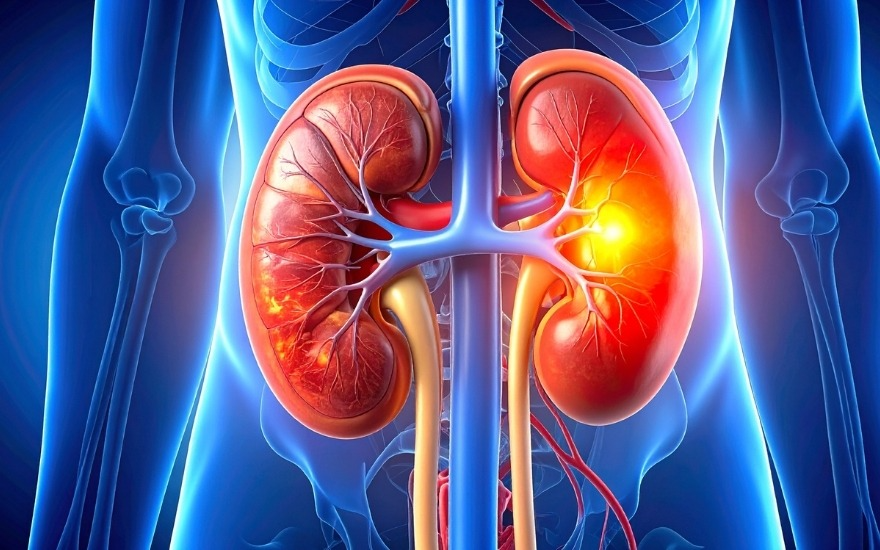
The kidneys play an important role in conserving water, filtering waste products, and maintaining electrolyte balance. With aging, the kidneys’ ability to concentrate urine and regulate fluid and salt balance may gradually decline.
This makes it more difficult for older adults to conserve water as effectively as younger people. On hot days, when the body loses fluid through sweating, the kidneys have to work harder to help maintain circulation and blood pressure, while their ability to retain water and maintain fluid balance may no longer be as efficient. Without adequate fluid replacement, patients may be more likely to experience reduced urination, dark-colored urine, dizziness, or low blood pressure.
In people with chronic kidney disease, this risk is even higher, and individualized medical guidance on appropriate fluid intake is needed.
The body’s water percentage decreases
In younger adults, water typically accounts for about 50–60% of body weight. With aging, muscle mass gradually decreases while fat mass tends to increase. Because fat tissue contains less water than muscle tissue, the body’s total water reserve also declines.
In other words, older adults have a smaller “fluid reserve.” Even a few hours of fever, diarrhea, poor food and fluid intake, or heavy sweating may cause the body to become dehydrated more quickly.
Medications may increase the risk of dehydration
Many older adults take medications to manage hypertension, heart failure, diabetes, or kidney disease. Some of these medications may increase fluid excretion or affect the body’s fluid and electrolyte balance.
For example, diuretics increase the excretion of water and salt through urine. If a patient drinks too little water, has poor food and fluid intake, or sweats heavily on a hot day, the risk of dehydration and electrolyte imbalance may be higher.
Patients should not stop their medications on their own during hot weather. If dizziness, low blood pressure, reduced urination, severe fatigue, confusion, or persistent dry mouth occurs, they should consult their doctor for proper evaluation and safe adjustment if needed.

Who is at higher risk of dehydration during summer?
Certain groups of older adults require closer monitoring because their risk of dehydration may be higher than usual.
Older adults living alone
Older adults who live alone may be more likely to forget to drink water, have irregular meals, or go unnoticed when abnormal signs develop. On hot days, if fatigue, dizziness, or confusion occurs, the patient may not be detected and supported in time.
Family members should call or check on them regularly, especially during prolonged heat waves.
People with dementia, Parkinson’s disease, or limited mobility
People with dementia may forget to drink water, fail to recognize thirst, or be unable to express discomfort clearly. Those with Parkinson’s disease, a history of stroke, or limited mobility may have difficulty getting water, drinking independently, or responding to their fluid needs in time.
For this group, caregivers should schedule regular drinking times and keep a water bottle within easy reach and in a visible place.
People who intentionally drink less water because of fear of nocturia
Many older adults reduce their water intake because they are afraid of nocturia, sleep disruption, or falls when going to the bathroom at night. However, drinking too little water throughout the day may lead to dehydration, constipation, dizziness, and low blood pressure.
A more appropriate approach is to drink enough fluids during the daytime, gradually reduce fluid intake close to bedtime, and ensure that the path to the bathroom at night is well lit and safe.
People with fever, diarrhea, vomiting, or poor food and fluid intake
Fever causes the body to lose more fluid through sweating and faster breathing. Diarrhea, vomiting, or poor food and fluid intake can also rapidly reduce the amount of fluid entering the body.
If an older adult has fever, diarrhea, or vomiting together with reduced urination, dry mouth, severe fatigue, or confusion, early medical evaluation is needed because the risk of dehydration and electrolyte imbalance is higher.

People with poorly controlled diabetes
When blood glucose levels are high, the body may excrete glucose through urine, drawing more water out through osmotic diuresis and increased kidney workload. Patients may experience frequent urination, excessive thirst, fatigue, dry mouth, and a higher risk of dehydration.
During hot weather, people with diabetes should monitor their blood glucose, maintain appropriate fluid intake, and seek medical evaluation if they experience frequent urination, severe fatigue, weight loss, or signs of dehydration.
People taking diuretics
Diuretics are commonly used to treat hypertension, heart failure, or certain kidney diseases. These medications increase the excretion of water and salt through urine. In hot weather, if patients sweat heavily or do not drink enough water, the risk of dehydration and electrolyte imbalance may increase.
Therefore, patients should not stop taking their medication on their own. They should consult their doctor if dizziness, low blood pressure, or reduced urination occurs.

How much water should older adults drink each day?
There is no single number that applies to all older adults. The amount of water an older person needs depends on body weight, sex, diet, physical activity level, weather conditions, current medications, and underlying medical conditions.
Healthy older adults
For healthy older adults, a general reference range is about 1.5–2 liters of fluid per day from beverages, equivalent to approximately 6–8 cups, depending on individual needs. This amount may vary according to body weight, diet, physical activity level, weather conditions, and overall health status. Fluids do not include only plain water, but may also include milk, broth, soup, thin porridge, or other suitable beverages.
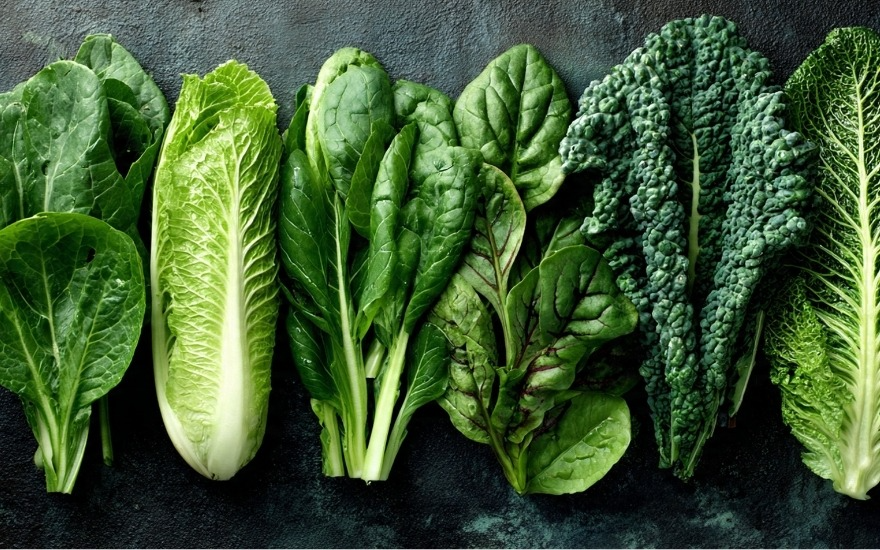
Total water intake also comes from foods such as green vegetables, fruits, porridge, soups, yogurt, watermelon, oranges, grapefruit, or cucumbers. Therefore, older adults who consume more soups, vegetables, and fruits may receive a considerable amount of water from their meals.
Importantly, the range of 1.5–2 liters should not be understood as a fixed target for everyone. People with a smaller body size or low physical activity may need less, while those who sweat heavily, spend time outdoors, or eat a drier diet may need more.

Can fluid intake be calculated based on body weight?
A commonly used reference formula is approximately 30–35 ml of fluid per kilogram of body weight per day in people without contraindications related to heart, kidney, or liver disease.
For example, a person weighing 60 kg may need approximately:
60 × 30–35 ml = 1.8–2.1 liters per day
However, this is only a reference range for healthy individuals. People with heart failure, kidney disease, cirrhosis, edema, or those who have been advised to restrict fluid intake should not apply this formula on their own and should consult their doctor.
Warning signs of dehydration in older adults
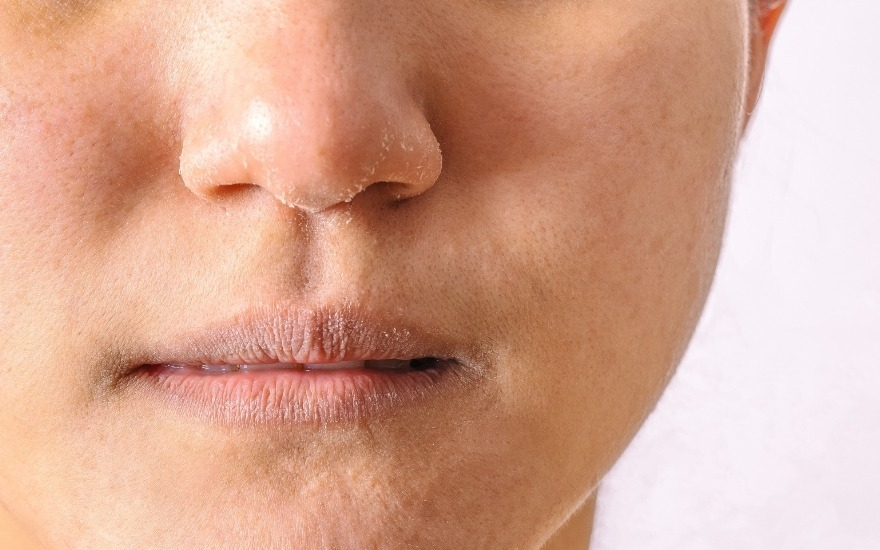
Dry mouth and dry lips
Dry mouth, dry lips, or a sticky sensation in the mouth are common early signs of dehydration. However, in older adults, these symptoms are often overlooked or considered a normal age-related change.
If dry mouth is accompanied by reduced urination, dark yellow urine, fatigue, or dizziness, dehydration should be considered, rather than simply applying lip balm or drinking a few sips of water and ignoring the symptom.
Reduced urination or dark yellow urine
When the body is dehydrated, the kidneys try to conserve water, causing urine output to decrease and urine color to become darker. Although urine color may also be affected by medications, vitamins, or certain medical conditions, it remains a relatively easy sign to monitor at home when assessing possible dehydration in older adults.
If an older adult urinates very little for several hours, has persistently dark-colored urine, and also develops dry mouth, severe fatigue, or dizziness, close monitoring is needed and medical evaluation should be considered. If the patient produces almost no urine for several hours, especially in those with kidney disease or diabetes, early medical assessment is necessary.
Dizziness or lightheadedness when standing up
When the body lacks fluid, circulating blood volume may decrease, making blood pressure more likely to drop when the person changes position. Patients may experience dizziness, lightheadedness, unsteadiness, or the need to hold onto a wall when standing up.
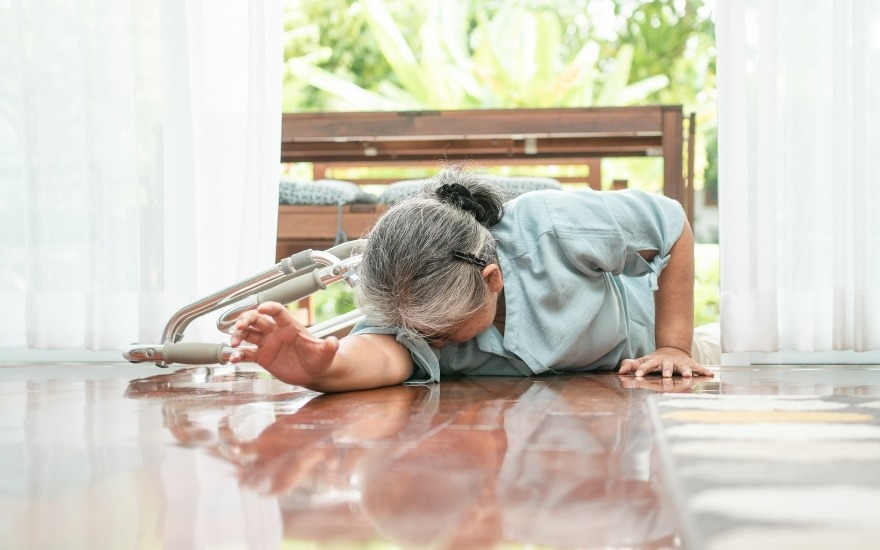
This symptom requires greater attention if it occurs repeatedly on hot days, or is accompanied by severe fatigue, a rapid heartbeat, or near-fainting. In older adults, dehydration-related dizziness may also increase the risk of falls and injuries.

Fatigue, sleepiness, and reduced concentration
The brain is highly sensitive to changes in fluid and electrolyte balance. Even mild dehydration may make older adults feel more tired than usual, sleepy, less able to concentrate, or slower to respond.
This sign may easily be mistaken for “normal aging,” lack of sleep, or fatigue caused by hot weather. However, if the patient suddenly becomes severely fatigued, less communicative, has poor food and fluid intake, drinks little water, and urinates less on a hot day, dehydration should be considered.
Confusion or altered consciousness
In older adults, dehydration does not always present as intense thirst. Sometimes, it may appear as a change in mental status. Patients may respond more slowly, sleep more than usual, become more forgetful than normal, or seem less alert than usual.
If this condition appears suddenly, especially with fever, very little urination, low blood pressure, difficulty drinking water, vomiting, or diarrhea, the patient should be taken for medical evaluation early. This may be a sign of severe dehydration, electrolyte imbalance, infection, or another acute medical condition.

The right way for older adults to drink water
Do not wait until thirst occurs
Because thirst sensation declines with age, older adults should drink water as a routine rather than waiting until they feel thirsty. A water bottle can be placed in a visible location, a marked cup can be used, or family members can help remind them to drink water throughout the day.
Caregivers should also watch for signs such as dry mouth, reduced urination, fatigue, dizziness, or dark-colored urine so they can remind the patient to drink water earlier.
Divide fluid intake throughout the day
Instead of drinking a large amount at once, older adults should take small sips and distribute fluid intake evenly throughout the day. This approach makes drinking easier, helps reduce abdominal fullness, and lowers the risk of frequent urination immediately after drinking.
A suggested schedule may include:
- A small cup after waking up.
- A cup in the middle of the morning.
- A moderate amount before or after lunch.
- A cup in the middle of the afternoon.
- A small amount in the evening if thirsty.
Most fluid intake should not be concentrated in the evening, as this may increase nocturia, disrupt sleep, and raise the risk of falls when going to the bathroom at night.
Increase fluid intake through foods
For older adults who do not like drinking plain water, additional fluid can come from foods such as broths, soups, porridge, milk, yogurt, oranges, grapefruit, watermelon, cucumbers, or green vegetables.
However, plain water should not be completely replaced with soft drinks, strong tea, coffee, or sugary beverages. These drinks may raise blood glucose levels, cause sleep disturbance, trigger palpitations, or be unsuitable for people with diabetes.

Monitor urine color
Pale yellow urine often suggests that the body is relatively well hydrated. Dark yellow urine, strong-smelling urine, or urinating less than usual may indicate dehydration, especially when accompanied by dry mouth, thirst, fatigue, or dizziness.
However, urine color may also be affected by medications, vitamins, or urinary tract conditions. If dark-colored urine persists, blood appears in the urine, painful urination occurs, or urine output is very low, the patient should seek medical evaluation.
Adjust fluid intake according to weather conditions and health status
On hot days or when sweating heavily, older adults may gradually increase fluid intake while monitoring for signs of dehydration or fluid overload. Conversely, if swelling, shortness of breath, heart failure, or kidney disease is present, any increase in fluid intake should follow medical guidance.
Caregivers should monitor fluid intake, urination frequency, urine color, body weight, leg swelling, and shortness of breath in patients with heart or kidney disease.

When should fluid intake not be increased without medical advice?
Some patients need individualized medical guidance on their daily fluid intake.
Heart failure
In people with heart failure, the heart pumps blood less effectively. Drinking too much water may increase circulatory workload, leading to leg swelling, weight gain due to fluid retention, shortness of breath, or the need to sleep with the head elevated.
Patients with heart failure should follow their doctor’s instructions regarding fluid intake, salt intake, and current medications.
Kidney disease
When kidney function is impaired, the body may have difficulty eliminating excess fluid. Increasing water intake on one’s own may cause fluid retention, swelling, high blood pressure, or electrolyte disturbances.
Patients with chronic kidney disease, people receiving dialysis, or those who have been advised to restrict fluid intake should consult their doctor before changing their daily water intake.
Cirrhosis, edema, or ascites
People with cirrhosis may develop edema, ascites, or blood sodium imbalance. Fluid and salt intake should be adjusted according to the individual condition.
Patients should not increase water intake on their own based on a general formula if they have abdominal distension, leg swelling, shortness of breath, or have been instructed by a doctor to monitor fluid intake.

When should older adults seek medical evaluation for suspected dehydration?
Older adults should seek medical evaluation early if they experience:
- Very little urination or persistently dark-colored urine.
- Dizziness, lightheadedness, falls, or near-fainting.
- Severe fatigue, poor food and fluid intake, or inability to drink water.
- Vomiting, diarrhea, or fever on hot days.
- Confusion, drowsiness, or reduced alertness.
- Palpitations, a rapid heartbeat, or low blood pressure.
- Marked dry mouth, reduced urination, severe fatigue, or clear signs of dehydration.
- Existing heart failure, kidney disease, or diabetes together with signs of fluid deficiency.
Emergency care is needed if the patient is markedly confused, faints, has shortness of breath, develops seizures, has no urination for several hours, experiences low blood pressure, is unable to drink water, or has rapidly worsening swelling accompanied by shortness of breath.
At a medical facility, doctors may assess blood pressure, heart rate, hydration status, electrolytes, kidney function, blood glucose, and coexisting medical conditions to determine the cause and severity of dehydration and choose the appropriate method of fluid replacement.
Frequently asked questions
Should older adults drink water before going to bed?
They may drink a small amount if they feel thirsty or have a dry mouth. However, drinking too much water immediately before bedtime is not recommended, as it may increase nocturia, disrupt sleep, and raise the risk of falls when going to the bathroom at night. Older adults should prioritize adequate fluid intake during the daytime and gradually reduce intake close to bedtime.
Is drinking too little water dangerous for older adults?
Yes. Prolonged dehydration may increase the risk of low blood pressure, dizziness, falls, constipation, acute kidney injury, electrolyte imbalance, confusion, and hospitalization. During hot weather, older adults should be reminded to drink water regularly, even when they do not feel clearly thirsty.
Can drinking too much water be harmful?
Yes, it can. Drinking too much water over a short period may cause electrolyte disturbances, particularly hyponatremia. In people with heart failure, kidney disease, or cirrhosis, excessive water intake may also lead to swelling, shortness of breath, or fluid retention. Therefore, people with underlying medical conditions should consult their doctor about the appropriate amount of water.
Do tea and coffee count toward daily fluid intake?
Weak tea, milk, soups, porridge, and water-rich fruits may contribute to total daily fluid intake. However, plain water should not be replaced with strong tea, coffee, or sugary beverages. Caffeine may cause palpitations, sleep disturbance, or increased urination in some people when consumed in large amounts.
How much water should older adults with heart failure drink each day?
There is no universal amount for all patients with heart failure. Fluid intake depends on the severity of heart failure, the presence of swelling, current medications, kidney function, and the doctor’s instructions. Patients should not increase or reduce water intake on their own without medical guidance.
How can caregivers tell whether an older adult is drinking enough water?
Caregivers may monitor signs such as the mouth not being excessively dry, pale yellow urine, regular urination, less dizziness when standing up, and no unusual severe fatigue. However, if the patient has kidney disease, is taking diuretics, or develops abnormal symptoms, medical evaluation is needed.
What should be done if an older adult does not like drinking plain water?
Fluid intake can be divided into small amounts throughout the day. A small cup can be used, a water bottle can be placed in a visible location, and additional fluid can come from soups, broths, porridge, milk, and water-rich fruits. Plain water should not be completely replaced with soft drinks, strong tea, or coffee.
Conclusion
Healthy older adults may refer to a general range of about 1.5–2 liters of fluid per day from beverages, but actual needs depend on body weight, weather conditions, diet, physical activity level, and underlying medical conditions. Total water intake does not come only from plain water, but also from soups, milk, porridge, vegetables, fruits, and other water-rich foods.
Because thirst sensation declines with age, older adults should not wait until they feel thirsty to drink water. Instead, they should maintain the habit of drinking fluids regularly throughout the day. However, people with heart failure, kidney disease, cirrhosis, edema, or those who have been advised to restrict fluids should consult their doctor before increasing fluid intake.
If an older family member frequently experiences fatigue, dizziness, reduced urination, dark-colored urine, confusion, or has cardiovascular disease, kidney disease, or diabetes during hot weather, early medical evaluation is recommended to assess fluid and electrolyte status as well as overall health. Hong Ngoc General Hospital offers multidisciplinary care to meet a wide range of medical needs, including clinical examination, nutritional counseling, and guidance on appropriate fluid intake based on each patient’s health status and underlying conditions. Customers can contact the hotline at 024 3927 5568 or leave their information below to receive a call and consultation from a doctor.

References