
Rapid breathing refers to a condition in which an individual breathes at a faster rate than normal. It is a common symptom in pulmonary and cardiovascular disorders and may indicate impaired function or underlying abnormalities of the cardiovascular system. In this article, we will explore the causes, potential complications, treatment approaches, and preventive measures related to rapid breathing.
Dizziness may be a warning sign of serious cardiovascular disease. When this symptom occurs, patients should seek medical evaluation for accurate diagnosis and timely treatment, in order to prevent potentially dangerous complications.
Valvular stenosis is a common and potentially life threatening cardiovascular disorder that affects millions of individuals worldwide. Early recognition of clinical manifestations and timely intervention are essential to optimize therapeutic outcomes and prevent serious complications.
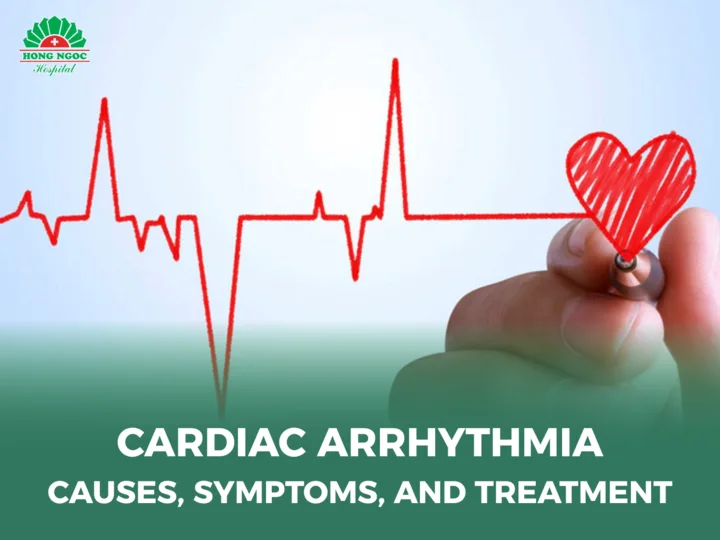
Cardiac arrhythmia is a condition in which the heartbeat becomes irregular or loses its normal rhythm, affecting the quality of life of millions of people worldwide. It may also be a warning sign of other serious underlying diseases.
Cavernous hemangiomas are clusters of small, blood-filled vascular spaces, most commonly located within the cerebral hemispheres. The condition may be asymptomatic or present with clinical manifestations depending on lesion characteristics. Management strategies are determined based on the location and size of the lesion to minimize the risk of complications.
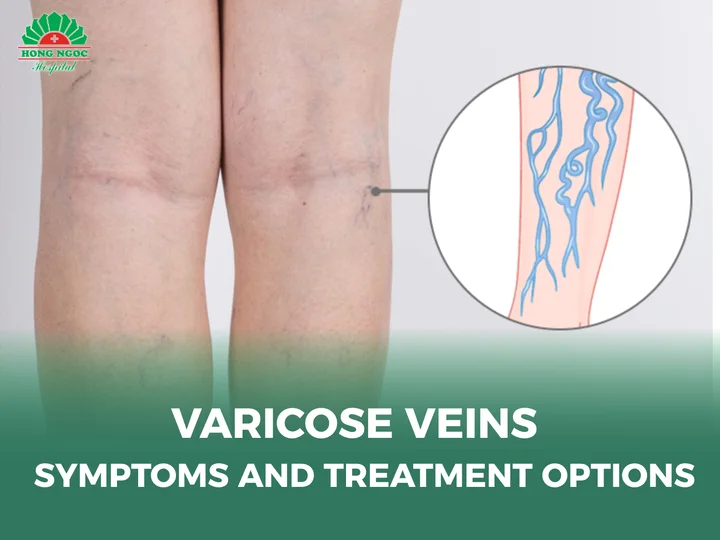
Varicose veins of the lower extremities directly affect a patient’s daily life. If detected and treated early, the condition can be completely cured. Patients are advised to consult a doctor promptly for timely and effective treatment.
Rheumatic valvular heart disease is often asymptomatic in its early stages. However, if not detected and treated promptly, it may lead to serious complications such as heart failure and thromboembolic events, which can be life-threatening.
Patients with end-stage liver cancer have a poor prognosis. Clinical symptoms become more pronounced, significantly affecting both overall health and daily functioning. At this stage, survival outcomes are limited, and available treatment modalities often yield suboptimal efficacy.
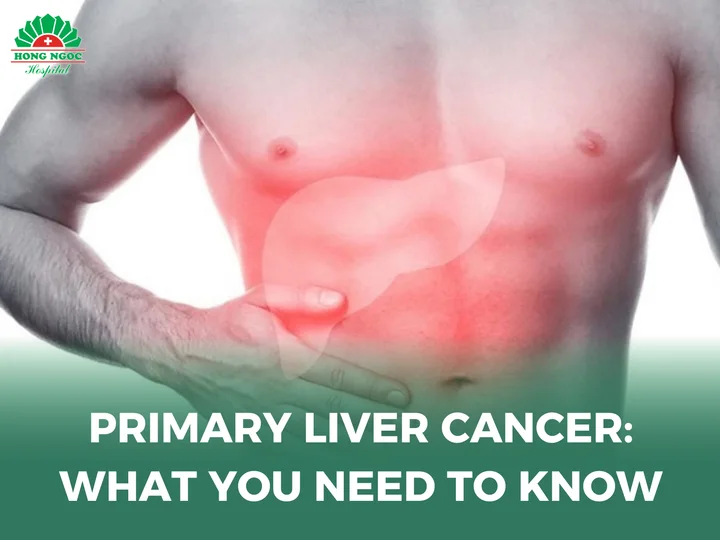
Primary liver cancer is the third leading cause of cancer-related mortality worldwide. What are the underlying causes of this disease? Which symptoms may aid in early detection? The following article provides essential insights into primary liver cancer.
lorem ipsum dolor
Lorem ipsum dolor sit amet, consectetur adipiscing elit. Mauris odio lectus, pretium faucibus nisi eu, accumsan consectetur orci. In blandit vehicula nisl, vel lacinia ligula finibus a. Donec fermentum rhoncus