




Valvular stenosis is a common and potentially life threatening cardiovascular disorder that affects millions of individuals worldwide. Early recognition of clinical manifestations and timely intervention are essential to optimize therapeutic outcomes and prevent serious complications.
What is valvular stenosis?
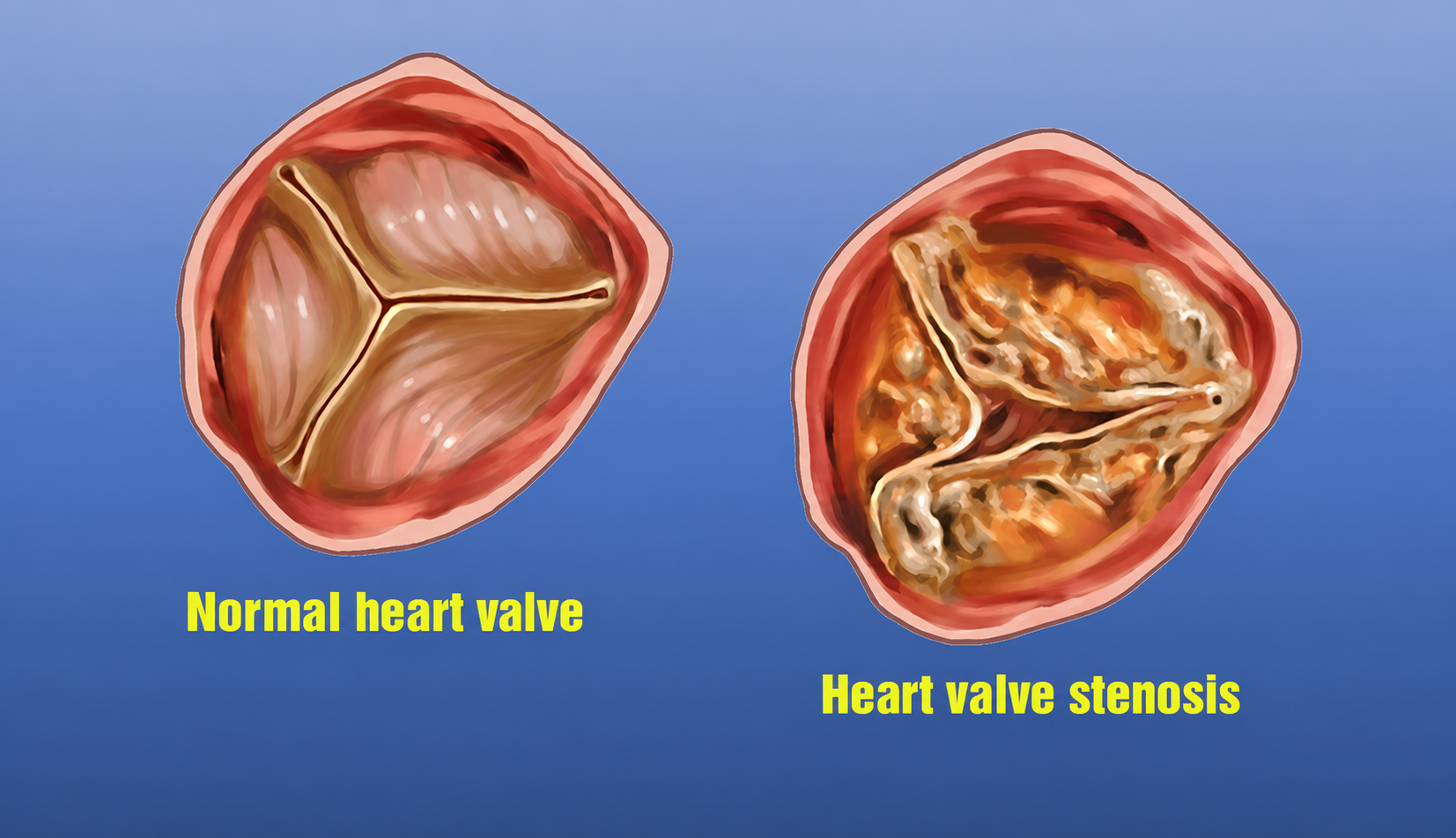
Valvular stenosis, most commonly referring to aortic stenosis, is a cardiovascular disorder in which the cardiac valve becomes narrowed or structurally abnormal, thereby obstructing blood flow from the heart into the systemic circulation. Under normal physiological conditions, the cardiac valve functions as a dynamic gateway that opens and closes synchronously with each cardiac cycle to ensure appropriate forward blood flow. However, when valvular narrowing occurs, it restricts effective outflow from the heart.
This pathological condition may lead to significant hemodynamic compromise, progressive cardiac dysfunction, and an increased risk of other cardiovascular diseases. In clinical practice, valvular stenosis remains one of the most prevalent forms of structural heart disease worldwide.
Clinical manifestations of valvular stenosis
The clinical manifestations of valvular stenosis are variable and depend on the severity and anatomical location of the affected valve. As cardiac output becomes compromised and systemic perfusion declines, patients commonly present with the following symptoms:
- Dyspnea: This is the most common symptom in patients with valvular stenosis. Individuals may experience shortness of breath during exertion or physical activity. Dyspnea can progressively worsen and interfere with daily activities.
- Fatigue: Due to reduced cardiac output and inadequate oxygen delivery to peripheral tissues, patients often report persistent fatigue and decreased energy levels, even in the absence of strenuous activity.
- Chest pain or discomfort: Some patients may develop chest pain or a sensation of pressure or tightness in the chest. Anginal symptoms typically occur during exertion or periods of emotional stress.
- Dizziness and syncope: Impaired cerebral perfusion secondary to reduced forward blood flow may result in dizziness or transient loss of consciousness in certain individuals.
- Cardiac arrhythmias: Valvular stenosis may disrupt normal cardiac conduction, leading to irregular heart rhythms, including tachycardia, bradycardia, or other rhythm abnormalities.
In addition, patients with valvular stenosis may experience other symptoms such as headache, persistent cough, chest discomfort when lying supine, or unusual fatigue after meals.
Causes of valvular stenosis
Valvular stenosis may result from a variety of underlying causes. The following are among the most common etiological factors associated with this condition:
Genetic predisposition
Genetic factors represent a common cause of valvular stenosis. The condition may be inherited across generations through genetic mutations affecting valvular structure or development. Individuals with a family history of valvular heart disease have a higher risk compared with the general population.
Underlying valvular heart disease
Certain primary valvular disorders may lead to progressive narrowing of the valve. For example, calcific degeneration and fibrotic thickening of the valve leaflets can reduce the effective valvular orifice area, thereby obstructing blood flow across the valve.
Infectious and inflammatory conditions
Infective endocarditis and other inflammatory processes involving the endocardium may damage the valve structure, resulting in leaflet deformation, scarring, and subsequent stenosis.
Atherosclerosis
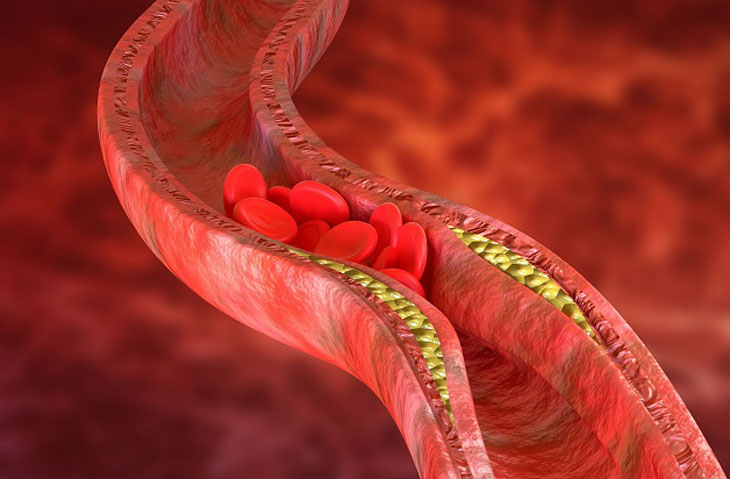
Atherosclerotic processes can contribute to valvular thickening and calcification. The accumulation of lipids, calcium deposits, and inflammatory cells may lead to progressive narrowing of the valvular opening and impaired hemodynamics.
Lipid deposition within arterial structures
Excess lipid accumulation within the vascular system may indirectly affect valvular function by promoting calcific and degenerative changes, thereby contributing to valvular narrowing.
In addition, factors such as advanced age, sex, prior cardiovascular disease, smoking, and comorbid conditions may increase the risk of developing valvular stenosis. Precise identification of the underlying etiology typically requires comprehensive diagnostic evaluation by a cardiology specialist.
Management of valvular stenosis
The treatment strategy for valvular stenosis depends on the severity of valve narrowing, the patient’s symptom profile, and overall clinical condition. Therapeutic decisions are individualized based on comprehensive cardiovascular assessment. The following are commonly applied management approaches for valvular stenosis:
Medical management
In cases of mild valvular stenosis or when symptoms are not severe and daily activities remain unaffected, physicians may recommend pharmacologic therapy to control symptoms and reduce the risk of complications.
Medications may include vasodilators, antiarrhythmic agents, drugs that reduce cardiac workload, and anticoagulants when clinically indicated. While medical therapy does not correct the structural narrowing, it plays an important role in stabilizing hemodynamics and preventing disease progression.
Reader may also be interested in:
Valve intervention
When valvular stenosis becomes severe and is associated with significant symptoms, interventional procedures may be indicated.
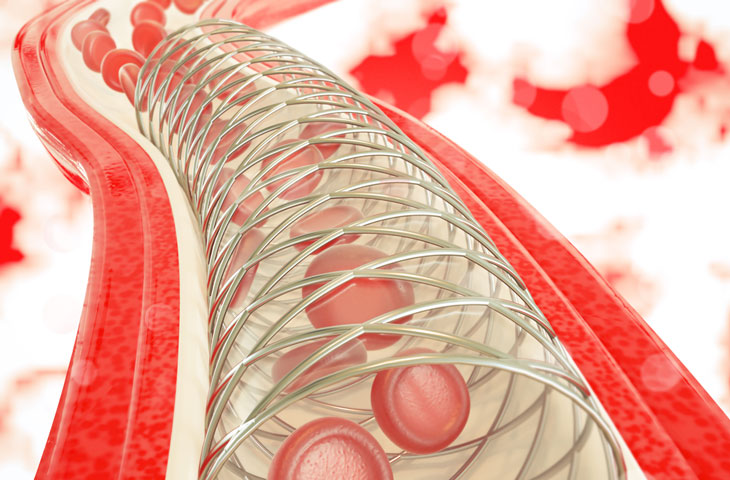
One commonly performed technique is transcatheter balloon valvuloplasty or catheter based valve intervention, aimed at dilating the narrowed valve orifice and improving blood flow across the valve.
Cardiac valve surgery
In more advanced or complex cases, surgical valve replacement may be required. Surgical intervention is typically indicated in congenital valvular stenosis or when the affected valve is extensively damaged and not amenable to repair. During surgery, the diseased valve is removed and replaced with either a mechanical prosthetic valve or a bioprosthetic valve derived from biological tissue.
The choice of treatment modality should be determined by a cardiology specialist based on the severity of stenosis, symptom burden, and the patient’s overall health status. Adherence to the prescribed treatment plan and regular follow up are essential to monitor disease progression and optimize long term cardiovascular outcomes.
Preventive measures for valvular stenosis
Prevention of valvular stenosis requires comprehensive cardiovascular care and the adoption of healthy lifestyle practices. The following measures may help reduce the risk of disease development and progression:
Maintain a healthy lifestyle
Adopt a balanced and heart healthy diet rich in vegetables, fruits, whole grains, and high fiber foods. Limit excessive intake of saturated fats, refined sugars, and processed foods to reduce cardiovascular risk factors.
Engage in regular physical activity, such as walking, jogging, swimming, or other aerobic exercises. Routine exercise enhances cardiovascular fitness, improves endothelial function, and lowers the risk of valvular and other structural heart diseases.
Avoid tobacco use and limit alcohol consumption, as both are associated with adverse cardiovascular effects and may increase the risk of developing valvular stenosis.
Control modifiable risk factors
- Blood pressure management: Regularly monitor and maintain optimal blood pressure levels, as hypertension can exert chronic stress on cardiac valves and vascular structures, contributing to progressive valvular damage.
- Cholesterol control: Maintain serum lipid levels within recommended ranges to prevent atherosclerotic plaque formation and calcific deposition in the valves and arterial walls.
- Glycemic control: In patients with diabetes mellitus, strict regulation of blood glucose levels is essential to reduce the risk of cardiovascular complications, including the development and progression of valvular stenosis.
Management of other cardiovascular conditions
Appropriate treatment and control of underlying cardiovascular disorders, such as infective endocarditis and atherosclerosis, are essential to reduce the risk of developing or worsening valvular stenosis.
Regular cardiovascular screening and periodic follow up, as recommended by a cardiology specialist, are crucial for early detection, timely intervention, and optimal long term heart health.
Periodic health screening
Routine medical checkups can facilitate early detection of cardiovascular abnormalities and potential risk factors associated with the development of valvular stenosis.
In addition, individuals at high risk, including those with a family history of valvular heart disease, habitual tobacco or alcohol use, or unhealthy lifestyle patterns, should seek consultation with a cardiology specialist for personalized counseling and evidence based preventive guidance.
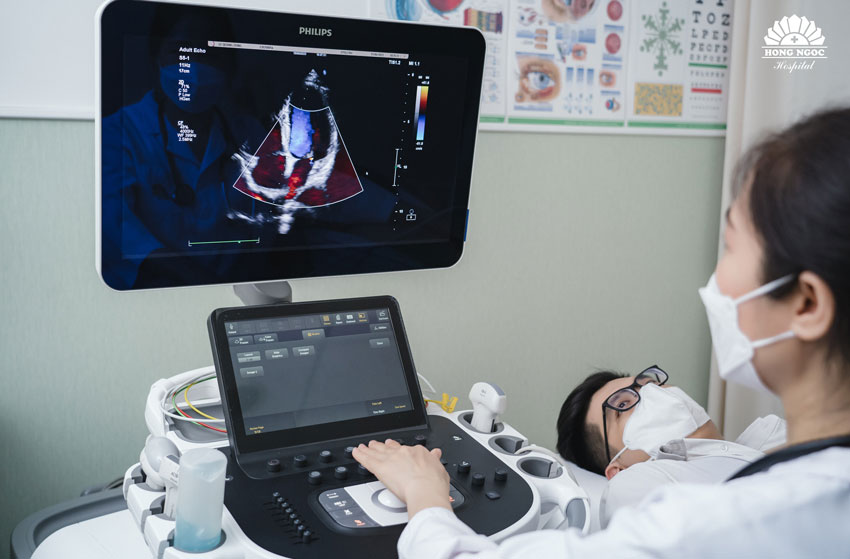
The Cardiology Department at Hong Ngoc General Hospital is a trusted destination for comprehensive cardiovascular evaluation and management. With a highly qualified team of cardiologists and a modern diagnostic infrastructure, including advanced echocardiography and cardiovascular imaging systems, the hospital ensures early detection of valvular stenosis and delivers individualized, evidence based treatment strategies tailored to each patient’s clinical condition.
Register for a consultation with our Cardiology specialists here.
Follow the official fanpage of Hong Ngoc General Hospital for further medical updates and health information.
Note: The information provided in this article by Hong Ngoc General Hospital is for reference purposes only and does not replace professional medical diagnosis or treatment. Patients should not self medicate or initiate treatment without medical supervision. For an accurate assessment of any medical condition, individuals are advised to seek direct consultation with a qualified physician for comprehensive evaluation, diagnosis, and appropriate therapeutic recommendations.