




A spinal bone tumor exerts pressure on the spinal cord and surrounding nerves, causing back pain, progressive muscle weakness, and, in severe cases, loss of mobility. This article provides detailed information about the causes, symptoms, and treatment options for spinal bone tumors.
1. Understanding spinal bone tumors
A spinal bone tumor is a type of abnormal growth that develops from the bones of the spine or the surrounding tissues, including cartilage and soft tissues.
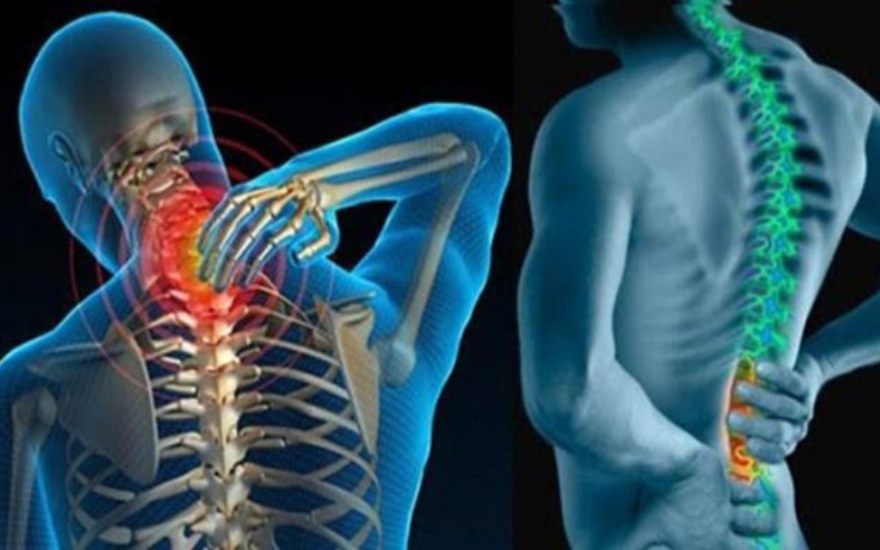
These tumors may be benign (non-cancerous, unable to spread to other parts of the body) or malignant (cancerous, capable of invading and metastasizing).
- Even benign tumors can cause serious problems by compressing the spinal cord and nerves.
- Malignant tumors, on the other hand, carry a higher risk of complications, especially if not detected and treated early.
Spinal bone tumors develop through different stages:
- Early stage: The tumor is usually small and produces few or no noticeable symptoms. Patients may experience only mild discomfort or no pain at all. As the tumor grows, it begins to compress important spinal structures, leading to chronic back pain, nerve pain, or muscle weakness.
- Advanced stage: The tumor may cause severe damage to spinal bone structure, resulting in spinal deformity or even pathological fractures. In the case of malignant tumors, the disease can metastasize to other organs, significantly increasing the risk of mortality if not treated promptly.
2. Causes of spinal bone tumors
The exact cause of spinal bone tumors remains unclear; however, several factors are believed to contribute to their formation and development, including:
- Genetic mutations: Abnormalities during the development of bone or cartilage cells can lead to uncontrolled cell growth, resulting in tumor formation.
- Hereditary factors: Certain genetic syndromes such as Gardner’s syndrome, Paget’s disease of bone, or other inherited bone disorders increase the risk of spinal bone tumors. Individuals with a family history of the disease are also more likely to develop it.
- Metastasis from other cancers: Many malignant spinal bone tumors originate from metastatic cancer cells spreading from other organs such as the breast, lung, or prostate.
- History of trauma or chronic infection: Severe spinal injuries or chronic spinal infections may alter bone structure, potentially contributing to tumor formation.
- Environmental and lifestyle factors: Although not definitively proven, exposure to toxic chemicals, carcinogenic substances, or tobacco smoke may increase the risk of developing spinal bone tumors.
The factors mentioned above may contribute to the development of spinal bone tumors; however, not everyone with these risk factors will develop the disease.
Reader may also be interested in:
3. Signs and symptoms of spinal bone tumors
The symptoms of spinal bone tumors vary depending on the location and size of the tumor. Common warning signs include:
- Unusual back pain: Persistent back pain without an identifiable cause (not related to injury, exercise, or heavy lifting). The pain does not improve with rest and may worsen at night.
- Nerve pain: Radiating pain that spreads from the spine to other areas such as the neck, shoulders, arms, or legs, caused by nerve compression from the tumor.
- Muscle weakness or numbness: A feeling of weakness or loss of strength in the arms or legs, often accompanied by numbness or loss of sensation, especially when the spinal cord is affected.
- Loss of motor control: Difficulty with walking, standing, or maintaining balance due to impairment of motor function.
- Bladder or bowel dysfunction: Loss of control over urination or defecation when the tumor compresses the spinal cord severely.
These symptoms may develop gradually; however, if any abnormalities are noticed, patients should seek medical evaluation promptly for early diagnosis and timely treatment.
4. Diagnostic methods for spinal bone tumors
Diagnosing spinal bone tumors requires the use of modern medical imaging and laboratory techniques to accurately determine the location, size, and nature of the tumor. The most common diagnostic methods include:
4.1. Clinical examination
The doctor will evaluate symptoms such as back pain, muscle weakness, or numbness, while also reviewing the patient’s medical history and overall health condition.
4.2. X-ray imaging
X-rays help detect abnormalities in bone structure and identify tumors that may be affecting the spine.
4.3. Magnetic resonance imaging (MRI)
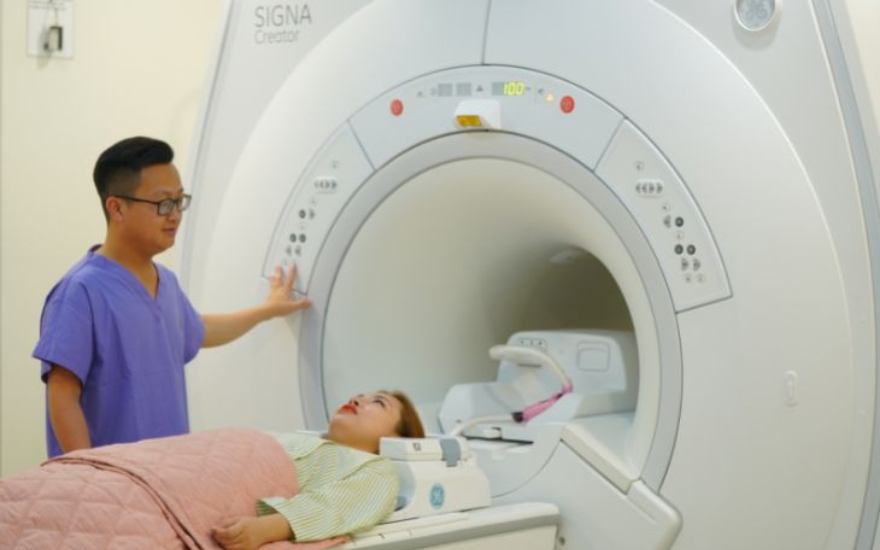
MRI provides high-resolution images of the spinal cord, nerves, and surrounding soft tissues, enabling highly accurate detection and assessment of spinal tumors.
4.4. Computed tomography (CT) scan
This technique produces three-dimensional images of the spine, helping evaluate bone structure and tumor-related damage in detail.
4.5. Biopsy
If necessary, the doctor will collect a tissue sample from the tumor for microscopic examination to determine whether the tumor is benign or malignant.
4.6. Blood tests
In certain cases, blood tests are performed to detect signs of inflammation or tumor markers associated with cancer. Depending on the patient’s condition and severity, the physician will select the most appropriate diagnostic methods to accurately identify the spinal bone tumor.
5. Treatment methods for spinal bone tumors
The treatment of spinal bone tumors depends on the patient’s overall health and the type of tumor (benign or malignant). Treatment options are generally divided into two main groups: non-surgical treatment and surgical treatment.
5.1. Non-surgical treatment
This approach includes observation, chemotherapy, and radiation therapy, often combined with medication. For tumors that are asymptomatic or slow-growing, regular MRI monitoring is an appropriate option. Some tumors, particularly malignant or metastatic ones, may respond well to chemotherapy or radiotherapy, which help shrink the tumor and control its progression.
5.2. Surgical treatment
Surgery is indicated when the tumor causes pain, spinal cord compression, or when the patient’s condition does not respond to other therapies. Surgical procedures may involve complete tumor removal for curative purposes or decompression surgery aimed at pain relief, preserving nerve function, and maintaining spinal stability.
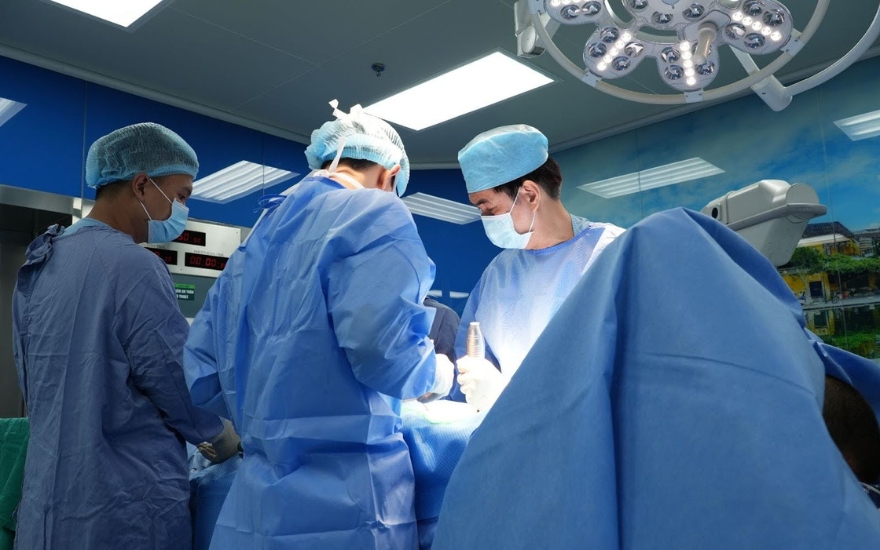
The choice of surgical approach, whether anterior or posterior, depends on the location of the tumor. In some cases, a combined approach from both directions may be required to ensure complete tumor removal and reconstruction of the spinal structure after surgery.
6. Complications of spinal bone tumor surgery
Spinal bone tumor surgery is a major and complex procedure that must be performed at a reputable medical facility equipped with advanced technology and a team of experienced surgeons and specialists.
Undergoing surgery at unqualified institutions can increase the risk of postoperative complications such as infection at the surgical site, excessive bleeding during or after surgery (especially in tumors with dense vascularization), nerve injury leading to sensory or motor impairment, spinal instability after tumor removal, or tumor recurrence due to incomplete resection.
To minimize complications and ensure a safe and effective surgical outcome, choosing a trusted and well-equipped hospital is essential. Hong Ngoc General Hospital provides comprehensive treatment for spinal bone tumors through both surgical and non-surgical approaches, supported by over 20 years of clinical experience in the field.
- The hospital’s team includes highly qualified specialists, such as Assoc. Prof. Dr. Ha Kim Trung, an expert in neurosurgery and spinal surgery with extensive training experience in France, Japan, and Australia.
- State-of-the-art operating rooms meet U.S. FDA aseptic standards and are equipped with the latest GE C-arm imaging system, ensuring surgical precision and safety.
- Patients receive comprehensive postoperative rehabilitation and care, promoting faster recovery and optimal treatment outcomes.
- The hospital-hotel model provides a comfortable, modern environment designed to support the patient’s healing process.
Patients seeking spinal bone tumor treatment at Hong Ngoc General Hospital are kindly advised to contact Hotline: 0912 002 131 or 0949 646 556 for prompt assistance and detailed support.
Note: The information provided in this article by Hong Ngoc General Hospital is for reference purposes only and should not replace professional medical diagnosis or treatment. Patients are advised not to self-medicate. To determine the exact condition and receive appropriate treatment, please visit a qualified medical facility for direct examination, diagnosis, and medical consultation.
Follow the official fanpage of Hong Ngoc General Hospital for more useful health information: https://www.facebook.com/BenhvienHongNgoc