
Myositis is an inflammatory condition of skeletal muscle characterized by pain, muscle weakness, and restricted mobility. It may arise from various etiologies, including trauma, infection, or autoimmune disorders. If not promptly diagnosed and appropriately managed, myositis can lead to serious complications and significantly impair functional capacity and quality of life.
What is myositis?
Myositis refers to inflammatory injury affecting muscle tissue, most commonly resulting from inflammatory processes or physical trauma. When muscle inflammation occurs, patients typically experience localized pain, swelling, and muscle weakness. The condition may involve various muscle groups throughout the body, including the upper limbs, lower limbs, and paraspinal muscles. Beyond causing discomfort, myositis can significantly impair mobility and functional performance. If not managed in a timely and appropriate manner, it may lead to persistent functional limitation and reduced quality of life.
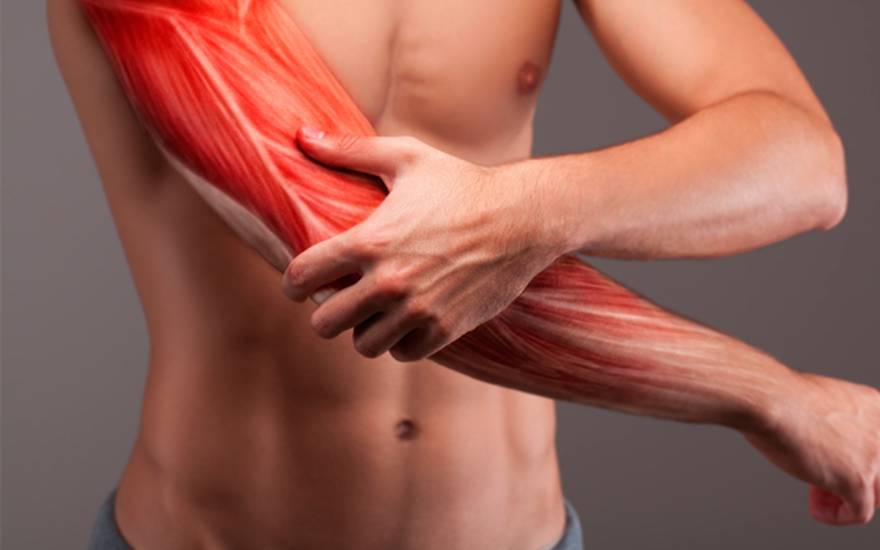
Myositis is a condition characterized by injury to muscle tissue, most commonly resulting from inflammatory processes or trauma.
Causes and symptoms of myositis
Causes of myositis
Myositis may result from various etiologies, each affecting the muscular system through distinct pathophysiological mechanisms:
Excessive physical exertion or overuse: Prolonged or intense mechanical stress on skeletal muscles can lead to microtrauma, triggering localized inflammation. This is commonly observed in individuals engaged in heavy manual labor or athletes undergoing high-intensity training.
Infection: Certain pathogens, including bacteria, viruses, and fungi, can invade muscle tissue and induce inflammatory responses, resulting in pain, swelling, and functional impairment.
Immune-mediated disorders: In some cases, the immune system aberrantly targets muscle fibers, leading to autoimmune myositis. These chronic inflammatory myopathies are often progressive and may be difficult to control without early diagnosis and appropriate immunomodulatory therapy.
Symptoms of myositis
Clinical manifestations of myositis may range from mild to severe and can significantly interfere with daily activities:
Persistent myalgia: Ongoing muscle pain localized to the affected area, often exacerbated by contraction or movement.
Muscle weakness: Reduced muscle strength, leading to difficulty performing routine tasks such as walking, climbing stairs, or grasping objects.
Muscle stiffness: A sensation of tightness and decreased flexibility, resulting in restricted range of motion and impaired mobility.

Symptoms of myositis may range from mild to severe and can cause significant disruption to daily activities and overall functional capacity.
Treatment approaches for myositis
Medical treatment of myositis
Treatment of myositis with medication is the primary and most commonly applied approach. Nonsteroidal anti-inflammatory drugs may be used to help relieve pain and reduce inflammation rapidly. In cases where myositis is caused by infection, the physician may prescribe antibiotics or antifungal agents, depending on the underlying cause. If myositis is autoimmune in origin, immunosuppressive medications such as corticosteroids may be indicated to control the inflammatory response.
Rehabilitation and physical therapy
Physical therapy and structured rehabilitation exercises play an essential role in restoring muscle function following injury. Stretching exercises, therapeutic massage, and gentle strengthening activities not only help relieve muscle tension but also improve range of motion and overall functional capacity.
Maintaining an appropriate exercise regimen under the supervision of a rehabilitation specialist can enhance muscle strength, prevent stiffness, and reduce the risk of recurrent inflammation.
Prevention of recurrent myositis
Preventing recurrence of myositis requires maintaining a healthy lifestyle and protecting muscle integrity. Excessive physical exertion should be avoided, and adequate rest is essential to allow proper muscle recovery. Stretching exercises before and after physical activity help reduce the risk of muscle strain and subsequent inflammation.
Individuals at higher risk of myositis should undergo regular medical evaluation and seek professional guidance to monitor disease activity and prevent relapse.
Nutrition plays a critical role in the recovery and management of myositis. Adequate intake of essential nutrients, including protein, vitamin C, and omega-3 fatty acids, supports muscle repair and tissue regeneration. Appropriate rest further facilitates recovery, decreases the likelihood of recurrent inflammation, and enhances overall treatment outcomes.
Although myositis can become severe if not identified and treated promptly, early recognition of symptoms and timely, appropriate intervention can help patients effectively control the condition and prevent serious complications.
Myositis treatment at Hong Ngoc General Hospital
A team of surgeons and rehabilitation specialists with extensive clinical experience, previously practicing at leading domestic and international hospitals and having completed advanced training programs in France, Japan, and other countries. The team is highly experienced in the diagnosis and management of myositis.
A modern diagnostic and therapeutic system, synchronously imported from the United Kingdom, Germany, the United States, and other countries, supporting effective treatment and accelerated recovery. Equipment includes therapeutic ultrasound systems, microwave therapy devices, interferential therapy machines, and hydrotherapy units, among others.
At Hong Ngoc General Hospital, patients benefit from a high-quality healthcare environment with five-star hospital amenities, proactive follow-up scheduling, structured treatment monitoring plans, and cost optimization while maintaining clinical excellence.
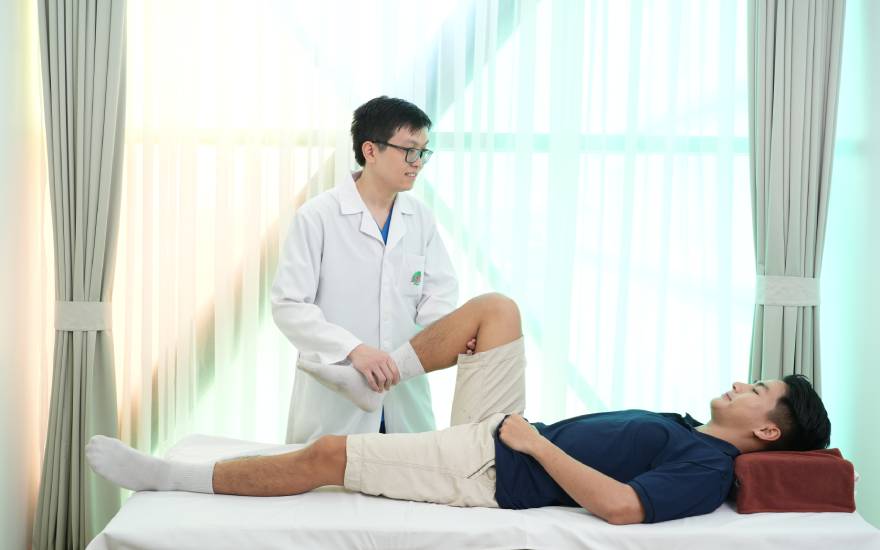
The surgical and rehabilitation specialists at Hong Ngoc General Hospital have extensive experience in the diagnosis and treatment of myositis.
Patients who wish to undergo evaluation and treatment for myositis at Hong Ngoc General Hospital are kindly requested to contact the hotline at 0889 621 046 for prompt assistance. The medical experts at Hong Ngoc General Hospital are committed to accompanying patients in the comprehensive care and protection of musculoskeletal health.
Note: The information provided in this article by Hong Ngoc General Hospital is for reference purposes only and does not substitute for professional medical diagnosis or treatment. Patients should not self-medicate. For an accurate assessment of their medical condition, individuals are advised to visit a healthcare facility for direct clinical examination, diagnosis, and appropriate treatment consultation with a qualified physician.
Myositis is an inflammatory condition of skeletal muscle characterized by pain, muscle weakness, and restricted mobility. It may arise from various etiologies, including trauma, infection, or autoimmune disorders. If not promptly diagnosed and appropriately managed, myositis can lead to serious complications and significantly impair functional capacity and quality of life.
What is myositis?
Myositis refers to inflammatory injury affecting muscle tissue, most commonly resulting from inflammatory processes or physical trauma. When muscle inflammation occurs, patients typically experience localized pain, swelling, and muscle weakness. The condition may involve various muscle groups throughout the body, including the upper limbs, lower limbs, and paraspinal muscles. Beyond causing discomfort, myositis can significantly impair mobility and functional performance. If not managed in a timely and appropriate manner, it may lead to persistent functional limitation and reduced quality of life.
Myositis is a condition characterized by injury to muscle tissue, most commonly resulting from inflammatory processes or trauma.
Causes and symptoms of myositis
Causes of myositis
Myositis may result from various etiologies, each affecting the muscular system through distinct pathophysiological mechanisms:
Excessive physical exertion or overuse: Prolonged or intense mechanical stress on skeletal muscles can lead to microtrauma, triggering localized inflammation. This is commonly observed in individuals engaged in heavy manual labor or athletes undergoing high-intensity training.
Infection: Certain pathogens, including bacteria, viruses, and fungi, can invade muscle tissue and induce inflammatory responses, resulting in pain, swelling, and functional impairment.
Immune-mediated disorders: In some cases, the immune system aberrantly targets muscle fibers, leading to autoimmune myositis. These chronic inflammatory myopathies are often progressive and may be difficult to control without early diagnosis and appropriate immunomodulatory therapy.
Symptoms of myositis
Clinical manifestations of myositis may range from mild to severe and can significantly interfere with daily activities:
Persistent myalgia: Ongoing muscle pain localized to the affected area, often exacerbated by contraction or movement.
Muscle weakness: Reduced muscle strength, leading to difficulty performing routine tasks such as walking, climbing stairs, or grasping objects.
Muscle stiffness: A sensation of tightness and decreased flexibility, resulting in restricted range of motion and impaired mobility.
Symptoms of myositis may range from mild to severe and can cause significant disruption to daily activities and overall functional capacity.
Treatment approaches for myositis
Medical treatment of myositis
Treatment of myositis with medication is the primary and most commonly applied approach. Nonsteroidal anti-inflammatory drugs may be used to help relieve pain and reduce inflammation rapidly. In cases where myositis is caused by infection, the physician may prescribe antibiotics or antifungal agents, depending on the underlying cause. If myositis is autoimmune in origin, immunosuppressive medications such as corticosteroids may be indicated to control the inflammatory response.
Rehabilitation and physical therapy
Physical therapy and structured rehabilitation exercises play an essential role in restoring muscle function following injury. Stretching exercises, therapeutic massage, and gentle strengthening activities not only help relieve muscle tension but also improve range of motion and overall functional capacity.
Maintaining an appropriate exercise regimen under the supervision of a rehabilitation specialist can enhance muscle strength, prevent stiffness, and reduce the risk of recurrent inflammation.
Prevention of recurrent myositis
Preventing recurrence of myositis requires maintaining a healthy lifestyle and protecting muscle integrity. Excessive physical exertion should be avoided, and adequate rest is essential to allow proper muscle recovery. Stretching exercises before and after physical activity help reduce the risk of muscle strain and subsequent inflammation.
Individuals at higher risk of myositis should undergo regular medical evaluation and seek professional guidance to monitor disease activity and prevent relapse.
Nutrition plays a critical role in the recovery and management of myositis. Adequate intake of essential nutrients, including protein, vitamin C, and omega-3 fatty acids, supports muscle repair and tissue regeneration. Appropriate rest further facilitates recovery, decreases the likelihood of recurrent inflammation, and enhances overall treatment outcomes.
Although myositis can become severe if not identified and treated promptly, early recognition of symptoms and timely, appropriate intervention can help patients effectively control the condition and prevent serious complications.
Myositis treatment at Hong Ngoc General Hospital
A team of surgeons and rehabilitation specialists with extensive clinical experience, previously practicing at leading domestic and international hospitals and having completed advanced training programs in France, Japan, and other countries. The team is highly experienced in the diagnosis and management of myositis.
A modern diagnostic and therapeutic system, synchronously imported from the United Kingdom, Germany, the United States, and other countries, supporting effective treatment and accelerated recovery. Equipment includes therapeutic ultrasound systems, microwave therapy devices, interferential therapy machines, and hydrotherapy units, among others.
At Hong Ngoc General Hospital, patients benefit from a high-quality healthcare environment with five-star hospital amenities, proactive follow-up scheduling, structured treatment monitoring plans, and cost optimization while maintaining clinical excellence.
The surgical and rehabilitation specialists at Hong Ngoc General Hospital have extensive experience in the diagnosis and treatment of myositis.
Patients who wish to undergo evaluation and treatment for myositis at Hong Ngoc General Hospital are kindly requested to contact the hotline at 0889 621 046 for prompt assistance. The medical experts at Hong Ngoc General Hospital are committed to accompanying patients in the comprehensive care and protection of musculoskeletal health.
Note: The information provided in this article by Hong Ngoc General Hospital is for reference purposes only and does not substitute for professional medical diagnosis or treatment. Patients should not self-medicate. For an accurate assessment of their medical condition, individuals are advised to visit a healthcare facility for direct clinical examination, diagnosis, and appropriate treatment consultation with a qualified physician.
Để lại câu hỏi của bạn để nhận được giải đáp từ các bác sĩ của Hồng Ngọc
Lorem ipsum dolor
Lorem ipsum dolor sit amet, consectetur adipiscing elit. Mauris odio lectus, pretium faucibus nisi eu, accumsan consectetur orci. In blandit vehicula nisl, vel lacinia ligula finibus a. Donec fermentum rhoncus