




Rheumatic valvular heart disease is often asymptomatic in its early stages. However, if not detected and treated promptly, it may lead to serious complications such as heart failure and thromboembolic events, which can be life-threatening.
What is rheumatic valvular heart disease?
Rheumatic valvular heart disease is characterized by thickening and structural damage of the heart valves as a sequela of rheumatic fever, an autoimmune condition triggered by group A beta-hemolytic streptococcal infection.
The disease typically develops 2–3 weeks after episodes of pharyngitis or upper respiratory tract infection. During this period, the immune system produces antibodies against the causative bacteria. However, due to molecular mimicry between bacterial antigens and cardiac tissues, these antibodies may mistakenly attack the heart valves and myocardium.
This immune-mediated injury leads to thickening and adhesion of the valvular leaflets. In addition, calcium deposition further contributes to valvular fibrosis and rigidity, impairing normal valve mobility and resulting in valvular stenosis and/or regurgitation.

How dangerous is rheumatic valvular heart disease?
Cardiovascular conditions are a major concern for many individuals; therefore, the potential severity of rheumatic valvular heart disease is often questioned.
This condition carries significant health risks, as delayed diagnosis and treatment may lead to serious complications affecting the brain, heart, joints, and skin, including carditis and valvular adhesion.
When the heart valves are damaged and fail to function properly, blood flow within the cardiac chambers may become stagnant, impairing effective circulation to other organs. As a result, the heart must work harder to maintain adequate output, which over time can lead to progressive cardiac dysfunction.
Heart failure not only reduces quality of life but also increases the risk of severe complications such as thromboembolic events, atrial fibrillation, infective endocarditis, renal impairment, and stroke, all of which may be life-threatening.
Symptoms of rheumatic valvular heart disease
The most characteristic symptom of rheumatic valvular heart disease is progressive dyspnea, particularly during physical exertion or strenuous activity. The severity of breathlessness typically worsens over time. In advanced stages, patients may experience dyspnea even with minimal activity or at rest.
Additionally, patients may present with hemoptysis (coughing up small amounts of blood). This symptom can be easily mistaken for respiratory disorders, leading to delayed cardiovascular evaluation and diagnosis.
In pediatric patients, rheumatic valvular involvement may manifest as growth retardation, failure to thrive, and, in some cases, neurological or motor disturbances.
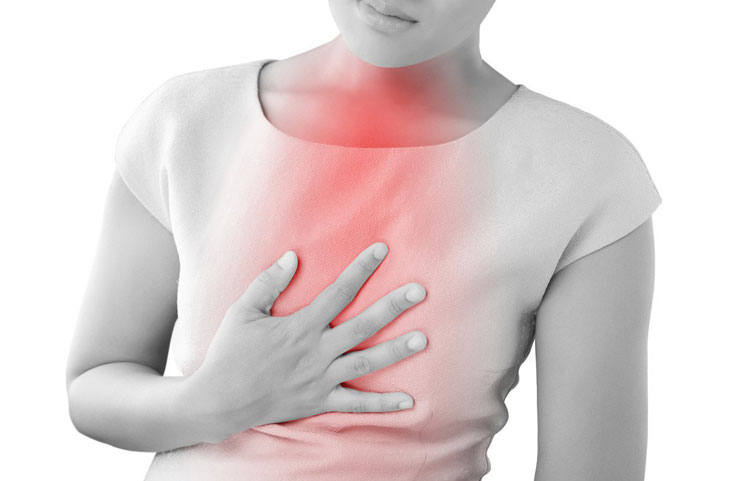
Which heart valves are most commonly affected in rheumatic valvular heart disease?
According to clinical experts, the mitral valve and aortic valve are the most frequently affected by rheumatic heart disease. Among these, mitral valve stenosis or regurgitation carries the highest risk, as it can lead to significant hemodynamic disturbances.
If not detected and treated promptly, rheumatic valvular heart disease may result in severe complications such as acute pulmonary edema, heart failure, cardiac arrhythmias, and thromboembolic events. In pregnant women, the condition may pose life-threatening risks to both the mother and the fetus.
Diagnostic approaches for rheumatic valvular heart disease
Rheumatic valvular heart disease can be readily diagnosed when patients undergo evaluation at a cardiology department in a reputable healthcare facility. Initial assessment includes clinical examination and cardiac auscultation. If abnormalities are suspected, further diagnostic tests may be indicated, such as echocardiography, electrocardiography (ECG), and chest X-ray.
Echocardiography is a simple yet highly effective diagnostic modality and is considered the gold standard for evaluating rheumatic valvular heart disease. It allows precise assessment of valvular lesions, including the degree of stenosis or regurgitation, as well as leaflet thickening, calcification, and structural damage.
Reader may also be interested in:
- Congenital heart disease in children: causes, treatment, and complications
- Valvular regurgitation and therapeutic management
Treatment of rheumatic valvular heart disease
Rheumatic valvular heart disease requires early intervention to prevent serious complications and to effectively control daily symptoms, thereby improving patients’ quality of life.
The condition can be effectively managed using the following treatment approaches:
Pharmacological therapy
Depending on disease severity and clinical presentation, physicians will prescribe appropriate medications. Commonly used drugs in the management of rheumatic valvular heart disease include:
- Diuretics: help eliminate excess fluid from the body, thereby reducing symptoms such as cough and dyspnea
- Anticoagulants: prevent thrombus formation on the heart valves, reducing the risk of valvular damage and embolic events
- Rate-control agents: help regulate heart rhythm, alleviate palpitations, and maintain cardiac rhythm stability
In addition, various other medications may be indicated. Treatment should be individualized, with physicians conducting thorough evaluation to prescribe the most appropriate regimen for each patient.

Surgical intervention
In cases of isolated valvular stenosis, percutaneous balloon valvuloplasty may be indicated to relieve the obstruction. This technique is considered safer and less invasive compared to conventional open-heart surgery.
A catheter is introduced through the vascular system, typically via the femoral vein, and advanced to the affected valve. The catheter is equipped with a balloon at its tip; when inflated, the balloon dilates the narrowed valve orifice.
In cases where the valve presents with both stenosis and regurgitation or has sustained significant structural damage, valve replacement surgery may be required. If the valve is markedly thickened, calcified, or the chordae tendineae are severely retracted, prosthetic valve implantation is recommended. Conversely, if the valve tissue remains pliable and the supporting structures are relatively preserved, valve repair may be considered.
Lifestyle and dietary modifications
In addition to appropriate medical or surgical management, patients are advised to adopt healthy lifestyle and dietary habits to support treatment outcomes and overall cardiovascular health.
Patients should establish a balanced and scientifically guided diet and lifestyle, including:
- Avoid foods high in saturated fats, such as fast food, fatty meats, and fried foods
- Increase intake of vegetables, whole grains, fresh fruits, and lean proteins (e.g., white meat)
- Engage in regular physical activity with moderate intensity on a daily basis
- Adopt a low-sodium diet to support cardiovascular health
Adherence to these lifestyle and dietary modifications can significantly improve clinical outcomes, promote symptom relief, and minimize the risk of potential complications.
Cardiology Department at Hong Ngoc General Hospital – a trusted destination for cardiovascular care
Cardiovascular diseases in general, and rheumatic valvular heart disease in particular, are often asymptomatic or present with mild, nonspecific symptoms in the early stages, making early detection challenging. Therefore, proactive cardiovascular screening is essential for timely identification of abnormalities and appropriate intervention.
In Hanoi, the Cardiology Department at Hong Ngoc General Hospital is recognized as a reputable center for cardiovascular evaluation and management, highly regarded by patients for both clinical expertise and quality of care, with notable advantages including:
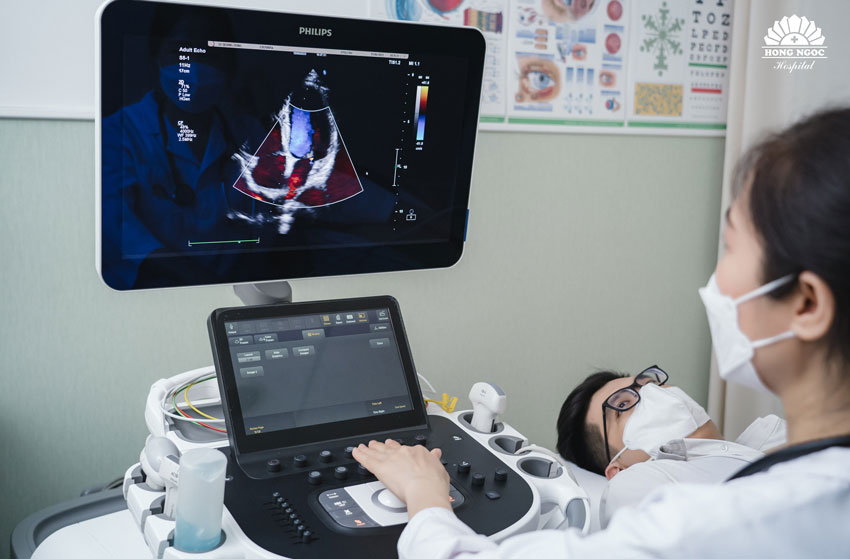
Staffed by a team of highly qualified and experienced cardiologists with extensive expertise in the diagnosis and management of cardiovascular diseases, including:
- Dr. Vu Thin, with over 20 years of experience at the Vietnam National Heart Institute – Bach Mai Hospital and Hong Ngoc General Hospital
- Dr. Le Thi Thanh Hang, with more than 20 years of clinical practice at Friendship Hospital
- Dr. Cao Manh Hung, who has worked for many years at the Vietnam National Heart Institute – Bach Mai Hospital, Hanoi Medical University Hospital, and Thanh Hoa Provincial General Hospital
- Dr. Nguyen Thi Lan Anh, with extensive experience at Thanh Nhan Hospital
Continuously investing in and updating advanced medical equipment to support accurate diagnosis and effective treatment, including:
- Voluson E8 ultrasound system and color Doppler imaging for vascular assessment
- Revolution EVO CT scanner and Signa Creator 1.5 Tesla MRI system (GE Healthcare, USA) providing high-resolution imaging
- 24-hour Holter electrocardiography system for continuous cardiac monitoring
- Abbott diagnostic laboratory system (USA) ensuring precise and reliable test results
- Digital subtraction angiography (DSA) system enabling accurate diagnosis and timely intervention for cardiovascular and cerebrovascular diseases
- Digital X-ray imaging system
Patients do not need to worry about overcrowding, long waiting times, or a noisy hospital environment, as the Cardiology clinics are designed as separate, dedicated spaces with a spacious and comfortable setting, minimizing wait times. Additionally, patients are offered a complimentary buffet during each visit at the hospital’s in-house restaurant.
Register for consultation and cardiovascular evaluation with specialists at Hong Ngoc General Hospital here:
Note: The information provided in this article by Hong Ngoc General Hospital is for reference purposes only and does not replace professional medical diagnosis or treatment. Patients should not self-medicate. For an accurate assessment of their condition, individuals are advised to visit a medical facility for direct examination, diagnosis, and appropriate treatment planning by qualified physicians.
Follow the official fanpage of Hong Ngoc General Hospital for more useful health information and updates.