
Bone tuberculosis is a serious medical condition that, if not detected early and treated promptly, can lead to severe complications. In its early stages, however, the symptoms are often vague and nonspecific, causing many patients to overlook or ignore them. Early recognition of bone tuberculosis is therefore crucial for effective treatment and optimal recovery. This article provides an overview of the symptoms of bone tuberculosis and highlights the importance of timely diagnosis and treatment.
What is bone tuberculosis?
Bone tuberculosis is an infectious disease caused by Mycobacterium tuberculosis, primarily affecting the bones and joints. The condition may develop as a complication of pulmonary tuberculosis or occur independently when the bacteria directly invade bone tissue. If not diagnosed early and treated effectively, bone tuberculosis can result in severe infection, progressive weakening of bone structure, and significant skeletal deformities.
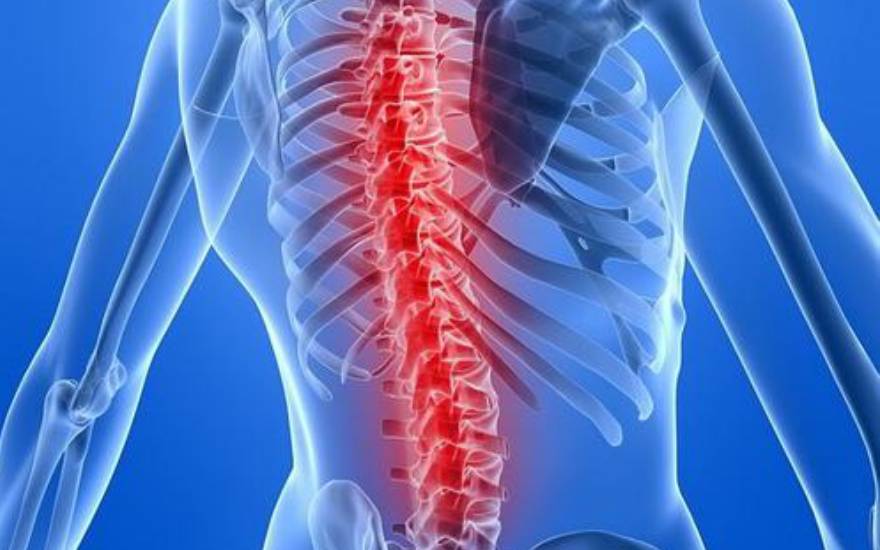
Bone tuberculosis is an infectious disease caused by Mycobacterium tuberculosis.
Mycobacterium tuberculosis bacteria travel through the bloodstream from other organs in the body, especially the lungs, and penetrate bone tissue, which is the cause of bone tuberculosis.
Individuals at risk of developing bone tuberculosis include those who:
Have weakened immune systems.
Live in crowded, unsanitary environments.
Have a history of pulmonary tuberculosis.
Have underlying conditions such as diabetes, HIV/AIDS, or are elderly.
Factors that increase the risk of bone tuberculosis include weakened immunity, frequent contact with people with tuberculosis, or living in poor sanitary conditions.
Early detection of bone tuberculosis plays an important role in preventing disease progression and minimizing the risk of complications. Therefore, monitoring health and recognizing the early signs of bone tuberculosis are necessary to protect yourself and your family from this dangerous disease.
Bone tuberculosis typically progresses through three stages. In the early stage, symptoms are often vague and easily mistaken for other health conditions. Patients may experience dull, persistent pain in the affected bones or joints, accompanied by unexplained fatigue and low-grade fever. These nonspecific signs serve as early warnings of the disease.

Unexplained fatigue and low-grade fever are early warning signs of bone tuberculosis.
As the disease progresses, symptoms become more pronounced. The affected bone area may become swollen, reddened, and increasingly difficult to move. In addition, patients may experience unexplained weight loss, a sign that the body is mounting a strong response to infection.
In advanced stages, bone tuberculosis can cause severe deformities in the affected skeletal region. Abscesses may also develop, leading to significant pain and posing a serious threat to the patient’s overall health.
Treatment of bone tuberculosis and the importance of early detection
The cornerstone of bone tuberculosis treatment is the use of antibiotics to eradicate Mycobacterium tuberculosis. Standard regimens typically include medications such as rifampicin, isoniazid, and pyrazinamide. In addition, anti-inflammatory drugs, analgesics, and corticosteroids may be prescribed in cases of severe inflammation to control symptoms and prevent further tissue damage.
Physical therapy and targeted exercises play a key role in improving joint flexibility, strengthening surrounding muscles, and supporting faster recovery. Regular follow-up and proper medical care are equally important to ensure sustained treatment outcomes and to minimize the risk of recurrence.
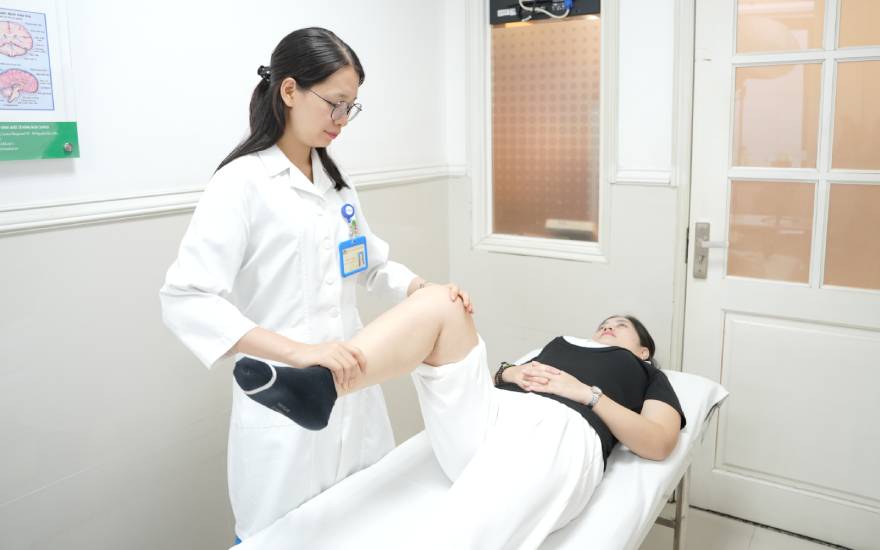
To prevent recurrence, patients should maintain a healthy lifestyle and strictly adhere to the prescribed treatment regimen as directed by their physician.
Experts emphasize that early detection and timely treatment are decisive factors in effectively controlling bone tuberculosis. To prevent recurrence, patients are advised to maintain a healthy lifestyle, strictly follow the prescribed treatment regimen, and perform rehabilitation exercises as directed by their physician.
Recognizing the early symptoms of bone tuberculosis and applying modern treatment methods help reduce pain, restore function, and improve quality of life. In addition to medical therapy, rehabilitation and post-treatment care play an essential role in maintaining long-term health.
For consultation and treatment of bone tuberculosis at Hong Ngoc General Hospital, please contact our Hotline 0889 621 046 to schedule an appointment and receive support from leading specialists. Early diagnosis and intervention are key to protecting health and preventing serious complications.
Note: The information provided in this article by Hong Ngoc General Hospital is for reference only and is not a substitute for medical diagnosis or treatment. Patients should not self-medicate. For an accurate assessment of your condition, please visit a hospital for direct examination, diagnosis, and consultation with a physician to receive an appropriate treatment plan.
Bone tuberculosis is a serious medical condition that, if not detected early and treated promptly, can lead to severe complications. In its early stages, however, the symptoms are often vague and nonspecific, causing many patients to overlook or ignore them. Early recognition of bone tuberculosis is therefore crucial for effective treatment and optimal recovery. This article provides an overview of the symptoms of bone tuberculosis and highlights the importance of timely diagnosis and treatment.
What is bone tuberculosis?
Bone tuberculosis is an infectious disease caused by Mycobacterium tuberculosis, primarily affecting the bones and joints. The condition may develop as a complication of pulmonary tuberculosis or occur independently when the bacteria directly invade bone tissue. If not diagnosed early and treated effectively, bone tuberculosis can result in severe infection, progressive weakening of bone structure, and significant skeletal deformities.
Bone tuberculosis is an infectious disease caused by Mycobacterium tuberculosis.
Mycobacterium tuberculosis bacteria travel through the bloodstream from other organs in the body, especially the lungs, and penetrate bone tissue, which is the cause of bone tuberculosis.
Individuals at risk of developing bone tuberculosis include those who:
Have weakened immune systems.
Live in crowded, unsanitary environments.
Have a history of pulmonary tuberculosis.
Have underlying conditions such as diabetes, HIV/AIDS, or are elderly.
Factors that increase the risk of bone tuberculosis include weakened immunity, frequent contact with people with tuberculosis, or living in poor sanitary conditions.
Early detection of bone tuberculosis plays an important role in preventing disease progression and minimizing the risk of complications. Therefore, monitoring health and recognizing the early signs of bone tuberculosis are necessary to protect yourself and your family from this dangerous disease.
Bone tuberculosis typically progresses through three stages. In the early stage, symptoms are often vague and easily mistaken for other health conditions. Patients may experience dull, persistent pain in the affected bones or joints, accompanied by unexplained fatigue and low-grade fever. These nonspecific signs serve as early warnings of the disease.
Unexplained fatigue and low-grade fever are early warning signs of bone tuberculosis.
As the disease progresses, symptoms become more pronounced. The affected bone area may become swollen, reddened, and increasingly difficult to move. In addition, patients may experience unexplained weight loss, a sign that the body is mounting a strong response to infection.
In advanced stages, bone tuberculosis can cause severe deformities in the affected skeletal region. Abscesses may also develop, leading to significant pain and posing a serious threat to the patient’s overall health.
Treatment of bone tuberculosis and the importance of early detection
The cornerstone of bone tuberculosis treatment is the use of antibiotics to eradicate Mycobacterium tuberculosis. Standard regimens typically include medications such as rifampicin, isoniazid, and pyrazinamide. In addition, anti-inflammatory drugs, analgesics, and corticosteroids may be prescribed in cases of severe inflammation to control symptoms and prevent further tissue damage.
Physical therapy and targeted exercises play a key role in improving joint flexibility, strengthening surrounding muscles, and supporting faster recovery. Regular follow-up and proper medical care are equally important to ensure sustained treatment outcomes and to minimize the risk of recurrence.
To prevent recurrence, patients should maintain a healthy lifestyle and strictly adhere to the prescribed treatment regimen as directed by their physician.
Experts emphasize that early detection and timely treatment are decisive factors in effectively controlling bone tuberculosis. To prevent recurrence, patients are advised to maintain a healthy lifestyle, strictly follow the prescribed treatment regimen, and perform rehabilitation exercises as directed by their physician.
Recognizing the early symptoms of bone tuberculosis and applying modern treatment methods help reduce pain, restore function, and improve quality of life. In addition to medical therapy, rehabilitation and post-treatment care play an essential role in maintaining long-term health.
For consultation and treatment of bone tuberculosis at Hong Ngoc General Hospital, please contact our Hotline 0889 621 046 to schedule an appointment and receive support from leading specialists. Early diagnosis and intervention are key to protecting health and preventing serious complications.
Note: The information provided in this article by Hong Ngoc General Hospital is for reference only and is not a substitute for medical diagnosis or treatment. Patients should not self-medicate. For an accurate assessment of your condition, please visit a hospital for direct examination, diagnosis, and consultation with a physician to receive an appropriate treatment plan.
Để lại câu hỏi của bạn để nhận được giải đáp từ các bác sĩ của Hồng Ngọc
Lorem ipsum dolor
Lorem ipsum dolor sit amet, consectetur adipiscing elit. Mauris odio lectus, pretium faucibus nisi eu, accumsan consectetur orci. In blandit vehicula nisl, vel lacinia ligula finibus a. Donec fermentum rhoncus