



Dizziness may be a warning sign of serious cardiovascular disease. When this symptom occurs, patients should seek medical evaluation for accurate diagnosis and timely treatment, in order to prevent potentially dangerous complications.
What is dizziness? Is it related to cardiovascular disease?
Dizziness is a clinical symptom characterized by a sensation of imbalance, blurred vision, lightheadedness, or a spinning or rotational feeling. This sense of instability may cause significant discomfort and interfere with daily activities.
Dizziness may occur suddenly and last for a brief period or persist over a prolonged duration. When symptoms are persistent or recurrent, it is essential to identify the underlying cause in order to initiate timely and appropriate treatment, thereby minimizing negative impacts on quality of life.
Whether dizziness is associated with serious cardiovascular disease depends on the severity of the condition and its effect on cardiac function. In some cases, dizziness may serve as a warning sign of potentially life-threatening cardiovascular disorders, such as myocardial infarction, dangerous cardiac arrhythmias, or blood pressure abnormalities. If left undiagnosed and untreated, these conditions may lead to severe complications, including acute coronary syndrome, stroke, or heart failure.
Although dizziness is not always a dangerous symptom, it should never be ignored. Prompt medical evaluation is necessary to reduce the risk of serious health complications and ensure patient safety.

Causes of dizziness associated with cardiovascular disease
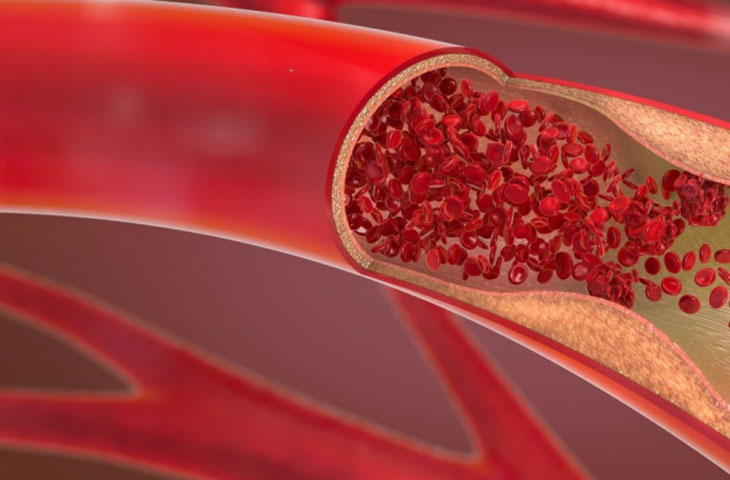
Dizziness may arise from multiple underlying causes; however, in essence, it most commonly results from reduced cerebral perfusion. When the brain does not receive an adequate supply of blood and oxygen, dizziness may occur. In cardiovascular disorders, the following mechanisms are among the most common causes of decreased blood flow to the brain:
Myocardial infarction and arterial obstruction
Myocardial infarction or obstruction of arteries supplying blood to the brain may disrupt cerebral blood flow. When the brain does not receive an adequate supply of blood and oxygen, symptoms such as dizziness may occur.
Cardiac arrhythmias
Certain conditions, including cardiac arrhythmias, tachycardia, or irregular heart rhythms, may cause dizziness. When the heart rate is abnormal, excessively fast, slow, or irregular, cardiac output becomes inefficient, leading to reduced blood flow to the brain and resulting in dizziness.
Unstable blood pressure
Both hypertension and hypotension may cause dizziness. When blood pressure is unstable, the delivery of oxygenated blood to the brain can be compromised, triggering dizziness.
Myocardial ischemia
Cardiovascular disease may lead to myocardial ischemia, a condition in which the heart muscle does not receive sufficient blood, oxygen, and nutrients to function properly. As a result, patients may experience dizziness, often accompanied by shortness of breath.
Other contributing factors
In addition, disorders affecting balance and sensory coordination within the inner ear may also contribute to dizziness in patients with cardiovascular disease.
Symptoms of dizziness associated with cardiovascular disease
Dizziness caused by cardiovascular disorders may present with the following clinical features:
- Sudden onset dizziness: A sudden sensation of instability, lightheadedness, loss of balance, or a spinning sensation, typically occurring abruptly and lasting for a short period.
- Postural dizziness: Dizziness that occurs when changing position, such as standing up from a lying or prolonged sitting position.
- Persistent dizziness: Dizziness that persists over an extended period may indicate a more serious underlying cardiovascular condition.
- Exertional dizziness: Dizziness occurring during physical activity such as climbing stairs, running, or exercising, which may result from insufficient blood and oxygen supply to the heart and brain.
- Stress induced dizziness: Dizziness triggered by emotional stress, anxiety, or strong emotional responses, which may increase heart rate and reduce effective cerebral blood flow.
Management of dizziness associated with cardiovascular disease
To effectively treat dizziness, it is essential to identify the specific underlying cardiovascular condition and assess its severity. Patients should seek evaluation at specialized medical facilities for accurate diagnosis and the development of an individualized treatment plan. However, some commonly applied treatment approaches include:
Lifestyle modification: Lifestyle changes play a crucial role in the management of cardiovascular disease. Patients are advised to maintain a healthy diet, engage in regular physical activity, achieve weight reduction if indicated, and limit alcohol consumption as well as avoid smoking.
Stress management: Reducing stress and daily psychological pressure may help alleviate dizziness and improve overall cardiovascular stability.
Cardiovascular pharmacotherapy: Physicians may prescribe medications to treat underlying heart disease and reduce dizziness. Commonly used agents include beta blockers, calcium channel blockers, and cholesterol lowering medications such as statins, which help stabilize cardiovascular function and lower the risk of dizziness.

Management of cardiac arrhythmias: In cases where dizziness is related to cardiac arrhythmias, physicians may recommend treatment options such as antiarrhythmic medications, cardiac devices including pacemakers or defibrillators, or, in certain cases, surgical intervention to restore normal heart rhythm.
Cardiac surgery: In severe cases where dizziness caused by heart disease cannot be adequately controlled with other treatments, cardiac surgery may be indicated. Procedures such as coronary stent placement, heart valve repair or replacement, or correction of structural cardiac defects may be performed.
Dizziness may serve as a warning sign of serious cardiovascular disease. Therefore, when this symptom occurs, patients should monitor its duration and frequency and seek comprehensive medical evaluation at a healthcare facility for appropriate diagnosis and management.
Reader may also be interested in:
- Persistent fatigue: a warning sign of 13 serious medical conditions
- Frequent exhaustion: causes, treatment, and prevention
- What conditions does rapid breathing indicate? Causes of rapid breathing
The Cardiology Department at Hong Ngoc General Hospital is a trusted center for cardiovascular care, supported by a team of highly experienced specialists and advanced medical technology, enabling early detection of cardiovascular conditions and the development of tailored treatment plans to effectively reduce dizziness and associated symptoms.
Register here for a consultation with cardiology specialists at Hong Ngoc Hospital:
Note: The information provided in this article by Hong Ngoc General Hospital is intended for reference purposes only and does not replace professional medical diagnosis or treatment. Patients should not self prescribe or self medicate. To accurately assess a medical condition, patients are advised to visit a healthcare facility for direct examination, diagnosis, and appropriate treatment planning by qualified physicians.
Follow the Hong Ngoc General Hospital fanpage HERE for more useful health information.