

Congenital urinary tract anomalies are relatively common in pediatric populations. These conditions may lead to urinary tract infections, renal impairment and loss of kidney function; therefore, early detection and timely treatment are essential.
Pneumonia in newborns often presents with subtle or nonspecific symptoms. Therefore, parents should pay close attention to any unusual signs, ensure early medical evaluation, and take advantage of the “golden window” for treatment. Prompt diagnosis and timely care not only maximize safety for the infant but also help minimize long-term complications that could affect healthy growth and development.
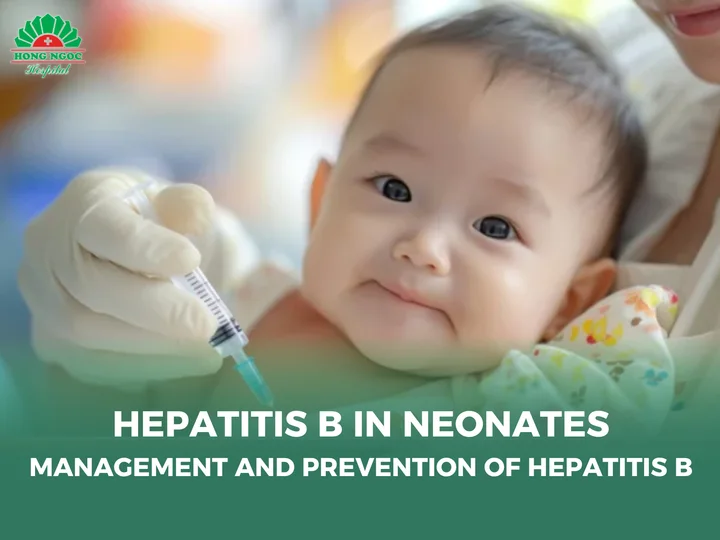
Among viral hepatitis infections, hepatitis B is considered the most serious. Both children and adults can be infected with the hepatitis B virus; however, neonatal infection is associated with particularly severe consequences and a high risk of long term complications.
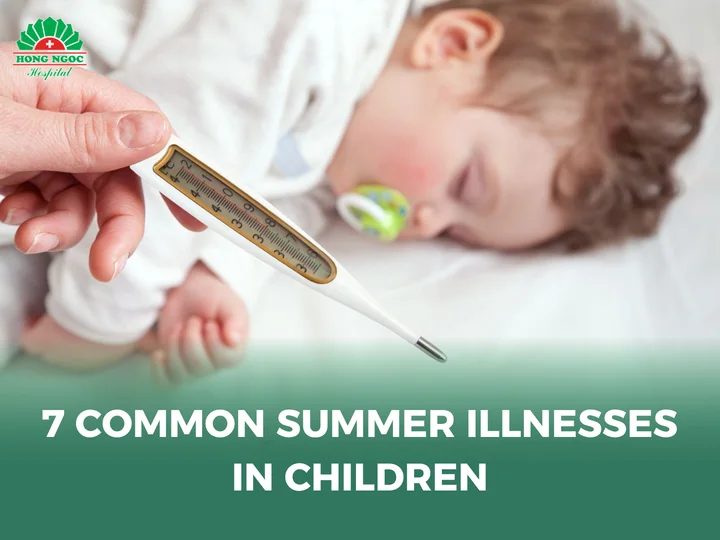
In children, due to an immature immune system and reduced resistance, the risk of developing certain serious illnesses increases during hot weather. Therefore, equipping parents with essential knowledge on the prevention of common summer-related diseases in children is crucial.
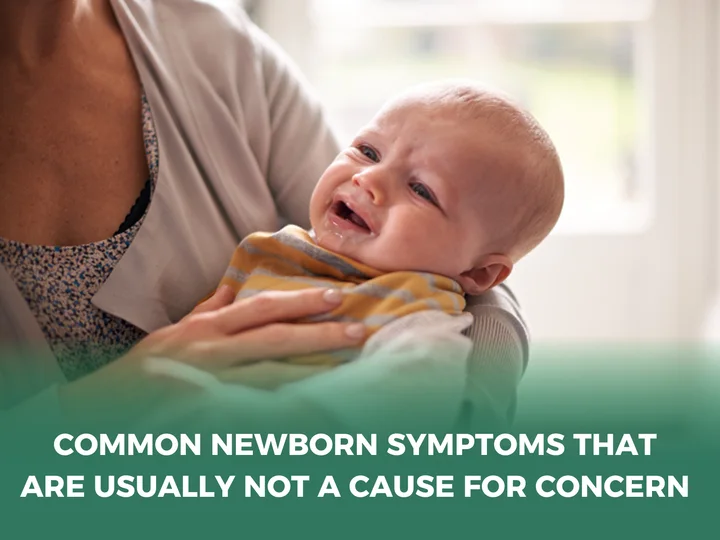
Some symptoms in newborns, such as irregular breathing, mild nasal congestion, or swollen breast tissue, often make parents worried. In fact, these conditions are usually not as serious as they may seem.
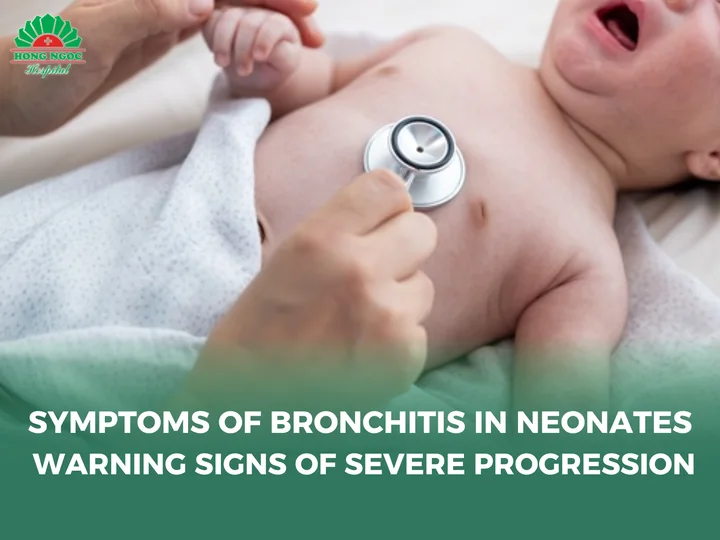
Bronchitis in neonates can progress rapidly, as infants in the early stages of life have an immature immune system and underdeveloped respiratory musculature. Parents should be vigilant for the following signs in order to ensure early detection and timely medical intervention from the onset of the disease.
Acute bronchial asthma is a sudden exacerbation of asthma that causes severe shortness of breath, wheezing, and carries a high risk of respiratory failure if not managed promptly. An attack may be triggered after a child is exposed to irritants such as dust, animal dander, cold weather, or viral infections. Early recognition of symptoms and appropriate management at home play a crucial role in reducing the risk of serious complications.
Among pediatric tumors, brain tumors are one of the leading causes of mortality. In children, brain tumors are typically primary, while secondary tumors are rare. Pediatric brain tumors represent the most common solid tumors and rank second only to hematologic malignancies, whereas primary brain tumors in adults rank eighth in frequency.
Lorem ipsum dolor
Lorem ipsum dolor sit amet, consectetur adipiscing elit. Mauris odio lectus, pretium faucibus nisi eu, accumsan consectetur orci. In blandit vehicula nisl, vel lacinia ligula finibus a. Donec fermentum rhoncus