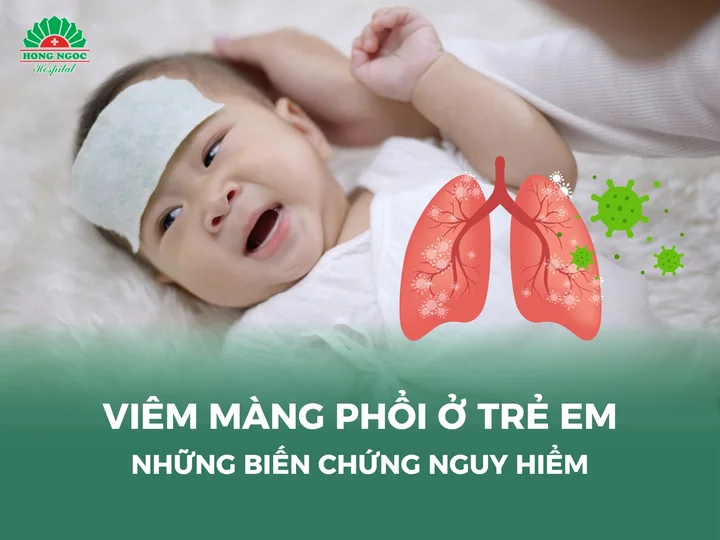



Bronchitis in neonates can progress rapidly, as infants in the early stages of life have an immature immune system and underdeveloped respiratory musculature. Parents should be vigilant for the following signs in order to ensure early detection and timely medical intervention from the onset of the disease.
Recognition of bronchitis in neonates
Bronchitis in neonates often presents with subtle and nonspecific clinical manifestations, making it easy to overlook even when the condition has progressed to a more severe stage.
- Persistent cough, initially dry and later progressing to a productive cough (mucus may be thick or loose). In neonates, coughing may be subtle and less forceful than in adults; however, caregivers may notice mild throat clearing sounds or coughing episodes during feeding.
- Respiratory distress, including tachypnea and mouth breathing, resulting from bronchial inflammation that narrows the airways and impairs airflow to the lungs.
- Wheezing or stridor. These abnormal breath sounds are often more pronounced during expiration and typically indicate airway inflammation or mucus accumulation.
- Low grade fever or absence of fever. A high or persistent fever may suggest disease progression, spreading infection, or potential complications.
- Poor feeding, regurgitation, or reduced breastfeeding, accompanied by pallor. Some infants may also develop diarrhea or dehydration if the inflammatory process is prolonged.
- Irritability, fatigue, discomfort, or, in some cases, increased sleep duration compared to normal patterns.
Etiology of bronchitis in neonates
The primary causes of bronchitis in neonates are infectious in origin, most commonly due to bacterial and viral pathogens.
- Viral pathogens: Respiratory syncytial virus (RSV), influenza virus, adenovirus, parainfluenza virus, among others, are the most common etiological agents.
- Bacterial pathogens: Although less common, certain bacteria such as Mycoplasma pneumoniae, Streptococcus pneumoniae, and other streptococcal species may also contribute to the development of bronchitis in neonates.
Viral and bacterial pathogens tend to proliferate more aggressively in the upper respiratory tract, particularly in the nasal and pharyngeal regions, under favorable conditions such as weakened immune function, exposure to polluted environments, sudden drops in temperature, or following upper respiratory infections including cough, common cold, rhinorrhea, or sinusitis.
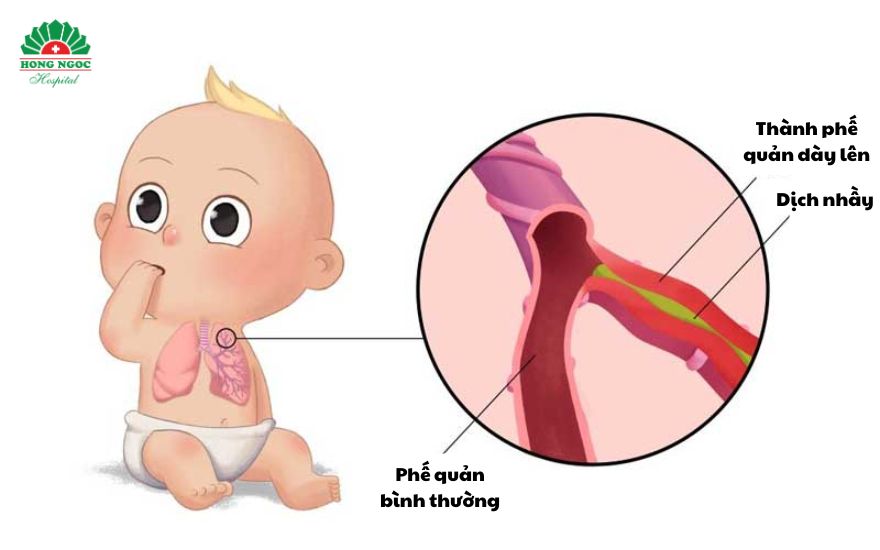
At this stage, inflammation of the bronchial tree leads to mucosal edema and excessive mucus production, resulting in airway obstruction, which manifests clinically as persistent cough and respiratory distress.
In addition, frequent exposure to environmental irritants such as dust, vehicle exhaust, tobacco smoke, or toxic fumes, as well as inappropriate childcare practices including prolonged bathing, exposure to cold water, or improper use of air conditioning, may further increase the risk of bronchitis in neonates.
Critical stage of bronchitis in neonates
Bronchitis in neonates can progress rapidly and may lead to severe complications such as pneumonia, respiratory failure, sepsis, and even coma if not promptly recognized and appropriately managed.
In the critical stage, neonates may present with the following signs:
- Persistent high fever above 39°C, accompanied by lethargy, hypotonia, dry lips and skin, fatigue, diaphoresis, poor feeding, anorexia, and increasing respiratory distress.
- Prolonged, severe coughing episodes resembling pertussis or tuberculosis related cough, which may be associated with sputum production.
- Marked chest wall movement with signs of respiratory distress, including tachypnea, labored breathing, and chest retractions.
- Cyanosis of the lips and extremities, along with pallor, indicating impaired oxygenation.
- In more severe cases, infants may develop vomiting, diarrhea, excessive drowsiness, altered consciousness or coma, seizures, and weak peripheral pulses despite tachycardia.
Parents should seek immediate medical attention if the infant exhibits any of the following signs: high fever, nasal flaring, marked respiratory effort with abdominal retractions, tachypnea, poor feeding or refusal to feed, crying due to respiratory distress, anorexia, or recurrent vomiting.
_2.jpg)
Reputable pediatric bronchitis diagnosis and treatment in Hanoi
With a team of highly qualified pediatricians possessing over 20 years of clinical experience, and a care philosophy centered on safety, advanced technology, and patient convenience, the Pediatrics Department at Hong Ngoc General Hospital is a trusted destination for the diagnosis and management of bronchitis in children.
- One on one consultation with highly experienced specialists with over 20 years of clinical expertise, enabling accurate identification of the underlying etiology in a single visit and close monitoring throughout each pediatric patient’s treatment course.
- Advanced diagnostic imaging systems, including digital X ray and computed tomography scanners, providing high resolution, detailed images for early detection of deep seated lesions and supporting precise clinical diagnosis.
- Treatment protocols aligned with WHO standards, emphasizing antibiotic stewardship. Antibiotics are prescribed only in cases of bacterial superinfection or acute respiratory failure, thereby minimizing the risk of antimicrobial resistance and recurrence. Respiratory physiotherapy is prioritized to shorten treatment duration and enhance recovery outcomes.
- Strict infection control measures implemented throughout the facility, with patient flow segregation in both outpatient and inpatient areas to ensure pediatric safety, prevent superinfection, and reduce the risk of cross transmission.
- Streamlined insurance procedures, minimizing administrative delays and waiting time.
- High quality patient amenities, including well equipped inpatient rooms, spacious pediatric play areas, and complimentary buffet services.
Note: The information provided in this article by Hong Ngoc General Hospital is for reference purposes only and does not replace professional medical diagnosis or treatment. For an accurate assessment of your medical condition, patients are advised to visit a healthcare facility for direct examination and consultation with a qualified physician to receive the most appropriate treatment plan.
Pediatrics Department – Hong Ngoc General Hospital
- 55 Yen Ninh Street, Ba Dinh District, Hanoi
- No. 8 Chau Van Liem Street, Nam Tu Liem District, Hanoi
- 3rd Floor, Building B, Tasco Mall, 07–09 Nguyen Van Linh Street, Long Bien District, Hanoi
- 10th Floor, Keangnam Landmark 72, Pham Hung Street, Hanoi
- 1st Floor, TNL Plaza Goldseason, 47 Nguyen Tuan Street, Thanh Xuan District, Hanoi
- 1st Floor, HPC Landmark 105, To Huu Street, Ha Dong District, Hanoi
- 1st, 2nd, 3rd Floors, Kosmo Tay Ho, 161 Xuan La Street, Bac Tu Liem District, Hanoi
Free consultation and appointment hotline: 0947 616 006
For more health updates, please visit: https://www.facebook.com/@KhoaNhiBVHongNgoc