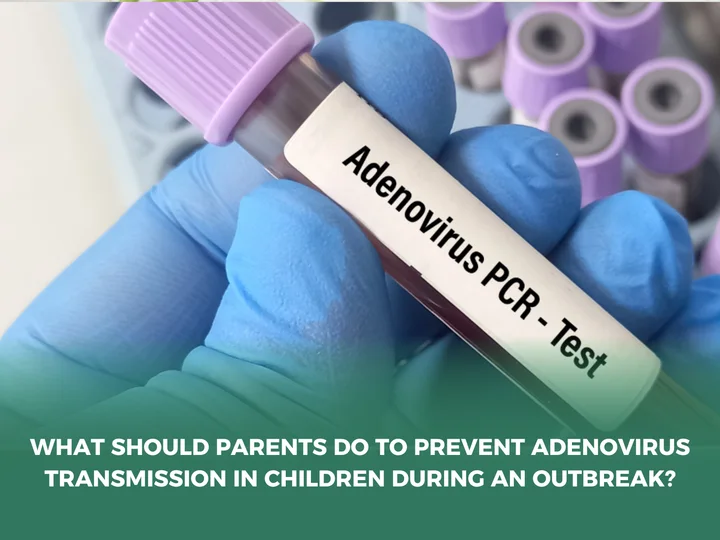




In children, due to an immature immune system and reduced resistance, the risk of developing certain serious illnesses increases during hot weather. Therefore, equipping parents with essential knowledge on the prevention of common summer-related diseases in children is crucial.
Dr. Phi Nga, Head of the Pediatrics Department at Hong Ngoc General Hospital, reported that recently there has been a notable increase in pediatric cases presenting with respiratory conditions such as pneumonia, bronchiolitis, upper respiratory tract infections, and otitis media.
In addition, several cases of dengue fever and hand, foot, and mouth disease have also been recorded. On average, the department manages nearly 100 outpatient pediatric visits per day, with only severe cases requiring hospitalization. The number of patients is expected to rise further in the coming period.
Explaining the surge in pediatric cases during hot weather, Dr. Nga stated:
“Sudden fluctuations between hot and cold temperatures during summer are one of the leading factors contributing to respiratory illnesses in children. Outdoor temperatures can reach 38-40°C, while indoor environments are often maintained at around 25-26°C. This significant temperature difference prevents the child’s body from adapting effectively, leading to uneven bronchial dilation and increasing the risk of respiratory infections.
In addition, common pathogens such as bacteria, viruses, and fungi also contribute to the high incidence of illness in children during the summer months.”
Respiratory tract infections
Upper respiratory tract infections are classified into two main categories: acute upper respiratory infections and chronic upper respiratory infections.
The most common initial clinical manifestations of respiratory tract infections include fever, typically low grade but occasionally high grade with chills, along with cough, sneezing and rhinorrhea.
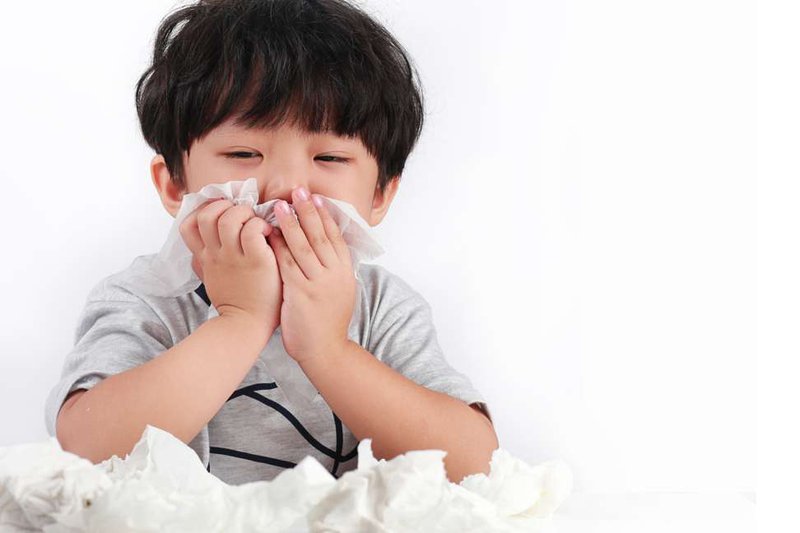
Upper respiratory tract infections comprise a spectrum of conditions, including the common cold, nasopharyngitis, pharyngitis, sinusitis and laryngitis.
Although these are distinct clinical entities, they share several characteristic manifestations that are readily recognized, including fever, sneezing, rhinorrhea, nasal congestion, sore throat, cough, hoarseness or even aphonia, as well as fatigue, headache and myalgia.
Hand, Foot and Mouth Disease
Hand, foot and mouth disease is caused by enteric viruses, most commonly Enterovirus 71 (EV71) and Coxsackieviruses. The disease is primarily transmitted via the fecal oral route from person to person.
In the early stage, children typically present with low grade fever, sore throat, oral pain, drooling and reduced appetite. Infants may become irritable, cry excessively and refuse feeding. Notably, multiple erythematous ulcerative lesions resembling aphthous ulcers often appear on the soft palate, inner lips, gingiva and tongue. On closer examination, vesicular eruptions or papular rashes may be observed on the palms, soles, knees and buttocks.
Reader may also be interested in:
- Leukemia in children
- Tuberculosis in children: Typical symptoms and potential complications
- Pediatric sepsis and clinical manifestations of sepsis
However, prompt medical evaluation is required if the child develops high fever above 39°C, marked irritability, sleep disturbances, persistent crying, lethargy, or intermittent myoclonic jerks with arm elevation. Without timely intervention, the condition may progress to severe complications, including encephalitis, myocarditis and acute pulmonary edema, which can be life threatening.
Varicella (Chickenpox)
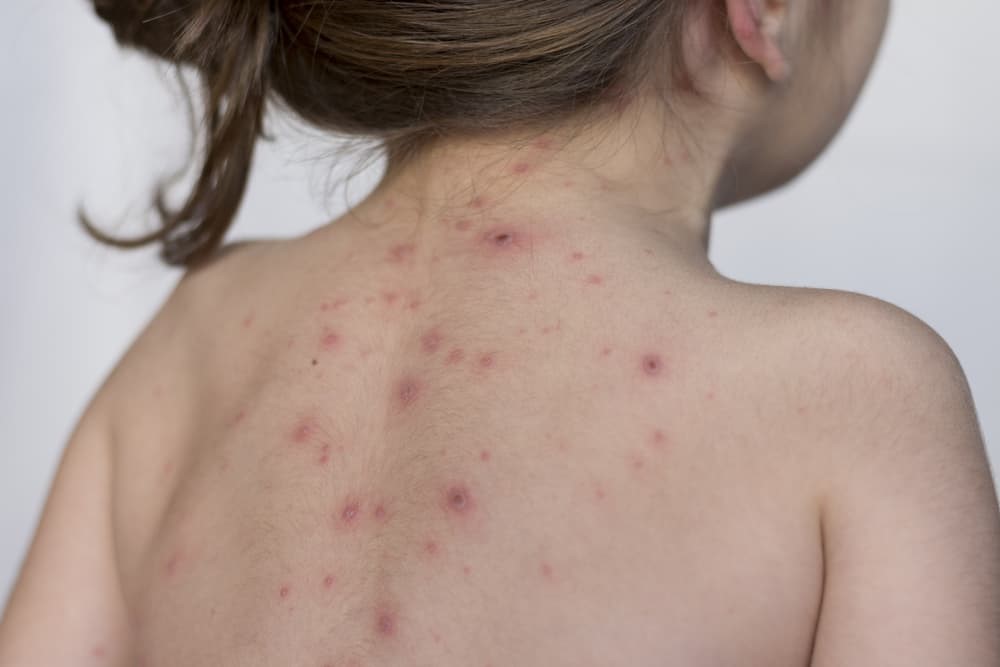
Varicella is caused by the Varicella zoster virus, characterized by vesicular lesions involving the skin and mucous membranes. Following viral entry, an incubation period of approximately 10 to 20 days precedes the onset of clinical symptoms, which may include fever, headache, malaise and anorexia.
During this stage, erythematous macules measuring a few millimeters in diameter may appear on the skin, followed by the development of vesicular lesions within 1 to 2 days. A high density of vesicular eruptions may indicate a potential progression to more severe disease.
Key considerations for patients with varicella
– Varicella is highly contagious, particularly within approximately five days before and after the onset of the rash. Transmission may also occur indirectly through contact with contaminated clothing or objects exposed to vesicular fluid. Therefore, patients should avoid crowded places to minimize disease spread.
– Patients should rest in a well ventilated, separate room. The recommended isolation period is approximately 7 to 10 days from rash onset until all vesicular lesions have completely crusted.
– Scratching of lesions should be avoided to prevent excoriation and secondary bacterial infection. Patients may bathe daily with warm water, ensuring gentle cleansing to avoid rupture of vesicles, which can cause pain, increase infection risk and lead to scarring.
– Ruptured lesions should be carefully disinfected, followed by the application of topical methylene blue to reduce the risk of infection and promote healing.
– Adequate nutritional intake should be maintained, with emphasis on supplementation of vitamins A, C and zinc to support immune function. Patients are advised to avoid glutinous foods, seafood, spicy foods and greasy dishes.
– If symptoms do not improve with home management, prompt medical evaluation is recommended to ensure appropriate treatment and prevent complications.
Viral fever: A common summer illness
Clinical manifestations of viral fever typically include high grade fever, generalized myalgia and headache, accompanied by upper respiratory symptoms such as sneezing and rhinorrhea.
Notably, a fine erythematous rash may appear on the skin, usually between days 2 and 4 of illness. The rash often progresses in a cephalocaudal pattern, initially involving the face before spreading to the trunk and extremities, and resolves in the same sequence. Additionally, cervical and occipital lymphadenopathy is commonly observed; these lymph nodes may be tender and can persist for an extended period.
Viral fever generally follows a benign course over 3 to 5 days. Management is primarily supportive, including antipyretic therapy, oral rehydration with electrolyte replacement, adequate nutritional intake and proper upper airway care to reduce the risk of secondary infections.
However, as complications may occur in certain cases, close monitoring is essential. Caregivers should seek prompt medical evaluation if warning signs develop to ensure timely diagnosis and appropriate management.
Acute diarrhea
Acute diarrhea can occur at any age; however, approximately 80% of cases are reported in children under 2 years of age.
The etiology of acute diarrhea is diverse and may include bacterial pathogens such as Shigella (bacillary dysentery), Salmonella typhi (typhoid fever) and Vibrio cholerae (cholera), as well as viral, fungal and intestinal parasitic infections.

In children with acute diarrhea, the most critical step is to assess the degree of dehydration and initiate oral rehydration therapy using oral rehydration salts. Intravenous fluid therapy is indicated only in cases of severe dehydration, persistent vomiting, inability to tolerate oral intake, or profuse diarrhea where oral replacement is insufficient.
The use of antibiotics and probiotic preparations should be prescribed by a physician. Self medication with antidiarrheal agents is strongly discouraged.
Dengue fever
Dengue fever is a viral infection transmitted through mosquito bites.
The disease typically presents with sudden onset of high grade fever lasting 2 to 7 days, accompanied by symptoms such as flushed skin, myalgia, arthralgia, headache, sore throat, conjunctival injection, fatigue, nausea and vomiting. In infants, additional symptoms may include cough, rhinorrhea and diarrhea.
Subsequently, patients may develop hemorrhagic manifestations on the skin. These petechial lesions do not blanch on pressure and are commonly observed on the forearms, lower legs, axillae, chest and lumbar region. Mucosal bleeding may occur, including epistaxis, gingival bleeding and gastrointestinal bleeding. Hepatomegaly may also develop after several days.
In some cases, the disease may progress to dengue shock syndrome, characterized by cold extremities, tachycardia and narrow pulse pressure or unrecordable blood pressure. Such cases require immediate laboratory evaluation and emergency management to prevent life threatening complications.
Japanese encephalitis
Hot summer weather creates favorable conditions for outbreaks of Japanese encephalitis. The disease is caused by an arbovirus transmitted to humans through mosquito vectors, with animals serving as the primary reservoir.
Japanese encephalitis predominantly affects children under 15 years of age, particularly those between 1 and 5 years. The disease is associated with a high mortality rate and a significant risk of severe neurological sequelae.
Common clinical manifestations include high grade fever, headache, vomiting, altered consciousness and seizures, which may rapidly progress to coma. Children presenting with these symptoms should be urgently referred to a healthcare facility for prompt diagnosis and management to reduce mortality and long term neurological complications.
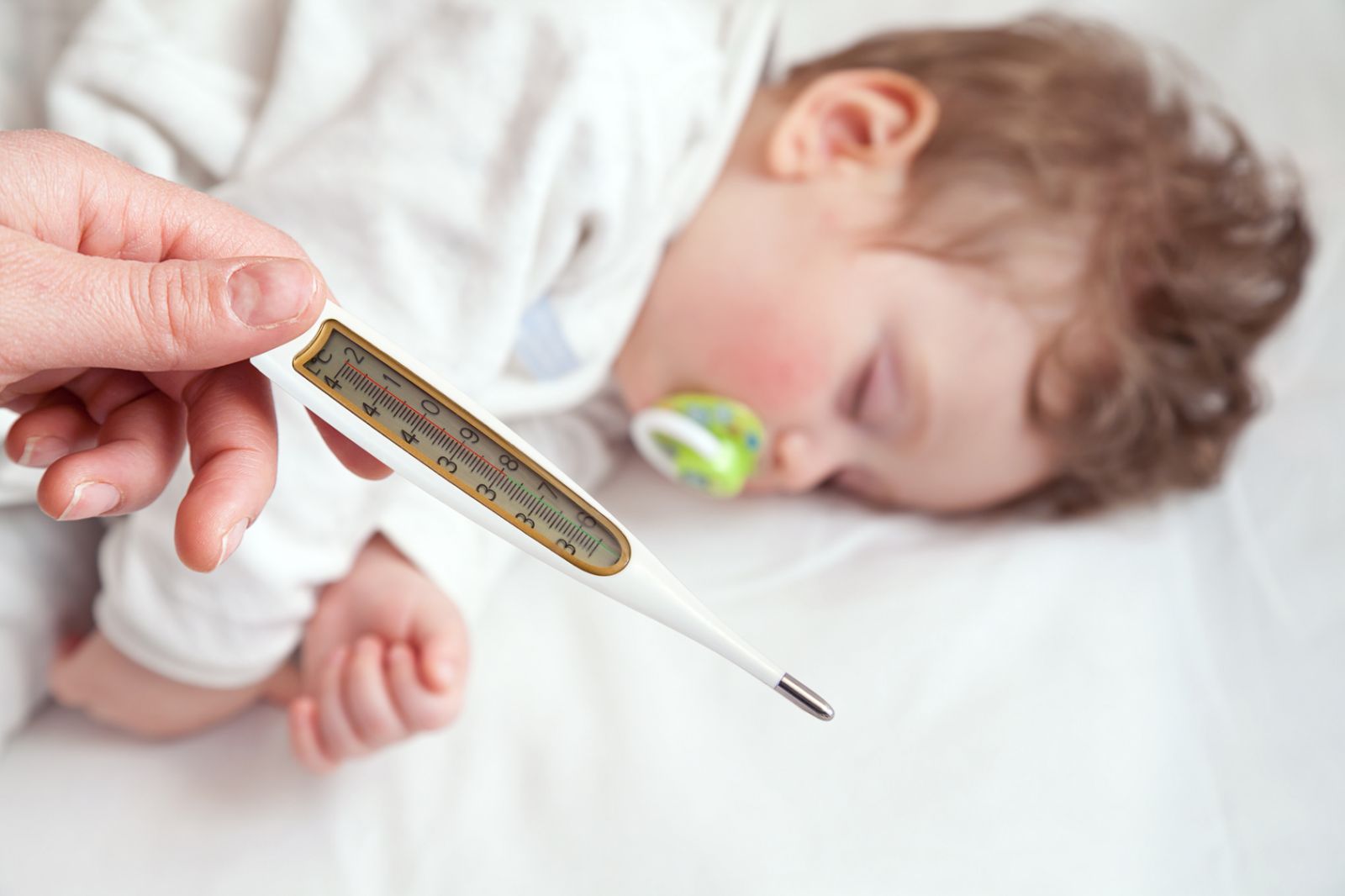
The most effective preventive measure against Japanese encephalitis is vaccination with the Japanese encephalitis vaccine.
These are among the seven common and potentially serious illnesses affecting children during the summer that parents should be particularly aware of. When a child becomes ill, caregivers should closely monitor symptoms and seek immediate medical attention if the condition worsens, ensuring timely diagnosis and treatment to prevent severe complications. Preventive measures should also be implemented to reduce the risk of seasonal infections.
Additionally, Dr. Phi Nga advises parents: sudden transitions between air conditioned environments and outdoor heat should be avoided. Indoor temperatures should be maintained at approximately 26 to 28°C and not set too low. Air conditioning should be turned off 10 to 15 minutes before taking children outdoors to allow gradual acclimatization. Proper hygiene should be maintained, and food preparation must ensure safety and cleanliness. Children presenting with fever, rhinorrhea or infectious conditions should not attend school, visit crowded places or interact closely with others to minimize the risk of transmission.
Note: The information provided in this article by Hong Ngoc General Hospital is for reference purposes only and does not replace professional medical diagnosis or treatment. Patients are strongly advised not to self medicate. For an accurate assessment of medical conditions, individuals should seek direct consultation, diagnosis and appropriate treatment planning from qualified healthcare professionals at medical facilities.
For more health related updates and useful information, please follow Hong Ngoc General Hospital’s official fanpage: https://www.facebook.com/BenhvienHongNgoc/