



Early recognition of bronchitis symptoms in children plays a crucial role in preventing serious complications that may adversely affect a child’s long-term development. Bronchitis typically progresses from mild to more severe forms through the following stages.
Early (initial) stage
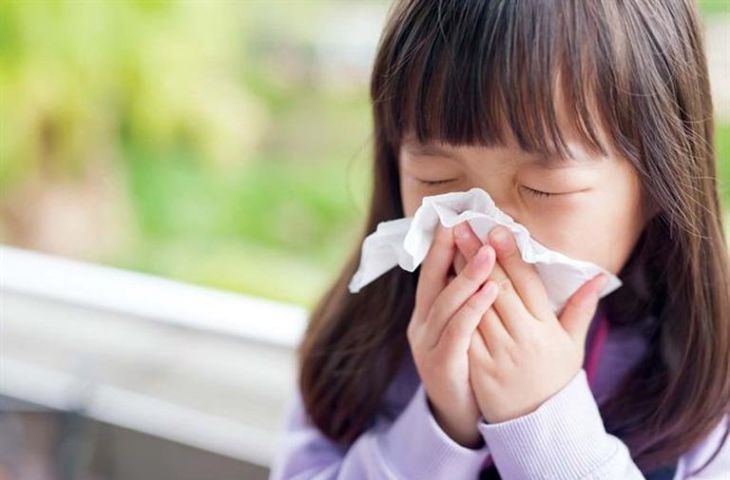
During the initial stage, children gradually develop symptoms of upper respiratory tract inflammation, including:
- Rhinorrhea, nasal congestion, and sneezing, with nasal discharge that is typically clear or whitish and may become cloudy, flowing continuously as a result of nasal mucosal inflammation caused by viral or bacterial pathogens. Children often breathe through the mouth, particularly during sleep.
- Mild cough that is initially dry and progressively increases in frequency, especially at night and in the early morning. The cough usually occurs in intermittent episodes due to irritation and inflammation of the upper airway, triggering the cough reflex.
- Fatigue, irritability, poor feeding or decreased appetite, and increased sleepiness, often related to breathing discomfort or throat irritation.
- Low-grade fever, commonly ranging from 37.5°C to 38.5°C.
Acute (fully developed) stage
During the acute stage, bronchitis symptoms become more severe and clinically apparent as the viral or bacterial load increases and the immature immune system is unable to effectively counteract the pathogens:
- Children may develop dyspnea with tachypnea and increased work of breathing, characterized by a rapid respiratory rate (greater than 60 breaths per minute), wheezing, chest retractions, and cyanosis. Marked chest wall movement and use of accessory muscles may be observed during respiration.
- Persistent coughing with prolonged paroxysms accompanied by mucoid sputum, which may be white or yellow in color. In children under five years of age, coughing episodes are often associated with vomiting as a mechanism to expel airway secretions.
- Severe nasal congestion with nasal flaring.
- High fever exceeding 39°C, accompanied by vomiting, marked fatigue, and irritability.
- Pale or cyanotic skin discoloration.
- Generalized fatigue, irritability, and chest discomfort or tightness.
Danger-stage symptoms of bronchitis in children
- Marked tachypnea and dyspnea with audible wheezing or stridor, accompanied by pronounced chest wall retractions, including intercostal spaces, suprasternal notch, and abdominal retractions during inspiration.
- High fever exceeding 39°C that is unresponsive to antipyretic therapy, potentially accompanied by chills and profuse sweating.
- Frequent and severe paroxysmal coughing with a sensation of chest tightness, often worsening at night. The cough may be productive with thick sputum and, in severe cases, blood-streaked expectoration.
- Severe fatigue, lethargy, hypotonia of the extremities, altered mental status with difficulty arousing, delayed responsiveness, tachycardia, weak pulse, and in extreme cases, seizures or coma.
- Signs of cyanosis involving the lips and extremities, with possible episodes of apnea or cardiac arrest.
- Clinical features of dehydration, poor oral intake, refusal to feed, and associated gastrointestinal disturbances.
When should a child be taken for medical evaluation?
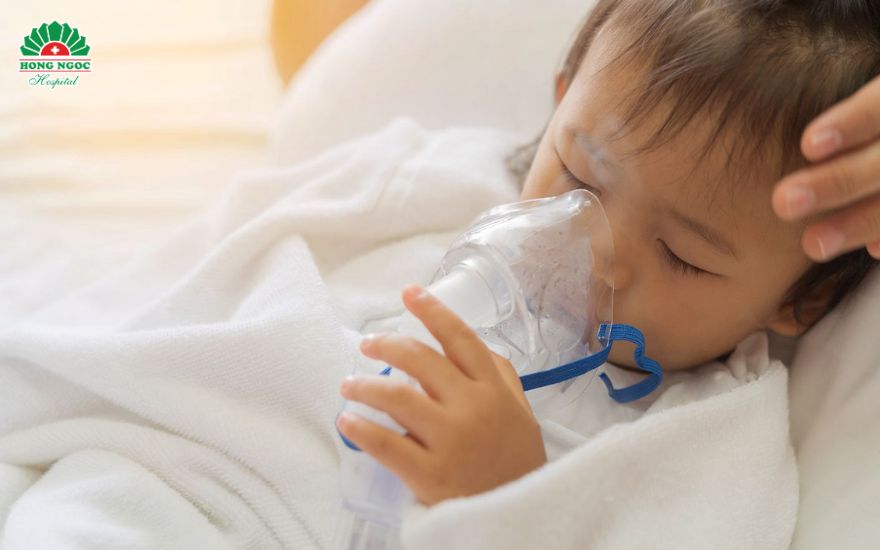
If bronchitis is not detected and treated early, it may lead to serious complications such as pneumonia, respiratory failure, and systemic infection. Therefore, parents should closely monitor children for warning signs of bronchitis, including cough, fever, dyspnea, poor feeding, or persistent irritability, and promptly bring the child to a reputable healthcare facility for evaluation and treatment from the initial stage. Early intervention helps shorten treatment duration and reduce the risk of recurrence.
Note: The information provided in this article by Hong Ngoc General Hospital is for reference purposes only and does not substitute for professional medical diagnosis or treatment. For an accurate assessment of the medical condition, patients should seek direct evaluation at a hospital or reputable healthcare facility and receive consultation from a qualified physician regarding the most appropriate treatment plan.
Guided by the principles of safe pediatric care, prevention of cross-infection, judicious use of antibiotics, and reduction of recurrence, the Pediatrics Department of Hong Ngoc is proud to be a trusted destination for parents seeking comprehensive examination and treatment for their children. Hong Ngoc General Hospital – 2 locations: 55 Yen Ninh Street, Ba Dinh District, HanoiNo. 8 Chau Van Liem Street, Tu Liem District, Hanoi Hong Ngoc General Clinics – 5 locations: No. 7 & 9 Nguyen Van Linh Street, Viet Hung Ward, HanoiLevel 1, HPC Landmark 105, Ha Dong District, HanoiLevel 1, Autumn Building, Gold Season Urban Area, No. 47 Nguyen Tuan Street, Thanh Xuan District, HanoiLevels 1 & 2, NoVo Building, Kosmo Apartment Complex, 161 Xuan La Street, Xuan Dinh Ward, HanoiLevel 10, Keangnam Hanoi Landmark Tower, Yen Hoa Ward, Hanoi Free consultation and fast appointment hotline: 0947 616 006 For more up-to-date and useful pediatric health information, please follow the official fanpage of the Pediatrics Department – Hong Ngoc General Hospital. |