
Pneumonia in children is primarily caused by viral and bacterial pathogens or by adverse environmental factors. A clear understanding of the underlying causes and recognition of associated risk factors are essential for effective prevention and protection of children’s health.
Causes of pneumonia in children
Viral pathogens
Viral infections represent the leading cause of pneumonia in children. According to epidemiological data, up to 80% of pediatric pneumonia cases are attributed to viral etiologies. Common viruses associated with pneumonia in children include:
Respiratory syncytial virus (RSV): This is the most common cause of pneumonia and bronchiolitis in neonates and young children, particularly during the winter season.
Parainfluenza virus and influenza virus: These viruses frequently cause respiratory tract infections and may progress to pneumonia if not promptly and appropriately managed. Influenza viruses, in particular, have the potential to cause large-scale outbreaks.
Adenovirus and picornavirus: These viruses may circulate year-round and can cause a spectrum of respiratory illnesses ranging from mild to severe, including pneumonia.
Bacterial pathogens
In addition to viral infections, bacteria represent a significant and concerning cause of pneumonia in children, particularly in those with immature or weakened immune systems. The bacterial etiology varies according to the child’s age group.
Neonates (under 1 month of age): In this age group, the immune system is still highly immature and vulnerable. Common bacterial pathogens causing neonatal pneumonia include:
Group B Streptococcus (GBS): This bacterium commonly colonizes the maternal vaginal tract and may be transmitted to the neonate during delivery. If not detected and treated promptly, it can lead to severe pneumonia in newborns.
Gram-negative enteric bacilli: These organisms typically reside in the gastrointestinal tract and may invade the lungs, causing serious pulmonary infections.
Infants aged 1–3 months:
Chlamydia trachomatis: Commonly transmitted from mother to child during delivery, this pathogen is a frequent cause of afebrile pneumonia in young infants.
Ureaplasma urealyticum: A small bacterium that may also be vertically transmitted from mother to neonate and can cause pneumonia.
Bordetella pertussis: The causative agent of pertussis, which is often associated with severe pneumonia as a complication if not promptly treated.
Infants aged 1–12 months:
During this period, infants begin to be exposed to a wider range of infectious sources, thereby increasing the risk of bacterial pneumonia. Common bacterial pathogens in this age group include:
Streptococcus pneumoniae: Commonly known as pneumococcus, this is the leading cause of severe pneumonia in children.
Haemophilus influenzae: This bacterium typically causes upper respiratory tract infections but may, in some cases, spread to the lower respiratory tract and result in pneumonia.
Staphylococcus aureus: A highly virulent pathogen capable of causing severe pneumonia, often associated with complications such as lung abscess formation.
Moraxella catarrhalis: A bacterium frequently implicated in otitis media and sinusitis that may progress to pneumonia.
Children aged 1–5 years:
During this stage, viral pathogens remain the predominant cause of pneumonia in young children. However, bacterial organisms such as Streptococcus pneumoniae and Haemophilus influenzae may still be responsible in certain cases.
Fungal pathogens
Certain fungi, including Candida species and Aspergillus species, may also cause pneumonia in children, particularly in those with compromised immune systems.
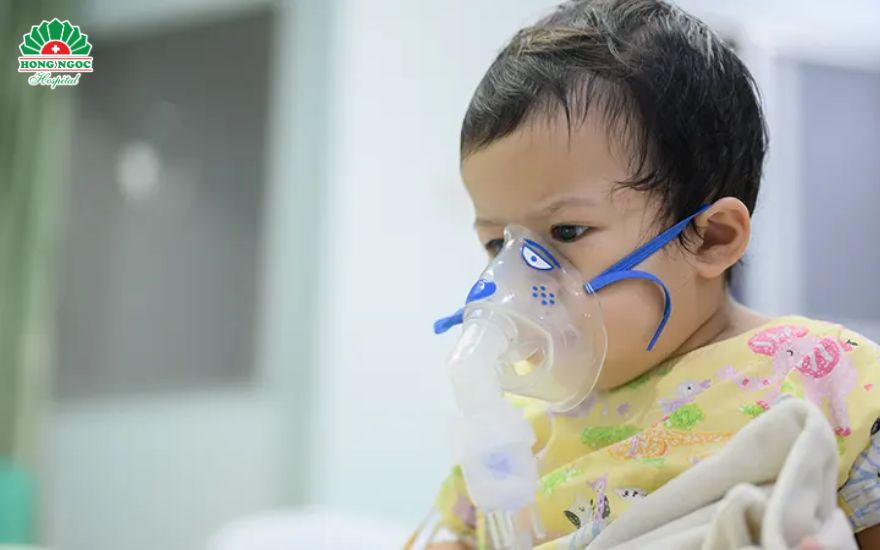
Pneumonia in children is primarily caused by viral, bacterial, and fungal pathogens.
Factors that increase the risk of pneumonia in children
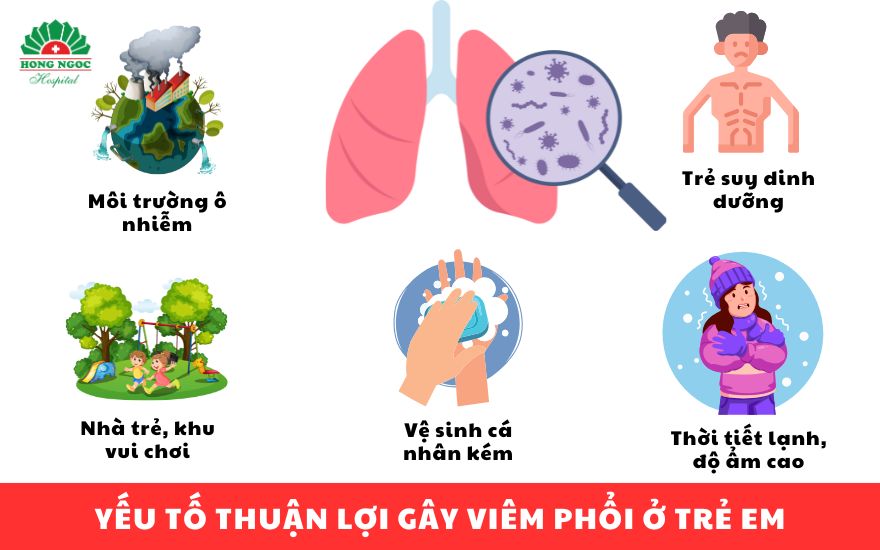
Environmental factors
Exposure to tobacco smoke. Passive inhalation of tobacco smoke is one of the most significant risk factors for pneumonia in children. Tobacco smoke damages the protective lining of the respiratory tract and promotes airway inflammation.
Air pollution. Living in polluted environments, particularly exposure to smoke from coal or wood-burning stoves or to industrial air pollutants, increases the risk of respiratory diseases, including pneumonia.
Crowded and unhygienic living conditions. Overcrowded housing, poor ventilation, and close contact with infected individuals facilitate the transmission of viral and bacterial pathogens that cause pneumonia.
Weakened immune system
Neonates, preterm infants, malnourished children under five years of age, or children with underlying conditions such as asthma have immature or compromised immune systems, making them more susceptible to pathogens that cause pneumonia.
Childcare-related factors
Incomplete immunization. Children who do not receive full vaccination coverage, including pneumococcal, Haemophilus influenzae type b (Hib), or influenza vaccines, are at higher risk of developing pneumonia. These vaccines play a critical role in reducing the incidence of severe respiratory infections.
Inadequate nutritional care. Malnourished children or those who are not exclusively or adequately breastfed are at increased risk. Breast milk provides essential antibodies that strengthen a child’s natural immune defenses. Deficiencies in micronutrients such as vitamins A and D, and zinc further impair immune function, increasing susceptibility to bacterial and viral infections.
Inappropriate medication use. Overuse of antibiotics or improper treatment of other medical conditions may weaken the immune system, rendering children more vulnerable to pneumonia.
Pneumonia is commonly observed in children under five years of age due to their immature immune systems.
Community transmission factors
Close contact with infected individuals. Children are more likely to acquire pneumonia through close exposure to infected persons, particularly in crowded settings such as schools, daycare centers, or healthcare facilities.
Poor personal hygiene. Infrequent handwashing or sharing personal items with infected individuals increases the risk of bacterial and viral transmission.
Enclosed and poorly ventilated environments. Damp, crowded, or inadequately ventilated living spaces create favorable conditions for the proliferation and spread of pneumonia-causing pathogens.
Weather and seasonal factors
Winter and cold weather. The incidence of pneumonia increases during colder months, as low temperatures can impair the natural protective mechanisms of the respiratory tract. In addition, respiratory syncytial virus (RSV) and influenza viruses commonly circulate during the cold season, further elevating the risk of pneumonia in children.
High humidity. Humid environments provide favorable conditions for the growth of fungi and bacteria, increasing children’s susceptibility to respiratory infections.
Note: The information provided in this article by Hong Ngoc General Hospital is for reference purposes only and does not replace professional medical diagnosis or treatment. For an accurate assessment of the medical condition, patients should visit a hospital or reputable healthcare facility for direct examination and consultation with a physician regarding the most appropriate treatment plan.
Guided by the principles of safe pediatric care, prevention of cross-infection, judicious use of antibiotics, and reduction of recurrence, the Pediatrics Department of Hong Ngoc is proud to be a trusted destination for parents seeking comprehensive examination and treatment for their children.
Hong Ngoc General Hospital – 2 locations: 55 Yen Ninh Street, Ba Dinh District, HanoiNo. 8 Chau Van Liem Street, Tu Liem District, Hanoi
Hong Ngoc General Clinics – 5 locations: No. 7 & 9 Nguyen Van Linh Street, Viet Hung Ward, HanoiLevel 1, HPC Landmark 105, Ha Dong District, HanoiLevel 1, Autumn Building, Gold Season Urban Area, No. 47 Nguyen Tuan Street, Thanh Xuan District, HanoiLevels 1 & 2, NoVo Building, Kosmo Apartment Complex, 161 Xuan La Street, Xuan Dinh Ward, HanoiLevel 10, Keangnam Hanoi Landmark Tower, Yen Hoa Ward, Hanoi
Free consultation and fast appointment hotline: 0947 616 006
For more useful pediatric health information, please follow the official fanpage of the Pediatrics Department – Hong Ngoc General Hospital.
Pneumonia in children is primarily caused by viral and bacterial pathogens or by adverse environmental factors. A clear understanding of the underlying causes and recognition of associated risk factors are essential for effective prevention and protection of children’s health.
Causes of pneumonia in children
Viral pathogens
Viral infections represent the leading cause of pneumonia in children. According to epidemiological data, up to 80% of pediatric pneumonia cases are attributed to viral etiologies. Common viruses associated with pneumonia in children include:
Respiratory syncytial virus (RSV): This is the most common cause of pneumonia and bronchiolitis in neonates and young children, particularly during the winter season.
Parainfluenza virus and influenza virus: These viruses frequently cause respiratory tract infections and may progress to pneumonia if not promptly and appropriately managed. Influenza viruses, in particular, have the potential to cause large-scale outbreaks.
Adenovirus and picornavirus: These viruses may circulate year-round and can cause a spectrum of respiratory illnesses ranging from mild to severe, including pneumonia.
Bacterial pathogens
In addition to viral infections, bacteria represent a significant and concerning cause of pneumonia in children, particularly in those with immature or weakened immune systems. The bacterial etiology varies according to the child’s age group.
Neonates (under 1 month of age): In this age group, the immune system is still highly immature and vulnerable. Common bacterial pathogens causing neonatal pneumonia include:
Group B Streptococcus (GBS): This bacterium commonly colonizes the maternal vaginal tract and may be transmitted to the neonate during delivery. If not detected and treated promptly, it can lead to severe pneumonia in newborns.
Gram-negative enteric bacilli: These organisms typically reside in the gastrointestinal tract and may invade the lungs, causing serious pulmonary infections.
Infants aged 1–3 months:
Chlamydia trachomatis: Commonly transmitted from mother to child during delivery, this pathogen is a frequent cause of afebrile pneumonia in young infants.
Ureaplasma urealyticum: A small bacterium that may also be vertically transmitted from mother to neonate and can cause pneumonia.
Bordetella pertussis: The causative agent of pertussis, which is often associated with severe pneumonia as a complication if not promptly treated.
Infants aged 1–12 months:
During this period, infants begin to be exposed to a wider range of infectious sources, thereby increasing the risk of bacterial pneumonia. Common bacterial pathogens in this age group include:
Streptococcus pneumoniae: Commonly known as pneumococcus, this is the leading cause of severe pneumonia in children.
Haemophilus influenzae: This bacterium typically causes upper respiratory tract infections but may, in some cases, spread to the lower respiratory tract and result in pneumonia.
Staphylococcus aureus: A highly virulent pathogen capable of causing severe pneumonia, often associated with complications such as lung abscess formation.
Moraxella catarrhalis: A bacterium frequently implicated in otitis media and sinusitis that may progress to pneumonia.
Children aged 1–5 years:
During this stage, viral pathogens remain the predominant cause of pneumonia in young children. However, bacterial organisms such as Streptococcus pneumoniae and Haemophilus influenzae may still be responsible in certain cases.
Fungal pathogens
Certain fungi, including Candida species and Aspergillus species, may also cause pneumonia in children, particularly in those with compromised immune systems.
Pneumonia in children is primarily caused by viral, bacterial, and fungal pathogens.
Factors that increase the risk of pneumonia in children
Environmental factors
Exposure to tobacco smoke. Passive inhalation of tobacco smoke is one of the most significant risk factors for pneumonia in children. Tobacco smoke damages the protective lining of the respiratory tract and promotes airway inflammation.
Air pollution. Living in polluted environments, particularly exposure to smoke from coal or wood-burning stoves or to industrial air pollutants, increases the risk of respiratory diseases, including pneumonia.
Crowded and unhygienic living conditions. Overcrowded housing, poor ventilation, and close contact with infected individuals facilitate the transmission of viral and bacterial pathogens that cause pneumonia.
Weakened immune system
Neonates, preterm infants, malnourished children under five years of age, or children with underlying conditions such as asthma have immature or compromised immune systems, making them more susceptible to pathogens that cause pneumonia.
Childcare-related factors
Incomplete immunization. Children who do not receive full vaccination coverage, including pneumococcal, Haemophilus influenzae type b (Hib), or influenza vaccines, are at higher risk of developing pneumonia. These vaccines play a critical role in reducing the incidence of severe respiratory infections.
Inadequate nutritional care. Malnourished children or those who are not exclusively or adequately breastfed are at increased risk. Breast milk provides essential antibodies that strengthen a child’s natural immune defenses. Deficiencies in micronutrients such as vitamins A and D, and zinc further impair immune function, increasing susceptibility to bacterial and viral infections.
Inappropriate medication use. Overuse of antibiotics or improper treatment of other medical conditions may weaken the immune system, rendering children more vulnerable to pneumonia.
Pneumonia is commonly observed in children under five years of age due to their immature immune systems.
Community transmission factors
Close contact with infected individuals. Children are more likely to acquire pneumonia through close exposure to infected persons, particularly in crowded settings such as schools, daycare centers, or healthcare facilities.
Poor personal hygiene. Infrequent handwashing or sharing personal items with infected individuals increases the risk of bacterial and viral transmission.
Enclosed and poorly ventilated environments. Damp, crowded, or inadequately ventilated living spaces create favorable conditions for the proliferation and spread of pneumonia-causing pathogens.
Weather and seasonal factors
Winter and cold weather. The incidence of pneumonia increases during colder months, as low temperatures can impair the natural protective mechanisms of the respiratory tract. In addition, respiratory syncytial virus (RSV) and influenza viruses commonly circulate during the cold season, further elevating the risk of pneumonia in children.
High humidity. Humid environments provide favorable conditions for the growth of fungi and bacteria, increasing children’s susceptibility to respiratory infections.
Note: The information provided in this article by Hong Ngoc General Hospital is for reference purposes only and does not replace professional medical diagnosis or treatment. For an accurate assessment of the medical condition, patients should visit a hospital or reputable healthcare facility for direct examination and consultation with a physician regarding the most appropriate treatment plan.
Guided by the principles of safe pediatric care, prevention of cross-infection, judicious use of antibiotics, and reduction of recurrence, the Pediatrics Department of Hong Ngoc is proud to be a trusted destination for parents seeking comprehensive examination and treatment for their children.
Hong Ngoc General Hospital – 2 locations: 55 Yen Ninh Street, Ba Dinh District, HanoiNo. 8 Chau Van Liem Street, Tu Liem District, Hanoi
Hong Ngoc General Clinics – 5 locations: No. 7 & 9 Nguyen Van Linh Street, Viet Hung Ward, HanoiLevel 1, HPC Landmark 105, Ha Dong District, HanoiLevel 1, Autumn Building, Gold Season Urban Area, No. 47 Nguyen Tuan Street, Thanh Xuan District, HanoiLevels 1 & 2, NoVo Building, Kosmo Apartment Complex, 161 Xuan La Street, Xuan Dinh Ward, HanoiLevel 10, Keangnam Hanoi Landmark Tower, Yen Hoa Ward, Hanoi
Free consultation and fast appointment hotline: 0947 616 006
For more useful pediatric health information, please follow the official fanpage of the Pediatrics Department – Hong Ngoc General Hospital.
Để lại câu hỏi của bạn để nhận được giải đáp từ các bác sĩ của Hồng Ngọc
Lorem ipsum dolor
Lorem ipsum dolor sit amet, consectetur adipiscing elit. Mauris odio lectus, pretium faucibus nisi eu, accumsan consectetur orci. In blandit vehicula nisl, vel lacinia ligula finibus a. Donec fermentum rhoncus