




Benign prostatic hyperplasia (BPH) is a condition in which the prostate gland in men grows beyond its normal size. It is most commonly seen in middle-aged and older men. The following article will provide detailed information on the causes, symptoms, and treatment methods of BPH.
What is benign prostatic hyperplasia (BPH)?
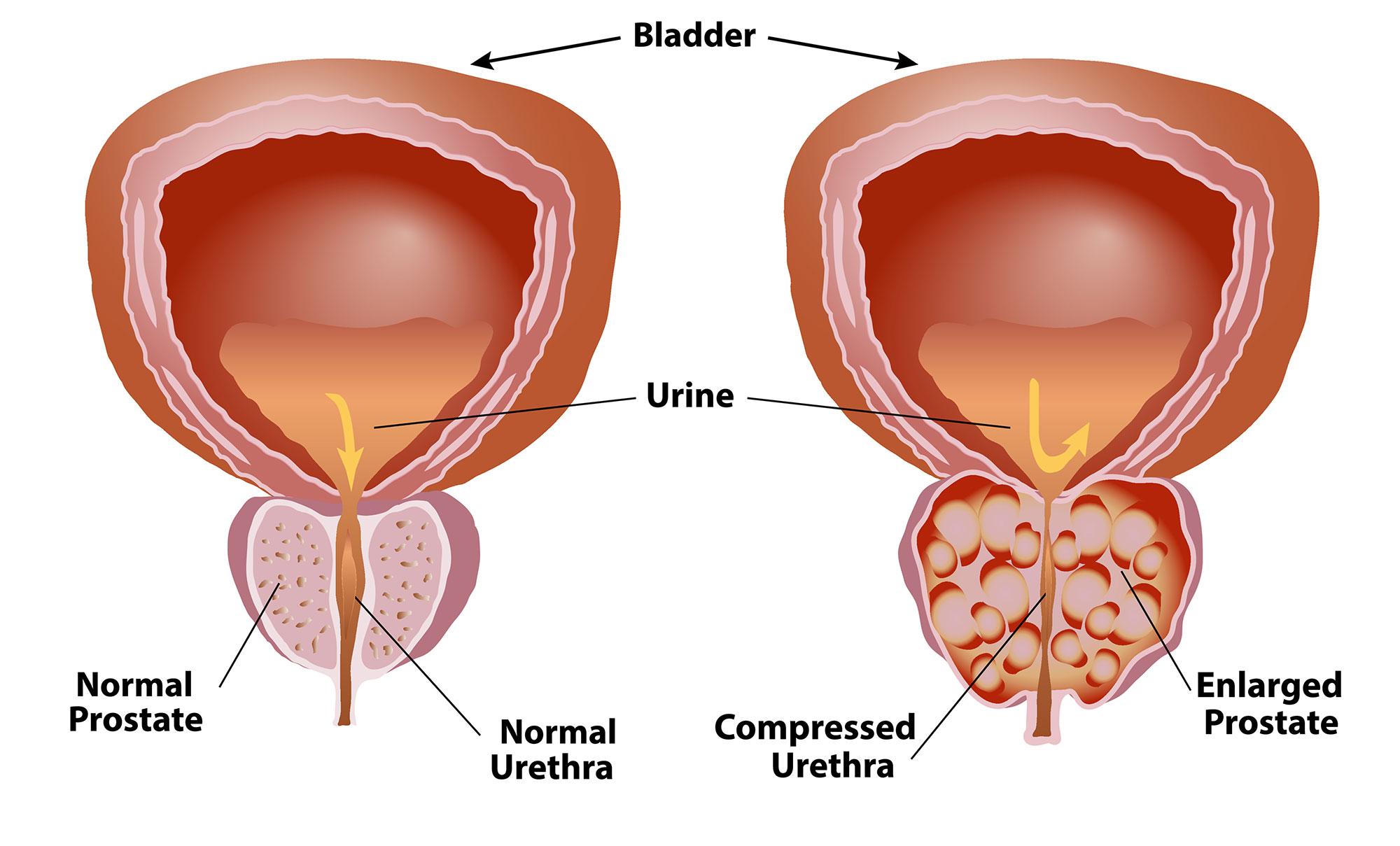
Benign prostatic hyperplasia, also known as prostate enlargement or benign prostatic tumor, is a common condition in older men. The prostate is a small gland weighing about 10–20 grams, playing an important role in urinary control and preventing semen from flowing back into the bladder during ejaculation.
BPH occurs when the prostate grows abnormally in size, compressing the urethra and bladder. This leads to urinary symptoms such as difficulty urinating, increased frequency, urgency, incomplete emptying, and complications including urinary tract infections, bladder stones, and impaired kidney function.
Although BPH is a benign disease, if not diagnosed and treated in time, it can cause serious complications and significantly affect quality of life. While BPH itself does not progress to prostate cancer, in many cases, prostate cancer may be detected concurrently with BPH.
What causes benign prostatic hyperplasia (BPH)?
The exact cause of benign prostatic hyperplasia has not yet been fully determined. However, research shows that aging and male hormones are the most significant contributing factors.
Hormonal changes with age: As men get older, hormonal activity becomes imbalanced. A decrease in testosterone and an increase in estrogen are linked to prostate enlargement. In addition, older men tend to have higher levels of dihydrotestosterone (DHT) in the prostate, even when blood testosterone levels are reduced. This imbalance stimulates prostate cells to continue growing, thereby increasing the risk of BPH.
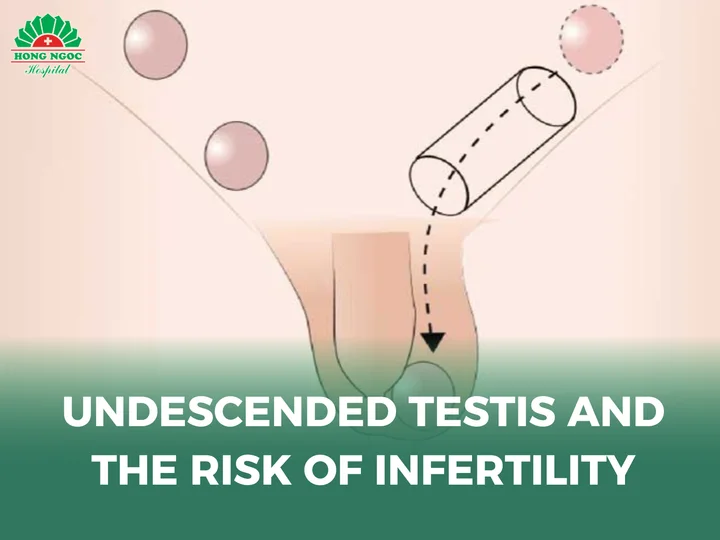
Genetic and testicular factors: Family history plays a role—men with a father or brother who has BPH are more likely to develop the condition. Testicular abnormalities can also contribute to the risk.
Lifestyle and diet: An unhealthy lifestyle may accelerate the development of BPH. Diets high in red meat and dairy products but low in fiber and healthy fats, combined with lack of exercise, frequent use of stimulants (alcohol, tobacco, caffeine), and poor sleep quality, may increase both the risk of BPH and the difficulty of treatment.
What are the symptoms of benign prostatic hyperplasia (BPH)?
Depending on the severity of the condition, men with BPH may experience different symptoms. Common signs include:
- Difficulty urinating, painful urination, or urinary retention: Patients may feel the urge to urinate but need to wait a while before passing urine, sometimes accompanied by pain.
- Weak or interrupted urinary stream: Urine flow is weak, dribbling, or split into small streams.
- Urinary incontinence: Involuntary leakage of small amounts of urine, leading to wet spots on clothing.
- Frequent urination, especially at night (nocturia): Increased need to urinate with shorter intervals between voids, often disturbing sleep.
Less common symptoms may include urinary tract infections or hematuria (blood in urine).
Although benign, if not detected and treated promptly, BPH can lead to serious complications such as bladder stones, chronic urinary retention, and recurrent urinary tract infections.
Men who suspect they may have BPH are encouraged to schedule a consultation with specialists at Hong Ngoc General Hospital via hotline 0912.002.131 or submit their information HERE for proper medical advice and treatment.
How is benign prostatic hyperplasia (BPH) diagnosed?
To determine the presence and severity of BPH, physicians will first conduct a clinical evaluation, including medical history (such as family history) and current symptoms, to make an initial assessment. Based on this, appropriate paraclinical tests will be prescribed. These tests help confirm whether the patient has BPH and evaluate its extent.
Ultrasound: This is a key imaging tool that allows doctors to assess the volume, size, and shape of the prostate, thereby identifying the degree of enlargement. An abnormally large prostate is a sign of hyperplasia. Ultrasound can also detect other conditions such as bladder stones, fibroids, or tumors in the urinary tract, providing a more comprehensive diagnosis. Prostate ultrasound may be performed via several approaches, including transrectal ultrasound, transperineal ultrasound, and Doppler ultrasound.

Cystoscopy: A thin scope is inserted through the urethra to examine the urethra and bladder. This allows doctors to detect other conditions such as bladder stones, fibroids, or tumors in the urinary tract.
PSA test: A blood test that measures the level of prostate-specific antigen (PSA). This test helps distinguish BPH from prostate cancer.
Additional tests: Depending on the clinical situation, doctors may order urine culture and antibiotic sensitivity testing, biopsy, or MRI scans. Not every patient requires all of these tests; physicians will decide which are most appropriate based on the individual case.
How is benign prostatic hyperplasia (BPH) treated?
Treatment options depend on the severity of symptoms and the patient’s overall health condition. Approaches include lifestyle adjustments, medication, and surgical intervention.
Natural management
For patients with mild BPH, conservative management may be sufficient. This includes adequate rest, regular exercise, lifestyle modifications such as avoiding holding urine, urinating when the urge appears, reducing alcohol and stimulant intake, and minimizing stress. These measures can help relieve symptoms without the need for medication or surgery.
Medical treatment
If lifestyle changes alone are not effective, medication may be prescribed. Drugs are used to relieve symptoms and prevent complications, including:
- Alpha-blockers to relax the muscles of the bladder neck and prostate, improving urine flow
- Hormonal agents to reduce prostate size
- Antibiotics in cases of chronic bacterial prostatitis
However, medications can cause unwanted side effects such as fatigue, low blood pressure, and erectile dysfunction. Patients must not self-medicate and should strictly follow the prescriptions of specialist physicians.
Surgical intervention
When medication fails, or in cases where the prostate enlarges beyond 80g, surgery may be recommended.
- Transurethral resection of the prostate (TURP): This procedure removes enlarged prostate tissue using a resectoscope inserted through the urethra. It is associated with less pain, faster recovery, shorter hospital stays, and fewer complications compared to traditional open surgery. Nevertheless, it is contraindicated in patients with urethral strictures (preventing scope insertion), acute prostatitis, urinary tract infection, ankylosed joints, or serious active comorbidities (e.g., cardiovascular or respiratory disease).
- Laser enucleation of the prostate (HoLEP): An advanced, minimally invasive technique that uses a holmium laser to remove excess prostate tissue. Advantages include minimal blood loss, reduced risk of postoperative bleeding, preservation of surrounding structures, and lower risk of damage to nerves and blood vessels related to sexual function. This method is also suitable for patients with poor general health or complex medical conditions.

Bipolar transurethral resection of the prostate (bipolar TURP) is a representative endoscopic surgical technique used to reduce the size of the prostate in men with benign prostatic hyperplasia. Compared with conventional surgery, this method offers several advantages: Lower risk of bleeding, Reduced impact on sexual function, Faster recovery, Proven effectiveness and safety.
Reader may also be interested in:
- Benign prostatic hyperplasia (BPH): Causes, symptoms, and treatment methods
- Prostatitis: causes, symptoms, and treatment
Prostatic artery embolization (PAE)
Prostatic artery embolization is a minimally invasive technique that blocks the blood supply to the enlarged prostate, helping to reduce its size and improve symptoms such as nocturia and urinary retention. This method has been shown to be highly effective in the treatment of benign prostatic hyperplasia.
With the support of a digital subtraction angiography (DSA) system integrated with artificial intelligence (AI), physicians insert a catheter into the arteries supplying the prostate and inject embolic materials to occlude these vessels. By cutting off the blood supply, the prostate gradually shrinks, relieving pressure on the urethra and bladder. As a result, symptoms like difficulty urinating and frequent urination are significantly improved.
This technique preserves the prostate gland and avoids complications such as retrograde ejaculation or erectile dysfunction. It is suitable for patients of all ages, particularly younger men who wish to preserve sexual function. Moreover, it is an effective alternative for patients who are not candidates for surgery due to comorbidities such as cardiovascular or respiratory diseases.

Where to get examination and treatment for benign prostatic hyperplasia?
The diagnosis and treatment of benign prostatic hyperplasia (BPH) should always be performed by experienced medical specialists, particularly urologists.
At the Andrology and Urologic Surgery Department of Hong Ngoc General Hospital, patients benefit from:
- Expert care from leading specialists – headed by Assoc. Prof. Dr. Trinh Minh Thanh, with over 30 years of experience in managing male urological conditions and multiple surgical certifications from the United States, Japan, and other countries.
- Comprehensive diagnostic system – including automated biochemical testing, Doppler ultrasound, and advanced-generation MRI, enabling thorough evaluation of BPH and supporting specialists in surgical decision-making.
- Modern medical equipment – imported from Germany and Japan, ensuring accuracy, safety, and effectiveness in treatment.
To schedule an appointment with our specialists, please contact the hotline 0912.002.131 or fill in the online form below for proper consultation and treatment guidance.
Note: The information provided in this article by Hong Ngoc General Hospital is for reference only and is not a substitute for professional medical diagnosis or treatment.