

Testicular torsion is a dangerous acute condition. Timely recognition and treatment can help prevent serious complications that may affect male reproductive health.
What is testicular torsion?
Testicular torsion is a medical emergency that occurs when the testis twists around the spermatic cord, obstructing or reducing arterial blood flow and decreasing oxygen supply to the testis.
This condition can occur at any age, but it is most commonly seen in children and young men. Without timely emergency treatment, the testis may become necrotic and require surgical removal, potentially affecting male fertility and even leading to infertility.
Children and young men have a higher incidence of testicular torsion.
Causes of testicular torsion in men
Most patients with testicular torsion have no prior health problems, and the exact cause of the condition has not yet been clearly identified. However, several factors may be considered, including:
Genetic factors: Congenital abnormalities of the spermatic cord or the supporting tissues of the testis are among the most common factors that make the testis more prone to torsion. This condition may affect both testes.
Trauma: Testicular torsion may occur several hours after scrotal trauma or strenuous physical activity that exerts force on the testis.
Temperature: Testicular torsion may also occur when the temperature drops too low.
Puberty: Rapid testicular growth during puberty may also contribute to the development of testicular torsion.
In addition, several other risk factors may increase the likelihood of testicular torsion, including:
Age: Testicular torsion is more commonly seen in newborns and adolescents during puberty, particularly between the ages of 16 and 18.
Difference in testicular size: Having one testis larger than the other may also increase the risk of testicular torsion.
Signs of testicular torsion
Patients who experience the following symptoms may be showing signs of testicular torsion:
Severe pain on one side of the scrotum, with pain radiating along the spermatic cord to the thigh and groin
Redness and swelling of the scrotum
One testis positioned higher than the other
Fever and dizziness
Lower abdominal pain or discomfort
Nausea and vomiting
Frequent urination
An abnormal lump in the scrotum
For consultation regarding testicular torsion, please contact the hotline at 0912 002 131 or leave your information HERE.
Serious complications of testicular torsion
When signs of testicular torsion appear but the condition is not treated promptly, serious complications may occur, including:
Severe testicular damage: Testicular torsion can severely compromise blood flow and oxygen supply to the reproductive organ.
Sepsis: Testicular torsion causes vascular obstruction, depriving the testis of oxygen and nutrients. This may lead to testicular necrosis, requiring removal of the affected testis to prevent further spread of infection or tissue damage.
Damage to the contralateral testis: Injury to one testis may stimulate the immune system to produce antibodies and proteins, potentially increasing the risk of damage to the opposite testis.
Infertility: Testicular torsion may adversely affect sperm quality to varying degrees.
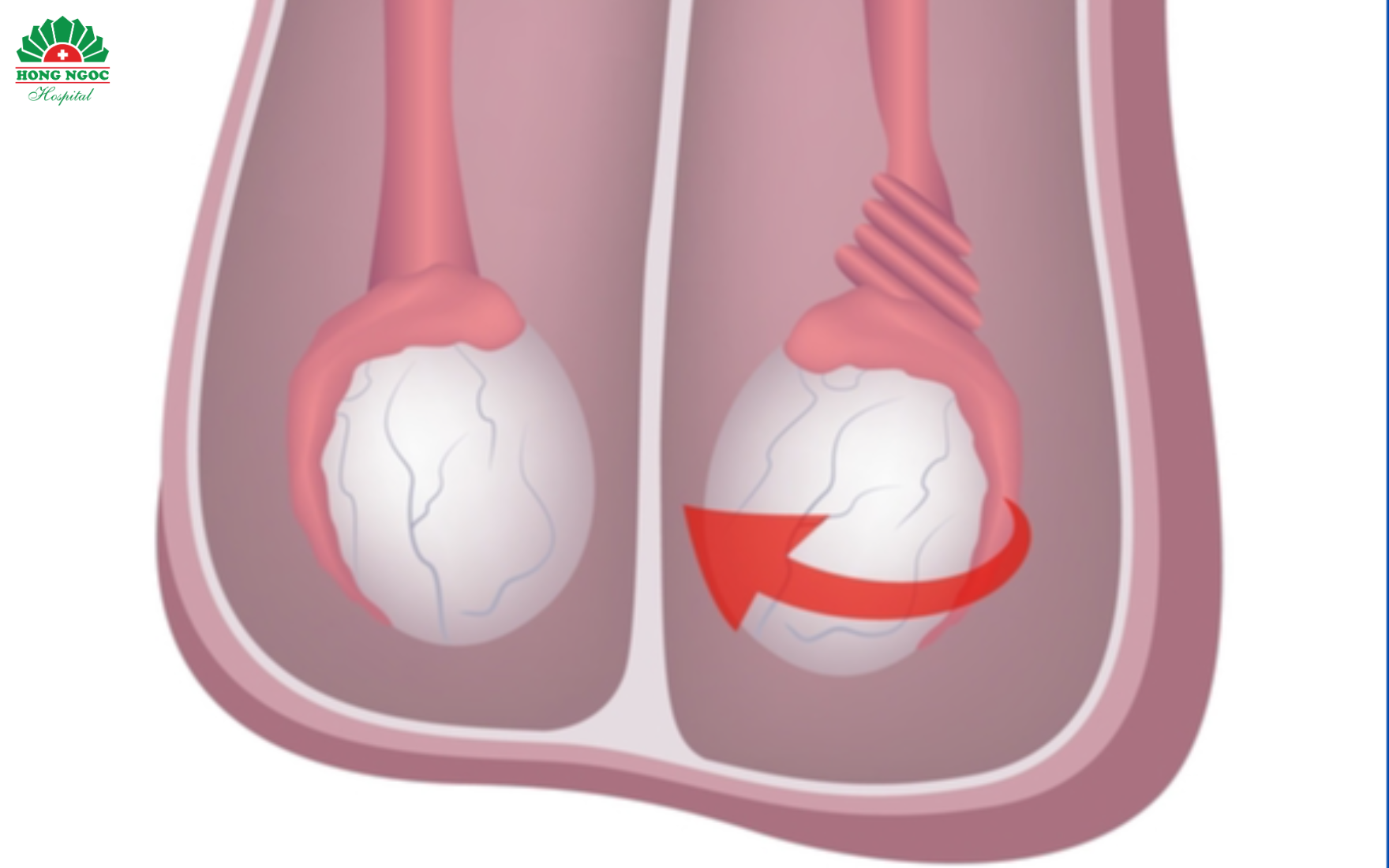
Complications of testicular torsion are highly serious and can affect male fertility.
When symptoms such as unusual pain or swelling in the groin area occur, patients should seek medical evaluation promptly for timely treatment. Delayed care may allow the condition to worsen, leading to testicular injury and complications.
Treatment for testicular torsion
Testicular torsion is a surgical emergency. The first 4–6 hours after symptom onset represent a critical window for intervention, during which the success rate may reach up to 98%.
The chance of saving the testis decreases over time. If blood flow is interrupted for up to 24 hours, the testicular tissue may become necrotic and is almost impossible to salvage. At this stage, removal of the testis may be required, which can seriously affect male fertility.
The most effective treatment is surgical detorsion of the testis. Through a small scrotal incision, the surgeon untwists the testis and promptly restores blood flow to nourish the organ. Both testes are then fixed in their proper positions to prevent recurrent testicular torsion.
In patients who receive timely emergency treatment, the testis can recover well after detorsion, with restoration of normal color and blood flow. In contrast, in cases where the golden window for intervention has been missed, the testis may turn black and show no blood flow. In such situations, the physician may have to remove the testis to prevent infection or protect the patient’s overall health.
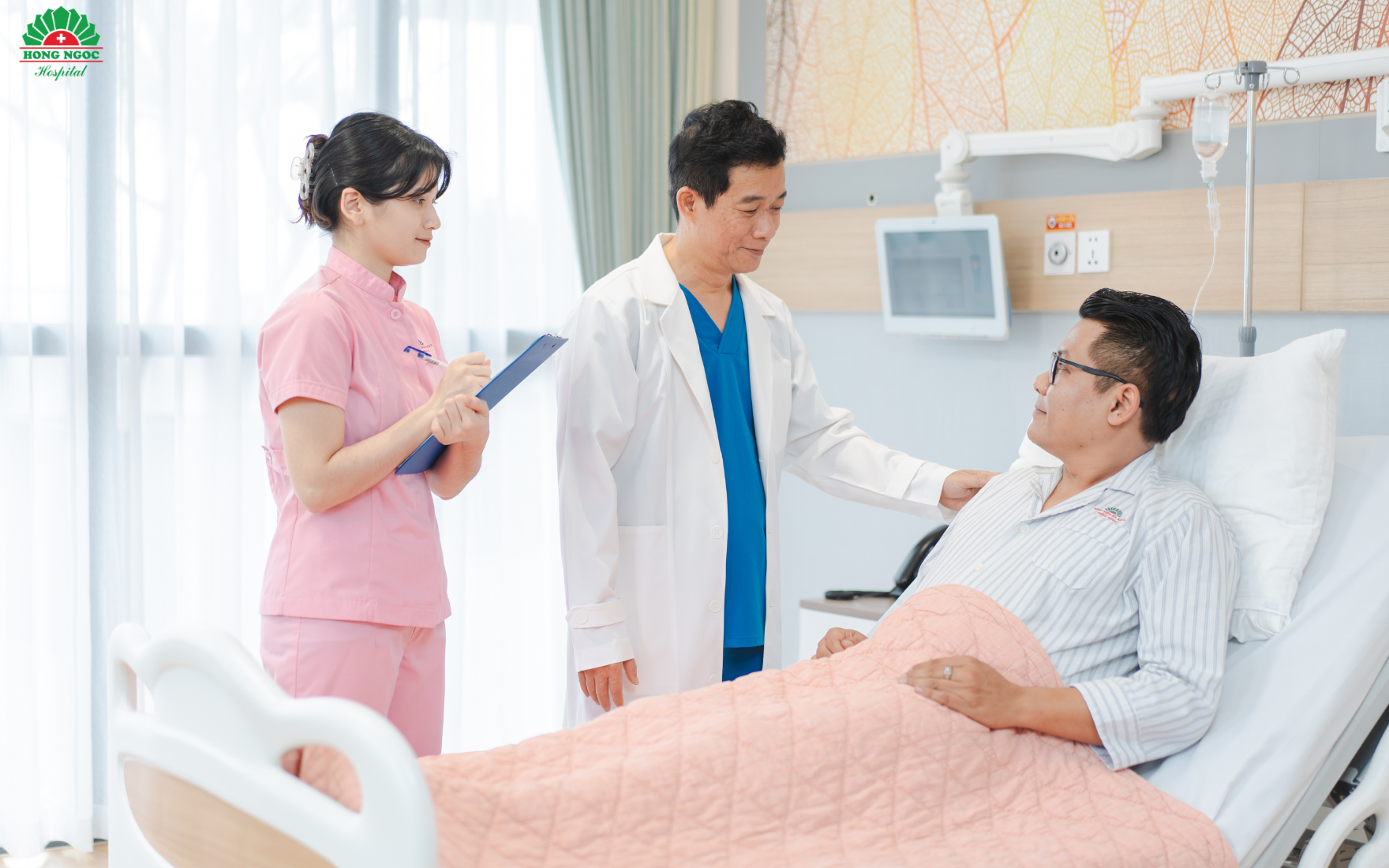
Patients undergoing surgery for testicular torsion at Hong Ngoc receive safe and effective treatment.
Management of testicular torsion requires experienced physicians with advanced technical expertise to perform rapid and precise detorsion without causing injury to the testis.
At Hong Ngoc General Hospital, the Urology and Andrology team has strong clinical expertise and the ability to promptly manage testicular torsion as well as other urologic conditions. The team is led by Dr. Trinh Minh Thanh, MD, Specialist Level II:
A leading specialist with more than 30 years of experience at Bach Mai Hospital and Viet Duc Hospital.
Holder of certificates in endoscopic urologic surgery from the United States and Japan.
Successfully performed thousands of complex pediatric urologic surgeries, helping prevent serious complications and supporting children’s comprehensive development.
In addition, to accurately diagnose testicular torsion, the hospital uses color Doppler ultrasound, a highly advanced imaging technique that provides clear visualization of reduced blood flow or vascular obstruction in the affected testis, thereby providing optimal support for surgical detorsion.
Note: The information provided in this article by Hong Ngoc General Hospital is for reference purposes only and is not intended to replace professional medical diagnosis or treatment. Patients should not purchase or use medications on their own for treatment. To accurately determine their medical condition, patients should visit a hospital for direct examination, diagnosis, and consultation with a physician on an appropriate treatment plan.
Follow the official fanpage of Hong Ngoc Hospital HERE for more useful health information and attractive promotional programs from the hospital.
Testicular torsion is a dangerous acute condition. Timely recognition and treatment can help prevent serious complications that may affect male reproductive health.
What is testicular torsion?
Testicular torsion is a medical emergency that occurs when the testis twists around the spermatic cord, obstructing or reducing arterial blood flow and decreasing oxygen supply to the testis.
This condition can occur at any age, but it is most commonly seen in children and young men. Without timely emergency treatment, the testis may become necrotic and require surgical removal, potentially affecting male fertility and even leading to infertility.
Children and young men have a higher incidence of testicular torsion.
Causes of testicular torsion in men
Most patients with testicular torsion have no prior health problems, and the exact cause of the condition has not yet been clearly identified. However, several factors may be considered, including:
Genetic factors: Congenital abnormalities of the spermatic cord or the supporting tissues of the testis are among the most common factors that make the testis more prone to torsion. This condition may affect both testes.
Trauma: Testicular torsion may occur several hours after scrotal trauma or strenuous physical activity that exerts force on the testis.
Temperature: Testicular torsion may also occur when the temperature drops too low.
Puberty: Rapid testicular growth during puberty may also contribute to the development of testicular torsion.
In addition, several other risk factors may increase the likelihood of testicular torsion, including:
Age: Testicular torsion is more commonly seen in newborns and adolescents during puberty, particularly between the ages of 16 and 18.
Difference in testicular size: Having one testis larger than the other may also increase the risk of testicular torsion.
Signs of testicular torsion
Patients who experience the following symptoms may be showing signs of testicular torsion:
Severe pain on one side of the scrotum, with pain radiating along the spermatic cord to the thigh and groin
Redness and swelling of the scrotum
One testis positioned higher than the other
Fever and dizziness
Lower abdominal pain or discomfort
Nausea and vomiting
Frequent urination
An abnormal lump in the scrotum
For consultation regarding testicular torsion, please contact the hotline at 0912 002 131 or leave your information HERE.
Serious complications of testicular torsion
When signs of testicular torsion appear but the condition is not treated promptly, serious complications may occur, including:
Severe testicular damage: Testicular torsion can severely compromise blood flow and oxygen supply to the reproductive organ.
Sepsis: Testicular torsion causes vascular obstruction, depriving the testis of oxygen and nutrients. This may lead to testicular necrosis, requiring removal of the affected testis to prevent further spread of infection or tissue damage.
Damage to the contralateral testis: Injury to one testis may stimulate the immune system to produce antibodies and proteins, potentially increasing the risk of damage to the opposite testis.
Infertility: Testicular torsion may adversely affect sperm quality to varying degrees.
Complications of testicular torsion are highly serious and can affect male fertility.
When symptoms such as unusual pain or swelling in the groin area occur, patients should seek medical evaluation promptly for timely treatment. Delayed care may allow the condition to worsen, leading to testicular injury and complications.
Treatment for testicular torsion
Testicular torsion is a surgical emergency. The first 4–6 hours after symptom onset represent a critical window for intervention, during which the success rate may reach up to 98%.
The chance of saving the testis decreases over time. If blood flow is interrupted for up to 24 hours, the testicular tissue may become necrotic and is almost impossible to salvage. At this stage, removal of the testis may be required, which can seriously affect male fertility.
The most effective treatment is surgical detorsion of the testis. Through a small scrotal incision, the surgeon untwists the testis and promptly restores blood flow to nourish the organ. Both testes are then fixed in their proper positions to prevent recurrent testicular torsion.
In patients who receive timely emergency treatment, the testis can recover well after detorsion, with restoration of normal color and blood flow. In contrast, in cases where the golden window for intervention has been missed, the testis may turn black and show no blood flow. In such situations, the physician may have to remove the testis to prevent infection or protect the patient’s overall health.
Patients undergoing surgery for testicular torsion at Hong Ngoc receive safe and effective treatment.
Management of testicular torsion requires experienced physicians with advanced technical expertise to perform rapid and precise detorsion without causing injury to the testis.
At Hong Ngoc General Hospital, the Urology and Andrology team has strong clinical expertise and the ability to promptly manage testicular torsion as well as other urologic conditions. The team is led by Dr. Trinh Minh Thanh, MD, Specialist Level II:
A leading specialist with more than 30 years of experience at Bach Mai Hospital and Viet Duc Hospital.
Holder of certificates in endoscopic urologic surgery from the United States and Japan.
Successfully performed thousands of complex pediatric urologic surgeries, helping prevent serious complications and supporting children’s comprehensive development.
In addition, to accurately diagnose testicular torsion, the hospital uses color Doppler ultrasound, a highly advanced imaging technique that provides clear visualization of reduced blood flow or vascular obstruction in the affected testis, thereby providing optimal support for surgical detorsion.
Note: The information provided in this article by Hong Ngoc General Hospital is for reference purposes only and is not intended to replace professional medical diagnosis or treatment. Patients should not purchase or use medications on their own for treatment. To accurately determine their medical condition, patients should visit a hospital for direct examination, diagnosis, and consultation with a physician on an appropriate treatment plan.
Follow the official fanpage of Hong Ngoc Hospital HERE for more useful health information and attractive promotional programs from the hospital.
Để lại câu hỏi của bạn để nhận được giải đáp từ các bác sĩ của Hồng Ngọc
Lorem ipsum dolor
Lorem ipsum dolor sit amet, consectetur adipiscing elit. Mauris odio lectus, pretium faucibus nisi eu, accumsan consectetur orci. In blandit vehicula nisl, vel lacinia ligula finibus a. Donec fermentum rhoncus