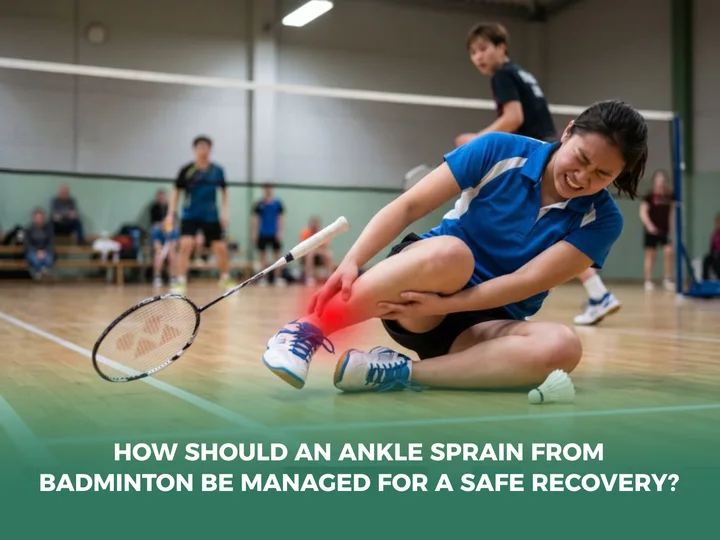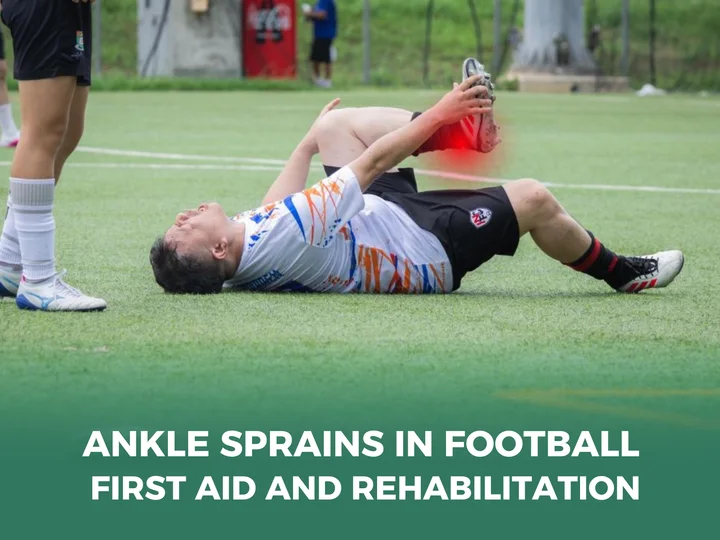



Achilles tendon pain after sports is common among runners and people who play football, badminton or sports involving frequent jumping, acceleration and changes of direction. The pain may develop when the Achilles tendon is repeatedly loaded during physical activity. If the pain persists or is accompanied by significant swelling and difficulty walking, prompt medical evaluation is recommended to assess the extent of the injury.
Medical consultation: Hoang Van Ban, MD, MSc, Department of Orthopedic Trauma and Neurosurgery, Hong Ngoc Phuc Truong Minh General Hospital.
Medical disclaimer: People with Achilles tendon pain should not attempt to identify the cause based solely on the location of the pain, as pain at the back of the heel may also occur with other injuries. If severe pain develops suddenly during sports, or if the person cannot stand on tiptoe or has difficulty walking on the affected leg, they should stop the activity and seek prompt medical attention.
What injuries are commonly associated with Achilles tendon pain after sports?
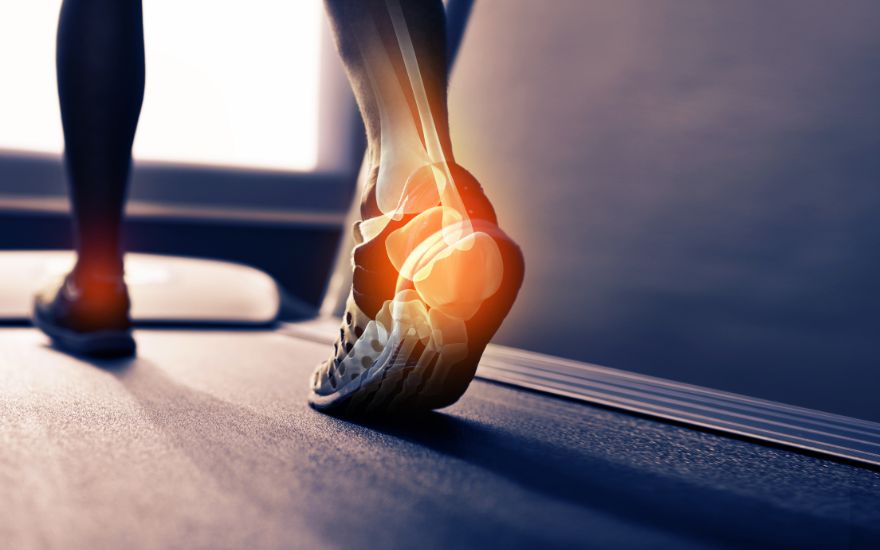
The Achilles tendon connects the calf muscles to the heel bone and plays a direct role in walking, running, climbing stairs, jumping and standing on tiptoe. Sports involving frequent running and jumping, such as football, badminton, tennis, basketball, volleyball and distance running, may cause pain when the level of activity exceeds the tendon’s capacity to tolerate load.
A dull ache along the Achilles tendon or at the back of the heel, morning stiffness and pain that worsens during running or after exercise are common in people with Achilles tendon injuries. In contrast, an Achilles tendon rupture typically occurs suddenly, causes severe pain and makes it difficult to stand on tiptoe or push off the affected foot normally.
Common symptoms include:
- Pain at the back of the heel or along the tendon just above the heel bone.
- Tendon stiffness in the morning or after a period of rest.
- Pain that becomes more pronounced when running, jumping, climbing stairs or standing on tiptoe.
- Swelling or thickening of the tendon.
- Pain after intense training sessions or increased symptoms the following day.
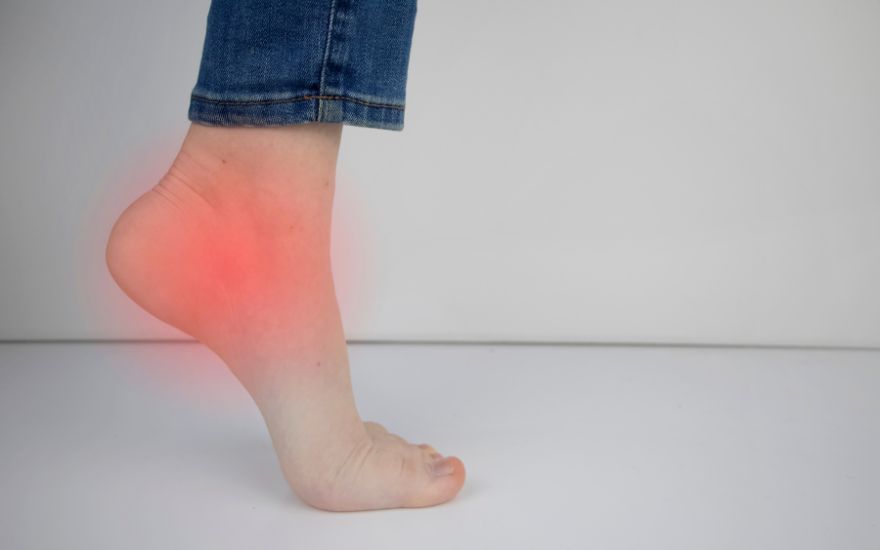
Factors that contribute to Achilles tendon pain after exercise
Achilles tendon pain commonly develops when the tendon is overused. The pain may gradually worsen over several training sessions or develop suddenly during jumping, acceleration or a forceful change of direction.
Increasing distance, duration or training intensity too quickly
The Achilles tendon needs time to adapt when a person increases training frequency, runs farther, exercises more intensely or returns to sports after a period of inactivity. If the training load increases substantially within a short period, the tendon may become overloaded and painful.
This commonly occurs in new runners or people who suddenly increase their training intensity. Initially, the pain may occur only after exercise, but it may gradually worsen and begin during running or jumping.
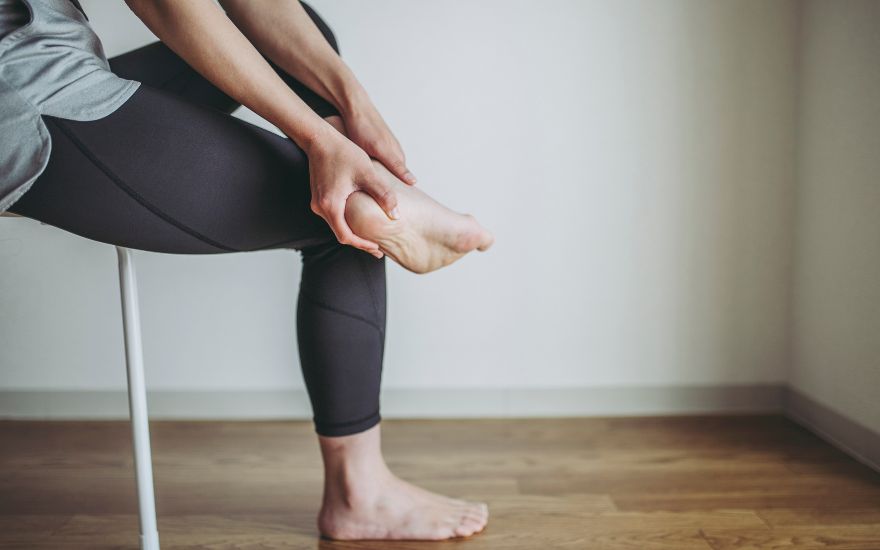
Repeated jumping, acceleration and changes of direction
During jumping, landing or sprinting, the calf muscles contract forcefully and transmit force through the Achilles tendon to propel the body forward or upward. Sports such as football, basketball, tennis and badminton repeatedly involve these movements. The tendon may therefore become irritated if the player lacks sufficient strength or trains at excessive intensity.
In cases of a partial tear or complete rupture, the injury occurs when the tendon is exposed to a sudden, powerful force, such as landing from a jump or changing direction rapidly. The player typically experiences severe pain at the moment of injury rather than a dull ache that gradually worsens over several training sessions.
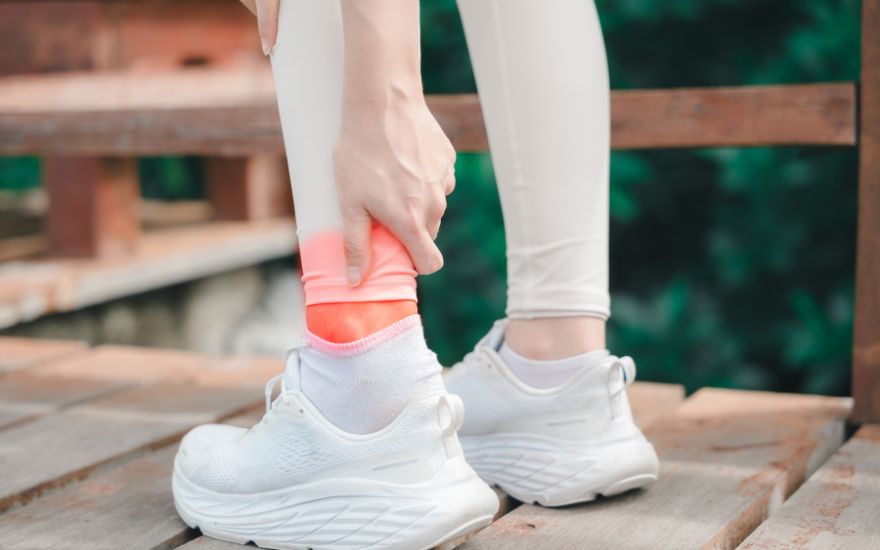
Tight calf muscles and unsuitable footwear
Tight calf muscles may increase tension on the Achilles tendon, particularly where it attaches to the heel bone. Unsuitable footwear may also alter foot strike and place greater stress on the tendon, increasing the risk of pain.
People with certain metabolic or systemic inflammatory conditions, a history of Achilles tendon pain, or those taking certain medications should inform their doctor during the consultation. These factors may affect tendon health and will be considered alongside the person’s training history when determining the cause.
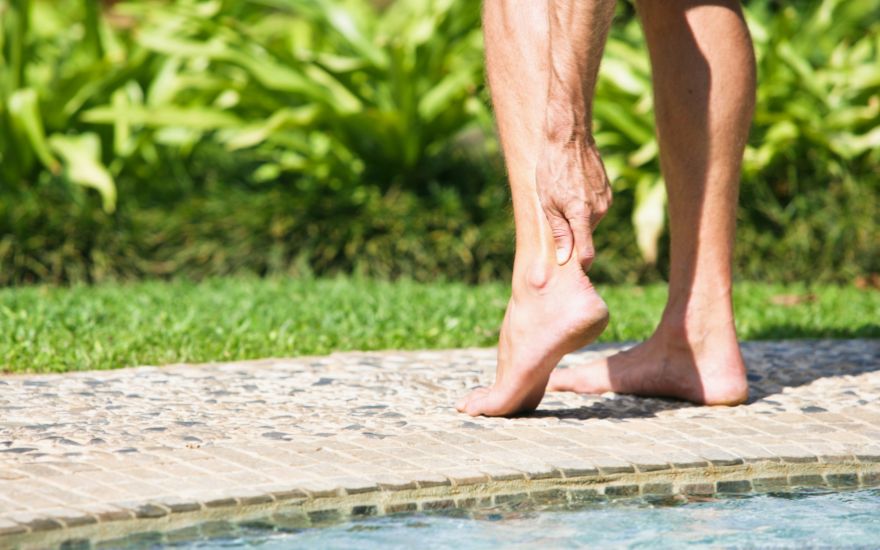
How should Achilles tendon pain after sports be managed?
When Achilles tendon pain develops, reduce activities that aggravate the symptoms. Further management depends on the severity of the pain, the ability to walk and whether there are signs of a partial tear or complete rupture.
Reduce running and jumping without complete rest
For mild Achilles tendon pain, temporarily reduce activities such as fast running, hill running, jumping or any movement that worsens the pain. If walking remains normal and there are no signs of a serious injury, complete bed rest is unnecessary. Light activities may be continued within a comfortable range.
While limiting running and jumping, consider cycling or other low-impact exercises. Adjust the intensity according to the level of pain. People with persistent symptoms or a previous Achilles tendon injury should be particularly cautious when returning to physical activity.
Apply a cold pack and use medication as directed
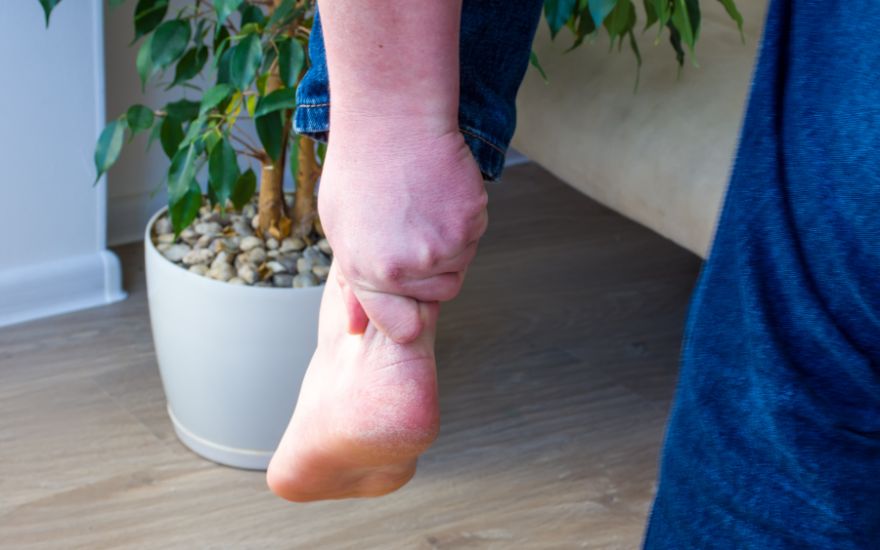
Applying a cold pack to the painful area for approximately 20 minutes at a time may help relieve discomfort after physical activity, particularly when the tendon is swollen or tender. Wrap the ice in a towel or use a cold pack rather than applying ice directly to the skin.
Do not take pain relievers or anti-inflammatory medication for prolonged periods without medical guidance simply to continue playing sports while the heel remains painful. If symptoms require medication for several days or frequently recur after exercise, seek medical evaluation to determine the cause and receive appropriate treatment.
Restore tendon strength progressively
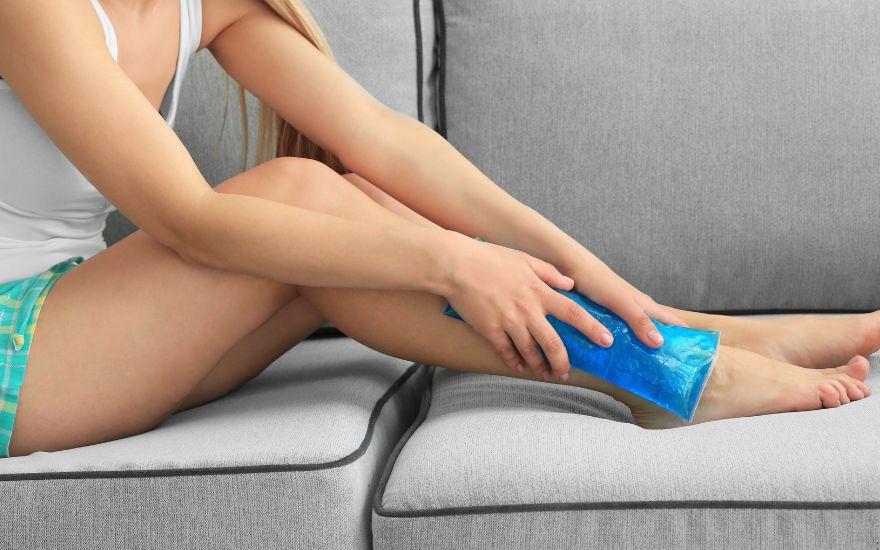
Exercises that strengthen the calf muscles and progressively load the Achilles tendon are an important part of rehabilitation. When performed correctly, they improve the tendon’s load-bearing capacity, reduce pain and restore the ability to walk, run and participate in sports.
Exercise intensity should be increased gradually, beginning with heel raises and calf-strengthening exercises before progressing to running, jumping and changes of direction. Do not return to high-intensity training as soon as the pain improves, as the tendon may not have fully recovered and symptoms may recur.
When does Achilles tendon pain require medical evaluation?
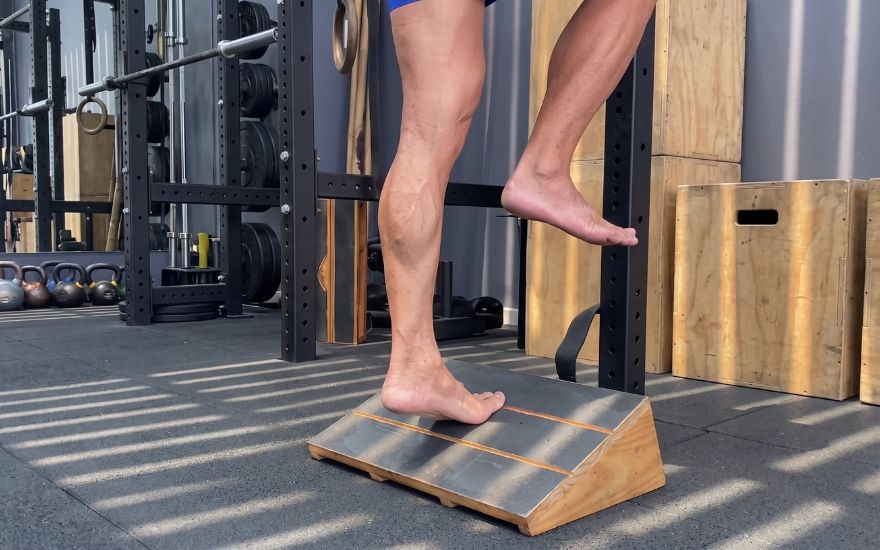
People who play sports should seek medical attention if Achilles tendon pain persists, frequently recurs after exercise or makes it difficult to walk, climb stairs or stand on tiptoe. A doctor will determine whether the pain originates from the Achilles tendon or another structure around the heel, allowing an appropriate treatment and rehabilitation plan to be developed.
Stop the activity and seek prompt medical attention if any of the following signs occur:
- Sudden pain at the back of the ankle while running, jumping or changing direction, sometimes accompanied by a sensation of being struck or kicked in the heel.
- Sudden severe pain with swelling at the back of the heel.
- Difficulty walking on the injured leg.
- Inability to stand on tiptoe or push off the ground normally.
- Sudden weakness in the leg immediately after the injury.
These signs may indicate a partial Achilles tendon tear or complete rupture. If an injury is suspected, do not forcefully stretch or massage the area, or attempt to run to test the tendon, as this may worsen the injury.
Assessment and rehabilitation of Achilles tendon pain at Hong Ngoc General Hospital
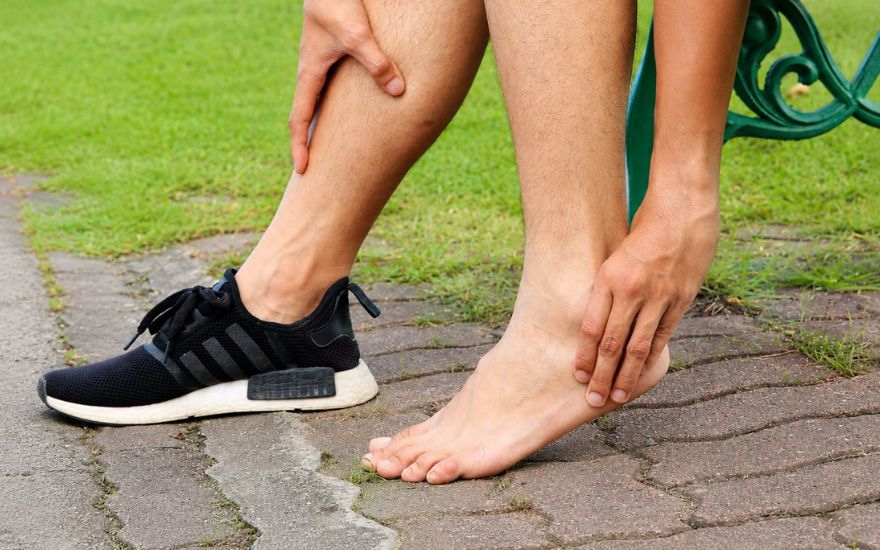
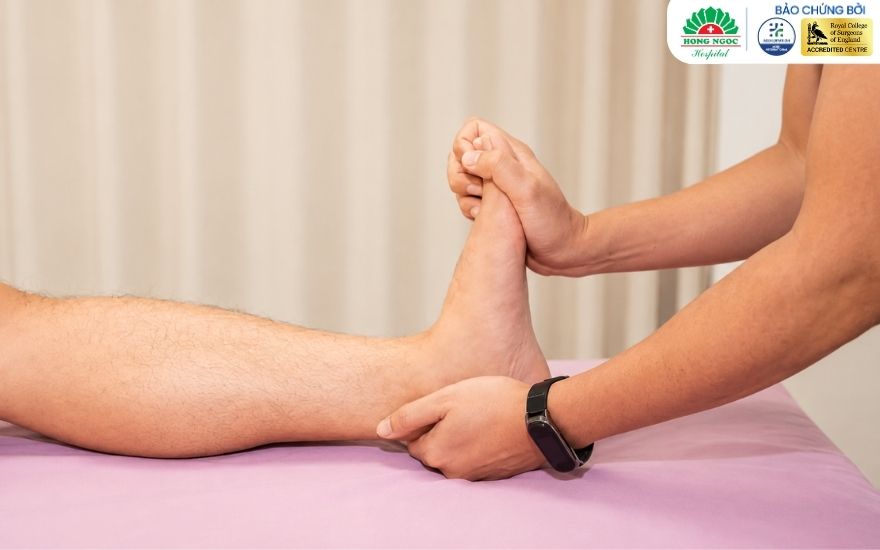
During the consultation, the doctor will ask about the location and onset of pain, the sport being played, recent changes in the training schedule and any previous injuries. A physical examination helps assess tenderness, swelling, ankle mobility and the ability to stand on tiptoe. Ultrasound or MRI may be recommended when further assessment of the injury is required.
At Hong Ngoc Phuc Truong Minh General Hospital, patients undergo a comprehensive assessment to determine the cause and severity of the injury before an appropriate treatment plan is developed. Some cases of Achilles tendon pain may be treated with medication combined with sports injury rehabilitation to relieve pain, support tissue healing, and restore strength and mobility.
The rehabilitation program is individualized according to each patient’s condition. Therapeutic exercises and physical therapy techniques are adjusted at each stage, progressing from strength restoration to running, jumping and sport-specific movements. This gradual increase in intensity helps patients prepare more effectively for a safe return to training.
Frequently asked questions about Achilles tendon pain after sports
Does heel pain after running mean Achilles tendinitis?
Not all heel pain after running is caused by Achilles tendinitis. Pain may arise from several different structures around the heel. A doctor will consider the location and onset of pain, along with the ability to stand on tiptoe, to determine the underlying cause.
Should you continue playing sports with Achilles tendon pain?
When the Achilles tendon is painful, temporarily reduce activities that aggravate the symptoms, such as sprinting, hill running or repeated jumping. If there are no signs of a tendon tear, light activity and appropriate rehabilitation may be continued rather than remaining completely inactive for an extended period.
How soon can you return to sports?
The time required to return to sports depends on the severity of the injury and the individual’s recovery. Persistent Achilles tendon pain may require several weeks to several months of rehabilitation. Training intensity should only be increased gradually once pain has improved and movement has become more comfortable. Do not return to high-intensity training immediately after the pain subsides.
Conclusion
Achilles tendon pain after sports is commonly associated with repeated loading during running, jumping or acceleration. Reduce activities that aggravate the pain and restore strength progressively. Seek medical attention if the pain persists, affects walking or develops suddenly with swelling, leg weakness or an inability to stand on tiptoe.
References
- Chimenti RL, et al. Achilles Pain, Stiffness, and Muscle Power Deficits: Midportion Achilles Tendinopathy Revision – 2024. Journal of Orthopaedic & Sports Physical Therapy.
- American Academy of Orthopaedic Surgeons. Achilles Tendinitis.
- American Academy of Orthopaedic Surgeons. Achilles Tendon Rupture (Tear).
- Silbernagel KG, Crossley KM. A Proposed Return-to-Sport Program for Patients With Midportion Achilles Tendinopathy. Journal of Orthopaedic & Sports Physical Therapy.