




Hip osteoarthritis, although not among the three most common forms of osteoarthritis, is becoming increasingly prevalent and accounts for a considerable proportion of cases. If not diagnosed and treated promptly and appropriately, it may lead to serious sequelae affecting mobility and is one of the leading causes of disability.
What is hip osteoarthritis?
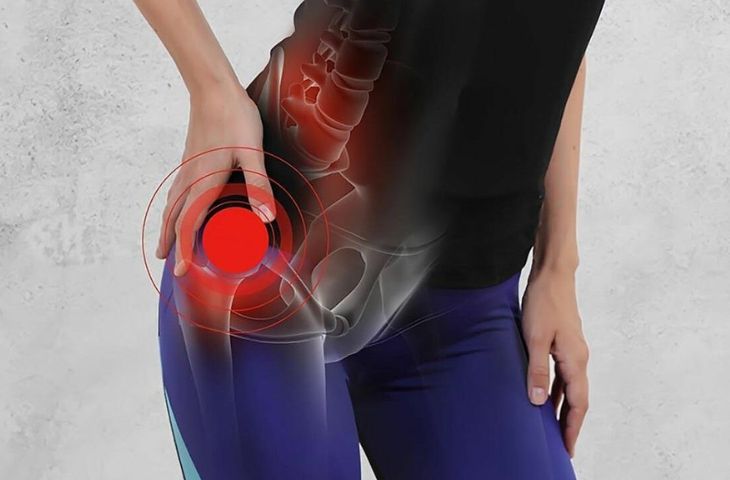
Hip osteoarthritis is a degenerative condition in which the articular cartilage at the femoral head progressively deteriorates over time. This cartilage plays a crucial role in reducing friction between joint surfaces during movement. When degeneration occurs, the joint loses its protective cushioning, leading to increased friction at the hip joint, resulting in pain and discomfort during mobility.
There are two common forms of hip osteoarthritis:
- Primary hip osteoarthritis: typically occurs in individuals over 60 years of age due to natural aging processes. Approximately 50% of cases fall into this category
- Secondary hip osteoarthritis: develops as a consequence of other conditions, such as trauma or underlying musculoskeletal disorders
Causes of hip osteoarthritis
Hip osteoarthritis is associated with multiple contributing factors, including:
- Advanced age: Aging accelerates degenerative processes, making older individuals more susceptible to hip osteoarthritis
- Trauma: Injuries such as occupational accidents, traffic accidents, falls or sports related trauma can damage the hip joint and lead to degeneration
- Overweight and obesity: Excess body weight increases mechanical load on the hip joint, leading to chronic stress and cartilage wear over time
- Congenital abnormalities: Structural deformities of the hip joint or lower limb present from birth may predispose individuals to early degeneration
- Genetic factors: A family history of osteoarthritis increases the risk; studies suggest a significant hereditary component, with higher prevalence in females
- History of joint diseases: Previous musculoskeletal conditions such as rheumatoid arthritis or ankylosing spondylitis increase the likelihood of hip degeneration
- Other factors: Hip osteoarthritis may also develop as a complication of systemic diseases such as gout, diabetes mellitus or hemoglobinopathies
Symptoms of hip osteoarthritis
Pain associated with hip osteoarthritis typically occurs during movements such as squatting, hip abduction, walking or bending. If persistent, it may progressively limit mobility and, in severe cases, lead to complete loss of function.
Clinical manifestations vary depending on disease progression:
- Early stage: Patients experience pain in the groin region, which may gradually radiate to the thigh, buttock and even the knee. Pain intensity increases with movement or prolonged standing
- Intermediate stage: Pain commonly occurs in the morning upon waking or when rising from a seated position. Patients may also experience aching in the hip at night, affecting sleep quality
- Late stage: Pain becomes more frequent and severe, often worsening at night or with weather changes, and may occur even at rest

In addition, patients with hip osteoarthritis may present with the following symptoms:
- Joint stiffness: typically occurs in the early morning or after prolonged sitting, often accompanied by reduced joint mobility
- Joint crepitus: a grinding or cracking sound may be heard during movement
- Impaired daily activities: patients may have difficulty performing basic movements such as walking, bending or climbing stairs
Acute onset of hip pain may also indicate trauma or other underlying conditions. Therefore, patients experiencing symptoms suggestive of hip osteoarthritis should seek early evaluation at a specialized musculoskeletal clinic for timely diagnosis and appropriate management.
Diagnosis of hip osteoarthritis
Accurate diagnosis plays a crucial role in determining treatment outcomes for hip osteoarthritis. Therefore, patients should seek evaluation at reputable medical facilities with specialized musculoskeletal care.
At Hong Ngoc General Hospital, the diagnostic process includes:
Clinical examination
The physician will first obtain a detailed medical history, including symptom onset, duration and impact on daily activities. A physical examination is then performed to assess factors such as groin muscle weakness, joint tenderness or swelling, range of motion of the hip joint, gait pattern and functional mobility.
Imaging studies
Following clinical evaluation, imaging investigations may be indicated to identify the underlying cause and assess disease severity:
- X ray imaging: detects joint space narrowing, osteophyte formation, subchondral sclerosis in weight bearing areas and bone defects. This is typically the first line imaging modality
- Magnetic resonance imaging or computed tomography: used to evaluate structural changes, including focal cartilage defects and subchondral bone lesions
- Bone scintigraphy: helps assess the condition of bone and surrounding soft tissues
In selected cases, additional tests may be required, including ultrasound, complete blood count, coagulation profile, blood glucose assessment (particularly in patients over 50 years old, with BMI > 25 or a history of diabetes), liver and renal function tests, electrolyte panel and electrocardiography.
Appropriate management of hip osteoarthritis
In practice, hip osteoarthritis cannot be completely cured. Therefore, treatment strategies primarily focus on:
- Controlling joint pain
- Maintaining functional mobility
- Preventing disability
- Improving patients’ quality of life
- Minimizing drug related toxicity and adverse effects
Effective treatment options for hip osteoarthritis
Reader may also be interested in:
- Knee osteoarthritis: causes, symptoms, treatment and prevention
- Complications of herniated disc and preventive measures
- Stages of disc herniation: recognizing each stage for appropriate management
At Hong Ngoc General Hospital, current treatment approaches include:
Pharmacological treatment
- Analgesics: indicated for acute, severe pain that limits mobility. Paracetamol is commonly used as an over the counter option, while other analgesics may be prescribed by physicians as needed
- Anti inflammatory drugs: used in combination with analgesics to control inflammation; may be administered orally or via injection depending on disease severity
- Muscle relaxants: indicated in cases of muscle spasm associated with severe pain and restricted movement
- Nutritional supplements: may be prescribed to support joint health, including calcium, vitamins and essential minerals
Physiotherapy
In addition to medication, physiotherapy is recommended to support joint recovery and improve functional mobility. Therapeutic exercises are conducted under the supervision of physicians and rehabilitation specialists to ensure safety and effectiveness.

At Hong Ngoc General Hospital, physiotherapy is widely applied in the management of hip osteoarthritis, utilizing advanced therapeutic equipment imported from Germany combined with specialized manual therapy techniques from Austria.
Notably, a triple high frequency therapy system is used, providing superior clinical outcomes:
- Microwave therapy: uses shortwave energy to generate deep tissue heat, enhancing metabolism, reducing edema, alleviating inflammation and relieving pain
- Interferential electrical stimulation: stimulates neuromuscular function, reduces pain, improves metabolism and enhances nerve conduction
- Pulsed ultrasound therapy: helps soften fibrotic scar tissue in deep structures, reduces inflammation and pain, promotes metabolic activity and supports tissue regeneration
In addition, patients are encouraged to combine physiotherapy with therapeutic exercises such as cycling, walking and swimming to enhance recovery and improve treatment effectiveness.
Surgical treatment
In cases of advanced hip osteoarthritis where patients do not respond to medical therapy and experience significant functional limitation, surgical intervention may be indicated. Common surgical options at Hong Ngoc General Hospital include:
- Osteophyte removal: excision of bone spurs to improve joint mobility and reduce deformity
- Partial hip replacement: indicated when only part of the joint is damaged, helping preserve remaining structures and reduce further cartilage degeneration
- Total hip replacement: complete replacement of the degenerated hip joint with a prosthetic implant, typically indicated in severe cases such as rheumatoid arthritis or osteonecrosis
Hip osteoarthritis can cause persistent pain and significantly impair daily functioning. If not properly managed, progressive joint degeneration may lead to structural deformity and permanent disability. Therefore, early evaluation at reputable medical facilities with specialized musculoskeletal care is essential for appropriate management.
In Hanoi, the Musculoskeletal Department of Hong Ngoc General Hospital is a trusted center for the diagnosis and treatment of hip osteoarthritis, highly regarded for both clinical expertise and service quality. At Hong Ngoc, patients benefit from leading healthcare services, including:
- A team of highly experienced specialists trained at major hospitals both domestically and internationally, such as Bach Mai Hospital, Viet Duc Hospital and Royal North Shore Hospital (Australia)
- A modern, fully integrated system of advanced medical equipment imported from the United States, including SIGNA Prime MRI, 128 slice CT scanner, Hologic bone densitometry system and Logiq P7 musculoskeletal ultrasound, enabling high resolution imaging and early detection of musculoskeletal disorders
- An integrated treatment approach combining physiotherapy and rehabilitation, utilizing German therapeutic systems and advanced Austrian manual therapy techniques to restore mobility and effectively relieve pain caused by hip osteoarthritis
In addition, patients are provided with a wide range of modern amenities and services:
- Personalized follow up schedules with proactive appointment reminders
- A clean, modern hospital environment with facilities such as free Wi Fi, café and restaurant services
- Weekend service availability with no additional charges
- Fast and efficient insurance direct billing procedures, ensuring maximum patient benefits
Note:
The information provided in this article by Hong Ngoc General Hospital is for reference purposes only and does not replace professional medical diagnosis or treatment. Patients are strongly advised not to self medicate. For an accurate assessment of their condition, individuals should visit medical facilities for direct consultation, diagnosis and appropriate treatment planning by qualified healthcare professionals.
For more health related updates and useful information, please follow Hong Ngoc General Hospital’s official fanpage:https://www.facebook.com/BenhvienHongNgoc/