



Symptoms of sleep apnea serve as important clinical warning signs that enable early recognition of the condition. They provide essential guidance for timely diagnosis and facilitate appropriate treatment, helping to prevent complications and protect overall health.
What is obstructive sleep apnea?
Obstructive sleep apnea (OSA) is a sleep-related breathing disorder characterized by recurrent upper airway obstruction during sleep, leading to reduced blood oxygen saturation. The clinical presentation is often insidious, with hallmark features including loud snoring and recurrent apneic episodes occurring during sleep, making it difficult for patients to recognize the condition on their own. If left undiagnosed and untreated, OSA can have serious health consequences and may increase the risk of sudden death.
Obstructive sleep apnea can occur at any age but is more commonly observed in middle-aged men. High-risk populations include individuals who are overweight or obese; those with anatomical abnormalities of the upper airway such as mandibular hypoplasia, retrognathia, macroglossia, or tonsillar hypertrophy; individuals who frequently consume alcohol or use sedatives or other depressant substances; and patients with chronic metabolic or cardiovascular conditions.
Given its potential for severe complications, obstructive sleep apnea requires early detection and appropriate management to mitigate associated health risks.
Symptoms of sleep apnea
The clinical manifestations of sleep apnea may vary among individuals; however, the condition often progresses insidiously and may be difficult to recognize. Early identification of symptoms is therefore essential for timely diagnosis and prevention of associated complications.
- Loud, irregular snoring
- Recurrent pauses in breathing lasting approximately 5 to 30 seconds, followed by gasping, snorting, or labored breathing
- Sudden nocturnal awakenings accompanied by dyspnea and fatigue
- Excessive daytime sleepiness and reduced energy levels
- Morning headaches, dizziness, impaired concentration, and memory decline
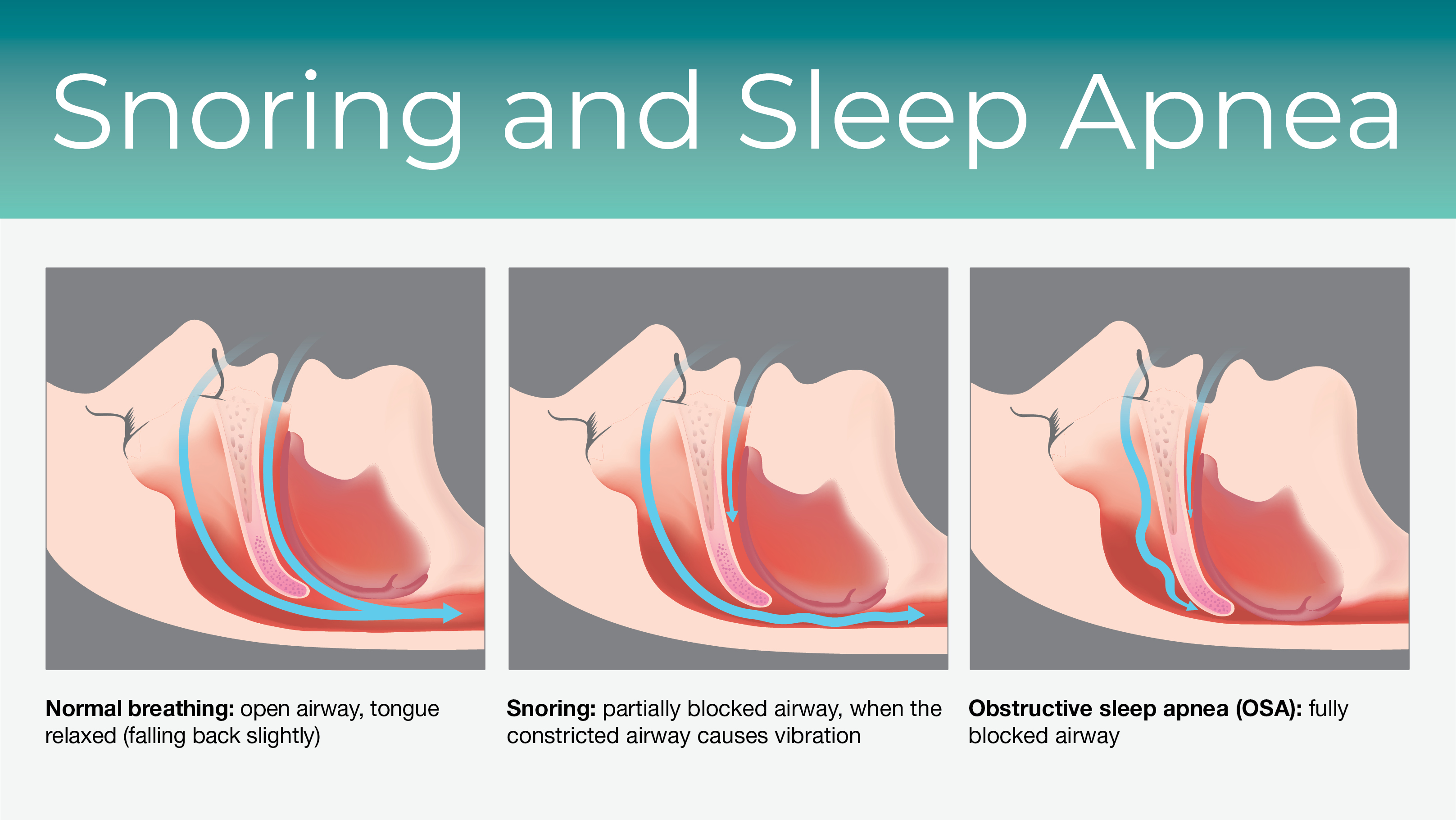
Although the symptoms of sleep apnea are often subtle, their presence in individuals with risk factors such as overweight or obesity, retrognathia, macroglossia, or tonsillar hypertrophy may help identify those at increased risk, prompting early medical evaluation and timely diagnosis.
Consequences of sleep apnea
Obstructive sleep apnea can lead to significant long-term health consequences. Patients often experience excessive daytime sleepiness and fatigue, which increase the risk of traffic accidents and negatively impact daily activities, academic performance, and occupational productivity. In addition, poor sleep quality may affect psychological well-being, leading to irritability and emotional instability.
Reader may also be interested in:
- Sleep apnea: definition, clinical significance, etiology, and recognizable symptoms
- Sleep apnea syndrome: causes, at-risk populations, and potential complications to be aware of
- Can sleep apnea be treated? Five simple home-based approaches to manage sleep apnea
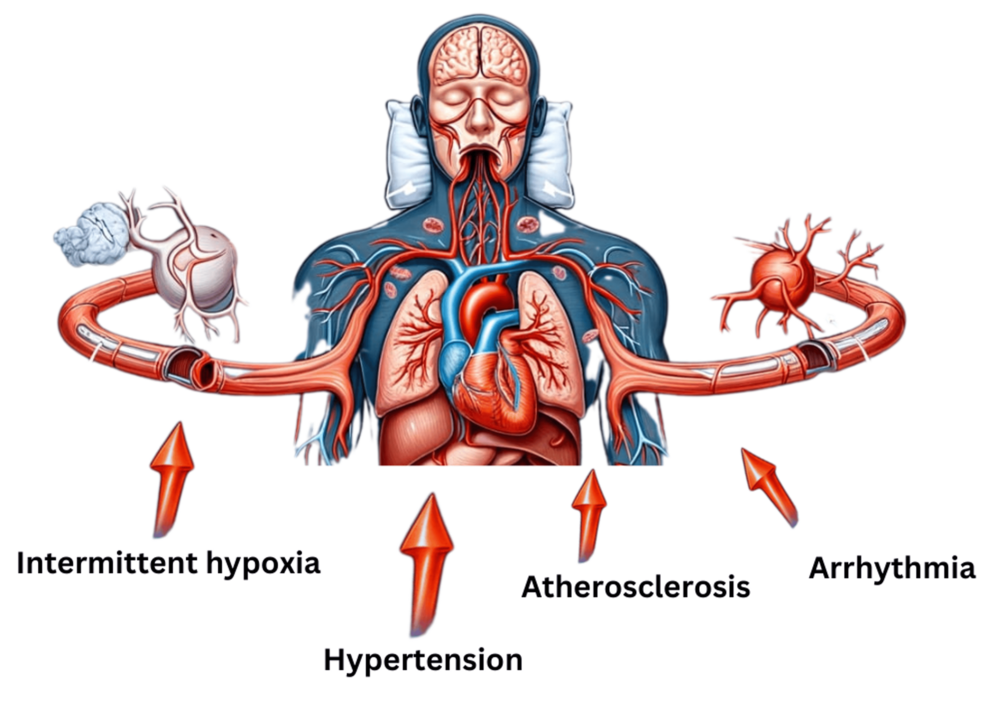
Recurrent episodes of hypoxemia and sleep fragmentation contribute to a progressive increase in the risk of hypertension over time. Furthermore, affected individuals are at elevated risk of cardiovascular diseases, including heart failure, stroke, and cardiac arrhythmias, and may face an increased risk of sudden death if the condition is not properly evaluated and managed.
Diagnosis and management of sleep apnea
Diagnosis of sleep apnea
Based on clinical symptoms suggestive of sleep apnea, patients should seek early evaluation by a respiratory specialist to receive appropriate diagnostic assessment and treatment recommendations. The diagnostic process typically includes:
Clinical examination of the respiratory and otorhinolaryngological systems to identify the site of airway obstruction, assess disease severity, and determine underlying etiologies
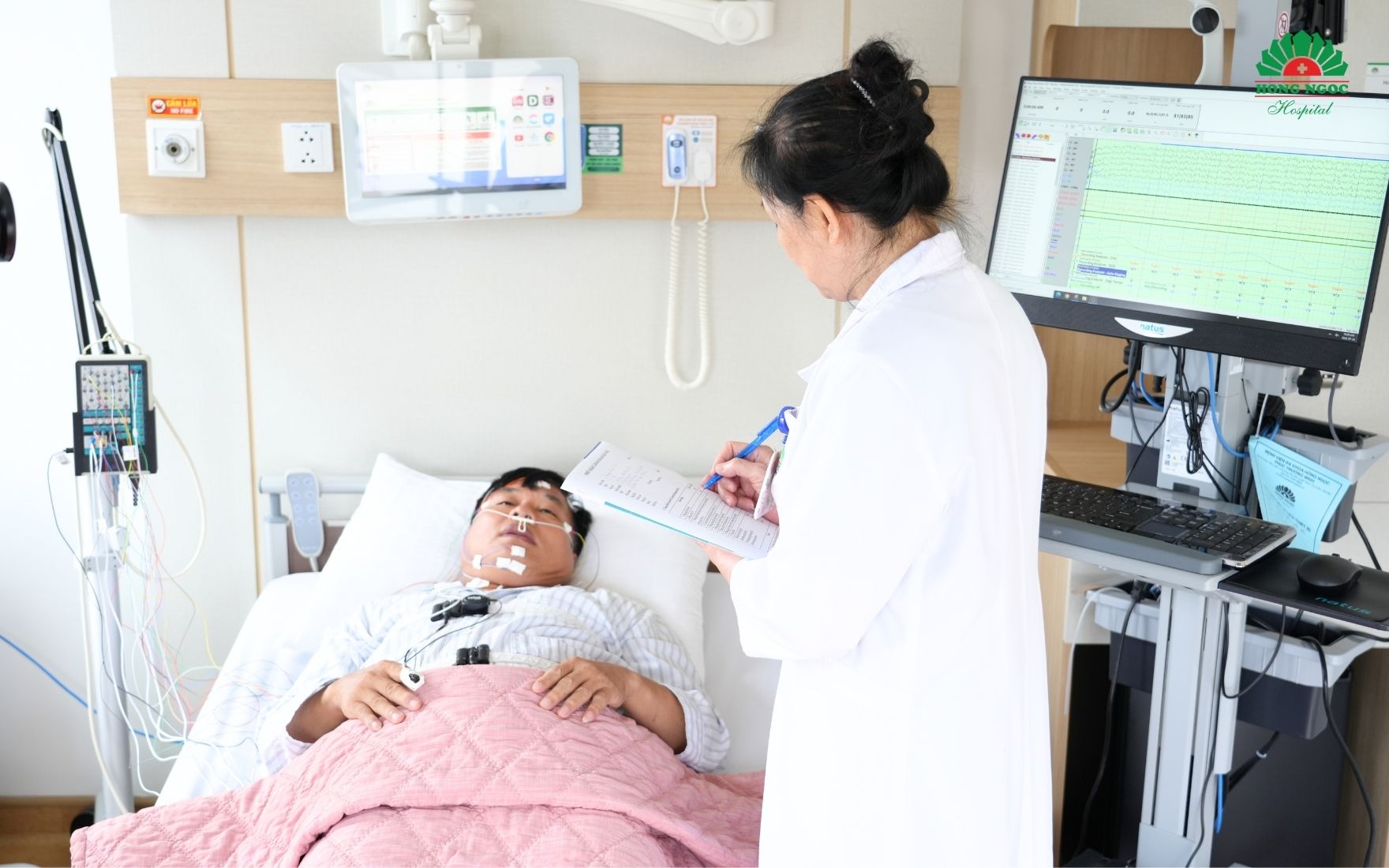
Respiratory polygraphy or polysomnography, which monitors physiological parameters such as heart rate, oxygen saturation, and airflow during sleep, allowing objective detection of apneic events and facilitating individualized treatment planning
Management of sleep apnea
Treatment of sleep apnea is individualized based on clinical presentation, diagnostic findings, and disease severity. Following comprehensive evaluation, physicians develop tailored management strategies according to the underlying etiology and severity of the condition.
Mild cases: For patients with mild disease, initial management focuses on lifestyle modification and conservative interventions. These include weight reduction, positional therapy, avoidance of alcohol and tobacco, and oropharyngeal muscle exercises to improve upper airway tone.
Moderate cases: In moderate sleep apnea, a multimodal approach is often indicated. This may include continuous positive airway pressure therapy, use of mandibular advancement devices, in combination with sustained lifestyle modifications.
Severe cases: For severe sleep apnea, continuous positive airway pressure therapy is the mainstay of treatment to maintain airway patency. Regular follow-up and monitoring by healthcare professionals are essential. In selected cases, surgical intervention may be considered to enlarge the upper airway and improve sleep quality.
In addition, management of underlying comorbidities may be integrated into the treatment plan, depending on the patient’s clinical condition.
Patients presenting with symptoms suggestive of sleep apnea should seek early medical evaluation and treatment to improve sleep quality, enhance therapeutic outcomes, and prevent potential complications.
Note: The information provided in this article by Hong Ngoc General Hospital is for reference purposes only and does not replace professional medical diagnosis or treatment. For an accurate assessment of your condition, patients should visit a reputable healthcare facility for direct consultation and appropriate treatment planning by qualified physicians.
Department of Respiratory Medicine – Hong Ngoc General Hospital
No. 8 Chau Van Liem Street, Tu Liem Ward, HanoiNo. 55 Yen Ninh Street, Ba Dinh Ward, HanoiHotline: 0947 616 006