


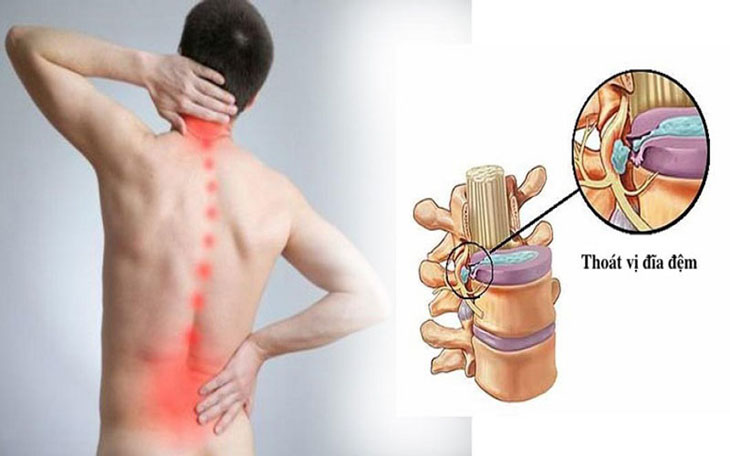
Lumbar disc herniation complications can significantly impact daily activities, quality of life and work capacity. Therefore, this condition requires early treatment and appropriate preventive measures to avoid serious complications.
Lumbar disc herniation not only affects daily activities and work performance but may also lead to severe complications, potentially resulting in lifelong disability.
Therefore, early detection and appropriate management are essential to prevent serious and irreversible complications.
Serious complications of herniated disc
Bladder dysfunction
In herniated disc disease, the intervertebral disc is displaced from its normal position, with annular rupture and extrusion of the nucleus pulposus.
This results in compression of neural structures, leading to sphincter dysfunction. Clinically, this may present as urinary disturbances, initially urinary retention, which can progress to urinary incontinence with loss of voluntary bladder control.
Neurological involvement at the spinal level
The spinal column contains a dense network of neural structures. In disc herniation, nerve roots may be compressed, resulting in back pain that radiates to the lower extremities and causes significant discomfort.
In more advanced stages, pain becomes more frequent and severe, radiating to the arms and legs, and is exacerbated by movement, prolonged sitting or standing, as well as coughing or sneezing.
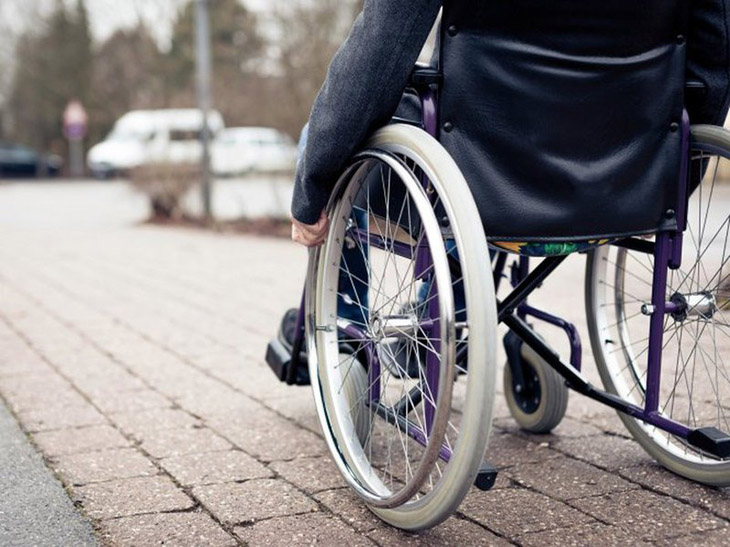
Paralysis and disability
This is the most serious complication of lumbar disc herniation. Patients may experience permanent loss of mobility due to paralysis, leading to complete dependence on caregivers for daily activities.
Limb muscle atrophy
In addition to causing significant functional impairment, herniated disc may compress vascular and neural structures supplying the muscles. Over time, this can lead to muscle atrophy in the limbs, resulting in reduced physical capacity and negatively impacting quality of life.
Sensory disturbances
Extrusion of the nucleus pulposus may compress the spinal cord or nerve roots, leading to sensory deficits. This is a common complication, presenting initially as numbness or paresthesia in the affected dermatomes. As the condition progresses, patients may develop hypoesthesia or abnormal thermal sensation.
Neurogenic intermittent claudication
This is another serious complication of lumbar disc herniation. Patients may develop intermittent claudication syndrome, characterized by impaired mobility and reduced functional control. Walking capacity is significantly limited, with patients needing to stop frequently due to pain, which occurs intermittently rather than continuously.
Preventive measures for complications of herniated disc
In patients with herniated disc, alongside active treatment, preventive strategies are essential to reduce the risk of complications.
Dietary modification alone is not sufficient; patients should also adhere to the following recommendations:
- Avoid alcohol and alcoholic beverages
- Limit intake of high sugar, carbonated drinks and indigestible foods
- Avoid foods that may increase blood lipid levels, such as processed meats, fast food, butter, fatty meats and sweets
- Restrict foods high in fructose and purines, including organ meats, processed pork products and certain fish such as herring
- Smoking cessation is strongly recommended to reduce the risk of complications associated with herniated disc
Additionally, in daily activities, patients should observe the following precautions:
- Engage in gentle physical activity; change positions slowly to avoid sudden mechanical stress on the spine
- When transitioning from lying to sitting, do so gradually rather than abruptly to allow the body to adapt
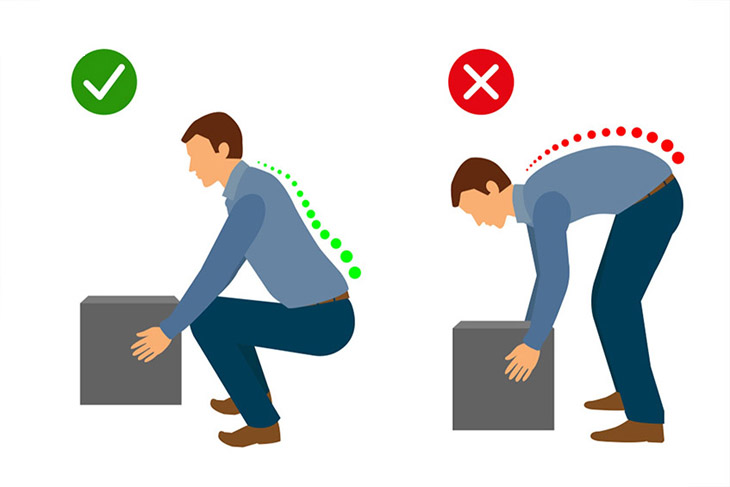
- Avoid lifting heavy objects, excessive exertion or high intensity exercise that may increase the risk of injury
- Limit running and jumping during treatment to reduce spinal load
- Avoid long distance travel, especially on uneven or bumpy roads
- Refrain from carrying heavy loads on one side and avoid prolonged sitting, which may increase pressure on the intervertebral discs and spine
Patients should also seek medical advice and strictly adhere to their physician’s recommendations to optimize treatment outcomes.
At the onset of symptoms suggestive of herniated disc, patients are advised to seek medical evaluation at Hong Ngoc General Hospital.
Reader may also be interested in:
- Stages of disc herniation: recognizing each stage for appropriate management
- What is disc degeneration? Causes, symptoms, and treatment options
- Lumbar spondylolisthesis: causes, symptoms and treatment options
At Hong Ngoc, patients benefit from high quality healthcare services in the capital, including:
- A team of highly experienced specialists trained at leading institutions both domestically and internationally, such as Bach Mai Hospital, Viet Duc Hospital and Royal North Shore Hospital (Australia)
- Advanced, fully integrated medical equipment imported from the United States, including SIGNA Prime MRI, 128 slice CT scanner, Hologic bone densitometry system and Logiq P7 musculoskeletal ultrasound, enabling high resolution imaging and early detection of tumors and musculoskeletal lesions
- Integrated treatment approach combining physiotherapy and rehabilitation, utilizing German therapeutic systems and advanced Austrian manual therapy techniques to restore mobility and alleviate pain effectively
- Personalized follow up schedules with proactive appointment reminders for each patient
- A clean, modern hospital environment with comprehensive amenities, including free Wi Fi, café and dining services
- Weekend service availability with no additional charges
- Streamlined insurance processing with direct billing to maximize patient benefits
Note: The information provided in this article by Hong Ngoc General Hospital is for reference purposes only and does not replace professional medical diagnosis or treatment. Patients are strongly advised not to self medicate. For an accurate assessment of their condition, individuals should seek direct consultation, diagnosis and appropriate treatment planning from qualified healthcare professionals.
For more health related updates and useful information, please follow Hong Ngoc General Hospital’s official fanpage:https://www.facebook.com/BenhvienHongNgoc/