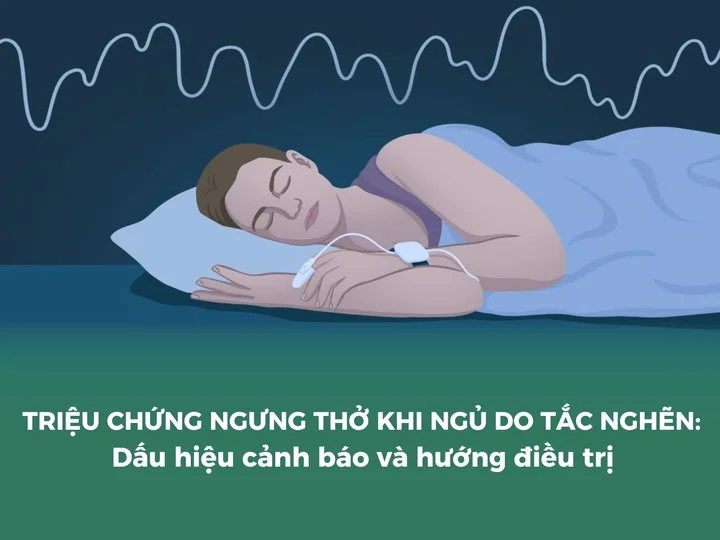



Sleep apnea leads to intermittent hypoxemia during rest, resulting in poor sleep quality and increasing the risk of serious complications. What are the simple, effective, and home-based approaches for managing sleep apnea?
Recognizing the signs of sleep apnea
Before exploring treatment options, early recognition of sleep apnea symptoms is essential for timely medical evaluation and intervention:
- Loud snoring accompanied by pauses in breathing, gasping, or snorting sounds
- Excessive daytime sleepiness and persistent fatigue
- Frequent nocturnal awakenings or sudden arousals during sleep
- Morning headaches, impaired concentration, and memory difficulties
- Irritability and mood changes
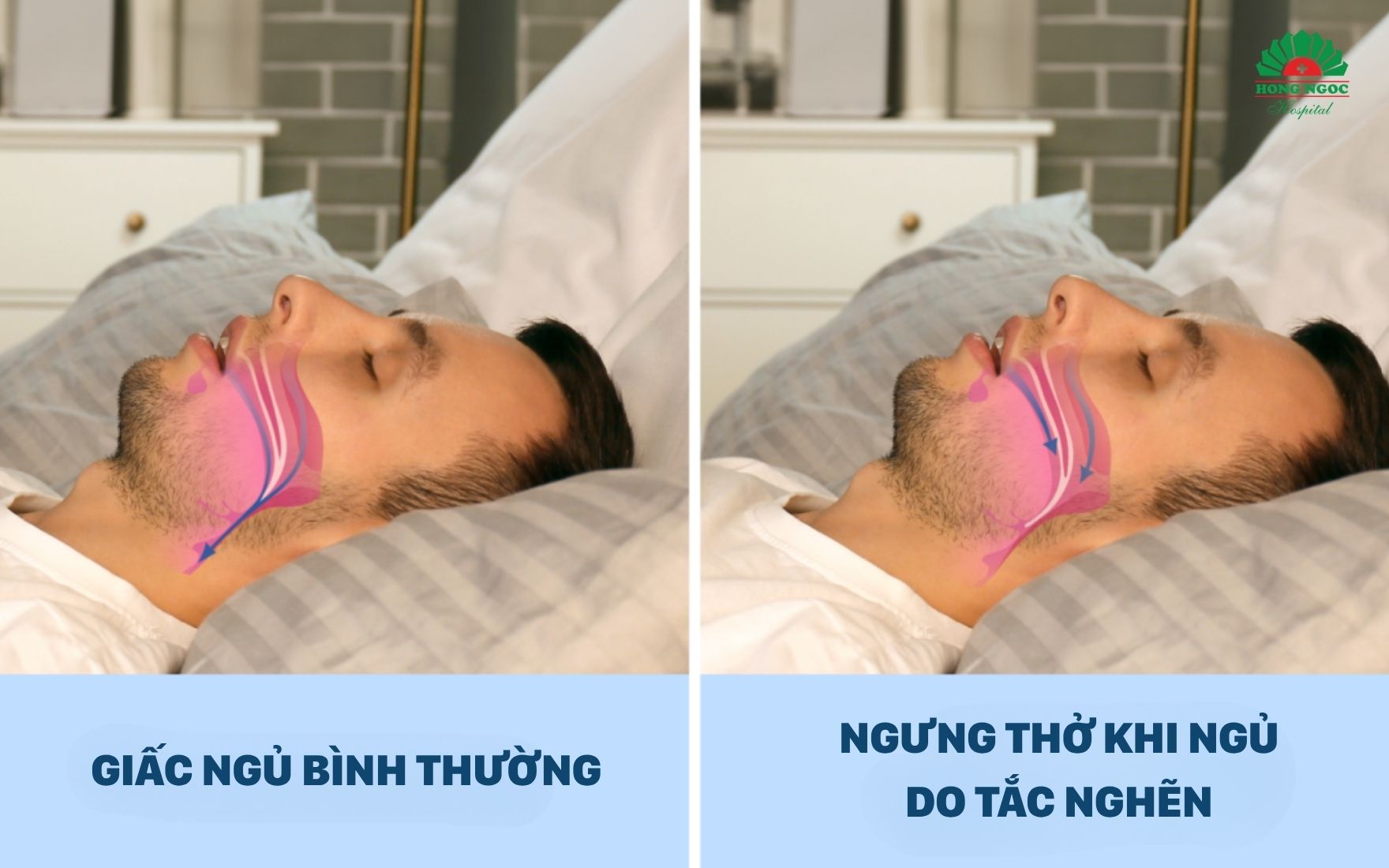
Sleep apnea is a common respiratory disorder, frequently observed in individuals who are overweight, middle-aged, or have structural abnormalities of the upper airway. It may arise from obstructive mechanisms, central nervous system dysfunction, or a combination of both.
Can sleep apnea be treated?
Untreated sleep apnea can have serious health consequences, including chronic hypoxemia, hypertension, cardiovascular disease, and an increased risk of stroke. However, the condition can be effectively managed and symptoms can be significantly improved if it is detected early and treated appropriately.
Simple home-based approaches for managing sleep apnea
Positional therapy
Adjusting sleep position is one of the simplest and most effective home-based strategies. This approach helps prevent the tongue and soft tissues from collapsing backward into the airway, thereby maintaining airway patency.
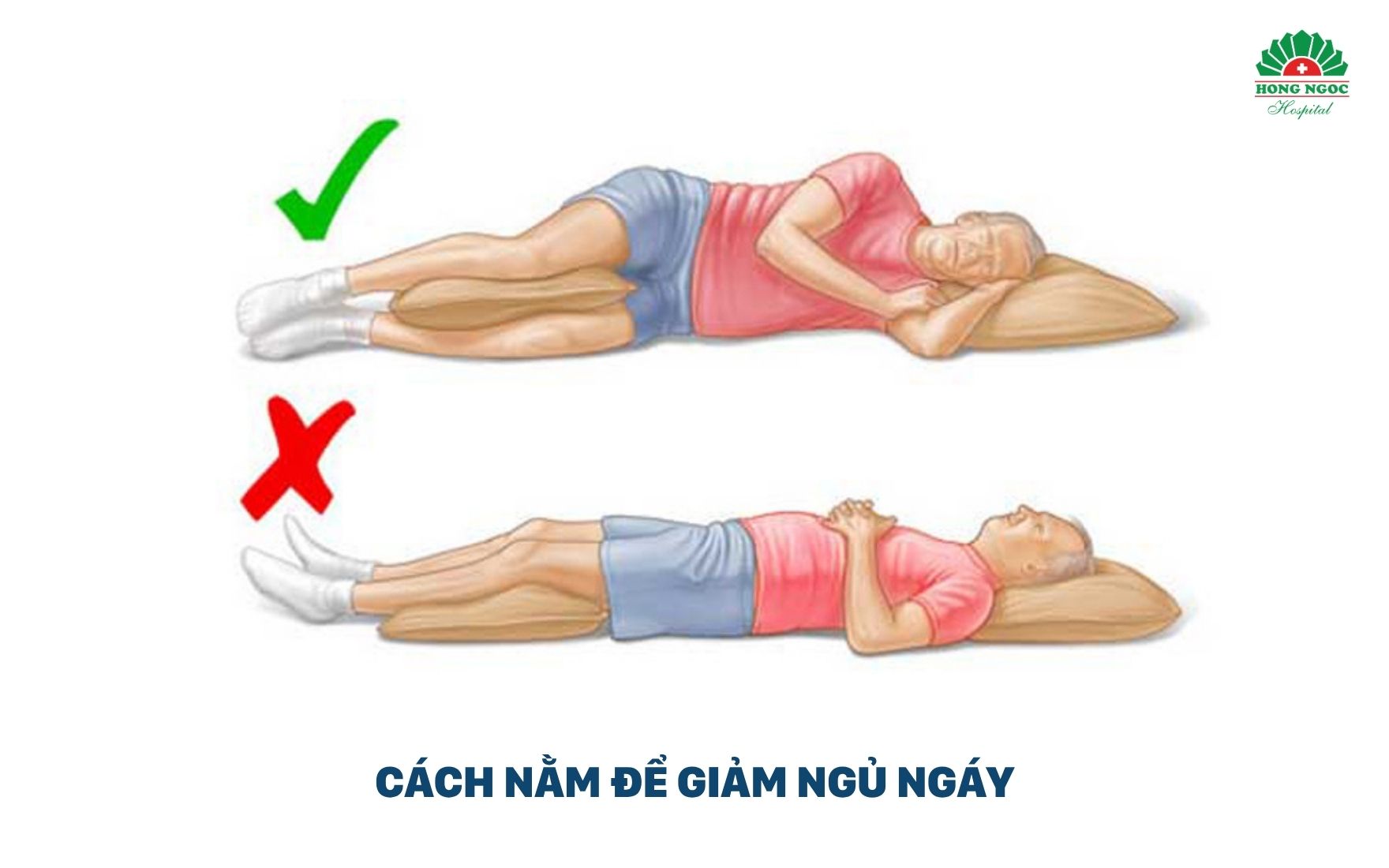
Side sleeping
Patients are encouraged to sleep in a lateral position. Using a body pillow or placing a pillow behind the back can help maintain this position throughout the night. Side sleeping reduces pressure on the upper airway, which may decrease snoring and improve airflow.
Head elevation
Using a supportive pillow to elevate the head and upper torso can help prevent airway collapse. Avoiding excessive neck flexion, such as the chin falling toward the chest, helps maintain an open airway and enhances ventilation during sleep.
Weight management
Approximately 50 percent of individuals with overweight or obesity are affected by sleep apnea, as excess adipose tissue around the neck can contribute to upper airway obstruction. Therefore, weight control is a key strategy in improving respiratory function. However, weight loss should be achieved in a safe and effective manner:
Adopt a balanced, nutrient-rich diet
Engage in regular, moderate physical activity appropriate for age and health status
Avoid stimulants
Patients with sleep apnea should limit alcohol consumption, as alcohol acts as a central nervous system depressant, promoting relaxation of the tongue and pharyngeal muscles and increasing the risk of airway collapse. Therefore, avoiding alcohol is a simple and practical measure to help manage the condition.
Reader may also be interested in:
- Sleep apnea: definition, clinical significance, etiology, and recognizable symptoms
- Sleep apnea syndrome: causes, at-risk populations, and potential complications to be aware of
- Obstructive sleep apnea: warning signs and treatment approaches
In addition, smoking should be avoided, as it contributes to airway inflammation and narrowing of the upper respiratory tract.
Oropharyngeal muscle training
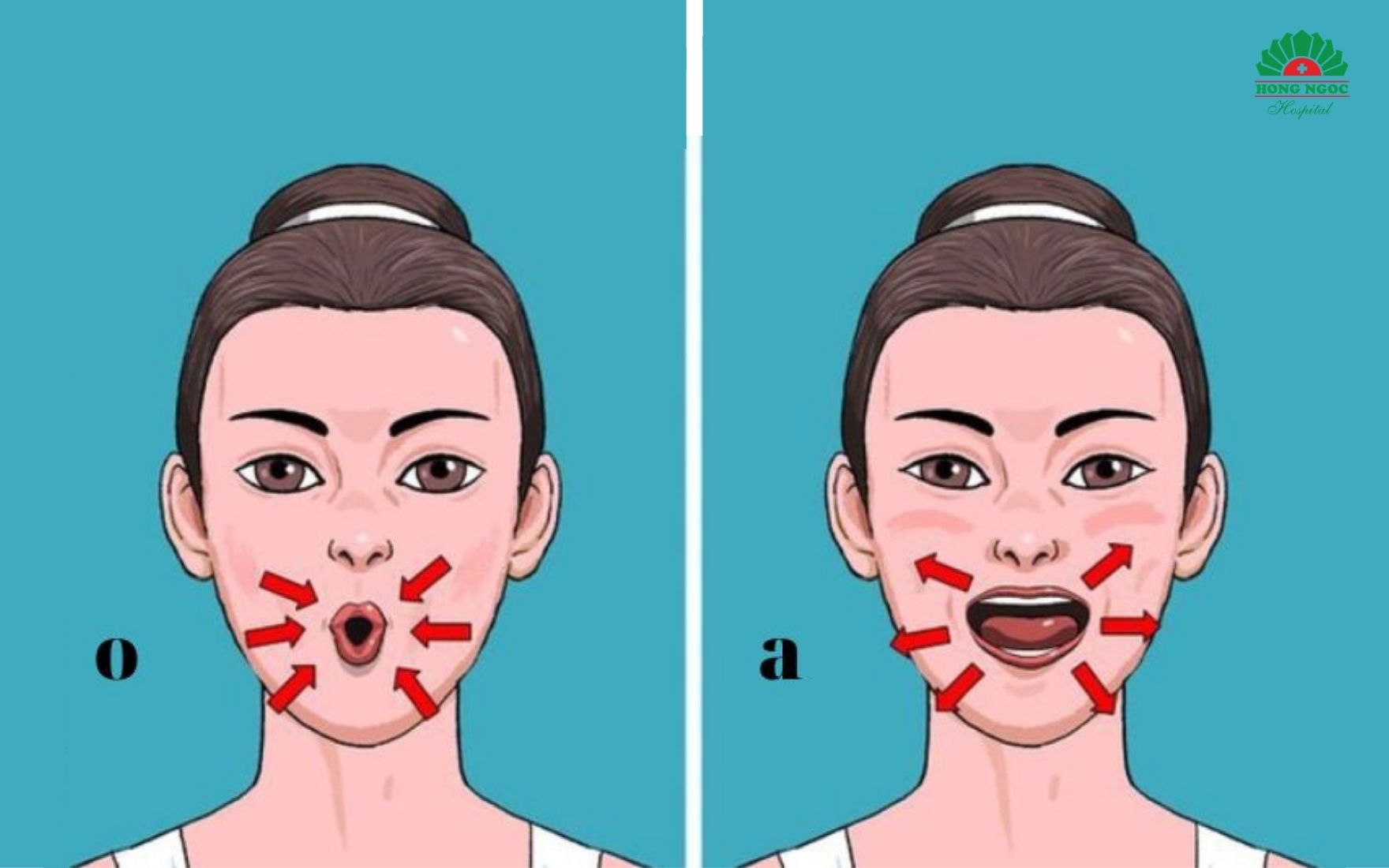
Strengthening and improving the flexibility of the oropharyngeal muscles is another simple home-based approach. Recommended exercises include:
- Vowel articulation exercises: pronounce the vowels A, E, I, O, U loudly and clearly for approximately 5 minutes, two to three times daily
- Tongue exercises: press the tongue firmly against the palate and hold for 5 seconds, repeating 10 times daily
Mandibular advancement exercises: protrude the lower jaw forward, hold for 5 seconds, then relax; repeat 10 times daily to improve tone of the surrounding soft tissues and enhance airway stability
Use of sleep-support devices
Sleep-support devices may help maintain airway patency, facilitate airflow, and reduce the risk of apneic events during sleep. Common options include:
- Anti-snoring pillows
- Mandibular advancement devices
- Continuous positive airway pressure devices
Sleep apnea not only disrupts sleep quality but also poses significant risks to cardiovascular and neurological health. While early application of home-based management strategies may help alleviate symptoms, patients are strongly advised to seek medical evaluation for accurate diagnosis and appropriate treatment.
Note: The information provided in this article by Hong Ngoc General Hospital is for reference purposes only and does not replace professional medical diagnosis or treatment. For an accurate assessment of your condition, patients should visit a reputable healthcare facility for direct consultation and individualized treatment planning by qualified physicians.
Department of Respiratory Medicine – Hong Ngoc General Hospital
No. 8 Chau Van Liem Street, Tu Liem Ward, Hanoi
No. 55 Yen Ninh Street, Ba Dinh Ward, Hanoi
Hotline: 0947 616 006