



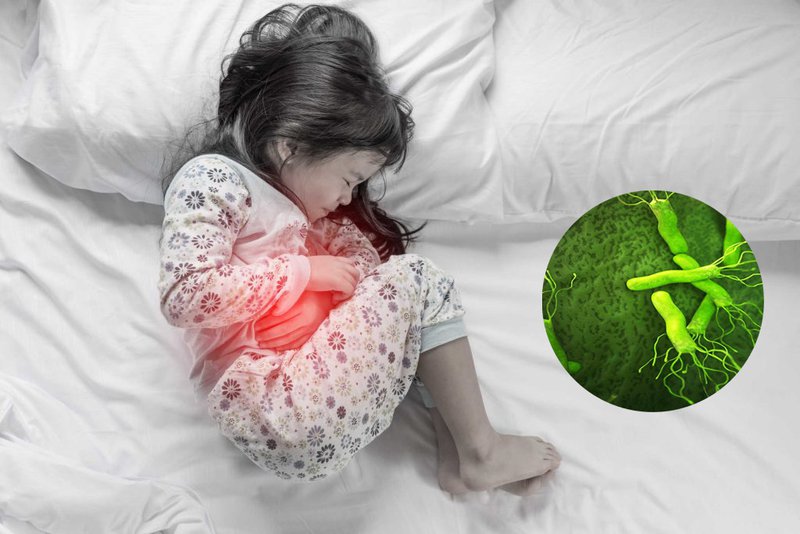
Helicobacter pylori is a spiral shaped bacterium that colonizes the gastric mucosa, leading to damage of the stomach and duodenal lining, and is a major cause of gastritis and peptic ulcer disease. Although H. pylori infection in children is relatively less common, it is often difficult to detect and requires early diagnosis and appropriate management to prevent potentially serious complications.
Causes of helicobacter pylori infection in children
The exact cause of Helicobacter pylori infection remains incompletely understood. However, it is widely accepted that Helicobacter pylori is transmitted from person to person, primarily through close contact such as oral exposure (e.g., kissing) or via the fecal oral route. Although many children may be exposed to Helicobacter pylori, only a subset will develop clinically significant infection.
Children at increased risk include:
- Those with poor hygiene practices, facilitating transmission through contaminated food, water, or unsanitary environments
- Children with weakened immune systems, allowing the bacterium to establish infection more easily
- Those with a family history of gastrointestinal diseases, particularly in parents or close relatives
Clinical manifestations of Helicobacter pylori infection in children
The clinical presentation of Helicobacter pylori infection varies among individuals, and symptoms may differ in severity and frequency. In many cases, infection may lead to gastritis, which can manifest with the following features:
- Dull or burning abdominal pain, typically occurring 2 to 3 hours after meals or during fasting, with intermittent episodes lasting days to weeks
- Unintentional weight loss
- Loss of appetite (anorexia)
- Abdominal bloating, distension, and gastroesophageal reflux symptoms such as heartburn
- Nausea
- Vomiting
- Melena (black, tarry stools) or hematochezia indicating gastrointestinal bleeding
It is important to note that the symptoms of Helicobacter pylori infection may overlap with other gastrointestinal disorders, particularly in pediatric populations where clinical recognition can be more challenging. Therefore, caregivers should closely monitor children and seek prompt medical evaluation at a healthcare facility when even mild symptoms are observed.
Complications of Helicobacter pylori infection in children
Helicobacter pylori can penetrate the protective mucosal layer of the stomach, leading to inflammation. This inflammatory process renders gastric epithelial cells more susceptible to damage from gastric acid and pepsin, resulting in the development of gastric or duodenal ulcers. Additionally, Helicobacter pylorimay stimulate increased gastric acid secretion, further exacerbating mucosal injury.
Early infection in children may lead to several adverse outcomes:
- Impaired nutrient absorption: Children may develop malnutrition, with consequent delays in physical growth and neurocognitive development.
- Reduced quality of life: Persistent gastrointestinal symptoms can negatively impact daily activities and overall well being.
- Serious gastrointestinal complications: These may include gastrointestinal bleeding due to erosion of blood vessels, gastric or duodenal perforation, gastric outlet obstruction caused by ulcer related scarring, and an increased long term risk of gastric malignancy.
Diagnostic modalities for Helicobacter pylori infection
Clinicians can diagnose Helicobacter pylori infection using a variety of diagnostic tests, each with specific advantages and limitations:
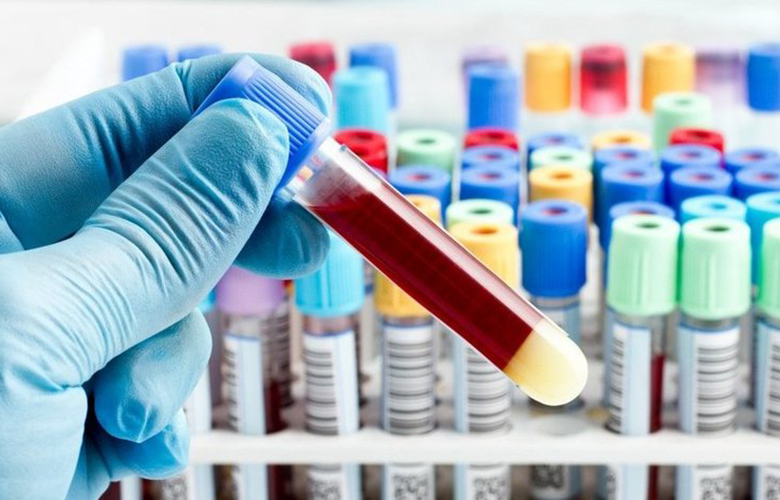
- Serologic testing (blood test):This method detects antibodies against Helicobacter pylori in the bloodstream. It is relatively simple to perform; however, it does not distinguish between active and past infection, nor does it assess bacterial load or the presence and severity of gastric mucosal damage. Additionally, results may require time for processing.
- Stool antigen test: This test identifies Helicobacter pylori antigens in fecal samples and can provide reliable information regarding active infection. However, accurate results depend on strict adherence to specimen collection protocols, and the method does not evaluate the extent of gastric mucosal injury.
- Urea breath test: The urea breath test is a non-invasive and widely used method to detect active Helicobacter pylori infection. Nevertheless, it is generally not recommended for children under 6 years of age. While convenient, it does not provide information on mucosal damage and may be associated with higher costs.
- Upper gastrointestinal endoscopy: Endoscopy remains a key diagnostic modality, allowing direct visualization of the gastric mucosa, assessment of disease severity, and identification of underlying pathology. It also enables biopsy for definitive diagnosis. However, in pediatric patients, particularly those under 10 years of age, this procedure should be carefully considered and performed under appropriate medical guidance.
Which diagnostic test should be selected for Helicobacter pylori in children?
The choice of diagnostic modality for Helicobacter pylori infection in pediatric patients should be individualized, based on several key factors, including:
- The child’s age
- The severity of clinical presentation
- Parental preferences and expectations
- The child’s tolerance and ability to cooperate with the procedure
- Financial considerations
- Professional medical advice from a qualified healthcare provider
A tailored approach, guided by clinical evaluation and physician consultation, is essential to ensure accurate diagnosis and optimal patient care.
What should be done when a child is infected with Helicobacter pylori?
The management of Helicobacter pylori infection in children should be individualized based on several factors, including:
- The child’s age, overall health status, and medical history
- The severity of the infection
- The child’s tolerance to specific medications, procedures, or therapeutic regimens
- Expected treatment outcomes
- Parental preferences and expectations
Treatment strategies may include:
- Antibiotic therapy to eradicate Helicobacter pylori
- Acid suppressive therapy, such as proton pump inhibitors, to reduce gastric acid secretion, protect the gastric mucosa, and enhance the effectiveness of antimicrobial treatment
In addition, caregivers should:
- Ensure strict adherence to the prescribed treatment regimen, including medication schedules, follow up evaluations, and reassessment visits
- Select reputable healthcare facilities with experienced clinicians, advanced medical equipment, and high quality patient care services for diagnosis and treatment
Prevention of Helicobacter pylori infection in children
Establishing healthy lifestyle habits and maintaining proper personal hygiene can significantly reduce the risk of H. pylori infection in children. Recommended preventive measures include:
- Regular handwashing with soap and clean water, especially after using the restroom and before meals
- Consuming properly cleaned and safely cooked food
- Using safe and clean drinking water
Note: The information provided in this article by Hong Ngoc General Hospital is for reference purposes only and does not replace professional medical diagnosis or treatment. Patients should not self medicate. For an accurate diagnosis and appropriate treatment plan, individuals are advised to visit a healthcare facility for direct consultation, clinical evaluation, and prescription by qualified physicians.
Gastroenterology Center – Hong Ngoc General Hospital
- Hong Ngoc Phuc Truong Minh General Hospital: No. 8 Chau Van Liem, Nam Tu Liem District, Hanoi
- Hong Ngoc General Hospital: 55 Yen Ninh, Ba Dinh District, Hanoi
- Hong Ngoc Savico Long Bien Clinic: 3rd Floor, Building B, Savico Megamall, 07–09 Nguyen Van Linh, Long Bien District, Hanoi
Hotline: 0911 908 856 – 0932 232 016Email: khamsuckhoecanhan@hongngochospital.vn
For more health information and latest promotions, visit:https://www.facebook.com/trungtamtieuhoaBVHongNgoc