


Preventing adenovirus transmission in children requires simultaneous measures at home, at school and in public places, especially when case numbers tend to rise during the summer. According to Nhan Dan newspaper on July 11, 2026, 2,777 children had tested positive since the beginning of the year, three times higher than the same period in 2025; in the first days of July alone, 383 additional cases were reported at the reporting facility.
The article below helps parents understand transmission routes, apply appropriate preventive measures and recognize warning signs that require medical evaluation.
Quick answer: Parents should have children wash their hands with soap for at least 20 seconds, avoid sharing personal items, avoid contact with sick individuals and regularly clean toys and commonly touched surfaces. Children with fever, cough, conjunctivitis, vomiting or diarrhea should stay home, avoid swimming and be taken for medical evaluation if they develop breathing difficulty, lethargy, poor feeding or reduced urination.
Professional medical consultation: Pham Thi Nhu Hoa, MD, Specialist Level II – Head of the Pediatric Infectious Diseases Department, Hong Ngoc General Hospital. Date updated: July 17, 2026.
Quick article summary:
- Parents should have children wash their hands with soap for at least 20 seconds, especially before eating, after using the toilet and after coughing or sneezing.
- Children with fever, cough, conjunctivitis, vomiting or diarrhea should stay home and avoid swimming pools and playgrounds.
- Families should not share face towels, drinking cups, spoons, toys that children put in their mouth or eye hygiene items with a child who is ill.
- Caregivers should clean toys, door handles, tabletops and frequently touched surfaces with appropriate disinfectant products.
- Children with breathing difficulty, lethargy, seizures, poor feeding, reduced urination or persistent high fever should be taken for early medical evaluation.
Why does adenovirus spread easily among children?
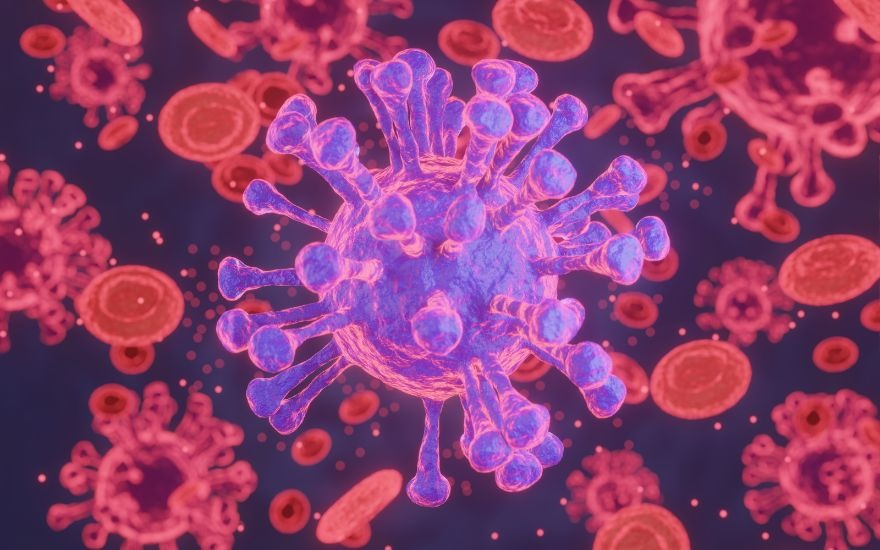
Adenovirus can spread through multiple routes at the same time, including respiratory droplets when an infected person coughs or sneezes, close contact, contaminated hands and surfaces, feces from an infected person and water that has not been adequately disinfected. Children may become infected after touching toys, door handles or objects contaminated with the virus and then touching their eyes, nose or mouth. The virus can also spread during diaper changing or when caring for a child with diarrhea.
Schools, preschools, playgrounds and public swimming pools are high-risk environments for cross-transmission because children often interact closely, share objects and may not yet maintain good personal hygiene habits. In particular, adenovirus can survive on certain surfaces and may spread through swimming pool water if filtration, cleaning or disinfection systems are inadequate. Therefore, parents should keep children home from school, temporarily stop swimming and limit visits to crowded places when children have fever, cough, conjunctivitis, vomiting or diarrhea.
Measures to prevent adenovirus transmission in children
Parents can apply the following measures to reduce the risk of adenovirus infection in children.
Teach children when and how to wash their hands properly
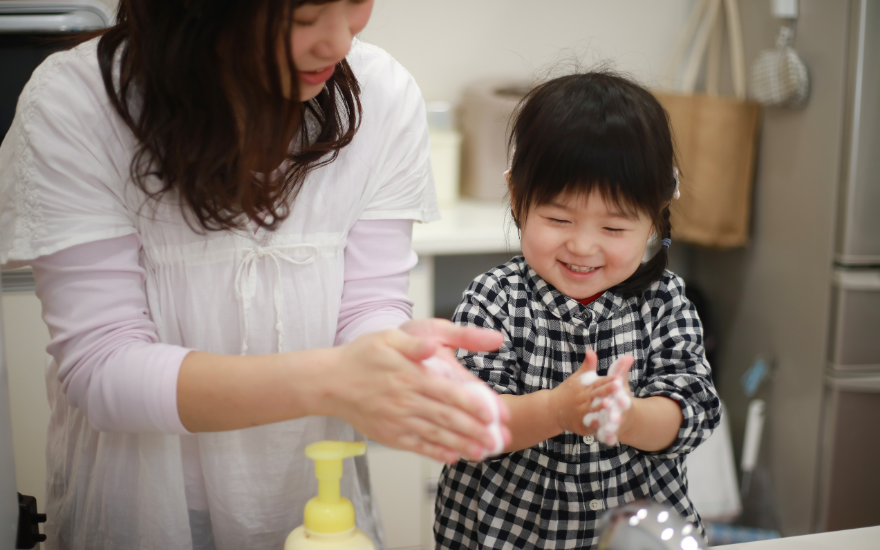
Handwashing with soap is one of the most important measures to prevent viruses from objects, secretions or feces from entering the eyes, nose and mouth. Children should wet their hands, lather with soap, rub the palms, backs of the hands, between the fingers and under the nails for at least 20 seconds, then rinse thoroughly and dry their hands.
Parents should remind children to wash their hands:
- Before eating or touching food.
- After using the toilet or after diaper changes.
- After coughing, sneezing or blowing the nose.
- After going to school, swimming or playing outdoors.
- After touching someone who is ill, tissues or body secretions.
When soap and clean water are not available, caregivers may use a hand sanitizer containing at least 60% alcohol. Young children should be supervised by an adult to prevent swallowing the sanitizer or getting it into their eyes.
Maintain respiratory hygiene, wear masks and keep rooms well ventilated
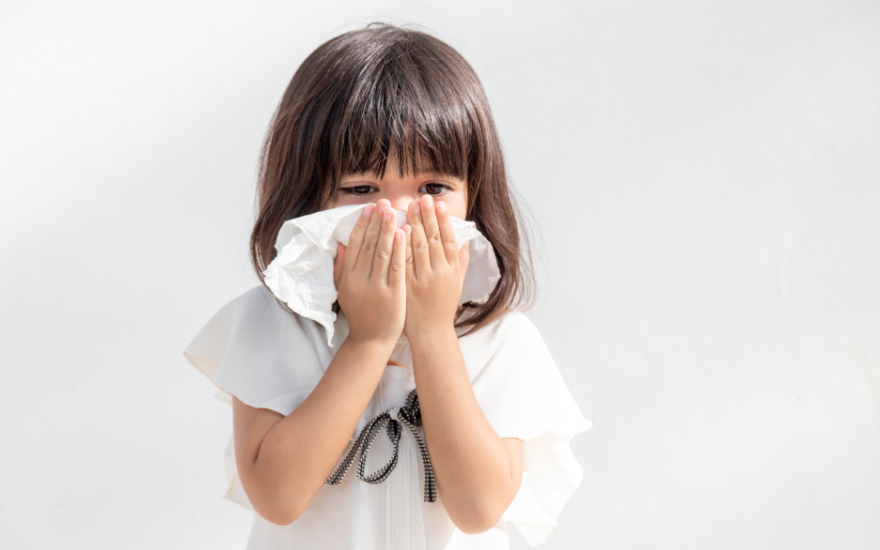
Parents should teach children to cough or sneeze into a tissue or the elbow, then dispose of the tissue in a trash bin and wash their hands. Children should not cover their mouth with their hands, as the virus can continue to spread to objects and people around them.
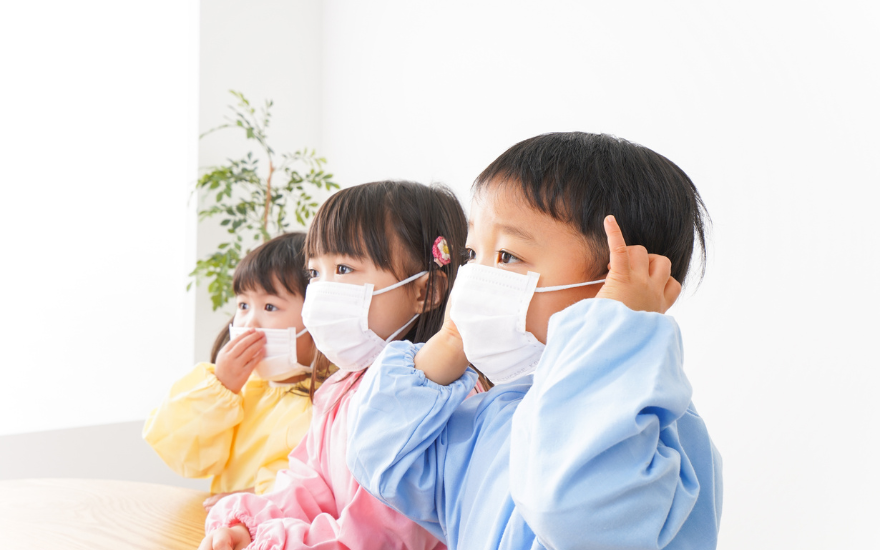
Children aged 2 years and older may wear a mask when visiting healthcare facilities, using public transportation or staying in crowded, poorly ventilated places. Families should also open windows when conditions allow and avoid keeping children in enclosed rooms for long periods. Masks should cover both the nose and mouth and be replaced when damp or dirty.
Limit children’s exposure to sources of infection
Children with fever, frequent coughing, conjunctivitis, vomiting or diarrhea should stay home from school, avoid swimming and refrain from going to playgrounds or crowded places. Keeping children at home both supports recovery and reduces the risk of transmission within the community.
If someone in the household is ill, parents should limit hugging, kissing, face-to-face contact and sharing personal items with children. Caregivers should wash their hands after wiping a child’s nose, cleaning the eyes, changing diapers or handling vomit, and should not allow healthy children to play with toys that have not been cleaned.
Maintain personal hygiene, clean belongings and keep the living environment clean
Parents should bathe children and change their clothes after they return from school, playgrounds or crowded places. Door handles, switches, tabletops, phones, bathrooms and shared toys should also be cleaned regularly using appropriate products according to the instructions on the label.
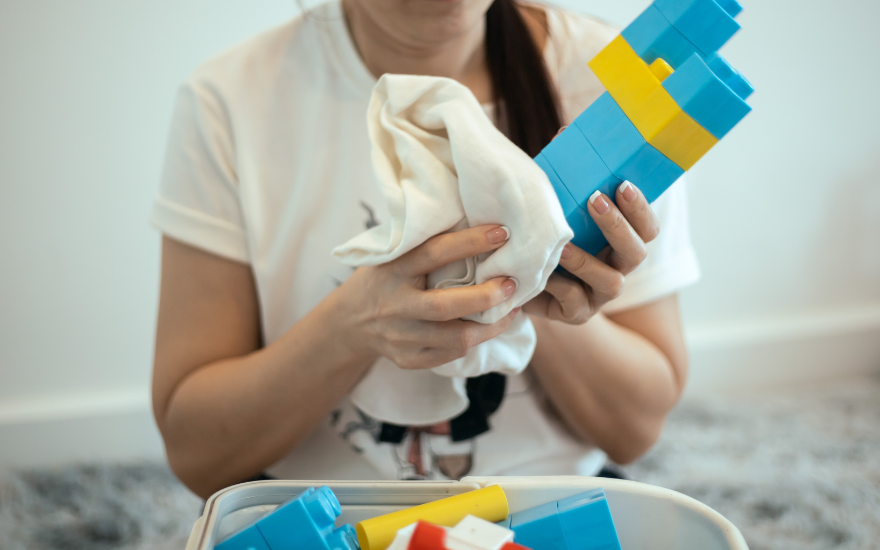
Children should not share face towels, bath towels, pillows, drinking cups, spoons, eye drops or personal hygiene items. Toys that children often put in their mouth should be cleaned after use and should not be passed directly to another child.
Safe care when children have conjunctivitis or diarrhea
Adenovirus can cause conjunctivitis, vomiting and diarrhea. When a child has eye redness or excessive eye discharge, caregivers should not use the same towel to wipe both eyes or share towels among family members. Cloth towels should be washed thoroughly and dried, while disposable cotton pads or tissues should be discarded immediately after use.
When changing diapers or cleaning a child with diarrhea, caregivers should dispose of diapers properly and wash their hands immediately afterward. Families should continue maintaining hand hygiene and cleaning personal items even after symptoms improve, as the virus may continue to be shed for a period of time.

Be cautious when allowing children to swim
Adenovirus can spread through water if swimming pools are not properly filtered and disinfected. Parents should choose pools with clear hygiene procedures and should not allow children to swim when they have fever, frequent coughing, conjunctivitis, vomiting or diarrhea.
When case numbers are increasing, families may consider reducing visits to crowded public swimming pools. Infants, children with chronic cardiopulmonary disease or immunocompromised children should be protected with extra caution.

Maintain breastfeeding and a nutritionally adequate diet
Infants should be exclusively breastfed for the first 6 months if the health of both mother and baby allows, followed by appropriate complementary feeding while continuing breastfeeding up to 2 years of age or beyond. Breast milk provides nutrition and antibodies, helping support children’s defense against many common infections.
From 6 months of age, children need a diverse diet that includes food groups such as meat, fish, eggs, milk, legumes, green vegetables and fruits. Parents should ensure adequate fluid intake, provide properly cooked food and boiled drinking water, and should not use vitamins or products advertised to “boost immunity” without medical guidance. Breastfeeding and adequate nutrition help maintain overall health, but they do not provide specific protection against adenovirus.

Coordinate with schools and childcare facilities
Schools and preschools should maintain handwashing areas, clean toys regularly, keep classrooms well ventilated and monitor children for abnormal signs. When a child develops fever, conjunctivitis, vomiting or diarrhea, the school should notify the family and limit the child’s close contact with classmates while waiting for pickup.
Parents should inform the school if their child is diagnosed with adenovirus infection. Timely communication helps educational facilities strengthen hygiene measures, monitor related cases and proactively implement measures to reduce transmission.

What should parents do if a child in the household already has adenovirus infection?
Families should apply multiple measures at the same time instead of focusing on only one approach, such as using normal saline drops or disinfectant sprays. Normal saline may help clear nasal discharge when used appropriately, but it does not replace handwashing, limiting close contact and cleaning surfaces.
Parents can follow these steps:
- Keep the child at home: Children should not go to school, swim or visit crowded places while symptoms are still present.
- Reduce close contact: Families should limit sharing beds, towels, cups and toys between the sick child and siblings.
- Control secretions: Caregivers should wash their hands after wiping the child’s nose or eyes, cleaning up vomit or changing diapers.
- Clean shared items and surfaces: Door handles, dining tables, sinks and bathrooms should be cleaned regularly.
- Monitor the child’s overall condition: Parents should observe breathing rate, alertness, feeding ability, urine output, vomiting and diarrhea.
Adenovirus is a virus, so antibiotics do not have a direct effect. Parents should not give children antibiotics, combine fever-reducing medications on their own or use eye drops containing antibiotics or corticosteroids without medical evaluation. Currently, there is also no specific antiviral medication approved for most routine cases of adenovirus infection.
When should children be taken for medical evaluation?
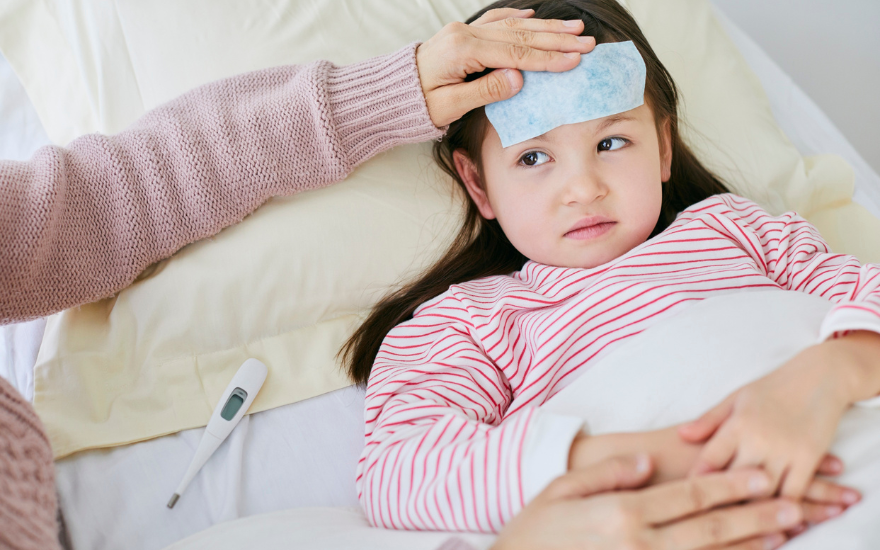
Parents should take children for early medical evaluation if they have persistent high fever, worsening cough, significant conjunctivitis, vomiting, diarrhea or poor oral intake. Children with heart disease, lung disease, immunodeficiency or very young age should be assessed earlier because they are at higher risk of severe progression.
Children should be taken to a healthcare facility or emergency department immediately if any of the following signs occur:
- Difficulty breathing, labored breathing, chest retractions or bluish lips.
- Lethargy, difficulty waking, slow response or seizures.
- Inability to drink, poor feeding or persistent vomiting.
- Reduced urination, prolonged dry diapers, dry lips, sunken eyes or crying without tears.
- Fever of 38°C or higher in infants under 3 months of age.
- Severe eye pain, light sensitivity or changes in vision.
- High fever that is difficult to reduce or persists for several days.
Parents may refer to the article when summer fever in children becomes dangerous to recognize signs such as breathing difficulty, dehydration, seizures and altered consciousness that require medical assessment. These signs are not sufficient to self-diagnose adenovirus infection, as many pediatric infections can present with similar symptoms.
Frequently asked questions about preventing adenovirus transmission in children
Is there an adenovirus vaccine for children?
There is currently no specific treatment for adenovirus infection. Treatment mainly focuses on symptom relief and supportive care to help the body recover. Vaccines against adenovirus types 4 and 7 are used only in certain groups of U.S. military personnel and are not approved for the general public. Therefore, hand hygiene, limiting exposure to sources of infection and environmental control remain the main preventive measures.
Can children get adenovirus again after a previous infection?
Yes. Children can be infected again because adenovirus includes many different types, and a previous infection does not mean that the child is protected against all types. Families should continue hygiene and transmission prevention measures even after the child has recovered.
Do children without symptoms need adenovirus testing?
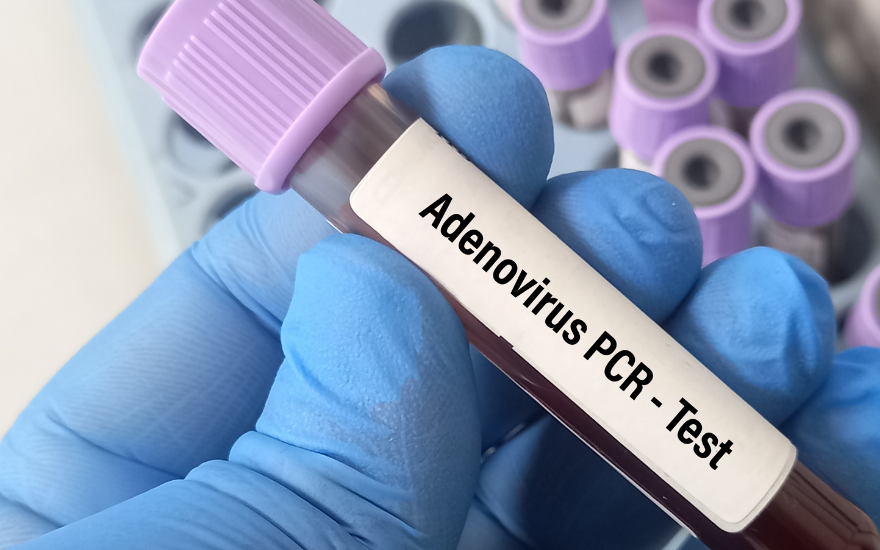
Healthy children without symptoms usually do not need testing simply because many cases are being reported. Physicians will consider testing based on symptoms, disease severity, exposure history and risk of complications. Parents should not use test results as the only factor in deciding care or treatment.
Can adults transmit adenovirus to children?
Yes. Adenovirus can affect people of all ages and spread through close contact, coughing, sneezing, contaminated hands and surfaces, feces or virus-contaminated water. Adults with symptoms should limit close contact, avoid sharing personal items and wash their hands before caring for children.
Conclusion
Preventing adenovirus transmission in children requires multiple layers of protection, including proper handwashing, covering the mouth when coughing, keeping spaces well ventilated, avoiding the sharing of personal items, cleaning surfaces and keeping sick children at home. Parents should not become overly anxious, but they also should not rely solely on supplements, normal saline or self-administered antibiotics for prevention.
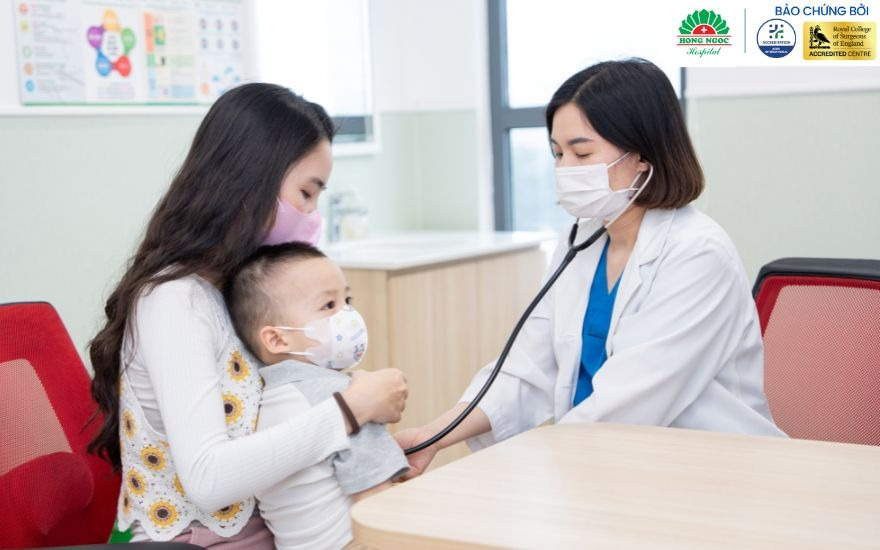
If a child has persistent high fever, worsening cough, conjunctivitis, vomiting, diarrhea, or signs of breathing difficulty, dehydration or reduced alertness, the family should take the child to a healthcare facility. The Pediatric Infectious Diseases Department at Hong Ngoc General Hospital provides examination and care for pediatric respiratory diseases and implements strict screening and patient flow procedures to reduce cross-transmission, helping ensure safety throughout the examination and treatment process.
Medical note: This article is for reference only and is not a substitute for medical examination, diagnosis or treatment by a physician. Parents should take children for early medical evaluation if they have persistent high fever, breathing difficulty, lethargy, poor feeding, frequent vomiting, reduced urination or eye pain accompanied by vision changes.
References:
- CDC. About Adenovirus, cập nhật ngày 16/12/2025.
- CDC. Guidelines for Adenovirus Outbreaks, cập nhật ngày 17/12/2025.
- CDC. About Handwashing, hướng dẫn rửa tay tối thiểu 20 giây.
- WHO. Infection Prevention and Control, hướng dẫn chung về vệ sinh tay, vệ sinh hô hấp và kiểm soát lây nhiễm.
- American Academy of Pediatrics. Adenovirus Infections in Infants and Children.
- CDC. When Students or Staff Are Sick, hướng dẫn nghỉ học và quay lại trường.