


Many parents encounter situations in which children are too absorbed in play, do not like drinking plain water, or only agree to drink when they are very thirsty. Some children are also used to soft drinks, milk, or fruit juice, which may make them even more likely to refuse plain water. However, on hot days, inadequate fluid intake can quickly put children at risk of dehydration, affecting digestion, thermoregulation, alertness, and overall health.
Quick answer: A child who refuses to drink water may be at higher risk of dehydration, constipation, fatigue, reduced concentration, and heat exhaustion during summer. Parents should watch for signs such as dry lips, dry mouth, reduced urination, dark yellow urine, constipation, severe fatigue, or irritability. Children should not be forced to drink if they are confused, vomiting repeatedly, having seizures, or unable to swallow. If signs of severe dehydration occur, the child should be taken for medical evaluation immediately.
Professional consultation: Nguyen Van Ngoc, MD, Specialist Level I - Deputy Head of the Pediatrics and Tropical Diseases Department, Hong Ngoc - Phuc Truong Minh General Hospital.
Quick summary of the article
- A child refusing to drink water is a common situation, especially among children who are absorbed in play, prefer sweetened beverages, or have not yet developed the habit of drinking water regularly.
- Children are more prone to dehydration than adults because their thermoregulatory capacity is not fully developed, and they can lose fluid more easily during fever, vomiting, diarrhea, or outdoor physical activity.
- Signs that a child may be dehydrated include dry lips, dry mouth, reduced urination, dark yellow urine, constipation, fatigue, irritability, dizziness, or headache in older children.
- Signs of severe dehydration include lethargy, difficulty being awakened, sunken eyes, no urination for several hours, cold hands and feet, rapid breathing, persistent vomiting, or inability to drink water.
- Infants under 6 months of age should not be given plain water without medical guidance; breast milk or formula remains the primary source of fluid.
- Plain water should be the main choice for older children. It should not be replaced with soft drinks, milk tea, energy drinks, or excessive amounts of fruit juice.
- Oral rehydration solution should not be used as a daily substitute for water. It is appropriate only in certain situations, such as diarrhea, vomiting, or when recommended by a healthcare professional.
Why do children refuse to drink water?
There are many reasons why children may drink less water than their actual needs. Some are related to daily habits, while others may be associated with medical conditions such as sore throat, mouth ulcers, fever, nausea, or digestive disorders.
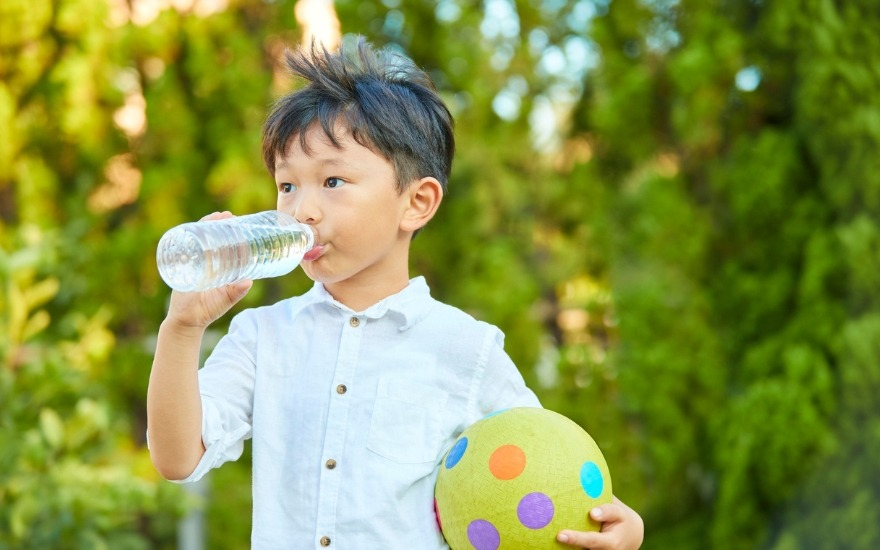
Children are absorbed in play and forget they are thirsty
This is a very common reason in young children. When playing, children may become fully focused on the activity in front of them and ignore thirst signals.
- Children focus on the activity they are engaged in: When children are running around, watching cartoons, playing with toys, or participating in outdoor activities, the brain prioritizes attention on the current activity. As a result, children may not realize that they are thirsty.
- Children’s self-care skills are still limited: Unlike adults, children have not yet developed the habit of actively seeking water when the body begins to lose fluid.
- Summer increases the risk: In hot weather, children lose fluid more quickly through sweating. If they remain absorbed in play and do not drink water, dehydration may develop more rapidly.
- Children may signal through behavior rather than words: Some children do not say “I’m thirsty,” but instead become irritable, tired, less active, or unwilling to continue playing.
Children prefer sweetened beverages to plain water
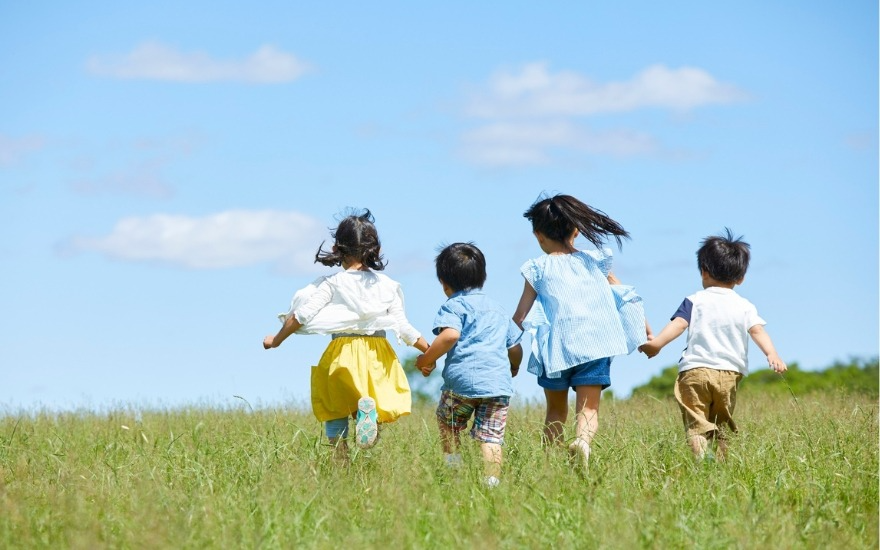
Many children refuse plain water because they have become accustomed to sweetened beverages such as packaged fruit juice, carbonated soft drinks, milk tea, or flavored milk.
- Sweetened beverages stimulate the taste buds more strongly: When children regularly consume sweetened drinks, plain water may seem “bland” and less appealing.
- Unhealthy habits can easily develop: Children may ask for sweetened drinks whenever they feel thirsty and refuse plain water during meals or at school.
- They are not a substitute for plain water: Many sweetened beverages contain high amounts of sugar, provide limited nutritional value, and may increase the risk of tooth decay, overweight, or disrupted eating habits.
- Fruit juice also needs to be controlled: Even when made from fruit, excessive fruit juice intake may increase sugar consumption and reduce a child’s interest in drinking plain water.
Trẻ chưa hình thành thói quen uống nước
Children have not yet developed a regular water-drinking habit
Many children do not drink enough water because they have not been given a regular drinking schedule during the day. If parents only remind them to drink when they are already thirsty, children may consume less fluid than they need.
- Children drink only when they are very thirsty: By the time thirst becomes obvious, the body has usually already begun to experience some degree of fluid deficiency.
- There is no fixed water-drinking schedule: Without reminders after waking up, after meals, before or after physical activity, or after returning home from school, children may easily forget to drink water.
- There is no water bottle nearby: Children tend to drink more when they can see a water bottle or have their own bottle to bring to class.
- Parents have not set an example: If adults in the household rarely drink water or frequently consume sweetened beverages, children may imitate that habit.
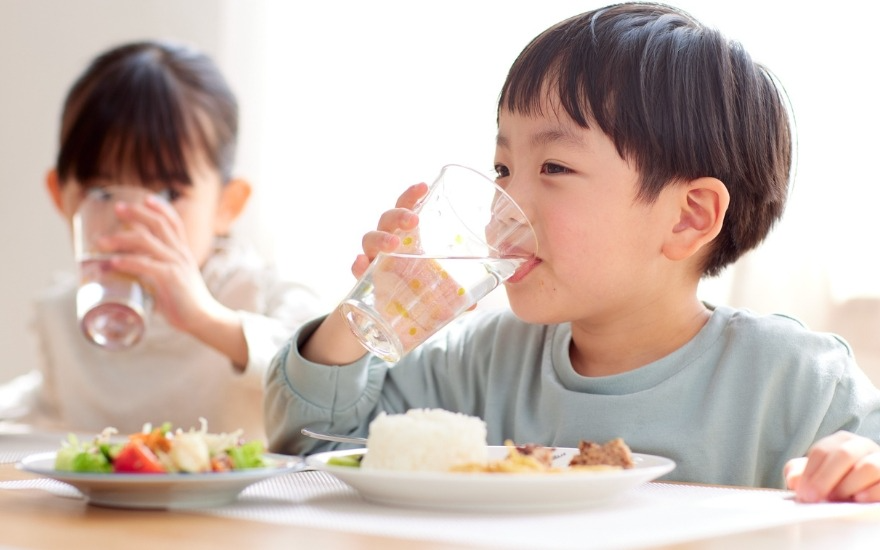
Children may dislike the taste, smell, or temperature of water
Some children are sensitive to the taste, smell, or temperature of water. They may dislike water that is too warm, too cold, has a chlorine-like odor, or is served in an unclean cup or bottle.
Parents may notice that a child:
- Drinks water only from a specific cup or bottle.
- Refuses water at school but drinks it at home.
- Prefers cool water but dislikes warm water.
- Dislikes water with an unusual smell.
- Drinks better when using a straw or a bottle featuring a favorite character.
In such cases, the issue may not be that the child is “too lazy to drink water,” but that the child has not yet had a suitable water-drinking experience.
When can a child refusing to drink water be related to a medical condition?
A child’s refusal to drink water is not always due to habit. If a child suddenly refuses to drink water, drinks very little, or appears afraid to swallow, parents should consider possible medical causes.
Sore throat, pharyngitis, or difficulty swallowing
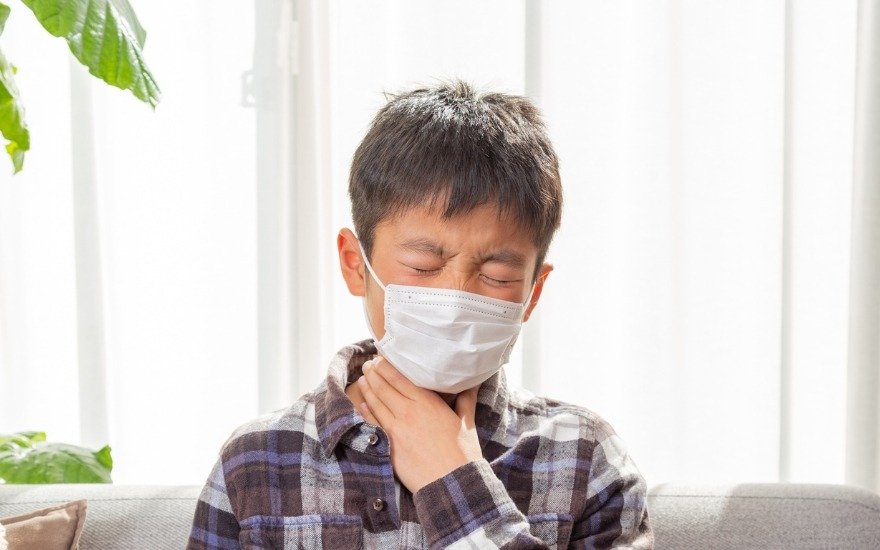
When a child has a sore throat, swallowing water may be painful. The child may refuse to drink even when thirsty.
Suggestive signs include:
- Complaining of a sore throat.
- Difficulty swallowing.
- Drooling.
- Fever.
- Crying or irritability when eating or drinking.
- Bad breath.
- Red, swollen tonsils or pus on the tonsils.
If a child is unable to drink because of throat pain, especially when accompanied by high fever or lethargy, the child should be taken for medical evaluation.
Mouth ulcers, hand, foot and mouth disease, or teething
Lesions inside the mouth may cause pain when a child drinks water, especially cold water, acidic drinks, or flavored beverages.
Parents should check for the following signs if the child:
- Drools excessively.
- Refuses to eat or drink.
- Has mouth ulcers.
- Has fever.
- Develops a rash or blisters on the hands, feet, or buttocks.
- Cries or becomes irritable when swallowing.
Children with mouth ulcers or hand, foot and mouth disease are at risk of dehydration because mouth pain may make them reluctant to drink.
Nausea, abdominal pain, or digestive disorders
Children may refuse to drink because of nausea, abdominal pain, bloating, or fear of vomiting again after drinking.
Parents should pay attention if the child has:
- Frequent vomiting.
- Diarrhea.
- Abdominal pain.
- Fever.
- Severe fatigue.
- No urination for several hours.
- Vomiting again after drinking.
If a child has vomiting or diarrhea together with poor fluid intake, dehydration should be closely monitored, and medical evaluation should be sought if abnormal signs occur.
Fever or fatigue due to another illness
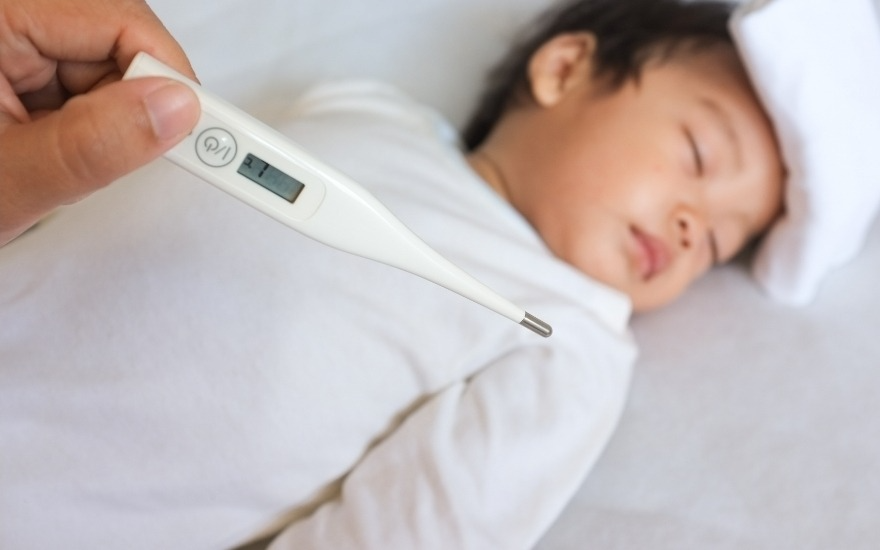
When a child has fever, the body loses fluid more quickly through sweating and faster breathing. However, the child may also feel tired, lose appetite, become sleepy, and refuse to drink water.
If a child has fever and drinks very little, parents should monitor:
- Urination frequency.
- Level of alertness.
- Whether the lips or mouth are dry.
- Whether vomiting or diarrhea is present.
- Whether the child is lethargic or difficult to awaken.
A child should not simply be considered “too lazy to drink” if an acute illness is present
Read more: When is fever in children dangerous?
Why are children more prone to dehydration than adults?
Children are more vulnerable to fluid deficiency than adults, especially during summer or when they have fever, vomiting, or diarrhea.
A higher body water percentage
Children’s bodies contain a higher proportion of water than adult bodies. As a result, changes in body fluid levels may have a more noticeable impact on children’s physiological functions.
- Relatively greater fluid loss: When children sweat, have fever, vomit, or develop diarrhea, the amount of fluid lost relative to their body size can be significant.
- Greater sensitivity to fluid deficiency: Even mild dehydration may cause fatigue, headache, reduced concentration, or constipation in children.
- Young children may have difficulty expressing symptoms: Infants and young children may not be able to clearly communicate thirst, dizziness, or fatigue.
Immature thermoregulation
Children do not regulate body temperature as effectively as adults. In hot weather, the body needs water to produce sweat and cool itself down.
- Sweat glands are not yet as efficient as in adults: Children are more likely to experience a rise in body temperature when playing outdoors or staying in a hot environment.
- Dehydration reduces heat dissipation: When the body lacks fluid, sweating becomes less effective, increasing the risk of heat exhaustion or heatstroke.
- Children are often absorbed in play: Children may continue running and playing even when they are already tired or thirsty.

Children are prone to dehydration during fever, vomiting, or diarrhea
Fever causes the body to lose fluid through sweating and breathing. Vomiting and diarrhea cause the loss of fluid and electrolytes through the gastrointestinal tract.
When these conditions are accompanied by poor fluid intake, the risk of dehydration may increase more rapidly. Therefore, children with fever, diarrhea, or vomiting should be monitored more closely than healthy children.
How much water does a child need each day?
There is no fixed number that applies to every child. Water needs depend on age, body weight, physical activity level, weather conditions, diet, fever, vomiting, diarrhea, and underlying medical conditions.
Infants under 6 months of age
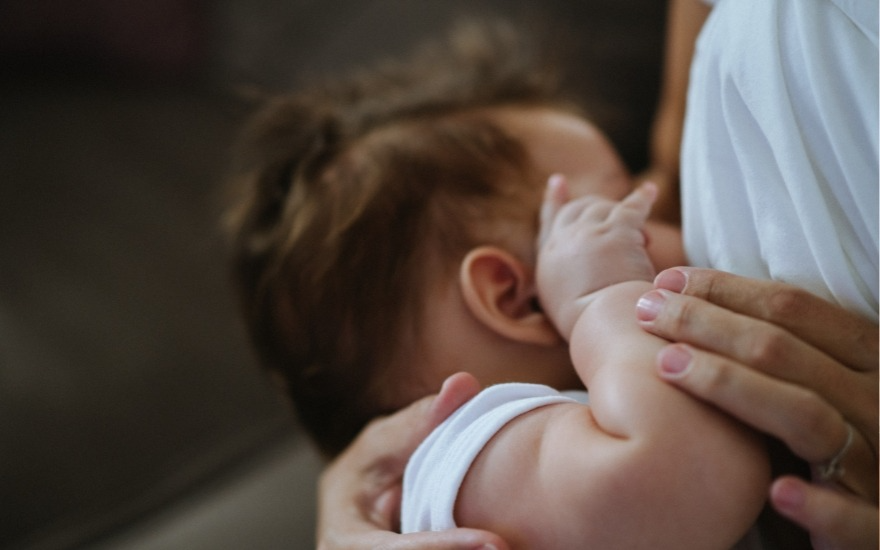
For infants under 6 months of age, breast milk or formula is usually the primary source of fluid. Breast milk is nearly 90% water, so exclusively breastfed infants usually do not need additional plain water. Parents should not give infants plain water in place of breast milk or formula without medical guidance.
Parents should take the child for medical evaluation if any of the following signs occur:
- Poor feeding.
- Fever.
- Diarrhea.
- Vomiting.
- Reduced urination.
- Dry lips.
- Sunken eyes.
- Lethargy.
Children from around 6 months of age
When children begin complementary feeding, parents may gradually introduce an appropriate small amount of water, in addition to breast milk or formula and solid foods. Children should not be forced to drink large amounts of water, as this may reduce breast milk or formula intake or decrease food intake.
If a child has fever, diarrhea, vomiting, or an underlying medical condition, parents should consult a doctor about the appropriate method of fluid replacement.
Older children
For older children, plain water should be the main beverage during the day. Water needs increase when:
- The weather is hot.
- The child is physically active.
- The child sweats heavily.
- The child has a fever.
- The child eats many dry or salty foods.
- The child has vomiting or diarrhea.
Instead of forcing children to drink a fixed amount of water, parents should monitor whether:
- The child urinates regularly.
- The urine is dark yellow.
- The child has dry lips or dry mouth.
- The child feels tired, has a headache, or feels dizzy.
- The child has constipation.
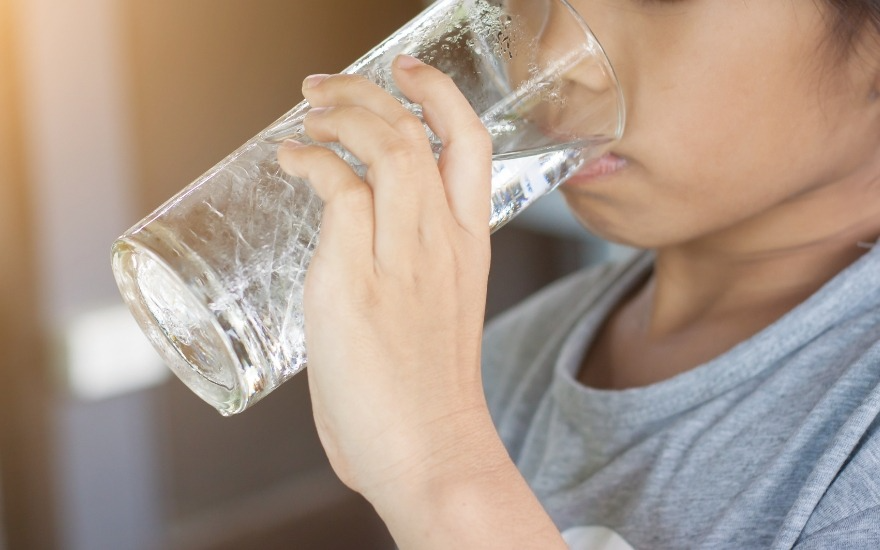
Signs that a child may be dehydrated
Dry lips and dry mouth
These are fairly common early signs. When the body’s fluid level decreases, the mucous membranes of the mouth and the lips are often among the first areas to lose moisture.
Parents may notice:
- Dry or cracked lips.
- The child licks the lips repeatedly.
- Dry mouth or reduced saliva.
- Breath that smells stronger than usual.
- The child complaining of thirst or asking to drink repeatedly.
In young children, this sign may be harder to recognize, so it should be assessed together with urination frequency, level of alertness, and the child’s ability to feed or eat.
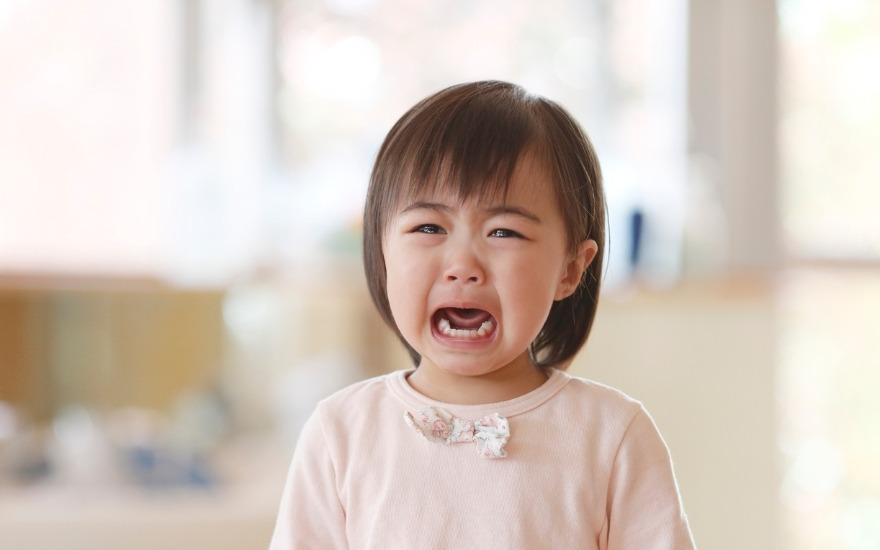
Crying with few tears
In young children, crying with few tears or no tears may be a sign of dehydration.
This occurs because the body prioritizes conserving fluid for vital organs. If a child has fever, vomiting, diarrhea, or poor fluid intake and cries without tears, parents should monitor the child more closely.
Dark yellow urine or reduced urination
Urine is one of the easiest signs to monitor at home. When the body is dehydrated, the kidneys conserve more water to maintain circulation, causing urine output to decrease and urine color to become darker.
Parents may notice that:
- The child urinates less often than usual.
- Urine is dark yellow and has a stronger smell.
- The interval between urinations is longer.
- In younger children, diapers stay dry for longer than usual.
- The child complains of headache, fatigue, or thirst together with reduced urination.
If a child does not urinate for several hours, especially when accompanied by lethargy, vomiting, fever, or diarrhea, the child should be taken for medical evaluation.
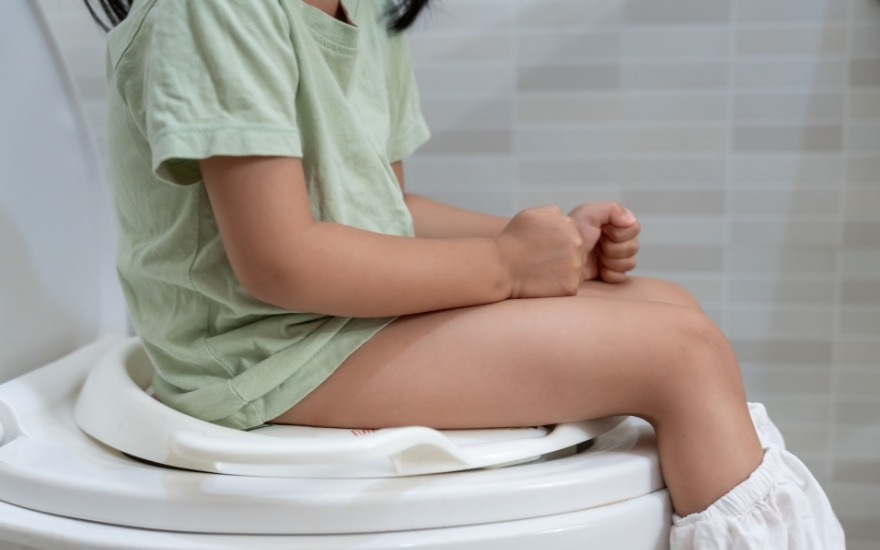
Constipation
Prolonged fluid deficiency may contribute to constipation. When the body lacks fluid, the colon absorbs more water from stool, making stool drier and harder.
Children may experience:
- Less frequent bowel movements.
- Dry, hard stools.
- Pain during bowel movements.
- Fear of having a bowel movement.
- Abdominal pain.
- Loss of appetite.
Persistent constipation not only causes discomfort, but may also make children afraid to use the bathroom, creating a cycle that can worsen constipation.
Fatigue, irritability, or reduced concentration
The brain is sensitive to changes in fluid and electrolyte balance. Even mild dehydration may cause children to feel tired, have headaches, or become less able to concentrate.
Parents may notice that the child:
- Is more irritable than usual.
- Does not want to play.
- Sleep more than usual.
- Has difficulty concentrating at school.
- Complaints of headache.
- Feels dizzy when standing up.
- Becomes less physically active.
However, fatigue may also be caused by lack of sleep, fever, infection, or other medical conditions. If fatigue persists or is accompanied by signs of dehydration, the child should be taken for medical evaluation.
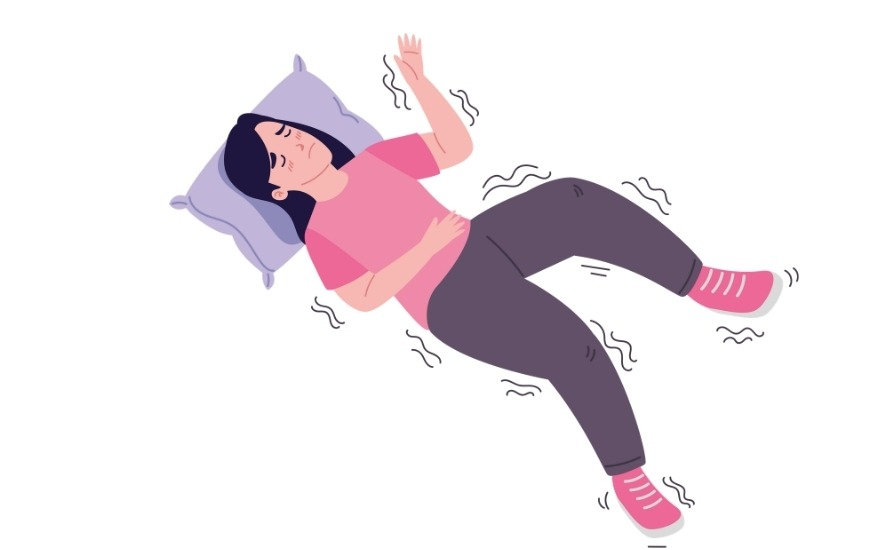
Signs of severe dehydration
These warning signs should not be monitored at home for too long.
Children should be taken for medical evaluation or emergency care if any of the following signs occur:
- Lethargy or difficulty being awakened.
- Sunken eyes.
- Cold hands and feet.
- Rapid breathing.
- No urination for several hours.
- Persistent vomiting.
- Severe diarrhea.
- Inability to drink water.
- Seizures.
- Markedly dry lips or clearly dry mouth.
- Poor feeding or refusal to feed infants.
- Suspected heatstroke after exposure to a hot outdoor environment.
Classification of dehydration in children by severity
How to help children drink enough water
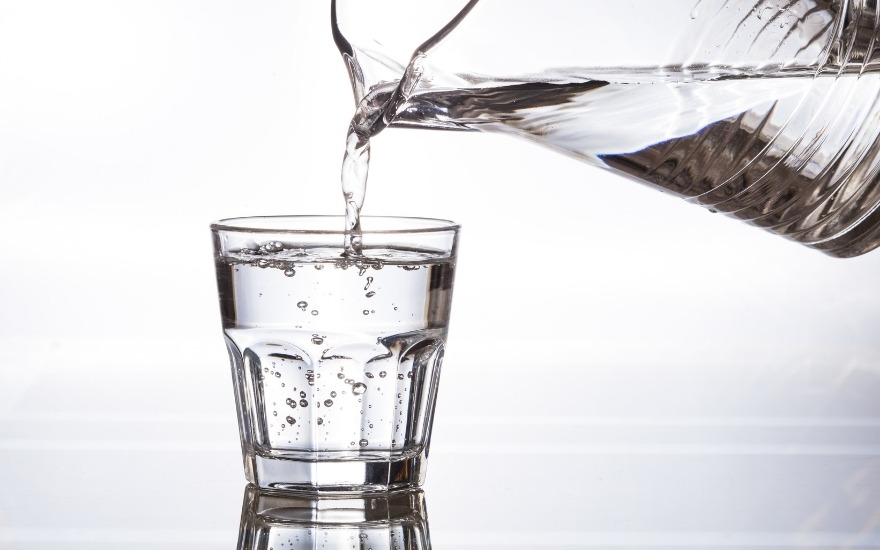
Divide water intake throughout the day
Parents should not wait until children are very thirsty before offering water. Instead, water intake can be divided into smaller amounts throughout the day.
Suggested times to remind children to drink water include:
- After waking up.
- After meals.
- Before going to school.
- After returning home from school.
- Before going outside to play.
- After physical activity.
- Before bedtime, if the child is not prone to nighttime urination.
Drinking small sips several times a day is often easier for children to accept than being forced to drink a large amount all at once.
Prepare a personal water bottle for the child
Children often enjoy items with bright colors, cartoon characters, or personalized designs. A water bottle that the child likes may encourage them to drink water more proactively.
Parents can:
- Choose a lightweight bottle that is easy to open.
- Mark water levels by time of day.
- Let the child choose the color or bottle.
- Place the bottle somewhere the child can easily see it.
- Prepare a water bottle for school, outings, or travel.
Increase water-rich foods
In addition to drinking water, foods also provide part of the body’s fluid intake.
Some water-rich foods include:
- Watermelon.
- Oranges.
- Grapefruit.
- Cucumber.
- Tomatoes.
- Green vegetables.
- Broth-based soups and soups.
- Appropriate thin porridge.
However, water-rich foods only support hydration and should not completely replace daily water intake.

Make plain water more appealing without adding sugar
If children do not like plain water, parents can add a mild natural flavor to make it easier for them to drink.
Options to try include:
- Adding a few slices of orange.
- Adding a few slices of lemon.
- Adding a few slices of cucumber.
- Adding mint leaves, if the child likes them.
- Using an age-appropriate cup or straw.
Sugar, syrup, or sweetened flavoring powders should not be added regularly, as this may cause children to remain dependent on sweet tastes.
Parents should set an example
Children learn from adult behavior. If parents regularly drink plain water, carry a water bottle, and limit sweetened beverages, children are more likely to imitate these habits.
Drinking water can become a family routine by:
- Having the whole family drink water after waking up.
- Drinking water after returning from being outdoors.
- Preparing water bottles for outings.
- Choosing plain water instead of sweetened beverages during meals.

Do not turn drinking water into a battle
Forcing, scolding, or threatening a child may make them even more resistant. Instead, parents should provide gentle guidance, build the habit step by step, and praise the child when they cooperate.
Parents may use:
- Reward charts.
- Reward stickers.
- Games such as “drinking water with mom and dad.”
- Reminders through a clock, timer, or visual cues.
- Communication with teachers if the child attends a full-day or semi-boarding school program.
When should parents not force a child to drink water?
Although adequate hydration is important, there are situations in which children should not be forced to drink water, as this may cause choking or worsen their condition.
Do not force a child to drink water if the child:
- Is drowsy, confused, or difficult to awaken.
- Has seizures.
- Has difficulty breathing.
- Has bluish discoloration of the lips or skin.
- Vomits repeatedly.
- Is unable to swallow.
- Drools excessively, with suspected severe sore throat or severe mouth ulcers.
- Is suspected of having heatstroke.
- Has severe abdominal pain or vomits after every attempt to drink.
- Shows signs of severe dehydration.
In these situations, parents should take the child for medical evaluation or emergency care instead of trying to force the child to drink water at home.
When should a child be taken for medical evaluation?
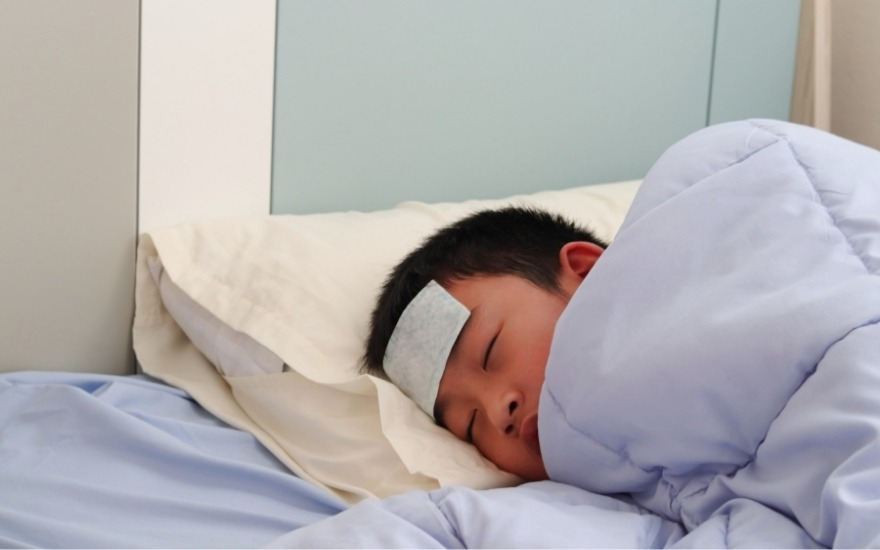
Children should be taken for medical evaluation early if signs of dehydration occur
Parents should take a child for medical evaluation if the child has:
- Markedly dry lips.
- Clearly dry mouth.
- Very little urination.
- Diapers that remain dry for an unusually long time.
- Persistent dark yellow urine.
- Persistent constipation.
- Significant fatigue.
- Dizziness.
- Headache.
- Prolonged refusal to drink water.
- Suspected dehydration.
Cần cấp cứu nếu có dấu hiệu nguy hiểm
Emergency care is needed if danger signs occur
Children should be taken to emergency care or emergency services should be called if the child:
- Is lethargic or difficult to awaken.
- Is unable to drink water.
- Vomits repeatedly.
- Has severe diarrhea.
- Does not urinate for several hours.
- Has cold hands and feet.
- Has clearly sunken eyes.
- Breathes rapidly.
- Has seizures.
- Has a high fever.
- Is suspected of having heatstroke after sun exposure.
- Is under 6 months of age and has poor feeding, fever, vomiting, diarrhea, or reduced urination.
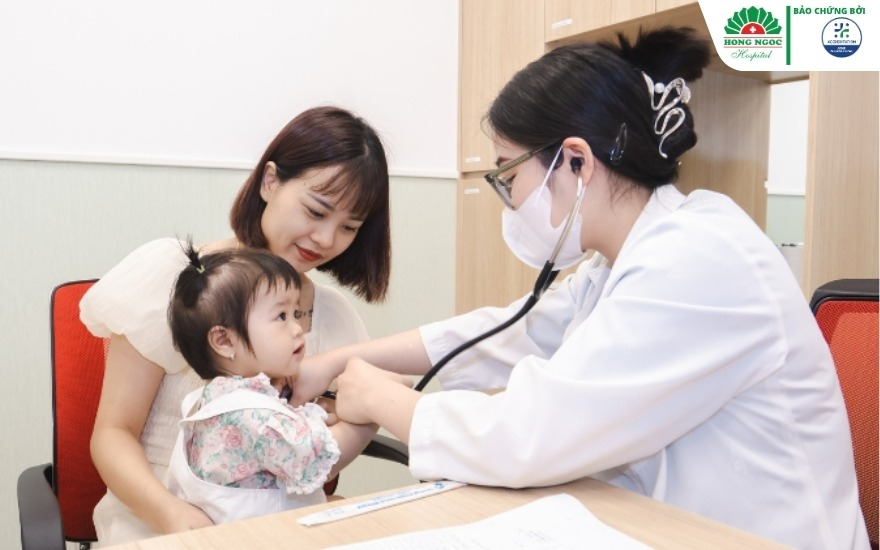
At Hong Ngoc General Hospital, children can be examined by pediatric specialists to assess poor fluid intake, persistent constipation, suspected dehydration, fever, vomiting, diarrhea, or other health-related warning signs during hot weather. Customers may contact the hotline at 024 3927 5568 or leave their information below to receive a call and consultation from a doctor.
Frequently asked questions
Is it dangerous if a child refuses to drink water?
Yes. If this persists, especially during hot weather, when the child has fever, vomiting, diarrhea, or engages in vigorous physical activity, the child may be at risk of dehydration, constipation, fatigue, reduced concentration, and heat exhaustion.
What signs indicate that a child may be dehydrated?
Common signs include dry lips, dry mouth, crying with few tears, reduced urination, dark yellow urine, constipation, fatigue, irritability, dizziness, or headache in older children. If the child is lethargic, does not urinate for several hours, or is unable to drink water, medical evaluation should be sought immediately.
Do infants under 6 months of age need to drink water?
Infants under 6 months of age usually do not need additional plain water, as breast milk contains up to approximately 90% water and is sufficient to meet the body’s fluid needs. For formula-fed infants, formula prepared according to the correct instructions also provides adequate fluid.
Parents should not give infants additional water without a doctor’s recommendation, as this may affect milk intake and disturb electrolyte balance. If the infant has poor feeding, fever, vomiting, diarrhea, reduced urination, or suspected dehydration, the child should be taken for medical evaluation early.
Can plain water be replaced with fruit juice?
No, plain water should not be completely replaced. For older children, plain water should remain the main beverage. Fruit juice should be limited because it may contain high amounts of natural sugar and can make children become accustomed to sweet tastes.
Is it a problem if a child refuses water but still drinks milk?
This depends on the child’s age and health condition. In young children, milk remains an important source of fluid. However, if an older child only drinks milk, refuses water, and has constipation, reduced urination, or poor appetite, parents should adjust the child’s drinking habits and consult a doctor when necessary.
How long can a child go without drinking water before it becomes concerning?
Parents should not rely only on the length of time. They should also assess accompanying signs. If the child has reduced urination, dry lips, lethargy, vomiting, diarrhea, fever, or is unable to drink water, early medical evaluation is needed.
Should oral rehydration solution be given when a child refuses to drink water?
Oral rehydration solution should not be used as a daily substitute for water. It is more appropriate when a child is dehydrated due to diarrhea, vomiting, or when recommended by a healthcare professional. It must be prepared at the correct dilution and should not be mixed too concentrated or too diluted.
Can drinking too little water cause constipation in children?
It may. When the body lacks fluid, the colon absorbs more water from stool, making the stool dry and hard. If a child drinks too little water, eats too little fiber, and is physically inactive, the risk of constipation increases.
When does dehydration in children require hospital care?
If the child is lethargic, difficult to awaken, does not urinate for several hours, has sunken eyes, vomits repeatedly, has severe diarrhea, is unable to drink water, has a high fever, or is suspected of having heatstroke, the child should be taken for medical evaluation or emergency care.
Conclusion
A child’s refusal to drink water is fairly common but should not be overlooked, especially during summer. Inadequate fluid intake may increase the risk of dehydration, constipation, fatigue, reduced concentration, and heat exhaustion.
Parents should help children develop a regular water-drinking habit, prioritize plain water, limit sugar-sweetened beverages, increase water-rich foods, and monitor for signs of dehydration such as dry lips, reduced urination, dark yellow urine, constipation, or fatigue.
However, children should not be forced to drink water if they are drowsy or confused, have seizures, vomit repeatedly, have difficulty breathing, or are unable to swallow. When signs of severe dehydration occur, the child should be taken for medical evaluation or emergency care promptly.
Medical note
This article is for informational purposes only and does not replace medical diagnosis or treatment. For infants under 6 months of age, children with underlying medical conditions, children with fever, vomiting, diarrhea, suspected dehydration, or any signs of lethargy, difficulty being awakened, or no urination for several hours, parents should seek medical evaluation early so that a doctor can assess the child’s condition and provide appropriate guidance on fluid replacement.