

Signs of dengue fever in children commonly include high fever, headache, pain behind the eyes, body aches, nausea or vomiting, rash and, in some cases, pinpoint bleeding under the skin, nosebleeds or bleeding gums. During the first few days, however, dengue can easily be mistaken for other viral infections, and not every child develops a rash or bleeding spots.
Parents should seek immediate medical attention if their child experiences severe abdominal pain, persistent vomiting, unusual drowsiness or restlessness, bleeding, difficulty breathing, cold hands and feet, reduced urination or extreme fatigue. Importantly, a falling temperature does not necessarily mean that the child has recovered. Warning signs of severe dengue commonly appear within 24 to 48 hours after the fever begins to subside.
Medical review: Pham Thi Nhu Hoa, MD, Specialist Level II, Head of the Department of Paediatrics and Tropical Diseases at Hong Ngoc Phuc Truong Minh General Hospital.
Article summary
- Dengue fever in children commonly begins with sudden high fever, fatigue, headache, pain behind the eyes, body aches, nausea, rash or pinpoint bleeding under the skin.
- The absence of a rash or bleeding spots does not rule out dengue.
- Children require immediate medical attention if they develop severe abdominal pain, persistent vomiting, drowsiness, restlessness, cold hands and feet, difficulty breathing, bleeding, reduced urination or extreme fatigue.
- The critical phase often begins as the fever subsides, usually between days 3 and 7 of the illness.
- Do not give aspirin or ibuprofen, perform coin rubbing or skin pricking, or administer intravenous fluids at home without medical supervision.
- Children with a high fever who live in an area experiencing a dengue outbreak should be examined by a doctor and undergo appropriate testing when indicated.
What is dengue fever in children?
Dengue fever in children is an infectious disease caused by the dengue virus and transmitted by Aedes mosquitoes. Children may become infected when bitten by a mosquito carrying the virus. The illness may be mild, but it can also progress to severe dengue with plasma leakage, bleeding, shock or organ impairment if not recognised and treated promptly.
According to the World Health Organization, dengue is a viral infection transmitted by Aedes mosquitoes. Many infections cause no symptoms or only mild illness, but some can progress to severe dengue.
Dr Pham Thi Nhu Hoa, Head of the Department of Paediatrics and Tropical Diseases at Hong Ngoc Phuc Truong Minh General Hospital, explained:
“In young children, the symptoms of dengue may be nonspecific. A child may present only with fever, irritability, fatigue, poor appetite or vomiting, which parents can easily mistake for a common viral infection. During the peak dengue season from August to October, or when cases have been reported locally, a child with a sudden high fever should be closely monitored and taken for medical assessment if any unusual symptoms develop.”

Common signs of dengue fever in children
The signs and symptoms of dengue fever in children may vary across the three stages of the illness: the febrile phase, critical phase and recovery phase. During the first one to two days in particular, symptoms are often nonspecific and may be mistaken for another viral fever, influenza or a respiratory infection.
1. Sudden high fever
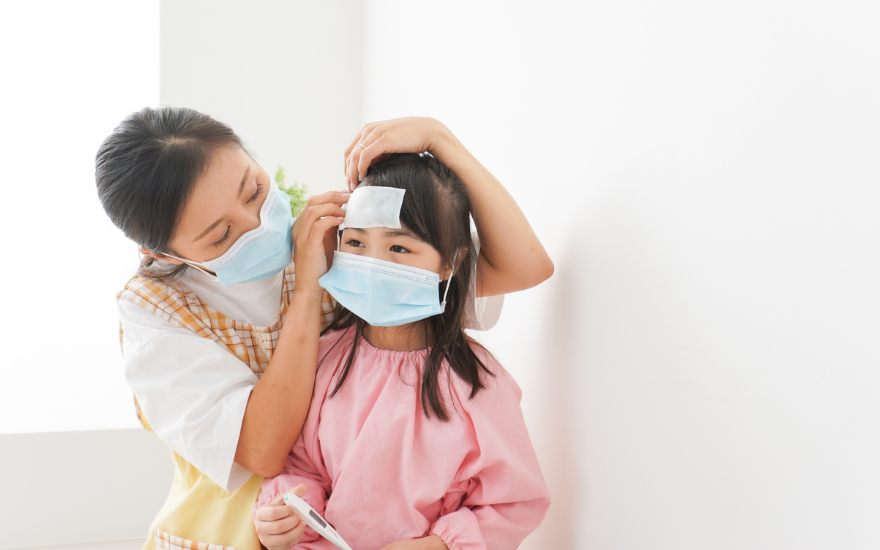
Dengue in children often begins with a sudden high fever that may reach 39°C to 40°C. The fever may be continuous and last from two to seven days. After fever reducing medicine is given, the temperature may fall temporarily before rising again.
Features that may suggest dengue include:
- A sudden high fever, particularly during an outbreak or in an area with reported dengue cases.
- Marked fatigue, reduced activity and poor appetite.
- Flushed face and hot skin.
- A temporary reduction in temperature after taking paracetamol, followed by a return of the fever.
According to the Vietnamese Ministry of Health, a sudden high fever lasting from two to seven days is an important indication that dengue should be considered, particularly during an outbreak or in areas where the dengue virus is circulating.
2. Headache, pain behind the eyes and body aches
In older children, symptoms may be more apparent and include:
- Severe headache.
- Pain behind the eyes that may worsen with eye movement.
- Muscle pain, joint pain and generalised body aches.
- Extreme fatigue, reduced activity and spending more time lying down than usual.
In younger children, these symptoms are often less specific and may include:
- Irritability and persistent crying.
- Loss of interest in play and reduced interaction.
- Sleeping more than usual or appearing restless and uncomfortable.
- Poor appetite or reduced feeding.
The US Centers for Disease Control and Prevention notes that severe headache, pain behind the eyes, muscle and joint pain, rash and mild bleeding symptoms such as pinpoint bleeding under the skin, nosebleeds or bleeding gums may occur in dengue.
3. Nausea, vomiting and abdominal pain
Digestive symptoms may appear early in dengue or become more pronounced as the illness progresses. Common symptoms include:
- Nausea and occasional vomiting.
- Dull abdominal pain around the navel or in the upper right abdomen.
- Loss of appetite and reduced fluid intake.
- Young children may hold their abdomen, curl up or cry when the abdomen is touched.
Parents should seek medical advice promptly if the child develops any of the following:
- Repeated vomiting during the day or an inability to keep fluids down, as this is a warning sign.
- Increasing abdominal pain, particularly pain around the liver or tenderness when the abdomen is pressed.
- Poor fluid intake accompanied by reduced urination.
Abdominal pain or vomiting should not be overlooked in a child with suspected dengue, particularly when these symptoms appear as the fever begins to subside, as the child may be entering the critical phase of the illness.

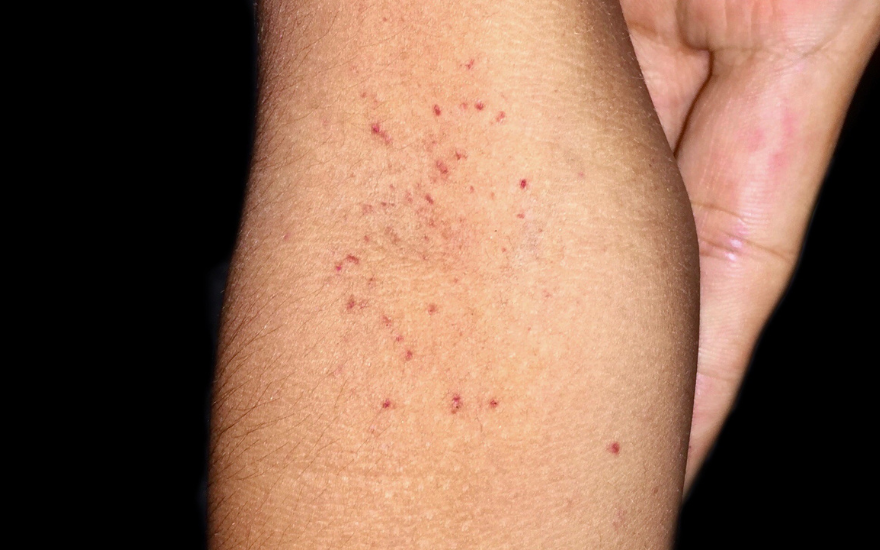
4. Rash or pinpoint bleeding under the skin
Skin manifestations of dengue can range from mild to pronounced and may include:
- Petechiae: Tiny red spots that do not fade when pressed.
- Areas of bleeding under the skin or bruising.
- A maculopapular rash or scattered areas of skin redness, sometimes accompanied by mild itching.
- Lesions commonly appearing on the lower legs, arms, abdomen, thighs or sides of the chest.
Some children may also develop:
- Bleeding at injection sites or where blood has been drawn.
- Spontaneous bruising without an apparent injury.
Important points:
- A rash does not always occur in dengue.
- The absence of a rash does not rule out the disease.
- A rash accompanied by marked fatigue, abdominal pain, vomiting or bleeding requires close monitoring and medical assessment.
5. Nosebleeds and bleeding gums
These are signs of mucosal bleeding and require medical assessment, particularly when accompanied by extreme fatigue, abdominal pain, repeated vomiting or cold hands and feet.
Possible symptoms include:
- Spontaneous or heavy nosebleeds.
- Bleeding gums while brushing the teeth or without an obvious trigger.
- Vomiting blood or vomit that appears brown or bright red.
- Black, tarry stools, which may indicate gastrointestinal bleeding.
- Blood in the urine, which is less common but requires immediate medical attention.
Any bleeding in a child with suspected dengue should be taken seriously, as it may be associated with a low platelet count, impaired blood clotting or progression to severe disease.

Quick guide to recognising signs of dengue in children
Symptom group |
Warning symptoms that require immediate hospital assessment
Parents should take a child with suspected dengue to a medical facility immediately if any of the following warning signs appear:
- The child feels worse despite the fever subsiding or resolving.
- The child is unable to eat or drink.
- Repeated vomiting.
- Severe abdominal pain.
- Cold, clammy hands and feet.
- Extreme fatigue, restlessness or irritability.
- Bleeding from the nose or mouth, or vaginal bleeding.
- No urination for more than six hours.
- Changes in behaviour or consciousness, such as confusion, increased irritability, agitation or unusual drowsiness.
“Warning signs of severe dengue include abdominal pain or tenderness, persistent vomiting, fluid accumulation, mucosal bleeding, drowsiness or restlessness, an enlarged liver and laboratory changes indicating haemoconcentration or a falling platelet count. A child does not need to show all these symptoms to be considered at risk. Any unusual symptom or warning sign warrants immediate medical assessment,” Dr Pham Thi Nhu Hoa explained.
In summary, a child with suspected dengue requires immediate hospital assessment if they develop severe abdominal pain, persistent vomiting, drowsiness or agitation, cold hands and feet, bleeding, difficulty breathing, reduced urination or extreme fatigue, even if the fever has already subsided.
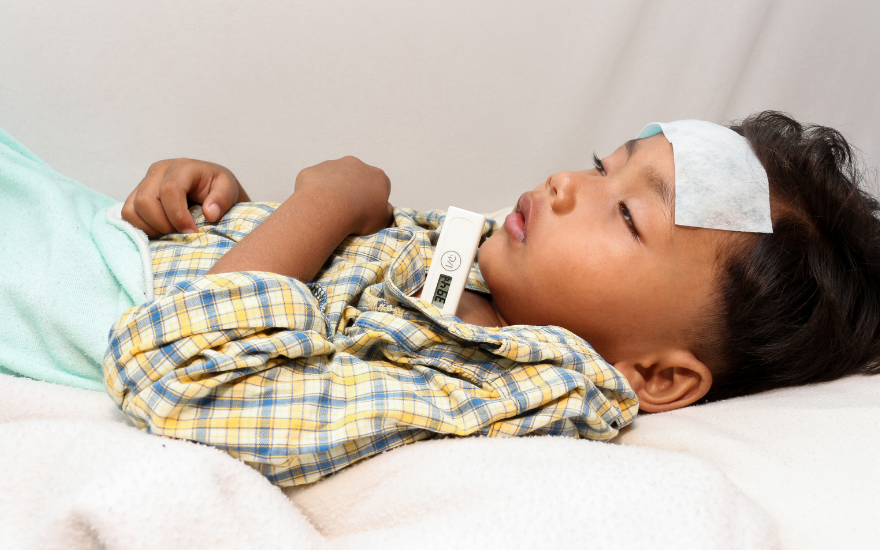
Why can dengue remain dangerous after a child’s fever subsides?
A falling temperature does not mean that a child has recovered from dengue. The critical phase commonly occurs between days 3 and 7 of the illness, often as the fever begins to subside. During the following 24 to 48 hours, the child may develop plasma leakage, circulatory impairment, bleeding or organ involvement.
If the fever resolves but the child becomes more tired, develops abdominal pain, vomits repeatedly, appears unusually drowsy or agitated, has cold hands and feet or shows signs of bleeding, seek immediate hospital care rather than waiting to see whether the fever returns.
What should parents monitor when dengue is suspected?
If a doctor has examined the child and advised home monitoring, parents should record the following information:
What to monitor |
Parents should not assess the severity of dengue based solely on how high or low the fever is. A child whose fever has subsided but who becomes more fatigued, develops abdominal pain, vomiting, cold hands and feet or bleeding may be at greater risk than a child who remains febrile but is alert, able to drink and has no warning signs.
See also: How to care for a child with dengue fever at home

What should parents avoid when caring for a child with suspected dengue at home?
If a doctor advises that the child can be monitored at home, parents should follow medical instructions carefully, attend scheduled follow-up appointments and take the child to hospital immediately if any warning signs develop.
1. Do not give aspirin, ibuprofen or other anti-inflammatory medicines without medical advice
If dengue is suspected, do not give aspirin, ibuprofen or other non-steroidal anti-inflammatory drugs, as these medicines may increase the risk of bleeding. Paracetamol may be used to reduce fever at the appropriate dose for the child’s weight and as directed by a doctor.
Parents should not increase the dose, combine multiple fever-reducing medicines or reuse medication from an old prescription, as these practices may pose serious risks to children with dengue.
2. Give the child sufficient fluids as advised
If the child is alert, able to drink and has been advised by a doctor to remain at home, offer small sips of fluid frequently. Suitable options may include water, oral rehydration solution prepared as directed, milk or age-appropriate liquid foods.
Seek medical attention immediately if the child vomits repeatedly, cannot drink, urinates significantly less than usual, becomes excessively thirsty or extremely weak, or shows signs of dehydration.
3. Do not use folk remedies that may injure the skin
Practices such as coining or scraping the skin, making small cuts to draw blood, or pricking and squeezing petechiae may damage the skin, increase the risk of bleeding and infection, or delay medical care. If the child develops a high fever, rash or petechiae, the safest course of action is to seek medical assessment.
4. Do not force the child to eat too much
Children with fever are often tired and have a reduced appetite. Offer soft, easily digestible foods in small, frequent portions. More importantly, monitor whether the child can drink, is vomiting repeatedly, shows signs of dehydration or is urinating less than usual.
5. Do not administer intravenous fluids at home
Dengue may cause plasma leakage, circulatory disturbances and shock. Intravenous fluid therapy must be prescribed by a doctor and requires close monitoring of the child’s pulse, blood pressure, fluid leakage and laboratory results. Fluids should never be administered intravenously at home, as giving the wrong volume or administering them at the wrong stage of the illness can be dangerous.

When should parents take their child to the Department of Paediatrics at Hong Ngoc General Hospital?
Parents should seek medical care if their child develops a sudden high fever, a persistent fever, a rash or petechiae, abdominal pain, vomiting, marked fatigue, or lives in an area where dengue cases have been reported. Immediate medical attention is required if the child develops any warning signs, including unusual drowsiness, agitation, cold hands and feet, bleeding, breathing difficulties, reduced urination or severe abdominal pain.
At the Department of Paediatrics, Hong Ngoc General Hospital, children with a high fever, suspected dengue or warning signs can be examined by a doctor, undergo appropriate testing and receive advice on monitoring or treatment based on their condition. If further assessment is required, the hospital can arrange multidisciplinary consultation with the relevant specialists.
If your child has a high fever, is suspected of having dengue or develops any warning signs, please contact the Department of Paediatrics at Hong Ngoc General Hospital for prompt medical assessment and appropriate management advice.

Frequently asked questions
Do all children with dengue develop petechiae?
No. Many children with dengue do not develop visible petechiae, particularly during the early stage of the illness. A child may present only with fever, fatigue, headache, nausea or vomiting. Therefore, the absence of red spots should not be used to rule out dengue.
Can dengue in children be mistaken for a viral fever?
Yes. During the first few days, dengue may resemble other viral infections because they can all cause fever, fatigue, headache and body aches. Diagnosis should be based on the stage of the illness, epidemiological factors, clinical examination and laboratory testing when considered necessary by a doctor.
When should a child be tested for dengue?
The doctor will determine whether testing is required based on the day of illness, the child’s symptoms and epidemiological risk factors. A single test may not always confirm dengue on the first day of fever. Children with a high fever, symptoms suggestive of dengue or who live in an area where dengue is circulating should be assessed by a doctor.
Can a child develop dengue more than once?
Yes. Dengue virus has several different serotypes. Infection with one serotype generally provides long-term immunity against that serotype but does not offer complete protection against the others. Therefore, a child who has previously had dengue can become infected again.
How long does dengue usually last in children?
Symptoms commonly last for approximately 2 to 7 days, although the course of the illness varies between children. Importantly, the critical phase may begin as the fever subsides, so parents should continue monitoring their child closely during the days following defervescence.
Conclusion
Signs of dengue in children commonly begin with a sudden high fever, headache, pain behind the eyes, fatigue, nausea, rash or petechiae. However, parents should be particularly alert to warning signs such as severe abdominal pain, persistent vomiting, unusual drowsiness, agitation, cold hands and feet, breathing difficulties, bleeding, reduced urination or extreme weakness.
Dengue may become severe as the child’s fever subsides, particularly between days 3 and 7 of the illness. Parents should therefore not assume that the child has recovered simply because the fever has resolved. Aspirin and ibuprofen should not be given, intravenous fluids should never be administered at home, and prompt medical assessment is essential if any unusual symptoms develop.
Medical disclaimer
This article is for reference only and does not replace medical examination or professional advice. Dengue in children can progress rapidly, particularly as the fever begins to subside. Parents should seek immediate medical care if their child develops severe abdominal pain, persistent vomiting, unusual drowsiness, agitation, cold hands and feet, breathing difficulties, bleeding, reduced urination, seizures or any other concerning symptoms. Do not give aspirin or ibuprofen, administer intravenous fluids or attempt home treatment without medical guidance.