


As the number of adenovirus cases in children tends to increase, many parents are concerned about what they should feed their children to support immunity. Proper nutrition can help the immune system function more effectively and provide a healthy foundation for children during the infectious disease season. However, parents should understand that food cannot replace preventive measures such as handwashing, personal hygiene, avoiding exposure to sources of infection and seeking medical care when children show warning signs.
Quick answer: What should children eat to support immunity during adenovirus season?
No food can completely prevent or treat adenovirus infection in children. However, a diverse diet that provides adequate protein, green vegetables, fruits, foods rich in vitamins A, C and D, zinc, iron, selenium, fiber and sufficient fluids can help support children’s immune system function during an outbreak.

Professional medical consultation: Pham Thi Nhu Hoa, MD, Specialist Level II – Head of the Pediatric Infectious Diseases Department, Hong Ngoc General Hospital.
Quick article summary
- No food, vitamin or dietary supplement can completely prevent or treat adenovirus infection in children.
- A diet that provides adequate protein, green vegetables, fruits, vitamins A, C and D, zinc, iron, selenium, fiber and fluids can help support better immune system function.
- Parents should prioritize natural foods, diverse meals and soft, easy-to-digest dishes if children have fever, cough, sore throat or diarrhea.
- Parents should not give children high-dose vitamins, zinc, probiotics or “immune-boosting” syrups advertised online without medical guidance.
- Nutrition does not replace preventive measures such as handwashing, personal hygiene, avoiding exposure to sources of infection and keeping children home from school or swimming when symptoms are present.
- Children should be taken for medical evaluation if they have high or persistent fever, breathing difficulty, significant eye redness, frequent diarrhea or vomiting, signs of dehydration, lethargy or underlying medical conditions.
Can nutrition help children prevent adenovirus infection?
Good nutrition does not create an “absolute shield” against adenovirus, but it plays an important role in maintaining overall health and supporting immune function. The World Health Organization (WHO) emphasizes that foods and beverages can affect the body’s ability to prevent, respond to and recover from infections; however, no food or dietary supplement can prevent or cure a specific viral infection.
With adenovirus, children can still become infected if they are exposed to sources of transmission through respiratory droplets, contaminated hands, shared items, crowded environments or unsafe swimming pool water. The U.S. Centers for Disease Control and Prevention (CDC) states that adenoviruses are common viruses that can cause illness in people of all ages; children with weakened immune systems or underlying respiratory or cardiovascular disease are at higher risk of severe illness.
Therefore, the goal of nutrition during adenovirus season is not to “eat to avoid infection,” but to help children build a stronger health foundation. Parents should combine a proper diet with hand hygiene, personal hygiene, avoiding shared personal items, limiting contact with people who have fever, cough or eye redness, and taking children for medical evaluation when warning signs appear.
Nutritional goals during adenovirus season include:
- Helping children consume enough energy to avoid exhaustion;
- Providing adequate protein to maintain tissues, muscles and immune system components;
- Supplying vitamins and minerals from natural foods;
- Maintaining a healthy digestive system;
- Supporting better recovery if children develop fever, cough, sore throat, diarrhea or fatigue.
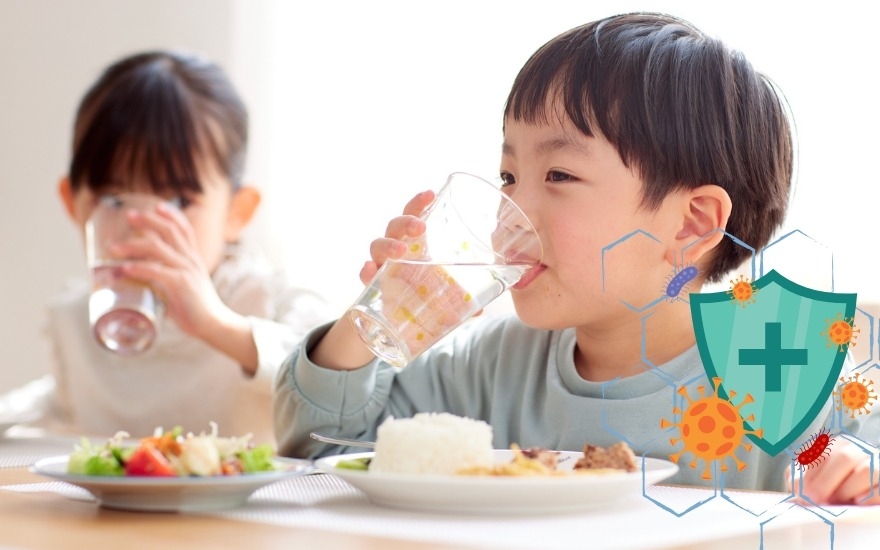
Nhóm thực phẩm hỗ trợ đề kháng cho trẻ mùa Adenovirus
Food groups that support children’s immunity during adenovirus season
The food groups below do not directly prevent or treat adenovirus infection. Their main role is to help children receive adequate nutrition, reduce the risk of nutritional deficiencies and support normal immune system function.
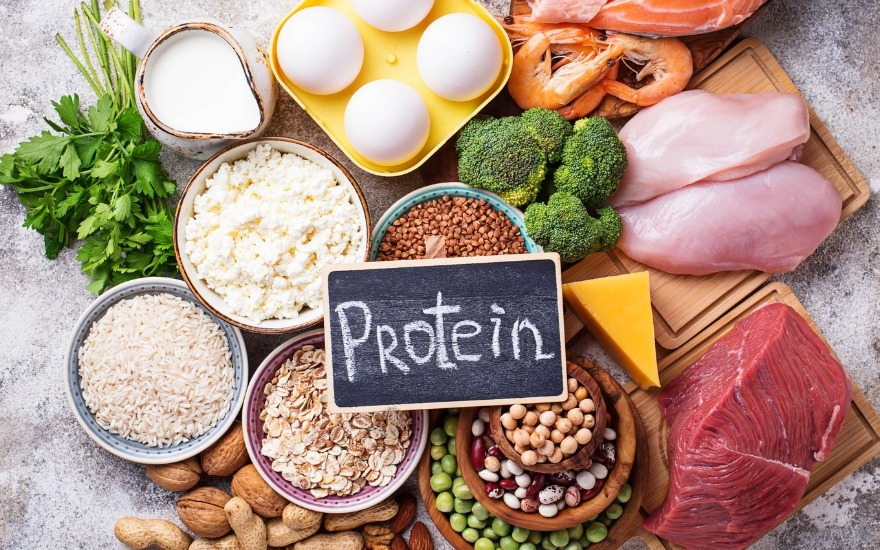
1. Protein-rich foods: a foundation for immune function
Protein is involved in the formation of cells, enzymes, antibodies and many components of the immune system. When the body lacks protein, immune cell production may be impaired. In addition, protein helps repair tissues damaged after inflammation or infection and supports the body’s natural protective barriers. Prolonged inadequate protein intake in children may lead to fatigue, slower recovery and associated nutritional deficiencies.
Parents can provide protein from:
- Eggs.
- Chicken, lean pork and beef.
- Fish, shrimp and crab if the child is not allergic.
- Milk, yogurt and cheese appropriate for the child’s age.
- Tofu, mung beans, red beans, soybeans and other legumes.
For children who are ill, protein-rich foods should be prepared in soft, easy-to-swallow forms, such as minced meat porridge, chicken soup, steamed eggs, steamed fish or soft tofu in sauce. Parents should not force children to eat too much at one time; meals can be divided into smaller portions to make eating easier.
2. Vitamin C-rich fruits and vegetables: supporting antioxidant activity and immune function
Vitamin C is a nutrient commonly mentioned in relation to immunity. Its mechanisms of action include:
- Stimulating white blood cell production and activity: Vitamin C supports immune cell proliferation and enhances the phagocytic activity of neutrophils, helping the body recognize and eliminate viruses more effectively.
- Strengthening protective barriers: Vitamin C is involved in collagen synthesis, an important component of the skin and mucous membranes, helping maintain the body’s “physical barrier” against viral invasion.
- Providing strong antioxidant effects: During viral infections, the body produces more free radicals that can damage cells. Vitamin C helps neutralize these free radicals, reduce inflammation and protect immune cells.
- Helping reduce the duration and severity of infections: Some studies suggest that vitamin C may help shorten the duration of respiratory infections.
However, parents should not assume that taking large amounts of vitamin C can prevent adenovirus infection. A more appropriate approach is to include vitamin C-rich fruits and vegetables in children’s daily balanced diet. Vitamin C-rich foods include:
- Guava.
- Oranges, tangerines and grapefruit.
- Kiwi and strawberries.
- Papaya.
- Broccoli.
- Bell peppers.
- Green leafy vegetables.
For young children, parents should cut foods into small pieces, remove seeds and prepare them appropriately to reduce the risk of choking. If children have a cough, sore throat or pharyngitis, softer and less acidic fruits may be selected, such as papaya, banana, steamed pear or smoothies that are not too cold.

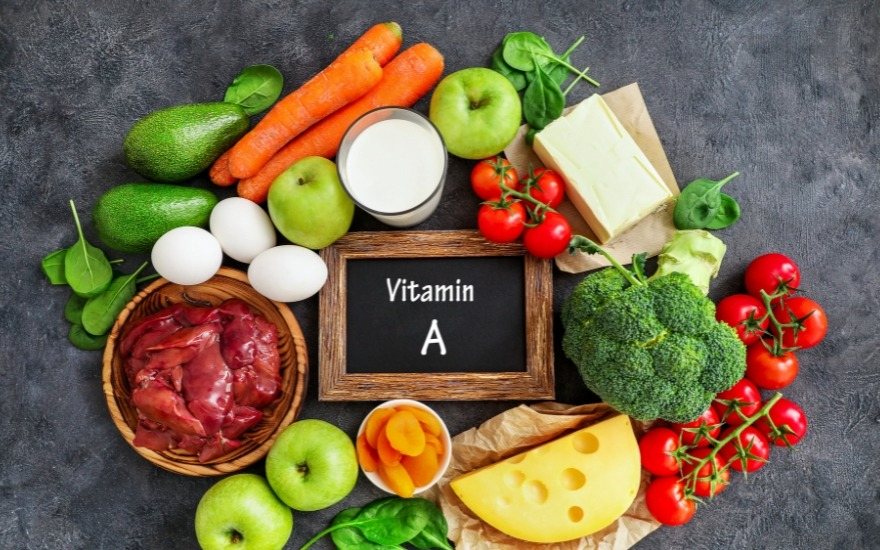
3. Foods rich in vitamin A and beta-carotene: supporting mucosal health and immune function
Vitamin A plays a role in growth, vision, mucosal maintenance and immune function. Vitamin A deficiency can affect children’s health, but parents should not give children high-dose vitamin A supplements without medical indication.
Food sources of vitamin A and beta-carotene include:
- Eggs.
- Milk and dairy products appropriate for the child’s age.
- Carrots.
- Pumpkin.
- Yellow or orange sweet potatoes.
- Sweet leaf, amaranth and green leafy vegetables.
- Papaya and ripe mango.
- Animal liver, if used, should be consumed in appropriate amounts and not too frequently.
For young children, parents should prioritize diverse food sources rather than giving high-dose vitamin A supplements on their own. High-dose vitamin A supplementation should only be provided through public health programs or as prescribed by a physician.
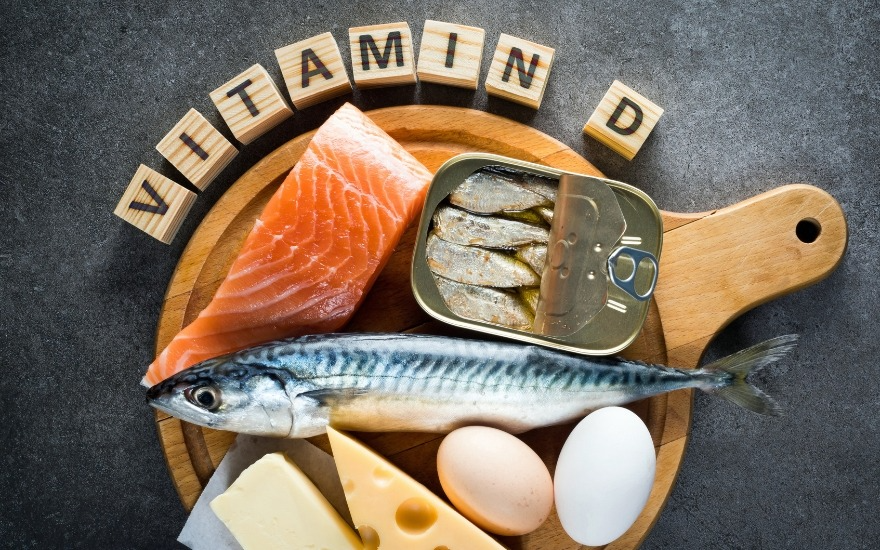
4. Vitamin D-rich foods: important for bone health and immune function
Vitamin D plays an important role in bone health and immune function. Children can obtain vitamin D through appropriate sun exposure, food sources and, in some cases, supplementation as prescribed.
The American Academy of Pediatrics (AAP) states that infants under 1 year of age need 400 IU of vitamin D per day, while children over 1 year of age need 600 IU per day according to recommended intake levels. However, specific supplementation should take into account the child’s diet, type of milk consumed, sun exposure, underlying medical conditions and the physician’s advice.
Foods that contain vitamin D include:
- Fatty fish such as salmon, sardines and mackerel.
- Egg yolks.
- Milk or fortified dairy products, if appropriate.
- Certain mushrooms are exposed to UV light.
Parents should not give children high-dose vitamin D supplements without medical guidance. If a child rarely goes outdoors, has poor dietary intake, is at risk of vitamin D deficiency or has underlying medical conditions or is taking medications, parents should consult a physician for appropriate dosage advice.
5. Foods rich in zinc, iron and selenium: supporting immune function
The NIH Office of Dietary Supplements (NIH ODS) states that certain micronutrients, such as zinc, iron and selenium, are necessary for the normal functioning of the immune system. However, this does not mean that children should take high-dose supplements without medical evaluation.
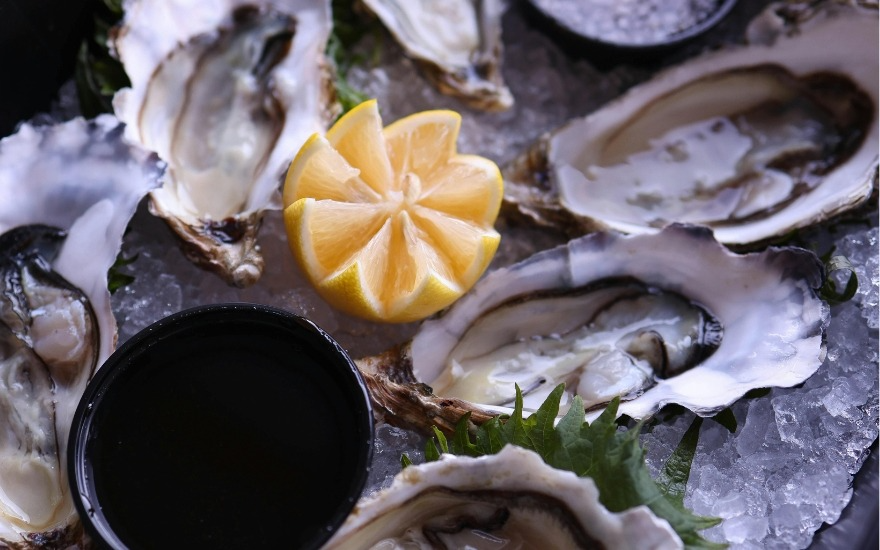
Foods rich in zinc, iron and selenium include:
- Beef, lean pork and chicken.
- Seafood such as oysters, shrimp, crab and fish if the child is not allergic.
- Eggs.
- Legumes.
- Pumpkin seeds, cashews, sesame seeds and peanuts if the child is old enough to eat them safely and has no allergy.
- Whole grains.
- Dark green leafy vegetables, which should be eaten with vitamin C-rich foods to support the absorption of plant-based iron.
For children who are picky eaters, follow a vegetarian diet, eat very little meat or fish, or show signs of anemia, parents should take them to a nutrition or pediatric specialist before giving high-dose iron or zinc supplements on their own.
6. Yogurt, fermented foods and fiber: supporting gut health
The gut is an important part of overall health. A diet that includes fiber and appropriate fermented foods can help support the gut microbiota, especially in children who are prone to constipation or eat few vegetables.
Parents can add:
- Yogurt that is not too high in sugar.
- Green vegetables.
- Whole fruits instead of only drinking fruit juice.
- Sweet potatoes, oats and brown rice, depending on the child’s age.
- Legumes, if the child tolerates them well.
Probiotics should not be overused for all children. If a child has diarrhea, is taking antibiotics, has prolonged bloating or has a gastrointestinal condition, parents should consult a physician to choose the appropriate type, dosage and duration of use.

7. Fluids and soft foods: supporting children during fever or illness
During adenovirus season, children may develop fever, sore throat, cough or diarrhea. In these situations, adequate fluid intake and soft, easy-to-digest foods are important to help prevent dehydration and reduce fatigue.
Fluids play an essential role in:
- Maintaining circulation and supporting the transport of immune cells.
- Regulating body temperature when children have fever.
- Supporting the elimination of metabolic waste through sweat and urine.
- Keeping the respiratory mucosa moist, helping reduce the risk of irritation and injury.
Parents may offer children:
- Plain water.
- Milk appropriate for the child’s age.
- Porridge, soup and broth-based dishes.
- Oral rehydration solution as instructed if the child has diarrhea or vomiting and is at risk of dehydration.
- High-water fruits such as oranges, pears, watermelon and papaya, depending on the child’s throat and digestive condition.
Children should not be given soft drinks, energy drinks, milk tea or fruit juices with excessive sugar, as these may create a false sense of fullness, reduce intake during main meals and are not beneficial for overall health.
These are general nutritional suggestions and do not replace individualized counseling for children with underlying medical conditions, allergies, malnutrition, overweight or those receiving medical treatment.

Suggested one-day meal plan for children during adenovirus season
The menu below is only an example for children who already eat a diverse range of foods. For young children, children on complementary feeding, or those with food allergies, overweight, malnutrition or underlying medical conditions, parents should adjust the menu according to age and the physician’s advice.
Depending on the child’s age, taste preferences and health status, parents may refer to the following meal structure:
- Breakfast: Minced meat and pumpkin porridge, or egg sandwich with milk/yogurt.
- Morning snack: Soft ripe guava, orange/tangerine or papaya.
- Lunch: Soft rice with steamed fish/chicken, green vegetables and soup.
- Afternoon snack: Low-sugar yogurt or a fruit smoothie that is not too cold.
- Dinner: Chicken and vegetable porridge/soup, or soft rice with egg/tofu and vegetables.
- Throughout the day: Offer water according to the child’s needs and increase soups or broth-based dishes if the child has fever or poor appetite.
For children under 2 years of age, children with underlying medical conditions, food allergies or those on complementary feeding, portions should be adjusted based on age, chewing and swallowing ability, and the physician’s guidance.
What should children with fever, cough or diarrhea suspected to be caused by adenovirus eat?
If children have symptoms suspected to be related to adenovirus infection, the nutritional goal is not to “force them to eat to boost immunity immediately,” but to help them stay hydrated, maintain energy intake and consume foods that are easy to digest. Children may eat less than usual during the first few days, so parents should divide meals into smaller portions and monitor for signs of dehydration.
Parents should prioritize:
- Soft, warm and easy-to-swallow foods such as porridge, soup, soft noodles and broth-based dishes.
- Smaller meals with increased feeding frequency if the child eats less.
- Continued breastfeeding if the child is still breastfed.
- Regular fluid intake.
- Monitoring vomiting, diarrhea, fever and signs of dehydration.
- Avoiding fried, overly sweet, spicy or cold foods if the child has a sore throat.
The U.S. Centers for Disease Control and Prevention (CDC) states that adenovirus can cause respiratory illness, conjunctivitis, diarrhea and several other manifestations. Care usually focuses on symptom support and management of complications when needed, under the guidance of a physician.
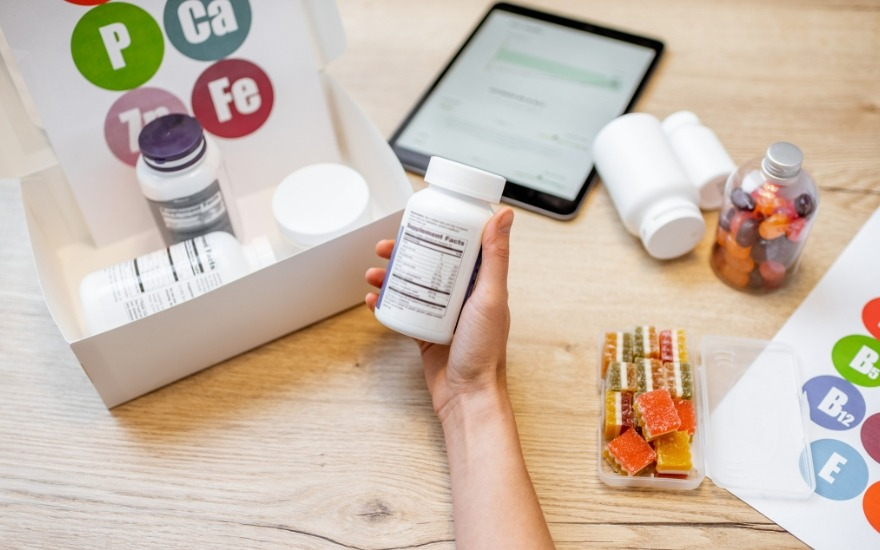
Should children take vitamins, zinc or probiotics to boost immunity?
Parents should not give supplements based on advertisements or word of mouth. For healthy children who eat a varied diet, the American Academy of Pediatrics (AAP) states that vitamin supplementation beyond the recommended intake is generally unnecessary. High doses of certain vitamins may cause unwanted effects, and parents should consult a physician before giving children dietary supplements.
Children may need a nutritional assessment if they have:
- Prolonged poor appetite.
- Weight loss or slow weight gain.
- Very limited intake across food groups.
- Frequent illness or slow recovery.
- Gastrointestinal disease, allergies or chronic medical conditions.
- Long-term medication use.
- Signs of anemia, vitamin D deficiency or micronutrient deficiency.
In these cases, physicians may order tests or prescribe micronutrient supplementation at an appropriate dose. Giving multiple supplements at the same time without medical guidance may lead to overdose, gastrointestinal disturbances or mask the underlying cause.
Khi nào cần đưa trẻ đi khám?
When should children be taken for medical evaluation?
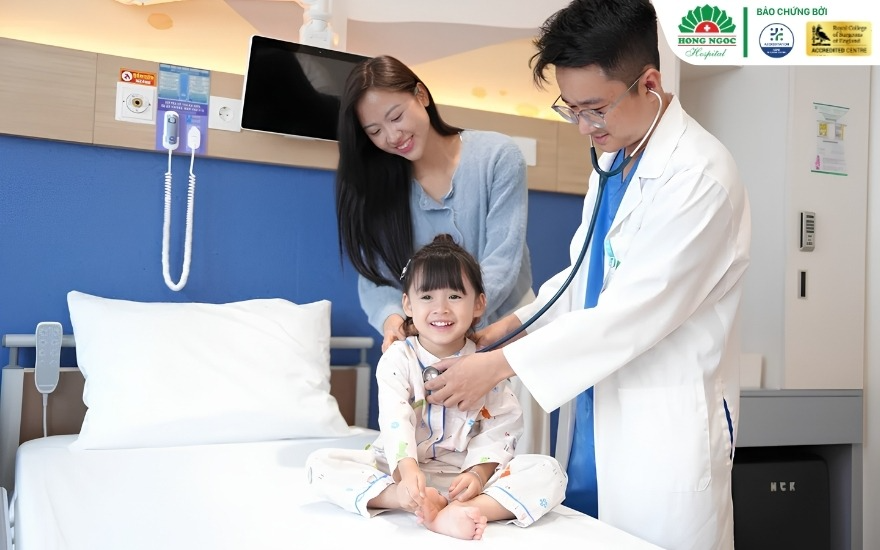
“Nutrition is only one supportive component. Parents should take children for medical evaluation if symptoms are severe, persistent or if there is a risk of micronutrient deficiency, malnutrition or dehydration. Children with weakened immune systems or underlying respiratory or cardiovascular disease are at higher risk of severe illness when infected with adenovirus. Medical evaluation helps physicians determine the cause and provide care guidance tailored to each child,” shared Dr. Hoa, Head of the Pediatric Infectious Diseases Department at Hong Ngoc General Hospital.
Parents should take children for medical evaluation if they have any of the following signs:
- High fever, persistent fever or fever that is difficult to reduce.
- Frequent coughing, rapid breathing, wheezing or breathing difficulty.
- Significant eye redness, eye pain or excessive eye discharge.
- Frequent diarrhea, repeated vomiting or signs of dehydration.
- Lethargy, poor appetite or poor feeding.
- Underlying respiratory disease, cardiovascular disease or immunodeficiency.
- Weight loss, prolonged poor appetite or suspected micronutrient deficiency.
Hong Ngoc supports children during the infectious disease season
As adenovirus cases are currently rising rapidly in the community, if children develop symptoms such as fever, cough, sore throat, eye redness, diarrhea, poor appetite or fatigue after exposure to crowded environments, parents should take them for medical evaluation so that physicians can assess their condition and provide appropriate care guidance.
At the Pediatrics Department, Hong Ngoc General Hospital, children are examined directly by an experienced team of pediatricians, supported by modern laboratory testing and diagnostic imaging systems to facilitate fast and accurate diagnosis. With the advantage of being a multidisciplinary general hospital, cases involving multiple organ systems, such as the respiratory tract, gastrointestinal tract, eyes or ear, nose and throat, can receive multidisciplinary consultation when needed, helping develop an appropriate treatment plan for each child.
For cases requiring monitoring or inpatient treatment, the Pediatrics Department at Hong Ngoc applies strict infection control procedures to reduce the risk of cross-transmission. Clean, well-equipped patient rooms, together with doctors and nurses who closely monitor each child’s condition, help ensure comprehensive care throughout the treatment process.
Frequently asked questions
What should children eat to support immunity during adenovirus season?
Children should eat a diverse diet that provides adequate protein, green vegetables, fruits, foods rich in vitamins A, C and D, zinc, iron, selenium, fiber and sufficient fluids. No single food can completely prevent adenovirus infection.
Can vitamin C prevent children from getting adenovirus?
No. Vitamin C supports immune function, but it cannot guarantee that children will not become infected with adenovirus. Parents should prioritize vitamin C from foods such as guava, oranges, tangerines, papaya, kiwi and broccoli instead of giving high-dose supplements without medical guidance.
Do children need zinc supplements to boost immunity?
Not every child needs zinc supplementation. Zinc is important for immune function, but it should be prioritized through foods such as meat, seafood, eggs, legumes, nuts and seeds. If a child has prolonged poor appetite, slow weight gain or suspected micronutrient deficiency, parents should seek medical evaluation before giving supplements.
What should children eat if adenovirus infection is suspected?
Children should eat soft, warm and easy-to-digest foods such as porridge, soup, broth-based dishes, soft rice, eggs, minced meat, fish or yogurt if well tolerated. Meals should be divided into smaller portions, and children should be given enough fluids, especially when they have fever, vomiting or diarrhea.
Should children take “immune-boosting” syrups during adenovirus season?
Parents should not use these products based on advertisements. The AAP states that healthy children who eat a balanced diet usually do not need vitamin supplementation beyond recommended intake levels. Parents should consult a physician before giving children dietary supplements.
Can nutrition replace handwashing, mask wearing and avoiding sources of infection?
No. Nutrition supports overall health and immune function, but it does not replace disease prevention measures. Children still need to wash their hands, avoid sharing personal items, avoid close contact with people who have fever, cough or eye redness, and stay home from school or swimming when symptoms are present.
In summary, foods cannot completely prevent or treat adenovirus infection, but an adequate and diverse diet can help children’s immune system function more effectively. During an outbreak, parents should prioritize protein-rich foods, green vegetables, fruits, foods rich in vitamins A, C and D, zinc, iron, selenium, fiber and fluids, while maintaining hand hygiene, avoiding exposure to sources of infection and taking children for medical evaluation when abnormal signs appear.
Parents should not give children multiple vitamins, zinc, probiotics or “immune-boosting” syrups advertised online without medical guidance. For children with prolonged poor appetite, slow weight gain, frequent illness, underlying medical conditions or suspected micronutrient deficiency, medical evaluation can help determine specific nutritional needs and avoid inappropriate supplementation.
Medical note
This article is for reference only and is not a substitute for medical diagnosis, treatment or individualized nutritional counseling from a physician. Parents should take children for medical evaluation if they have high fever, persistent fever, breathing difficulty, lethargy, poor appetite or poor feeding, frequent diarrhea or vomiting, signs of dehydration, weight loss, underlying medical conditions or immunodeficiency.