


Most gallbladder polyps are benign; however, a small proportion carries the risk of malignant transformation. Therefore, when symptoms suggestive of gallbladder polyps appear, patients should seek prompt medical evaluation and appropriate treatment.
What is gallbladder polyp?
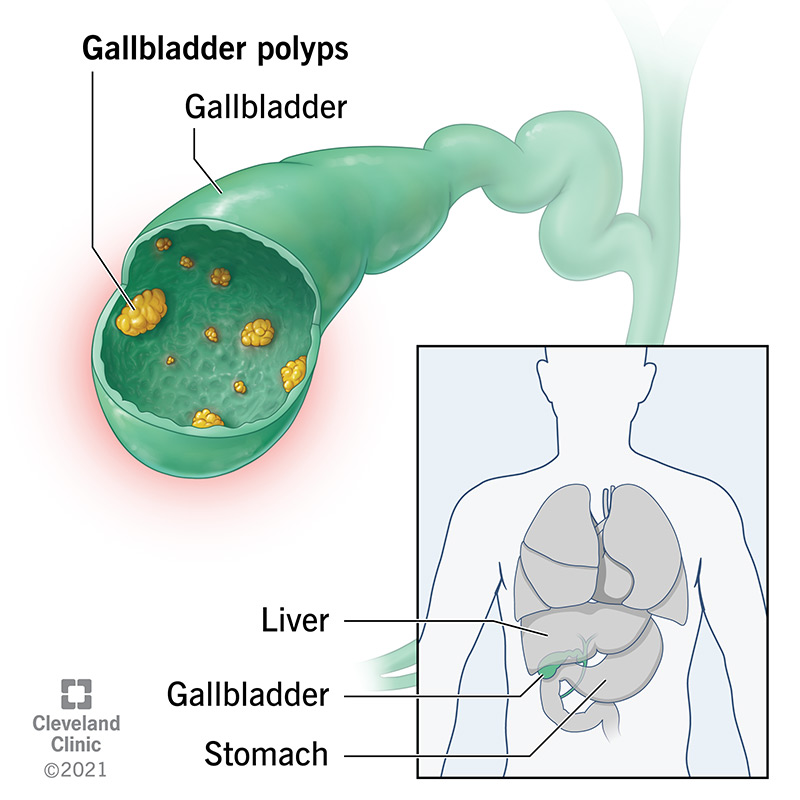
A gallbladder polyp is a tumor-like or pseudo-tumor lesion that develops on the inner lining of the gallbladder. It arises from the gallbladder wall and protrudes into the gallbladder lumen.
Gallbladder polyps can occur at any age but are more commonly seen in women than in men, particularly between the ages of 30 and 50.
Causes of gallbladder polyps
- Cholesterol polyps: This is the most common type, accounting for the majority of gallbladder polyps. They are usually less than 10 mm in diameter, often multiple, and result from cholesterol deposition within the gallbladder wall. These lesions are readily detected by ultrasound.
- Inflammatory polyps: These polyps consist of fibrotic tissue formed as a result of chronic inflammation of the gallbladder wall. They are typically less than 10 mm in size, broad-based, and are not associated with malignant transformation, providing reassurance for patients.
- Adenomatous polyps: Considered precancerous lesions, these polyps measure between 5 and 20 mm, may be pedunculated or sessile, and usually occur as solitary growths. They are often associated with gallstones or chronic cholecystitis. Adenomatous polyps are rare and generally detected incidentally on imaging studies or after cholecystectomy.
- Adenomyomatous polyps: Most often found in adults, with incidence increasing with age. These polyps are usually solitary, located at the gallbladder fundus, and carry a potential risk of malignant transformation.
Symptoms of gallbladder polyps
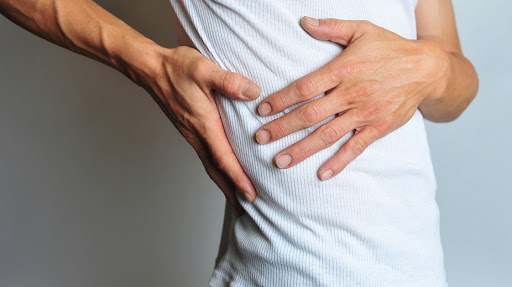
Gallbladder polyps can cause disturbances in bile secretion and excretion within the gallbladder, especially when accompanied by gallstones or chronic cholecystitis. Patients may present with: Mild pain or discomfort in the right upper quadrant or epigastric region, pain after meals, abdominal bloating and indigestion, nausea and vomiting
Are gallbladder polyps dangerous?
Most gallbladder polyps are benign; however, a small proportion may undergo malignant transformation, particularly in the following situations: polyps larger than 1 cm, multiple polyps, sessile (broad-based) polyps, or polyps that show rapid growth within a short period of time. Risk factors for malignant transformation include:
- Age: The risk of malignancy is higher in patients over 50 years old.
- Polyp size: Polyps ≤10 mm are usually benign and do not require surgery. Patients can live safely with these polyps, provided they undergo annual abdominal ultrasound to monitor any changes in size. Polyps smaller than 17 mm are likely benign but may have potential for malignant transformation; therefore, surgical consideration may be warranted. Polyps larger than 18 mm are associated with a high risk of malignancy, and surgical removal is strongly indicated.
- Morphology: Sessile polyps (without a stalk) have a higher risk of malignancy compared to pedunculated polyps.
- Number of polyps: Malignant polyps are more often solitary, while benign polyps tend to be multiple. However, this remains a hypothesis, as there is no definitive evidence proving solitary gallbladder polyps have a higher risk of malignancy than multiple polyps.
- Presence of gallstones
- Chronic cholecystitis: In patients with chronic cholecystitis, surgical removal of gallbladder polyps is recommended as early as possible, regardless of size or morphology.
Reader may also be interested in:
- What are anal polyps? Symptoms, causes, and treatment
- Cholecystitis: Causes, symptoms, and treatment
- Are gallstones dangerous? Treatment options for gallstones
Diagnosis of gallbladder polyps
- Ultrasound: The diagnostic accuracy of ultrasound for gallbladder polyps exceeds 90%. Ultrasound allows precise assessment of the location, size, and morphology of the polyp, as well as monitoring its progression to guide appropriate treatment planning.
- Abdominal CT scan: Contrast-enhanced CT provides nearly 90% accuracy in diagnosing large polyps with suspected malignant potential.
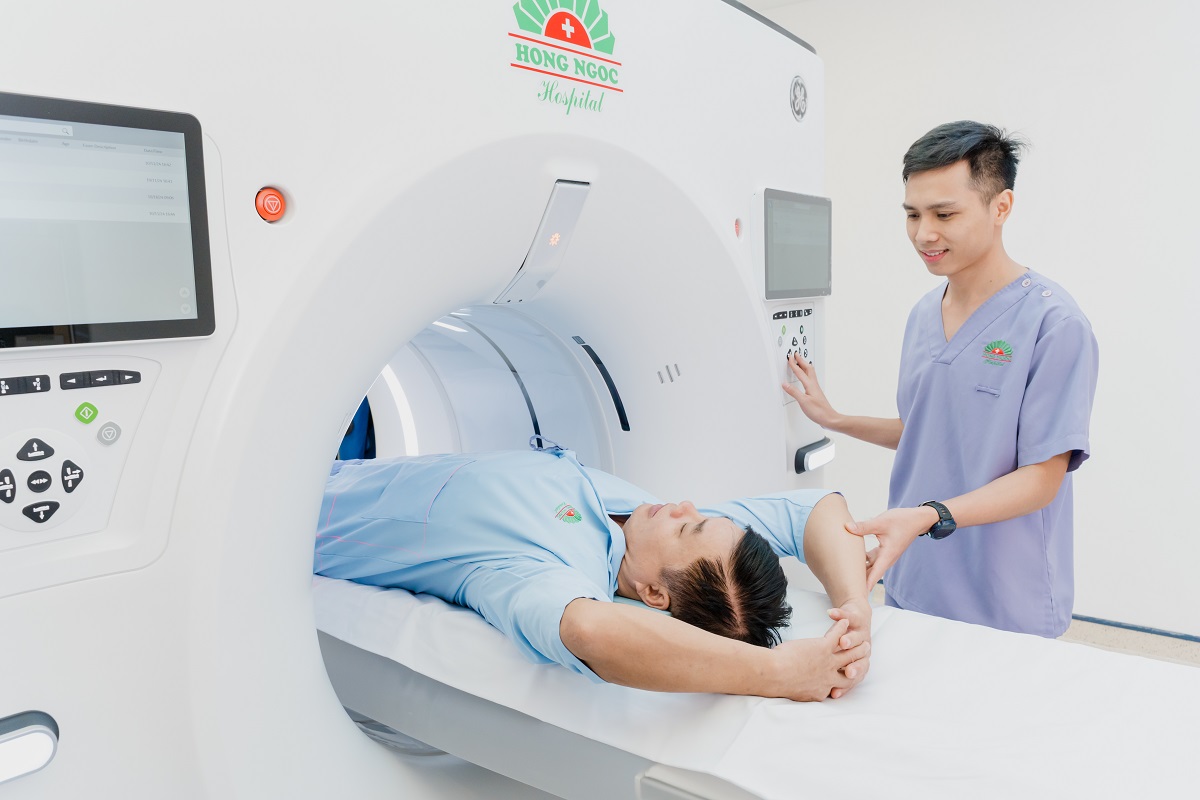
- Magnetic Resonance Imaging (MRI): MRI is indicated when gallbladder polyps are suspected to be malignant. On MRI, polyps typically appear as hyperintense lesions on T2-weighted images.
Treatment of Gallbladder Polyps
When is surgery necessary? The decision to perform surgery depends primarily on the size of the polyp. For polyps larger than 10 mm, cholecystectomy (surgical removal of the gallbladder) is usually recommended to prevent the risk of malignancy. Surgery is also indicated if there is suspicion of malignant transformation during follow-up, such as:
- Rapid increase in number or size within a few months
- Abnormal morphology: broad-based, irregular, or lobulated appearance
- Polyps associated with gallstones or multiple polyps
For polyps smaller than 10 mm, regular monitoring with abdominal ultrasound every 6 months for 1.5–2 years is advised. If the polyp remains stable in size or disappears, it can be considered benign and no surgical intervention is needed.
Dietary recommendations
Foods to eat:
- Fresh fruits rich in vitamins (B, C, D, E) and minerals to support liver and gallbladder health, reducing the risk of polyp formation and progression
- Green leafy vegetables and fiber-rich foods to reduce fat absorption in the intestines, helping to prevent symptoms such as bloating and indigestion
- Healthy plant-based fats such as olive oil, almonds, sunflower seeds, and similar sources
Foods to avoid:
- Saturated fats such as animal fat, fried or deep-fried foods, and fast food
- Foods high in cholesterol such as egg yolks, animal offal, and cheese
- Foods with high amounts of refined sugar or processed starches
Regular follow-up with ultrasound For patients who do not require immediate surgery, periodic check-ups are essential to monitor disease progression:
- Polyps smaller than 6 mm: follow-up every 6–9 months
- Polyps 6–9 mm or larger: follow-up approximately every 3 months
If symptoms such as persistent right upper quadrant pain, nausea, or fever occur, patients should seek medical attention promptly and inform their physician.
Note: The information provided in this article by Hong Ngoc General Hospital is for reference only and should not replace professional medical diagnosis or treatment. Patients are advised not to self-medicate. To determine the exact condition, please consult a physician directly at the hospital for proper examination, accurate diagnosis, individualized treatment planning, and effective prescription.