




Gallstone disease is a relatively common condition of the digestive tract. It not only causes pain and discomfort for patients but may also lead to serious complications, including life-threatening conditions and, in rare cases, cancer. Gallstone disease often presents without specific symptoms and can easily be mistaken for other medical conditions without proper examination
Location and structure of the gallbladder
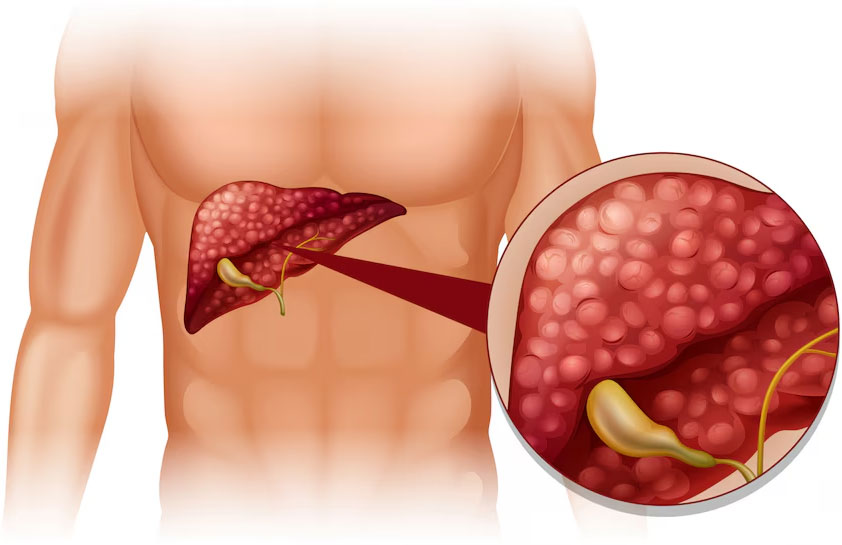
The gallbladder is a component of the biliary system. It is a small, pear-shaped, greenish organ located on the underside of the liver. Its primary function is to store and concentrate bile. Bile is a digestive fluid produced by the liver and stored in the gallbladder before being released into the intestine to aid in fat digestion.
The gallbladder measures approximately 6–8 cm in length and 3–4 cm in width when fully distended. Anatomically, it consists of three main parts: the fundus, the body, and the neck.
Functions of the gallbladder
The gallbladder serves as a reservoir for bile, which is synthesized and secreted by the liver. During meals, the liver produces a greater volume of bile. Bile is a thick, yellowish or greenish fluid with a bitter taste. It plays a critical role in digestion because bile salts - potassium or sodium salts of bile acids derived from cholesterol and conjugated with glycine or taurine help break down fats, facilitate the absorption of digested fats through the intestinal wall, and enhance the activity of lipase (the enzyme responsible for lipid breakdown).
The gallbladder contracts to release bile into the common bile duct, which then drains into the duodenum and small intestine. This process assists in fat emulsification and promotes more efficient digestion of food.
In addition, the gallbladder functions as a regulatory valve, ensuring that bile is delivered into the duodenum and subsequently the small intestine in a controlled and coordinated manner.
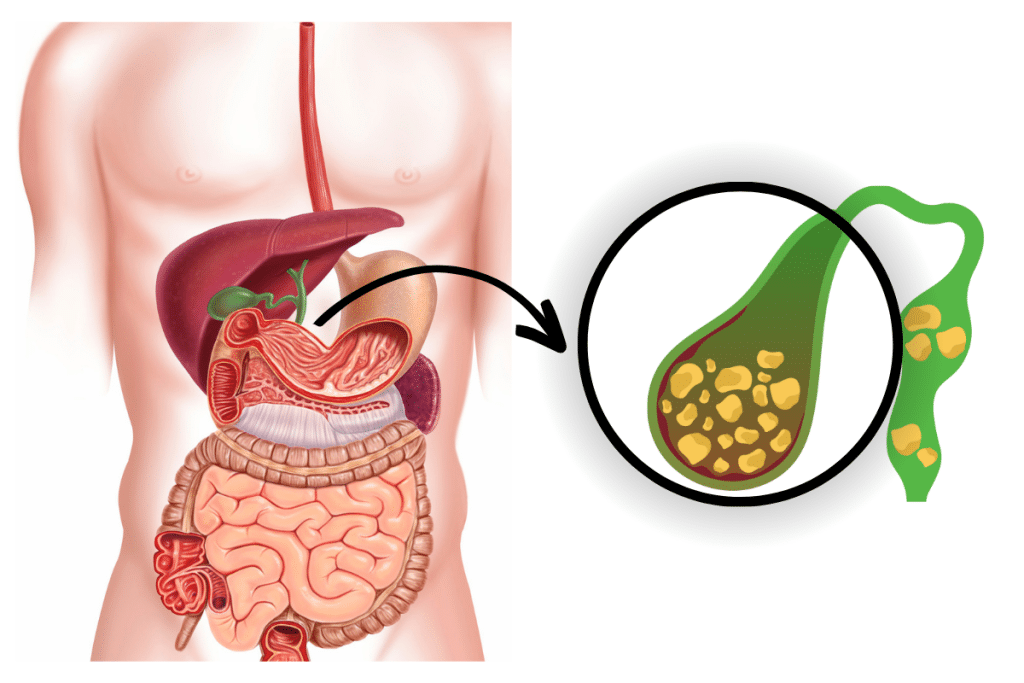
Causes of gallstones
Gallstones disease may develop through several mechanisms. Some of the most common include:
Excess cholesterol in bile Normally, bile contains sufficient chemicals to dissolve the cholesterol secreted by the liver. However, if the liver produces too much cholesterol and bile cannot dissolve it completely, the excess cholesterol may accumulate, eventually forming crystals that solidify into gallstones.
Excess bilirubin in bile Bilirubin is a substance produced when red blood cells break down. Conditions such as cirrhosis, certain blood disorders, or biliary tract infections may cause the liver to generate excess bilirubin. This surplus bilirubin can accumulate and contribute to the formation of gallstones.
Infrequent emptying of the gallbladder The gallbladder needs to empty itself regularly. If it does not empty completely or often enough, bile may become concentrated, which increases the risk of gallstone formation.
High-risk groups for gallstone disease
Anyone can develop gallstones. However, certain factors may increase the risk compared to the general population, including:
- Sedentary lifestyle
- Diets high in fat and low in fiber
- Overweight or obesity
- Frequent use of oral contraceptives
- Chronic conditions such as diabetes or blood disorders
- Family history of gallstones
- Liver diseases such as hepatitis or cirrhosis
- Rapid weight loss
If you fall into one of these high-risk groups, you should undergo regular health checkups or seek medical consultation promptly if you experience any unusual symptoms.
Signs and symptoms of gallstones
Gallstone disease often presents without specific symptoms and can easily be mistaken for other medical conditions without proper examination. However, the most common symptom of gallstones is biliary colic, episodes of abdominal pain. These pain episodes typically have the following characteristics:
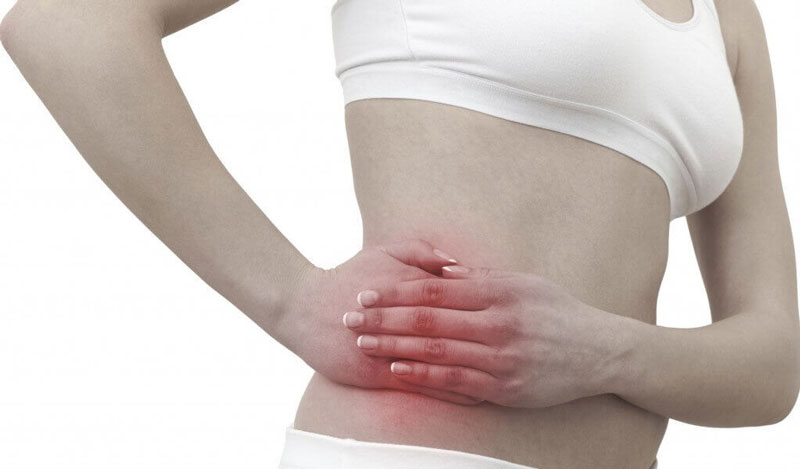
Location: Pain usually occurs in the epigastric region or the right upper abdomen, but is most prominent in the epigastric area.
Severity: The pain is typically intense and persistent, causing significant discomfort.
Pattern: The pain occurs in distinct episodes rather than as a dull ache. Each episode may last from 30 minutes to several hours.
Timing: Pain often develops within a few hours after meals or during the night, potentially disrupting the patient’s sleep.
In addition to abdominal colic, patients with gallstone disease may also develop fever and jaundice when the condition progresses to a more advanced stage.
Classification of gallstones
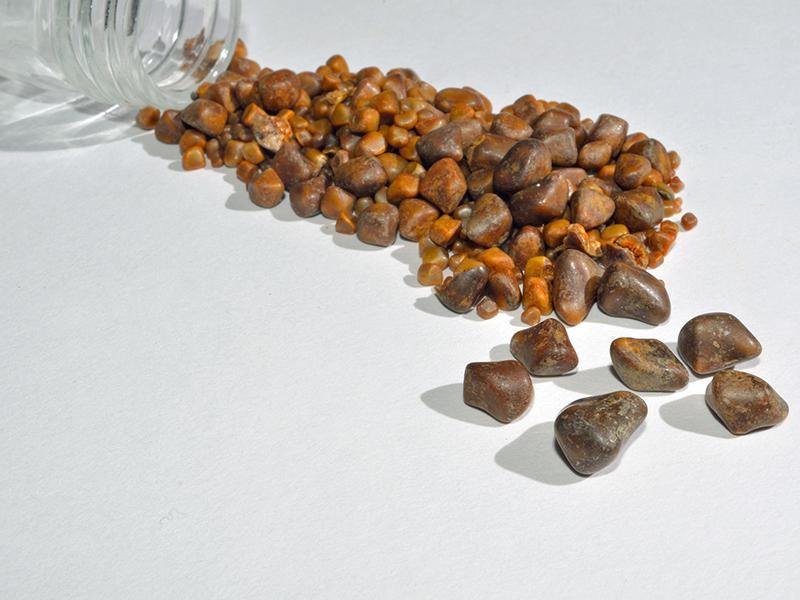
Gallstones disease are generally divided into two common types: cholesterol stones and pigment stones.
- Cholesterol stones: These stones are formed primarily due to the deposition of cholesterol in bile. They are more commonly seen in Western populations or individuals who follow a Western-style diet. In addition, women are twice as likely as men to develop this type of gallstone.
- Pigment stones: These stones are often associated with intestinal infections, liver diseases such as cirrhosis or hepatitis, or may occur in individuals who have undergone ileal resection.
Are gallstones dangerous?
If left untreated, gallstone disease can lead to serious complications, including:
- Cholecystitis (inflammation of the gallbladder): When gallstones become lodged in the neck of the gallbladder, they may cause inflammation. Patients with cholecystitis often experience severe abdominal pain accompanied by high fever.
- Pancreatic duct obstruction: The pancreatic duct runs from the pancreas and joins the common bile duct before entering the duodenum, carrying pancreatic enzymes necessary for digestion. Gallstones may obstruct this duct, leading to pancreatitis, a complication that causes severe abdominal pain and often requires hospitalization.
- Gallbladder cancer: Patients with gallstones have a higher risk of developing gallbladder cancer compared to the general population. Early detection and treatment are essential to prevent this life-threatening condition.
Septic cholangitis: This is a severe and life-threatening complication of gallstone disease, characterized by symptoms such as shortness of breath, tachycardia, and altered mental status. It is more frequently observed in the elderly, young children, and newborns.
Hemobilia (bleeding into the biliary tract): Obstruction of the common bile duct caused by gallstones may result in bile stasis within the liver, leading to significant hepatic dysfunction and damage to the bile duct walls. This can compromise surrounding blood vessels and potentially cause bleeding into the biliary tract.
Cirrhosis: Gallstones may cause prolonged bile stasis in the liver, leading to both acute and chronic hepatitis. Over time, fibrotic bands develop as a result of persistent inflammation, eventually progressing to cirrhosis.
What size gallstones require surgery?
Surgery is an effective treatment for gallstone disease. However, not every patient with gallstones is a candidate for surgery. The decision depends on the patient’s overall health, the size of the stones, and the presence of symptoms.
- Gallstones larger than 1 cm without symptoms: If no symptoms are present, treatment may not be immediately necessary, as the stones may remain silent for years. However, regular monitoring is recommended to assess changes in stone size or potential complications.
- Women of reproductive age: Women planning pregnancy are often advised to undergo surgery before conception, as gallstone complications during pregnancy are more difficult to manage and may pose risks to both mother and baby.
- Small gallstones measuring 2–3 mm: Despite their small size, these stones are considered more dangerous than larger stones (1–2 cm). Small gallstones can pass into the pancreatic duct and cause severe complications such as acute necrotizing pancreatitis, which may be life-threatening. In such cases, surgery is recommended even in the absence of symptoms.
- Gallstones causing pain or fever: Symptomatic gallstones that trigger abdominal pain or fever should be treated surgically without delay to prevent further complications.
Treatment options for gallstone disease
Depending on the patient’s condition, physicians will recommend the most appropriate treatment to achieve optimal outcomes. Treatment is generally divided into two main groups:
- Management of asymptomatic gallstones: In these cases, immediate medical intervention may not be necessary. Patients may be prescribed oral medications to help dissolve gallstones and prevent further progression. Lifestyle modification is also essential, including adopting a diet rich in vegetables and fruits, reducing fatty and greasy foods, increasing physical activity, and maintaining a healthy body weight.
- Management of symptomatic gallstones: These cases often involve large or multiple stones that cause recurrent biliary colic and digestive problems. Initially, pain relief medications may be prescribed to alleviate acute episodes. Several treatment options may then be considered, including laparoscopic cholecystectomy, open cholecystectomy, percutaneous lithotripsy, or laser lithotripsy.
Currently, laparoscopic cholecystectomy is the most highly recommended and widely practiced technique in gastrointestinal surgery. It is prioritized in the following situations:
- Symptomatic gallstones, multiple stones, or stones larger than 10 mm
- Large stones occupying more than two-thirds of the gallbladder volume
- Stones impacted in anatomically difficult locations with high risk of complications
- Gallstones causing prolonged biliary colic, significantly affecting health and quality of life
- Presence of gallstones accompanied by gallbladder polyps
Laparoscopic cholecystectomy – an advanced treatment for gallstones
Laparoscopic cholecystectomy is a minimally invasive surgical technique used to remove the gallbladder. During this procedure, surgeons employ a laparoscope and specialized instruments to detach and extract the gallbladder through small incisions in the abdominal wall.
According to gastrointestinal surgery specialists, laparoscopic cholecystectomy offers several advantages over traditional open surgery, including:
- Safe and minimally invasive: Only small incisions of approximately 0.3–1 cm are made, resulting in less postoperative pain, faster recovery, and improved cosmetic outcomes.
- High precision: Advanced laparoscopic imaging systems provide high-quality visualization, allowing surgeons to clearly observe the gallbladder without the limited field of view associated with open surgery.
- Shorter operative time: The procedure typically takes about 30 minutes to complete.
- Reduced hospital stay: Patients usually recover quickly, with wound healing occurring rapidly. Most patients are discharged within 1–3 days after surgery.
- Lower risk of complications: Minimizes the likelihood of wound infection, immune dysfunction, and respiratory problems.
- Cost-effectiveness: Shorter hospitalization reduces expenses related to inpatient care, medications, and meals.

Which hospital provides the best laparoscopic gallbladder surgery?
At present, Hong Ngoc General Hospital applies advanced laparoscopic cholecystectomy techniques, delivering highly effective outcomes in the treatment of gallbladder diseases. Key advantages of undergoing laparoscopic gallbladder surgery at Hong Ngoc General Hospital include:
- Highly qualified gastrointestinal surgery specialists
- Assoc. Prof. Dr. Do Tuan Anh: Over 40 years of experience mastering advanced gastrointestinal surgical techniques with high efficacy and minimal invasiveness; former Head of Hepatobiliary Surgery at Viet Duc Hospital; Vice Dean of the Faculty of Medicine, Vietnam National University; Executive Board Member of the Vietnam Association of Surgery and Endoscopic Surgery.
- Supported by an experienced team of surgeons: Dr. Bach Phuc Huy (15 years of experience), Dr. Cu Trung Kien, MSc (over 10 years of experience), and others.
- Proven expertise with complex laparoscopic surgeries The Department of Gastrointestinal Surgery at Hong Ngoc General Hospital has successfully treated hundreds of complex laparoscopic cases, improving the quality of life for patients with serious digestive conditions such as gallbladder cancer and colorectal cancer.
- State-of-the-art operating rooms ensuring maximum safety Equipped with modern HEPA air filtration systems capable of eliminating up to 99.97% of bacteria, viruses, and ultrafine particles. Positive pressure ventilation maintains a sterile environment with optimal temperature and humidity control.
- Advanced equipment and strict sterilization protocols Featuring Olympus endoscopic systems from Japan and precision robotic-assisted surgical instruments. Rigorous infection control measures are enforced to ensure the highest standards of patient safety.
- Internationally recognized certifications
- Global surgical accreditation by the Royal College of Surgeons (RCS), United Kingdom
- ACHS International accreditation from the Australian Council on Healthcare Standards
- Five-star patient services Luxurious, modern inpatient facilities with 24/7 dedicated nursing care.
- Insurance coverage and direct billing Acceptance of health insurance and corporate guarantee policies with streamlined procedures.
How to prevent gallstones
Gallstones disease not only cause discomfort and pain but may also lead to serious complications that threaten a patient’s health and even life. Therefore, prevention should begin early with the following measures:
- Adopt a healthy diet: Consume fiber-rich foods daily such as fruits, vegetables, and whole grains. Limit intake of fatty, greasy, and spicy foods.
- Do not skip meals: Maintain a regular eating schedule. Skipping meals or prolonged fasting can increase the risk of gallstone formation.
- Lose weight gradually: If you are trying to lose weight, do so gradually. Rapid weight loss can increase the likelihood of gallstone development.
- Maintain a healthy weight: Being overweight or obese increases the risk of gallstones. Furthermore, rapid weight reduction in obese individuals may also trigger gallstone formation. Maintaining a stable weight and engaging in regular physical activity are essential for overall health.
Reader may also be interested in:
- Common bile duct stones: Causes, complications, and treatment
- Early symptoms of kidney stones to recognize and effective treatment methods for kidney stones
- Urolithiasis: Everything you need to know from A to Z
These recommendations provide useful guidance for preventing gallstone disease. We hope they will support you in protecting and improving your health.
Note: The information provided in this article by Hong Ngoc General Hospital is for reference only. It is not a substitute for professional diagnosis or medical treatment. Patients are advised not to self-medicate. For accurate diagnosis and effective treatment, please consult a qualified physician at a hospital.
Gastroenterology Center – Hong Ngoc General Hospital
- Hong Ngoc Phuc Truong Minh General Hospital: No. 8 Chau Van Liem, Tu Liem District, Hanoi
- Hong Ngoc General Hospital: 55 Yen Ninh, Ba Dinh District, Hanoi
- Hong Ngoc Savico Clinic, Long Bien: 3rd Floor, Tower B, Savico Megamall, 07–09 Nguyen Van Linh, Viet Hung, Hanoi
Hotline: 0911 908 856 – 0932 232 016