
Anal polyp is a general term referring to growths of various sizes that develop inside the anal canal. So, are anal polyps dangerous? How can they be recognized and treated? Read the following article to learn more about this condition.
What are anal polyps? Are they dangerous?
Anal polyps are round or oval-shaped growths that form on the inner surface of the anal canal and intestinal wall. They often have small stalks resembling mushrooms and typically measure less than 2.5 cm in diameter.
Most anal polyps are benign and can be completely treated; however, early detection and timely management are crucial to prevent adverse health effects. Specifically:
Large or multiple polyps may narrow the anal canal, obstruct bowel movements, and cause difficulty during defecation.
Anal infection: prolapsed polyps accompanied by mucus discharge may easily lead to local inflammation or even infection of the anal area.
High risk of recurrence if not completely treated, making subsequent management more difficult and potentially more dangerous.
Potential risk of malignancy: in some cases, untreated or recurrent polyps may develop into anal or rectal cancer.
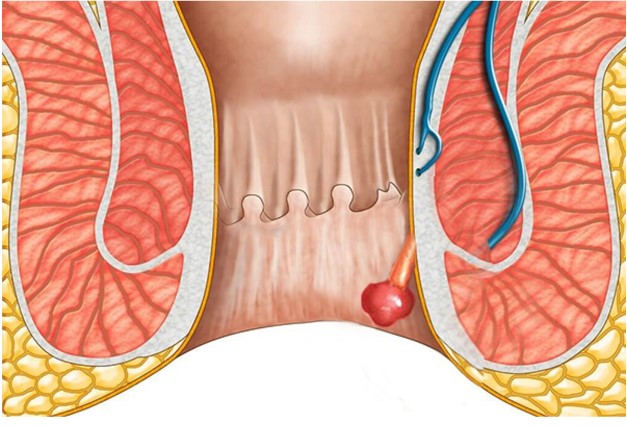
Anal polyps are often mistaken for hemorrhoids
Clinically, there are three common types of anal polyps:
Inflammatory (benign) polyps: accounting for the majority of cases, approximately 80%. Also known as hyperplastic polyps, this type results from an inflammatory response in the mucosal lining of the colon and anus. These polyps are typically benign and rarely become malignant.
Lymphoid polyps: accounting for about 15% of cases.
Adenomatous polyps: representing a small proportion of cases, around 5%. However, this is the type with the highest risk of malignant transformation. The larger the adenomatous polyp, the greater the likelihood of cancerous cell development within it.
Anal polyps may also occur in children, causing gastrointestinal bleeding and, in severe cases, may lead to anal cancer.
Signs and symptoms of anal polyps
Anal polyps are relatively common and may present with symptoms that are easily mistaken for other anorectal conditions such as hemorrhoids, diarrhea, rectal prolapse, or intussusception. To help identify the condition, patients can look for the following characteristic signs:
Rectal bleeding: this is one of the most noticeable signs of anal polyps. To distinguish it from hemorrhoidal bleeding, the blood associated with anal polyps is usually bright red and often detected on toilet paper rather than dripping into the toilet bowl, as seen in external hemorrhoids or anal fissures.
Protruding mass resembling hemorrhoids after defecation: after bowel movements, patients may notice a fleshy mass around the anal area. However, unlike hemorrhoids, which typically appear reddish or dark purple and are associated with itching and swelling due to mucus discharge, anal polyps often have a longer stalk and may become twisted, causing discomfort and pain inside the anal canal.
Abdominal pain: when anal polyps are large or numerous, they may narrow the anal canal and partially obstruct the bowel, resulting in recurrent cramping abdominal pain.
Loose stools: anal polyps can disrupt intestinal motility, leading to loose stools or frequent bowel movements throughout the day.
Fatigue and weakness: due to chronic bleeding and abdominal pain, patients may experience fatigue, dizziness, and pallor.
Other symptoms: in some cases, additional signs such as nausea, vomiting, or persistent fever may also occur.
Causes of anal polyps
The exact cause of anal polyps has not been clearly identified. However, according to medical experts, several factors are believed to contribute to their development, including:
Genetic predisposition: if one or both parents have a history of anal polyps, the risk of developing anal polyps in their children is significantly higher than average.
Abnormal anal structure: a narrow or curved anal canal can interfere with the normal passage of stool, making the mucosal lining more susceptible to infection and, over time, leading to the formation of polyps.
Anal intercourse: may cause scratches or trauma to the anal mucosa, resulting in irritation and polyp formation.
Poor hygiene: inadequate cleaning of the anal area increases the risk of local infection and other anorectal diseases, including anal polyps.
Chronic constipation: hard stools and excessive straining during bowel movements can cause repeated friction and mucosal injury, creating favorable conditions for bacterial invasion and inflammation that promote polyp growth.
Unhealthy diet: a diet low in vegetables and fiber but high in spicy foods and processed products contributes to gastrointestinal disorders, including anal polyps.
Other medical conditions: diseases such as tuberculosis, external hemorrhoids, anal abscess, or venous obstruction in the anal region may also increase the likelihood of developing anal polyps.
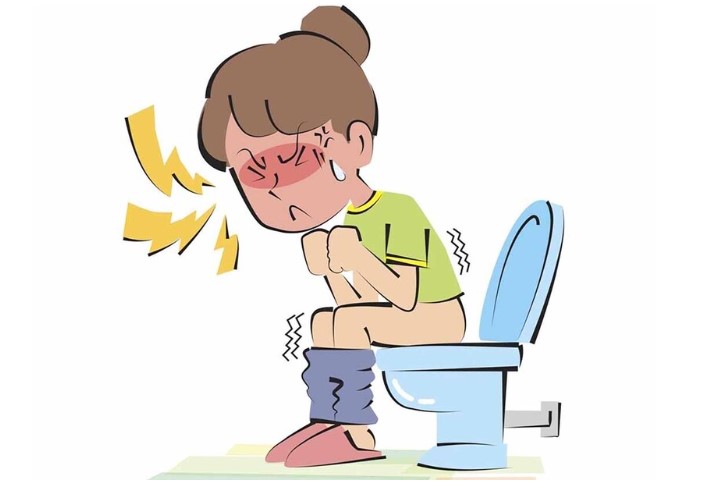
Constipation is one of the symptoms of anal polyps
It can be seen that most symptoms of anal polyps are nonspecific and can easily be mistaken for other conditions, particularly hemorrhoids. In addition, if left untreated, anal polyps may lead to serious complications and, in severe cases, can progress to anal or rectal cancer.
Therefore, medical experts recommend that patients who experience symptoms suggestive of anal polyps should promptly visit a qualified specialist at a reputable medical facility for accurate diagnosis. Early consultation allows physicians to determine the appropriate treatment approach, ensuring complete recovery while minimizing the risks of recurrence and complications.
To detect anal polyps, physicians usually recommend diagnostic methods such as colonoscopy, sigmoidoscopy, X-ray, CT scan, MRI, or stool testing. Based on these results, specialists can evaluate the presence and characteristics of the polyps to determine the most appropriate treatment plan.
Currently, depending on the size and condition of the polyp, physicians typically consider two main treatment approaches:
Medical (non-surgical) treatment: this method is typically applied in mild cases to help relieve symptoms associated with anal polyps. Commonly prescribed medications include anti-inflammatory drugs, pain relievers, and specific therapeutic agents aimed at reducing or eliminating the polyp tissue.
Surgical treatment: this approach is indicated when medication alone cannot resolve the polyp. In such cases, surgical removal of the polyp becomes necessary. Surgical treatment is usually recommended for large anal polyps or those with a high risk of malignant transformation into anal cancer.
Physicians may remove colorectal polyps using the following methods:
Colonoscopy: during this procedure, the physician uses a cutting instrument or a wire loop attached to the end of the colonoscope to excise the polyp.
Laparoscopic surgery: this technique is used to remove large anal polyps or those that cannot be safely excised through endoscopy. During laparoscopy, the surgeon makes a small incision in the abdomen or pelvic area and inserts a laparoscope into the intestine to perform polyp removal.
Colectomy or proctocolectomy: this is a total surgical resection of the colon and rectum, typically reserved for cases in which the patient’s anal polyps carry a high risk of malignancy.
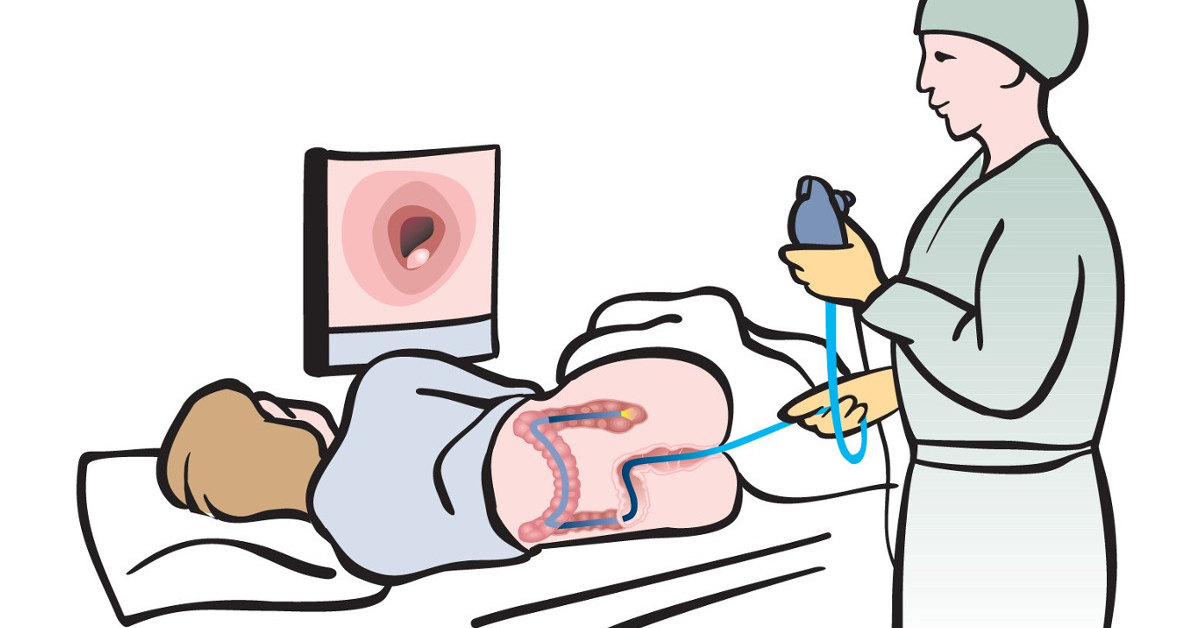
Colonoscopy is one of the methods used to remove anal polyps.
Normally, after removal, the anal polyp is sent to the laboratory for histopathological examination to determine whether cancerous cells are present and whether the polyp is benign or malignant. Based on the test results, the physician will recommend an appropriate follow-up schedule for the patient.
For patients with a history of polyps or colorectal cancer, physicians may prescribe aspirin or COX-2 inhibitors (coxibs) to help prevent the formation of new anal polyps.
Where to safely and reliably examine and treat anal polyps
Anal polyps are a common condition that can occur in individuals of all ages and genders, particularly in those over 40 years old. Therefore, as soon as any symptoms suggestive of the disease appear, patients should not be subjective or delay seeking medical attention. It is recommended to consult a specialist and undergo endoscopic examination at a reputable medical facility to obtain an accurate diagnosis and receive the most effective treatment plan.
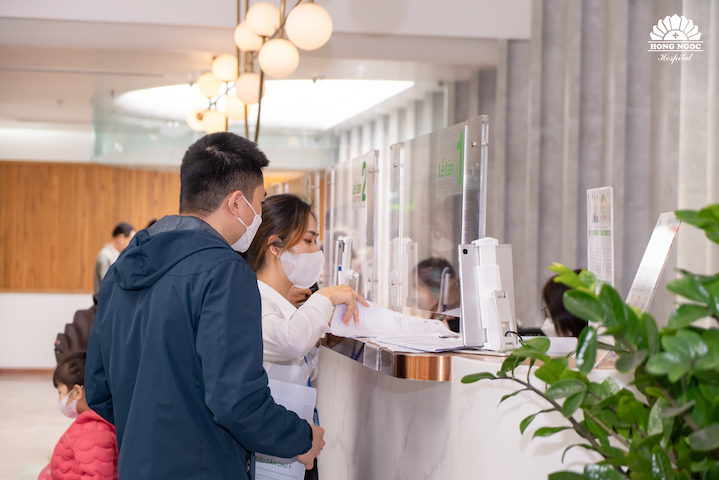
Patients receiving examination and treatment at Hong Ngoc General Hospital
The Gastroenterology Center of Hong Ngoc General Hospital is a reputable medical facility specializing in the diagnosis and treatment of digestive diseases, trusted by many patients for the following reasons:
A team of leading experts and experienced gastroenterologists who have worked for many years at major hospitals such as Bach Mai Hospital, Hanoi Medical University Hospital, and Viet Duc University Hospital.
State-of-the-art medical equipment and technology, including the Olympus CV-190 narrow-band imaging endoscopy system (Japan), GE LOGIQ Fortis ultrasound machine, Vietnam’s first 2560-slice CT imaging technology, and the Abbott (USA) laboratory testing system.
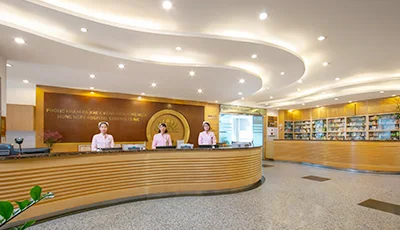
Spacious, clean, and fully equipped examination facilities providing comfort and convenience for patients.
Dedicated nursing and reception staff offering professional support and attentive care throughout the examination and endoscopy process.
Gastroenterology Center – Hong Ngoc General Hospital
Hong Ngoc Phuc Truong Minh General Hospital: No. 8 Chau Van Liem, Tu Liem District, Hanoi
Hong Ngoc General Hospital: 55 Yen Ninh, Ba Dinh District, Hanoi
Hong Ngoc Savico Long Bien Clinic: 3rd Floor, Block B, Tasco Megamall, 07–09 Viet Hung, Hanoi
Hotline for specialist appointments: 0911 908 856 Hotline for hemorrhoid surgery consultation: 0949 646 556 Register for information and consultation at:
Note: The information provided in this article by Hong Ngoc General Hospital is for reference purposes only and should not replace professional medical diagnosis or treatment. To accurately determine their condition, patients should visit a reputable medical facility for direct consultation and receive an appropriate treatment plan from a qualified physician.
Follow the official Fanpage of Hong Ngoc General Hospital for more useful health information and updates.
Anal polyp is a general term referring to growths of various sizes that develop inside the anal canal. So, are anal polyps dangerous? How can they be recognized and treated? Read the following article to learn more about this condition.
What are anal polyps? Are they dangerous?
Anal polyps are round or oval-shaped growths that form on the inner surface of the anal canal and intestinal wall. They often have small stalks resembling mushrooms and typically measure less than 2.5 cm in diameter.
Most anal polyps are benign and can be completely treated; however, early detection and timely management are crucial to prevent adverse health effects. Specifically:
Large or multiple polyps may narrow the anal canal, obstruct bowel movements, and cause difficulty during defecation.
Anal infection: prolapsed polyps accompanied by mucus discharge may easily lead to local inflammation or even infection of the anal area.
High risk of recurrence if not completely treated, making subsequent management more difficult and potentially more dangerous.
Potential risk of malignancy: in some cases, untreated or recurrent polyps may develop into anal or rectal cancer.
Anal polyps are often mistaken for hemorrhoids
Clinically, there are three common types of anal polyps:
Inflammatory (benign) polyps: accounting for the majority of cases, approximately 80%. Also known as hyperplastic polyps, this type results from an inflammatory response in the mucosal lining of the colon and anus. These polyps are typically benign and rarely become malignant.
Lymphoid polyps: accounting for about 15% of cases.
Adenomatous polyps: representing a small proportion of cases, around 5%. However, this is the type with the highest risk of malignant transformation. The larger the adenomatous polyp, the greater the likelihood of cancerous cell development within it.
Anal polyps may also occur in children, causing gastrointestinal bleeding and, in severe cases, may lead to anal cancer.
Signs and symptoms of anal polyps
Anal polyps are relatively common and may present with symptoms that are easily mistaken for other anorectal conditions such as hemorrhoids, diarrhea, rectal prolapse, or intussusception. To help identify the condition, patients can look for the following characteristic signs:
Rectal bleeding: this is one of the most noticeable signs of anal polyps. To distinguish it from hemorrhoidal bleeding, the blood associated with anal polyps is usually bright red and often detected on toilet paper rather than dripping into the toilet bowl, as seen in external hemorrhoids or anal fissures.
Protruding mass resembling hemorrhoids after defecation: after bowel movements, patients may notice a fleshy mass around the anal area. However, unlike hemorrhoids, which typically appear reddish or dark purple and are associated with itching and swelling due to mucus discharge, anal polyps often have a longer stalk and may become twisted, causing discomfort and pain inside the anal canal.
Abdominal pain: when anal polyps are large or numerous, they may narrow the anal canal and partially obstruct the bowel, resulting in recurrent cramping abdominal pain.
Loose stools: anal polyps can disrupt intestinal motility, leading to loose stools or frequent bowel movements throughout the day.
Fatigue and weakness: due to chronic bleeding and abdominal pain, patients may experience fatigue, dizziness, and pallor.
Other symptoms: in some cases, additional signs such as nausea, vomiting, or persistent fever may also occur.
Causes of anal polyps
The exact cause of anal polyps has not been clearly identified. However, according to medical experts, several factors are believed to contribute to their development, including:
Genetic predisposition: if one or both parents have a history of anal polyps, the risk of developing anal polyps in their children is significantly higher than average.
Abnormal anal structure: a narrow or curved anal canal can interfere with the normal passage of stool, making the mucosal lining more susceptible to infection and, over time, leading to the formation of polyps.
Anal intercourse: may cause scratches or trauma to the anal mucosa, resulting in irritation and polyp formation.
Poor hygiene: inadequate cleaning of the anal area increases the risk of local infection and other anorectal diseases, including anal polyps.
Chronic constipation: hard stools and excessive straining during bowel movements can cause repeated friction and mucosal injury, creating favorable conditions for bacterial invasion and inflammation that promote polyp growth.
Unhealthy diet: a diet low in vegetables and fiber but high in spicy foods and processed products contributes to gastrointestinal disorders, including anal polyps.
Other medical conditions: diseases such as tuberculosis, external hemorrhoids, anal abscess, or venous obstruction in the anal region may also increase the likelihood of developing anal polyps.
Constipation is one of the symptoms of anal polyps
It can be seen that most symptoms of anal polyps are nonspecific and can easily be mistaken for other conditions, particularly hemorrhoids. In addition, if left untreated, anal polyps may lead to serious complications and, in severe cases, can progress to anal or rectal cancer.
Therefore, medical experts recommend that patients who experience symptoms suggestive of anal polyps should promptly visit a qualified specialist at a reputable medical facility for accurate diagnosis. Early consultation allows physicians to determine the appropriate treatment approach, ensuring complete recovery while minimizing the risks of recurrence and complications.
To detect anal polyps, physicians usually recommend diagnostic methods such as colonoscopy, sigmoidoscopy, X-ray, CT scan, MRI, or stool testing. Based on these results, specialists can evaluate the presence and characteristics of the polyps to determine the most appropriate treatment plan.
Currently, depending on the size and condition of the polyp, physicians typically consider two main treatment approaches:
Medical (non-surgical) treatment: this method is typically applied in mild cases to help relieve symptoms associated with anal polyps. Commonly prescribed medications include anti-inflammatory drugs, pain relievers, and specific therapeutic agents aimed at reducing or eliminating the polyp tissue.
Surgical treatment: this approach is indicated when medication alone cannot resolve the polyp. In such cases, surgical removal of the polyp becomes necessary. Surgical treatment is usually recommended for large anal polyps or those with a high risk of malignant transformation into anal cancer.
Physicians may remove colorectal polyps using the following methods:
Colonoscopy: during this procedure, the physician uses a cutting instrument or a wire loop attached to the end of the colonoscope to excise the polyp.
Laparoscopic surgery: this technique is used to remove large anal polyps or those that cannot be safely excised through endoscopy. During laparoscopy, the surgeon makes a small incision in the abdomen or pelvic area and inserts a laparoscope into the intestine to perform polyp removal.
Colectomy or proctocolectomy: this is a total surgical resection of the colon and rectum, typically reserved for cases in which the patient’s anal polyps carry a high risk of malignancy.
Colonoscopy is one of the methods used to remove anal polyps.
Normally, after removal, the anal polyp is sent to the laboratory for histopathological examination to determine whether cancerous cells are present and whether the polyp is benign or malignant. Based on the test results, the physician will recommend an appropriate follow-up schedule for the patient.
For patients with a history of polyps or colorectal cancer, physicians may prescribe aspirin or COX-2 inhibitors (coxibs) to help prevent the formation of new anal polyps.
Where to safely and reliably examine and treat anal polyps
Anal polyps are a common condition that can occur in individuals of all ages and genders, particularly in those over 40 years old. Therefore, as soon as any symptoms suggestive of the disease appear, patients should not be subjective or delay seeking medical attention. It is recommended to consult a specialist and undergo endoscopic examination at a reputable medical facility to obtain an accurate diagnosis and receive the most effective treatment plan.
Patients receiving examination and treatment at Hong Ngoc General Hospital
The Gastroenterology Center of Hong Ngoc General Hospital is a reputable medical facility specializing in the diagnosis and treatment of digestive diseases, trusted by many patients for the following reasons:
A team of leading experts and experienced gastroenterologists who have worked for many years at major hospitals such as Bach Mai Hospital, Hanoi Medical University Hospital, and Viet Duc University Hospital.
State-of-the-art medical equipment and technology, including the Olympus CV-190 narrow-band imaging endoscopy system (Japan), GE LOGIQ Fortis ultrasound machine, Vietnam’s first 2560-slice CT imaging technology, and the Abbott (USA) laboratory testing system.
Spacious, clean, and fully equipped examination facilities providing comfort and convenience for patients.
Dedicated nursing and reception staff offering professional support and attentive care throughout the examination and endoscopy process.
Gastroenterology Center – Hong Ngoc General Hospital
Hong Ngoc Phuc Truong Minh General Hospital: No. 8 Chau Van Liem, Tu Liem District, Hanoi
Hong Ngoc General Hospital: 55 Yen Ninh, Ba Dinh District, Hanoi
Hong Ngoc Savico Long Bien Clinic: 3rd Floor, Block B, Tasco Megamall, 07–09 Viet Hung, Hanoi
Hotline for specialist appointments: 0911 908 856 Hotline for hemorrhoid surgery consultation: 0949 646 556 Register for information and consultation at:
Note: The information provided in this article by Hong Ngoc General Hospital is for reference purposes only and should not replace professional medical diagnosis or treatment. To accurately determine their condition, patients should visit a reputable medical facility for direct consultation and receive an appropriate treatment plan from a qualified physician.
Follow the official Fanpage of Hong Ngoc General Hospital for more useful health information and updates.
Để lại câu hỏi của bạn để nhận được giải đáp từ các bác sĩ của Hồng Ngọc
Lorem ipsum dolor
Lorem ipsum dolor sit amet, consectetur adipiscing elit. Mauris odio lectus, pretium faucibus nisi eu, accumsan consectetur orci. In blandit vehicula nisl, vel lacinia ligula finibus a. Donec fermentum rhoncus