


Fatty liver disease is one of the most common liver disorders today, occurring when the amount of fat accumulated in the liver exceeds the normal threshold (more than 5% of the liver’s weight). In most cases, the condition results from excessive alcohol consumption or metabolic disorders such as diabetes and obesity. If left untreated, fatty liver disease may progress to cirrhosis, liver cancer, and other serious complications.
What is fatty liver disease?
Fatty liver disease is a condition in which fat accumulates to more than 5-10% of the liver’s weight, leading to impaired liver function. In its early stages, fatty liver is generally harmless; however, persistent inflammation of the liver over time can result in fibrosis (scarring) and progressive loss of liver function.
Fatty liver disease can be classified into two main types: alcoholic fatty liver disease (AFLD) and nonalcoholic fatty liver disease (NAFLD).
- Alcoholic fatty liver disease (AFLD): This form commonly occurs in individuals who abuse or are dependent on alcohol. Continuous alcohol consumption damages liver cells and disrupts fat metabolism, which may eventually lead to cirrhosis or liver cancer.
- Nonalcoholic steatohepatitis (NASH): This is a more severe stage of nonalcoholic fatty liver disease, in which the liver not only accumulates fat but also develops inflammation and cell necrosis. If left uncontrolled, NASH can progress to cirrhosis, liver cancer, and may become life-threatening.
Causes of fatty liver disease
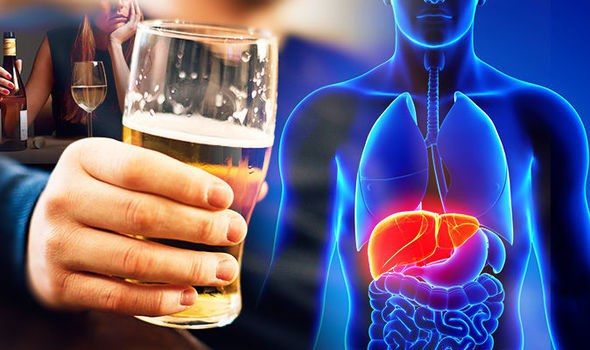
- Alcohol consumption: Excessive intake of alcoholic beverages damages liver cells and impairs the liver’s ability to metabolize fat, leading to fat accumulation and reduced liver function.
- Obesity: Individuals who are overweight or obese are several times more likely to develop fatty liver disease than those with a healthy body weight. Excess fat intake overwhelms the body’s metabolic capacity, causing fat to build up in liver tissue.
- High blood lipids (hyperlipidemia): When blood lipids pass through the liver in excessive amounts, cholesterol levels rise. If the liver’s metabolic capacity is exceeded, fat begins to accumulate in the liver, resulting in fatty liver disease.
- Diabetes: Diabetes is a metabolic disorder characterized by elevated blood glucose levels. Persistent hyperglycemia affects cholesterol metabolism in the liver, leading to increased fat and cholesterol deposition in liver cells.
- Rapid weight loss: Losing weight too quickly can reduce the production of apolipoproteins, which are essential for transporting triglycerides out of the liver. As a result, triglycerides accumulate, causing excess fat buildup in the liver.
- Side effects of certain medications: Some drugs, such as lipid-lowering agents and anti-tuberculosis medications, may have hepatotoxic effects that impair liver function and contribute to fatty liver development.
Symptoms of fatty liver disease
In the early stages, fatty liver disease often causes no noticeable symptoms. However, some patients may experience fatigue, loss of appetite, or abdominal bloating. As fat accumulation in the liver increases, the body may begin to show more characteristic signs, such as:
- Persistent fatigue and sluggishness: The patient often feels exhausted, less focused, and less productive due to impaired liver detoxification and metabolism.
- Abdominal bloating, indigestion, and loss of appetite: These are common early symptoms of fatty liver disease and are often mistaken for gastrointestinal disorders, leading patients to underestimate their condition.
- Nausea or dry vomiting: When excessive fat accumulates in the liver, digestive and metabolic functions become impaired, causing nausea – especially after consuming fatty or greasy foods.
- Dull pain or discomfort in the right upper abdomen: A common symptom in moderate to severe stages of the disease, caused by liver enlargement pressing against the right abdominal wall.
- Jaundice (yellowing of the skin and eyes): This sign usually appears in advanced stages, indicating significant liver dysfunction and the need for immediate medical evaluation.
- Unexplained weight loss: Rapid or unexplained weight loss accompanied by poor appetite and hormonal imbalance is one of the easily recognizable signs of fatty liver disease.
Stages of fatty liver disease (grade 1, 2, and 3)
Grade 1 fatty liver disease
- Fat accounts for 5-10% of the liver’s weight, representing the mildest stage of the condition with minimal or no noticeable symptoms.
- Symptoms: Patients may feel slightly tired, experience loss of appetite, or mild indigestion – symptoms that are often overlooked.
- Management: The condition can be effectively reversed through lifestyle modification, a balanced diet, and regular health check-ups.
Grade 2 fatty liver disease
- Fat accumulation increases to 10-20% of the liver’s weight, spreading more extensively and beginning to impair liver function.
- Symptoms: Fatigue, abdominal bloating, mild pain or discomfort in the liver area, and occasionally slight jaundice.
- Management: Without proper treatment, the condition may progress to grade 3 fatty liver disease; therefore, early specialist intervention is highly recommended.
Grade 3 fatty liver disease
- Fat accounts for over 20-30% of the liver’s weight, and the liver shows signs of inflammation and cell damage.
- Symptoms: Pain in the right upper abdomen, jaundice, weight loss, and digestive disorders.
- Additional signs: Hormonal imbalance – some men develop gynecomastia or erectile dysfunction; women may experience amenorrhea or menstrual irregularities.
- Management: Requires timely treatment to reduce symptoms and prevent cirrhosis or liver cancer.
When experiencing vague symptoms such as persistent fatigue, loss of appetite, or indigestion – especially if you have risk factors like obesity or diabetes – you should promptly visit a reputable medical facility for evaluation.
Complications of fatty liver disease
Steatohepatitis (fatty liver inflammation)
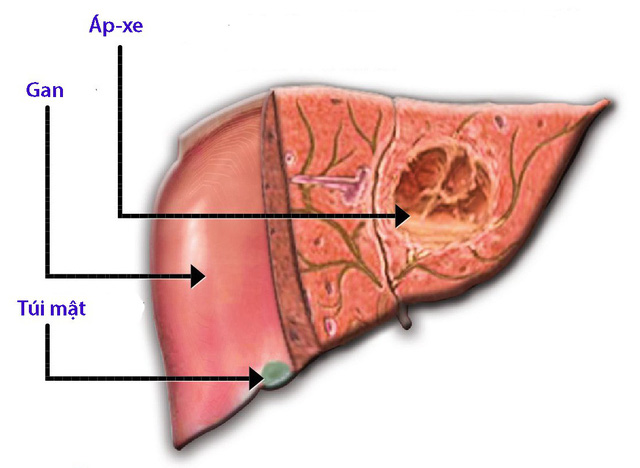
As fat increasingly covers liver cells, liver function gradually declines, reducing the organ’s ability to detoxify harmful substances. This creates favorable conditions for toxins, viruses, bacteria, and parasites from the intestines or external sources to invade and cause hepatitis.
Steatohepatitis causes the liver to deteriorate rapidly, leading to severe health impairment and an increased risk of mortality. Therefore, early screening and timely intervention are essential to prevent dangerous complications associated with this condition.
Liver cirrhosis
Fatty liver disease causes liver cells to become overactive, leading to the production of fibrous tissue. As these fibers accumulate, they damage and destroy liver cells, altering the liver’s structure and forming scar tissue. Over time, the liver becomes hardened and loses its ability to regenerate, ultimately resulting in cirrhosis.
Liver cancer
Fatty liver disease progresses silently, and its most serious consequence is liver cancer. Liver cancer often develops as a result of cirrhosis caused by fatty degeneration of the liver.
Diagnosis and treatment of fatty liver disease
Diagnosis
Physicians may order tests such as liver enzyme assays and abdominal ultrasound to diagnose fatty liver inflammation.
- Blood tests: Evaluate levels of cholesterol, triglycerides, and liver enzymes (AST, ALT, GGT) to determine whether they are elevated. If fatty liver is suspected to have progressed to cirrhosis, additional tests such as bilirubin, total protein, albumin, and coagulation profile should be performed.
- Viral hepatitis screening: Detects hepatitis A, B, and C viruses to prevent concurrent viral infections.
- Abdominal ultrasound: A quick, simple, and noninvasive method to identify fatty liver changes.
- Liver elastography (Fibroscan): Recommended when cirrhosis is suspected; it accurately assesses the degree of fibrosis and liver damage.
- CT scan or MRI of the liver and biliary tract: Advanced imaging techniques that provide detailed visualization of liver structure, helping to detect localized or uneven fat accumulation and serious complications such as liver cancer.
Treatment
The primary approach to treating fatty liver disease is to control body weight, reduce fat accumulation in the liver, and manage lipid disorders.
- Weight reduction: Weight loss is essential for obese patients with fatty liver disease. Safe and gradual weight loss helps reduce liver damage and improve insulin resistance. Rapid or extreme weight loss should be avoided, as it can worsen the condition.
- Management of lipid disorders: Non–hepatically metabolized statins may be used to control dyslipidemia and help lower fatty liver indices under medical supervision.
- Vaccination: Full vaccination against hepatitis A and B Viruses help prevent viral infections that can further damage the liver.
Always committed to advancing medical technology, Hong Ngoc General Hospital has introduced the latest-generation LOGIQ Fortis high-end elastography ultrasound system from GE Healthcare (USA). The system features cSound digital beamforming technology that optimizes image quality and expands the scanning area; an AI-powered chip that automatically identifies and measures liver lesions; and XDclear transducer technology enabling superior Shear Wave Elastography (SWE) and Ultrasound-Guided Attenuation Parameter (UGAP) for accurate quantification of liver steatosis.
With high-resolution imaging and cutting-edge artificial intelligence integrated with the expertise of Hong Ngoc’s experienced physicians, this system provides an optimal solution for screening and diagnosing chronic liver conditions such as hepatitis B and C, fatty liver disease, obesity-related liver disorders, and alcohol- or tobacco-related liver damage, as well as for individuals undergoing comprehensive health check-ups.
At Hong Ngoc General Hospital, patients with fatty liver disease are examined directly by leading gastroenterology specialists with over 30 years of experience at top national hospitals such as Bach Mai and Military Hospital 108, including Dr. Dang Thi Kim Oanh, Assoc. Prof. Dr. Nguyen Canh Binh, and MSc. Dr. Le Thi Van Anh. Patients receive thorough evaluations, essential diagnostic tests, and personalized treatment plans to achieve faster recovery and prevent long-term complications.
For consultation or to schedule an appointment for fatty liver evaluation with our experts, please contact the hotline: 0911 908 856.
Dietary guidelines for patients with fatty liver disease
A balanced and well-structured diet plays a key role in improving fatty liver disease. So, what should patients with fatty liver eat and drink to help manage the condition effectively?
What to eat when you have fatty liver disease
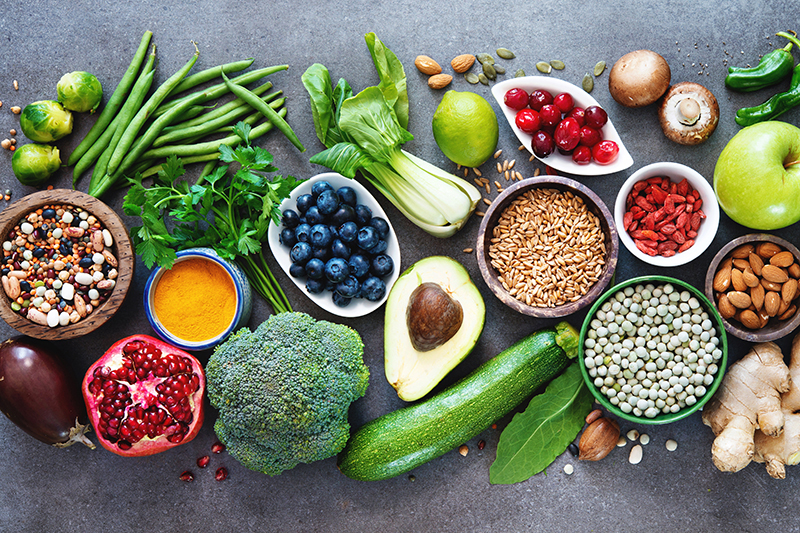
- Fresh vegetables and fruits: Spinach, broccoli, oranges, and apples are excellent choices that provide fiber, vitamins, and antioxidants to support liver health.
- Lean fish and seafood: Salmon, mackerel, and tuna are rich in omega-3 fatty acids, which help lower blood lipid levels, improve fatty liver indices, and prevent cirrhosis.
- Healthy protein from white meat, eggs, and low-fat dairy: Chicken, low-fat milk, tofu, and legumes supply easily digestible protein without overloading the liver.
- Whole grains: Oats, brown rice, and barley help control blood sugar and reduce fat accumulation in the liver – also suitable for patients with diabetes.
- Liver-supporting herbs: Artichoke, lotus leaf, and green tea contain powerful antioxidants that aid liver detoxification and reduce fat buildup.
What to drink when you have fatty liver disease
- Water: Drink 1.5–2 liters per day to help flush out toxins, support fat metabolism in the liver, and improve overall liver function.
- Green tea: Contains catechins, powerful antioxidants that reduce fat accumulation, enhance liver function, and promote healthy weight loss.
- Vegetable juices: Carrot, winter melon, and celery juices provide essential vitamins and minerals that aid fat metabolism and liver detoxification.
- Black coffee: Studies show that a small amount of caffeine may help lower liver enzyme levels, provide antioxidant benefits, and reduce inflammation in nonalcoholic fatty liver disease.
- Low-sugar fruit smoothies: Smoothies made from avocado, strawberries, or blueberries are nutritious, low in fructose, and help ease liver workload while improving fatty liver indices.
Frequently asked questions about fatty liver disease
Does fatty liver disease affect sleep? Yes. Fat accumulation and liver inflammation can disrupt metabolism and alter the body’s sleep–wake cycle, causing poor sleep quality, difficulty falling asleep, or frequent nighttime awakenings.
Do elevated ALT/AST levels always indicate fatty liver disease? Not necessarily. Elevated liver enzymes can result from various causes. A diagnosis of fatty liver disease is confirmed only when ultrasound imaging shows fat accumulation in the liver and other potential causes are excluded.
Do genetic factors play a role in fatty liver disease? Yes. Genetic variants such as PNPLA3 and TM6SF2 have been shown to increase the tendency for fat accumulation in the liver compared to individuals without these variants.
What type of exercise helps improve fatty liver disease? Moderate physical activity – about 150 minutes per week (such as brisk walking or light cycling) – helps reduce liver fat, improve liver function, and support healthy weight management.
Can fatty liver disease recur after successful treatment? Yes. If a healthy diet, stable weight, and good lifestyle habits are not maintained, fat can accumulate again, leading to recurrence of the disease.
(*) Depending on each patient’s physical condition and disease status.
Note: The information provided in this article by Hong Ngoc General Hospital is for reference only and should not replace professional medical diagnosis or treatment. Patients should not self-medicate. To accurately determine their health condition, patients are advised to visit a hospital for direct examination, diagnosis, and personalized treatment planning by qualified physicians.
Gastroenterology Center – Hong Ngoc General Hospital
- Hong Ngoc Phuc Truong Minh General Hospital – No. 8 Chau Van Liem, Tu Liem District, Hanoi
- Hong Ngoc General Hospital – 55 Yen Ninh, Ba Dinh District, Hanoi
- Hong Ngoc Tasco Long Bien Clinic – 3rd Floor, Tower B, Tasco Megamall, 07–09 Nguyen Van Linh, Viet Hung, Hanoi
Hotline: 0911 908 856 – 0932 232 016 Email: trungtamtieuhoa@hongngochospital.vn
Stay updated with more useful health information and special offers from the Gastroenterology Center – Hong Ngoc General Hospital.