


Colon polyps can develop into colorectal cancer if they are not detected and treated in a timely manner, potentially leading to serious health consequences. This article provides a comprehensive overview of colon polyps, including their symptoms, causes, and current treatment approaches.
What are Colon Polyps?
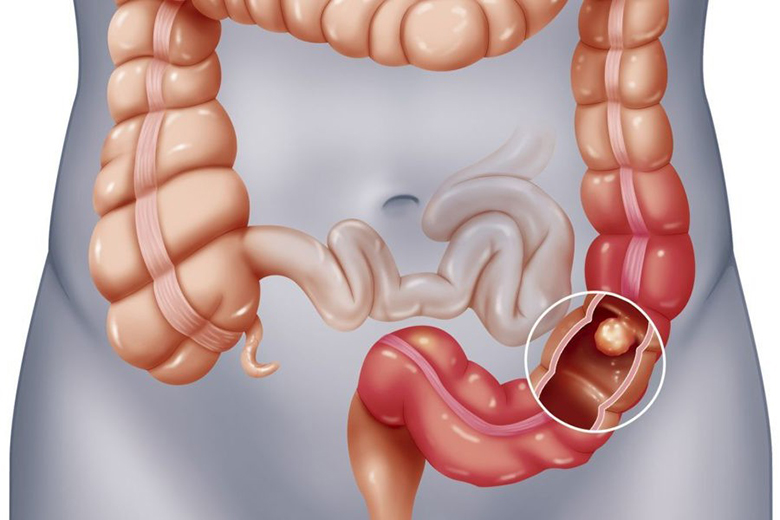
Colon polyps are abnormal growths of tissue that arise from the lining of the large intestine and protrude into the lumen of the colon. Most colon polyps are benign. However, over time, some polyps may progress to colorectal cancer or lead to complications such as inflammation, polyp bleeding, and partial bowel obstruction.
Signs and symptoms of Colon Polyps
Most colon polyps do not cause noticeable symptoms and are often discovered incidentally during colonoscopy. However, the following symptoms may be warning signs of colon polyps:
- Rectal bleeding: Blood mixed with stool, blood on toilet paper, or black, tarry stools.
- Persistent changes in bowel habits: Unexplained constipation or diarrhea, changes in stool caliber, or symptoms that persist without improvement.
- Abdominal cramping and bloating: These symptoms may occur when a large polyp partially obstructs the intestinal lumen.
- Anemia: Fatigue, pallor, dizziness, or weakness caused by chronic blood loss from the colon.
Note: These symptoms may occur intermittently and can easily be mistaken for other gastrointestinal disorders. If you suspect you may have colon polyps, prompt medical evaluation and colonoscopic examination are recommended for accurate diagnosis and timely management, helping reduce the risk of complications and malignant transformation.
Causes and risk factors of Colon Polyps
Colon polyps can develop at any age, particularly in individuals with unhealthy lifestyle habits. In addition, advancing age and inherited genetic factors are recognized risk factors that may increase the likelihood of developing the condition.
Lifestyle Factors
Several lifestyle factors may increase the risk of developing colon polyps, including:
- An unhealthy diet high in fat and processed foods, consumption of contaminated or unhygienic food, smoking, and excessive alcohol intake.
- Overweight and obesity, particularly rapid or significant weight gain over a short period.
- A sedentary lifestyle with insufficient physical activity and prolonged periods of sitting or lying down.
- Chronic sleep deprivation, persistent stress, and prolonged physical or mental fatigue.
Age
Age is one of the most important risk factors for colon polyps.
According to epidemiological data, approximately 90% of colon polyps are diagnosed in individuals aged 50 years and older. The prevalence increases significantly with age, with an estimated 30% of adults over the age of 50 in the United States having at least one colon polyp detected during their lifetime.
However, colon polyps are not limited to adults. They are found in approximately 6% of children, with the prevalence rising to 12% among children presenting with lower gastrointestinal bleeding.
For this reason, physicians recommend screening colonoscopy beginning at age 40, or earlier in individuals with risk factors such as heavy alcohol consumption or a family history of gastrointestinal cancer. Screening should not be overlooked, even in children with suggestive symptoms.
Family History
Individuals with a first degree relative, including a parent, sibling, or child, who has been diagnosed with colon polyps are at increased risk of developing the condition themselves. This risk is further elevated when multiple family members are affected.
Common types of Colon Polyps
The two most common types of colon polyps are hyperplastic polyps and adenomatous polyps (adenomas):
- Hyperplastic polyps: These are typically small polyps that are most often found in the distal colon and rectum. They generally carry a very low risk of malignant transformation.
- Adenomatous polyps (adenomas): These account for the majority of colon polyps. While most adenomas do not progress to cancer, they are considered precancerous lesions. The risk of developing colorectal cancer increases as the size of the adenoma grows.
Diagnosis of Colon Polyps
Colonoscopy is considered the most accurate method for diagnosing colon polyps because it allows direct visualization of the entire colonic mucosa. If a polyp is detected, the physician can perform a biopsy or remove the polyp during the same procedure.
At Hong Ngoc General Hospital, gastrointestinal endoscopy is performed using Narrow Band Imaging (NBI) technology, an advanced image enhancement technique that improves visualization of mucosal abnormalities and facilitates the early detection of small polyps and precancerous lesions.
In addition to colonoscopy, several other methods may be used to evaluate colon polyps:
- CT colonography: Produces three dimensional images of the colon and rectum to detect polyps without the need for an endoscope. However, if a polyp is identified, conventional colonoscopy is still required for confirmation and treatment.
- Barium enema X ray: A contrast study in which barium is introduced through the rectum to coat the lining of the colon, allowing abnormalities to be visualized on X ray images. While it may suggest the presence of lesions, it cannot replace colonoscopy.
- Fecal occult blood test (FOBT): Detects microscopic blood in the stool, which may indicate the presence of colon polyps or colorectal cancer. It is commonly used as a screening tool, but positive results require further evaluation with colonoscopy.
When should Colon Polyps be removed?
Indications for Polyp Removal
Colon polyps are generally recommended for removal in the following situations:
- Large polyps: Polyps measuring 3 mm or larger may be considered for removal. The decision is also based on endoscopic findings and the estimated risk of malignant transformation.
- Abnormal appearance: Polyps with an irregular, nodular, or erythematous surface, or those displaying suspicious morphological features.
- Suspicion of malignancy: Even small polyps may require removal if they exhibit features suggestive of dysplasia or early cancer during endoscopic evaluation.
- Symptomatic polyps: Large polyps causing symptoms such as rectal bleeding, abdominal pain, changes in bowel habits, or bowel obstruction.
Cases that may be monitored periodically
- Small polyps: Polyps smaller than 5 mm, with a normal appearance and no associated symptoms, may be monitored according to the physician’s recommendations.
- Benign polyps: Hyperplastic polyps generally carry a very low risk of progression to colorectal cancer and may not require immediate removal in selected cases.
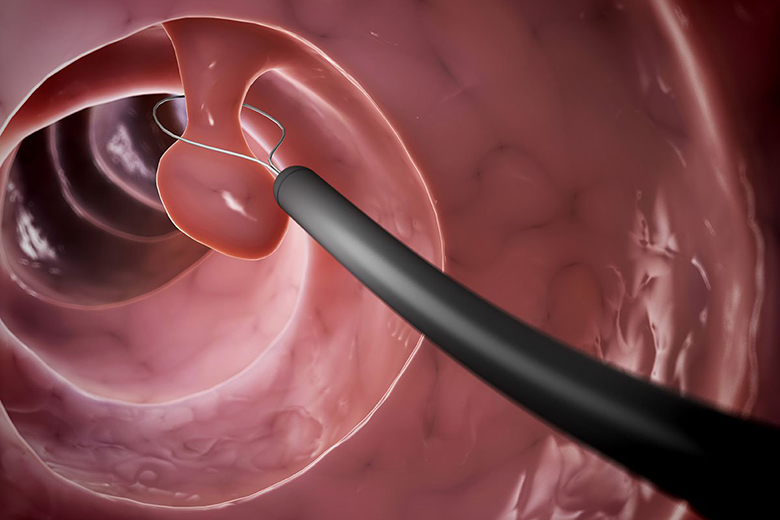
Colon Polyp removal procedure
Endoscopic polypectomy is currently the most commonly used method for removing colon polyps. During the procedure, a flexible colonoscope equipped with a camera is inserted into the colon, allowing the physician to identify polyps and remove them using specialized endoscopic instruments.
The procedure typically involves the following steps:
Step 1: The patient undergoes preprocedural evaluation, including necessary laboratory tests and bowel preparation to ensure the colon is adequately cleansed before colonoscopy.
Step 2: A final assessment is performed, and sedation or anesthesia is administered to prepare the patient for the procedure.
Step 3: The colonoscope is advanced through the colon to identify the location of polyps and assess the surrounding mucosa.
Step 4: The polyps are removed using specialized endoscopic techniques, such as polypectomy or electrocautery. For larger lesions, the polyp may be removed in sections to ensure complete resection.
Step 5: Following removal, the excised tissue is sent for histopathological examination to assess for dysplasia or colorectal cancer. If malignant features are identified, further treatment will be determined according to the physician’s recommendations and the appropriate clinical management plan.
Before and after Colon Polyp removal
Before Colon Polyp removal
- Inform your physician of any underlying medical conditions, allergies, medications currently being taken (especially anticoagulants, antiplatelet agents, and diabetes medications), and pregnancy status, if applicable.
- Complete bowel preparation exactly as instructed using the prescribed cleansing solution to ensure optimal visualization of the colon and safe polyp removal.
- Dietary preparation: On the day before the procedure, consume a clear liquid or low residue diet and avoid solid foods, colored beverages, and alcohol. Do not eat or drink anything within two hours before the procedure, or as instructed by your physician.
- If the procedure is performed under sedation or anesthesia, fasting for approximately eight hours is typically required, and patients should arrange for a family member or caregiver to accompany them.
- Additional tests, such as blood tests or electrocardiography (ECG), may be required. Certain medications may also need to be adjusted according to medical advice to ensure procedural safety.
After Colon Polyp removal
- Patients should be accompanied by a family member or caregiver when leaving the hospital and should not drive or operate vehicles following sedation or anesthesia.
- After the procedure, patients are usually monitored for a short period and may be advised to refrain from eating for approximately two hours. Small amounts of water may be allowed initially. Once recovered, a soft and easily digestible diet is recommended, with adequate intake of vegetables, fruits, and nutrient rich foods.
- Avoid fatty foods, highly spicy foods, excessively hot or cold foods, processed foods, alcohol, tobacco, and other stimulants during the recovery period.
- Engage only in light physical activity and avoid heavy lifting or strenuous exercise as advised by your physician.
- Prevent constipation and avoid excessive straining during bowel movements.
At Hong Ngoc General Hospital, gastrointestinal endoscopy is performed by a team of endoscopists with more than 20 years of experience. Polyps can be detected and removed during the same procedure using advanced endoscopic techniques such as Endoscopic Mucosal Resection (EMR) and Endoscopic Submucosal Dissection (ESD), enabling safe and effective treatment while minimizing the risk of recurrence.
Frequently asked questions about Colon Polyp removal
Is Colon Polyp removal painful?
The colonic mucosa contains relatively few pain receptors; therefore, polyp removal is generally not associated with significant pain.
If an early stage malignant lesion confined to the mucosa is detected, endoscopic treatment may be performed during the same procedure, increasing the likelihood of curative treatment, shortening hospital stay, and reducing the long term risk of recurrence and treatment costs.
At Hong Ngoc General Hospital, patients may choose colonoscopy with sedation or anesthesia for greater comfort. When eligible polyps are identified during the examination, physicians can assess and remove them during the same session, reducing the need for repeat procedures and saving time.
How much does colon polyp removal cost?
The cost of colon polyp removal varies depending on several factors, including the size and number of polyps, the removal technique used (such as snare polypectomy, electrocautery, EMR, or ESD), whether sedation or anesthesia is required, and additional services such as laboratory testing, biopsy, or histopathological examination.
Patients are advised to contact their healthcare provider directly for an individualized cost estimate based on their specific clinical condition and treatment requirements.
What are the possible complications after Colon Polyp removal?
Most patients recover uneventfully within a few days after the procedure. However, although uncommon, certain complications may occur, including:
- Abdominal pain or significant rectal bleeding.
- Excessive rectal discharge.
- Nausea, vomiting, fever, dizziness, or lightheadedness.
- Perianal swelling.
- Cough, chest discomfort, or shortness of breath.
- Abdominal distension or abdominal rigidity.
- Blood mixed with stool or black, tarry stools.
Patients experiencing any of these symptoms should seek immediate medical attention for prompt evaluation and treatment.
How can Colon Polyps be prevented?
Several lifestyle measures may help reduce the risk of colon polyps:
- Follow a healthy diet rich in vegetables, fruits, and dietary fiber.
- Limit the consumption of high fat foods, processed foods, and charred or grilled meats.
- Avoid smoking and excessive alcohol consumption.
- Maintain good mental well being and manage stress effectively.
- Engage in regular physical activity and exercise.
- Individuals with a family history of colon polyps or colorectal cancer, as well as adults aged 40 years and older, should undergo regular health checkups and appropriate colorectal screening to facilitate early detection and timely intervention.
Hong Ngoc Hospital: A Trusted Destination for the Diagnosis and Treatment of Colon Polyps
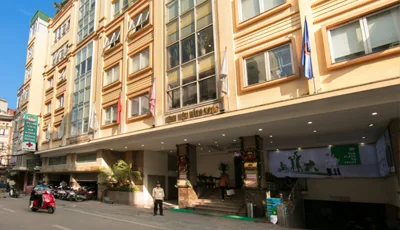
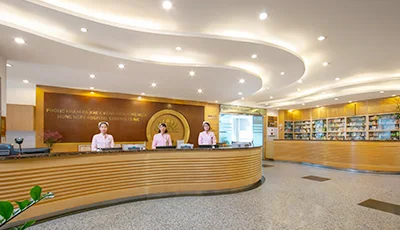
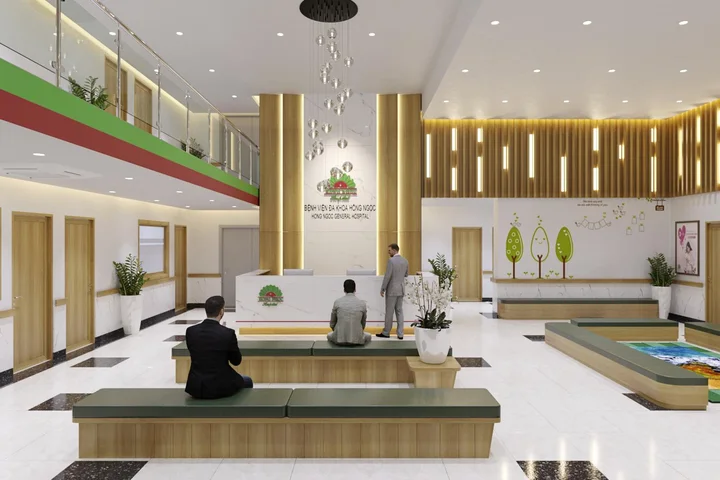
For accurate diagnosis and safe, effective treatment of colon polyps, patients should seek care at reputable medical centers with experienced specialists and advanced diagnostic technology. In Hanoi, patients may consider the Gastroenterology Center at Hong Ngoc General Hospital, which offers comprehensive endoscopic services with the following strengths:
- Highly experienced gastroenterology specialists: The center brings together a team of leading gastroenterologists with extensive clinical experience, including Associate Professor Nguyen Canh Binh, MD, PhD; Dr. Dang Thi Kim Oanh, Specialist Level II; Dr. Le Thi Van Anh, MSc; Dr. Nguyen Hai Anh, MSc; Dr. Nguyen Tien Son; and Dr. Le Duong Tien, MSc.
- Advanced endoscopic technology: The center utilizes NBI Extra III (Narrow Band Imaging) technology, providing high definition visualization that supports the early detection of subtle mucosal lesions and precise endoscopic intervention.
- Safe endoscopy protocols aligned with Japanese standards: Comprehensive pre anesthesia assessment, dedicated anesthesiology support during endoscopic procedures, a rigorous 24 step endoscope reprocessing protocol, and the use of single use interventional accessories help ensure patient safety and infection control.
- Patient friendly healthcare environment: The hospital features a spacious and comfortable clinical setting with integrated amenities designed to support patient comfort and recovery.
- Professional and compassionate care: Patients benefit from streamlined administrative procedures and attentive support from experienced healthcare professionals throughout their treatment journey.
Note: The information provided in this article by Hong Ngoc General Hospital is intended for reference purposes only and should not be considered a substitute for professional medical diagnosis, advice, or treatment. Patients should not self medicate or initiate treatment without consulting a qualified healthcare professional. To obtain an accurate diagnosis and appropriate treatment recommendations, individuals should seek direct medical evaluation from a physician.
For consultation or appointment scheduling with the Gastroenterology Center at Hong Ngoc General Hospital, please contact our hotline or register online.
Gastroenterology Center - Hong Ngoc General Hospital
- 55 Yen Ninh Street, Ba Dinh Ward, Hanoi
- 8 Chau Van Liem Street, Tu Liem Ward, Hanoi
- Hong Ngoc Tasco Long Bien ClinicLevel 3, Building B, Tasco Megamall, 07–09 Nguyen Van Linh Street, Viet Hung Ward, Hanoi
- Hotline: 0911 908 856 | 0932 232 016
- Email: trungtamtieuhoa@hongngochospital.vn
For the latest health information and promotional programs, follow us at:
Facebook: https://www.facebook.com/trungtamtieuhoaBVHongNgoc