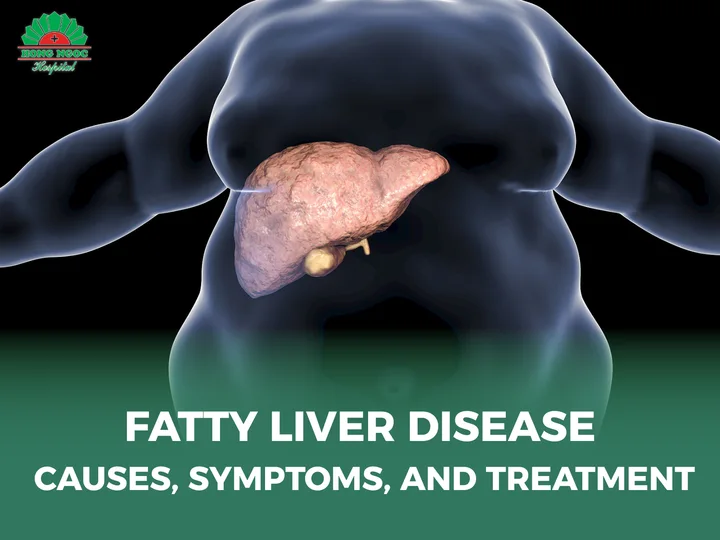





Patients with secondary liver cancer often have a poor prognosis due to the presence of multiple metastatic lesions. However, with early and appropriate intervention, survival can still be prolonged.
What is secondary liver cancer?
Secondary liver cancer, also known as metastatic liver cancer, occurs when cancer cells spread from primary tumors in other organs to the liver and form secondary lesions. In contrast, cancer that originates in the liver is classified as primary liver cancer. The incidence of secondary liver cancer is lower compared to primary liver cancer.

Clinical manifestations of secondary liver cancer
Patients with secondary liver cancer often present with a combination of symptoms arising from both the primary tumor and metastatic lesions in the liver. At the time of diagnosis, many patients are already in a compromised clinical state, with notable symptoms including:
- Right upper quadrant abdominal pain
- General malaise and discomfort
- Gastrointestinal disturbances
- Anorexia leading to rapid weight loss
- Abdominal distension
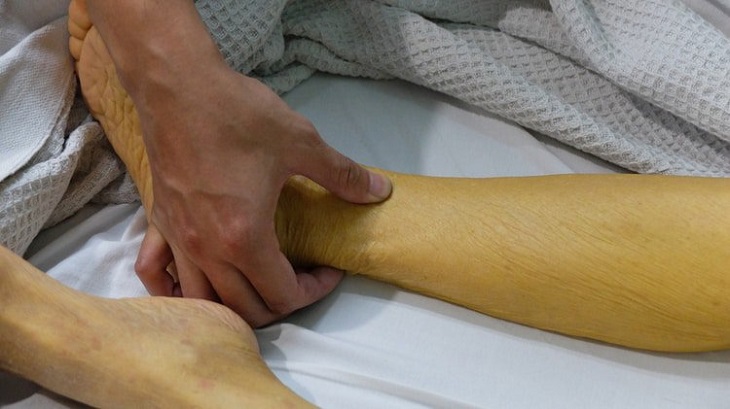
- Jaundice (yellowing of the skin and sclera)
- Dark-colored urine
- Skin rash and pruritus
In addition, symptoms may vary depending on the site of the primary tumor, such as:
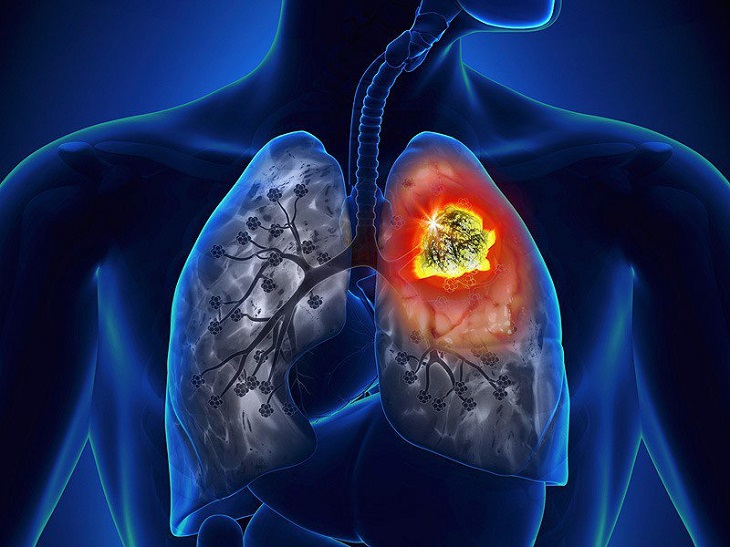
- Dyspnea or respiratory insufficiency in cases of primary lung tumors
- Gastrointestinal bleeding or epigastric pain in cases of gastric malignancies
The coexistence of primary and metastatic tumor-related symptoms often leads to significant physical decline and fatigue. Therefore, any abnormal or persistent symptoms should prompt early medical evaluation for timely diagnosis and management.
Regular health check-ups, ideally every 6 to 12 months, are strongly recommended to facilitate early detection and improve treatment outcomes.
Causes of secondary liver cancer
Secondary liver cancer develops as a result of metastatic spread from primary malignancies in other organs to the liver. Cancer cells originating elsewhere in the body invade hepatic tissue, leading to the formation of secondary tumors.
Delayed detection and lack of timely treatment may contribute to disease progression. Common primary cancers that metastasize to the liver include lung cancer, colorectal cancer, and breast cancer.
Prognosis of secondary liver cancer
Secondary liver cancer typically indicates advanced-stage disease. Patients often experience significant deterioration in overall health due to the combined impact of both primary and metastatic tumors. At this stage, tumors are usually large and have spread extensively, resulting in a poor prognosis and limited life expectancy, with hepatic function severely compromised.
Treatment options are mainly palliative, focusing on pain relief and prolonging survival. Therefore, patients are encouraged to maintain adequate nutrition, optimize supportive care, and closely follow medical guidance to achieve the best possible outcomes.

Treatment options for secondary liver cancer
Surgical resection
Hepatic tumor resection may help prolong survival in selected patients. If the tumor burden is limited, partial hepatectomy can be performed, allowing the remaining healthy liver tissue to maintain detoxification functions and regenerate over time. Postoperative care is essential to support liver recovery and restore normal function.
Chemotherapy
In cases where surgical resection is not feasible, chemotherapy may be considered. This approach aims to destroy cancer cells and limit further invasion or metastasis. However, chemotherapy may also affect normal cells and is associated with potential adverse effects.

Radiotherapy
Radiotherapy is a commonly used modality in cancer treatment. High-energy radiation is applied to destroy large tumor masses. This approach helps control tumor progression, limit metastasis, alleviate symptoms, reduce pain, and may contribute to prolonged survival.
Immunotherapy
Immunotherapy is an emerging treatment modality in oncology. It works by enhancing the patient’s immune system to better recognize and eliminate cancer cells. This is achieved through targeted biological agents, such as proteins, that stimulate immune responses against malignant cells. In addition, immunotherapy may help reduce symptoms associated with both primary and metastatic tumors.

Biological therapy
Biological therapy utilizes the body’s own immune system to target and destroy cancer cells. This approach can slow tumor growth, inhibit cancer spread, and is generally associated with fewer toxic side effects compared to conventional treatments.
Biological therapy may act through two main mechanisms: stimulating immune cells via injected agents to attack cancer cells, or enhancing the visibility of cancer cells so they can be more easily recognized and eliminated by the immune system.
Palliative care
Palliative care aims to improve patients’ quality of life by alleviating symptoms, pain, and psychological distress associated with advanced cancer. This care is provided through a multidisciplinary approach involving physicians, nurses, and other healthcare professionals alongside primary treatment.
For patients with poor prognosis, palliative interventions play a crucial role in enhancing comfort, maintaining psychological well-being, and supporting patients in actively engaging with their treatment plan.

Treatment of secondary liver cancer at Hong Ngoc General Hospital
Currently, there is no curative treatment for secondary liver cancer. Existing therapeutic approaches are primarily palliative, aiming to relieve symptoms, control tumor progression, and prolong patient survival.
The Gastroenterology and Hepatology Center at Hong Ngoc General Hospital is a trusted medical facility equipped with advanced technology and a highly specialized medical team for the screening and management of liver diseases.
- Highly experienced hepatology specialists with strong expertise in managing liver diseases such as hepatitis, cirrhosis, and liver cancer, including: Dr. Dang Thi Kim Oanh, MD, PhD, Specialist Level II – a leading hepatobiliary expert with over 40 years of experience at Bach Mai Hospital; MSc. Le Thi Van Anh, MD – with more than 30 years of experience at the Gastroenterology and Hepatology Center, Bach Mai Hospital; along with physicians extensively trained in Japan and South Korea. Patients receive comprehensive evaluation and individualized treatment plans to optimize clinical outcomes.
- Advanced medical equipment supporting accurate diagnosis and effective treatment, including the LOGIQ Fortis high-end ultrasound system with elastography (GE Healthcare, USA), Revolution EVO CT scanner, Signa Prime MRI system with AI integration (first in Vietnam), and Abbott laboratory system (USA).
- Comprehensive treatment approaches, ranging from medical management to interventional procedures such as transarterial chemoembolization (TACE) and surgical intervention, tailored to each patient’s condition.
- Comprehensive screening packages for general health and hepatobiliary diseases, enabling early detection even in asymptomatic stages.
- Streamlined insurance procedures, ensuring fast, convenient processes that save time and optimize costs for patients.
- Dedicated and professional healthcare staff, providing continuous support throughout the treatment journey.
- Modern, clean, and comfortable hospital environment, with five-star standard services to enhance patient experience during examination and treatment.
To schedule a consultation and treatment for liver conditions with leading hepatobiliary specialists, please contact the hotline 0911 908 856 or register here.
Note: The information provided in this article by Hong Ngoc General Hospital is for reference purposes only and does not replace professional medical diagnosis or treatment. Patients should not self-medicate. For an accurate diagnosis and appropriate treatment plan, individuals are advised to visit a medical facility for direct consultation, clinical evaluation, and prescription by a qualified physician.