



Cardiovascular diseases can lead to numerous serious complications, potentially posing a life-threatening risk. Therefore, understanding the seven most common high-risk cardiovascular conditions outlined below plays a crucial role in improving awareness, enabling early prevention, and ensuring timely intervention.
Top 7 common cardiovascular diseases
The following are the seven most commonly encountered cardiovascular conditions:
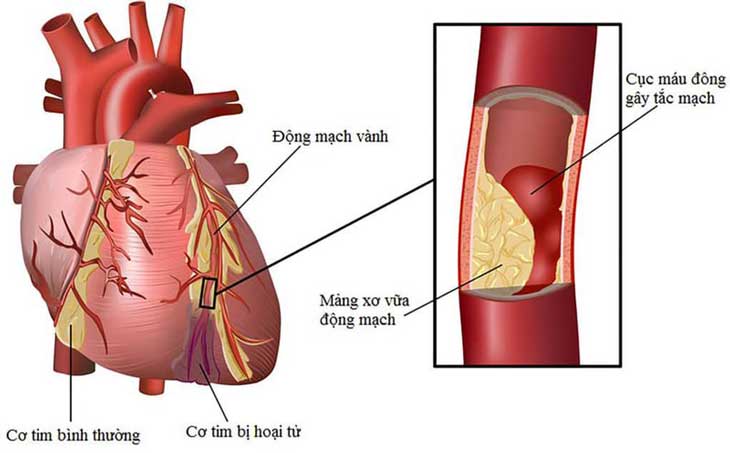
Coronary artery disease
Early manifestations of coronary artery disease are often nonspecific, including chest heaviness or left-sided angina. These symptoms typically occur during emotional stress or physical exertion and may be accompanied by hypertension, dizziness, headache, and dyspnea. Over time, both the frequency and intensity of anginal episodes may increase, potentially progressing to acute myocardial infarction if not promptly managed.
Coronary artery disease can be effectively prevented through a healthy lifestyle, including a balanced diet low in saturated fats, sugars, and sodium; smoking cessation; regular physical activity; and stress management.
Individuals with high-risk factors such as a family history of myocardial infarction, hypertension, atherosclerosis, obesity, or diabetes mellitus should undergo routine medical check-ups and receive appropriate management of underlying conditions to reduce the risk of acute myocardial infarction.
Cerebrovascular disease (stroke)
The most common forms of cerebrovascular disease include ischemic stroke, cerebral vasospasm, intracerebral hemorrhage, and transient ischemic attack (TIA). In severe cases, massive hemorrhage may lead to ventricular flooding, resulting in death within 1-2 hours.
Typical warning signs of stroke include sudden severe headache, dizziness, limb weakness, paralysis, and loss of consciousness progressing to coma. The prognosis depends on the specific subtype and severity. In critical cases, patients may develop deep coma, with mortality rates exceeding 50%.
Effective prevention primarily involves early detection and optimal management of hypertension and atherosclerosis. Particular attention should be given to high-risk individuals, including those over 50 years of age, smokers, individuals with obesity, and patients with diabetes mellitus.
Congenital heart disease
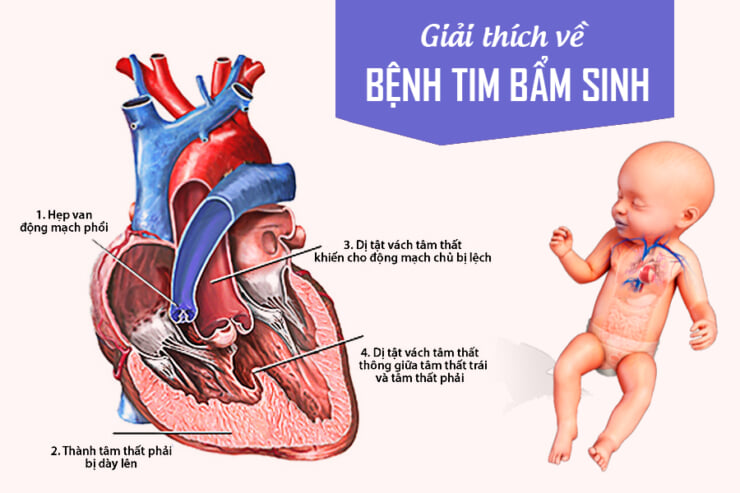
Congenital heart defects are among the most common cardiovascular conditions in Vietnam, affecting approximately 1-2% of live births. These conditions range from mild anomalies, such as patent ductus arteriosus, to severe and complex defects, including transposition of the great arteries.
Clinical manifestations may include dyspnea, persistent wheezing, tachypnea, and chest retractions during inspiration. Affected children are also prone to recurrent pneumonia, cyanosis of the lips and extremities, generalized cyanosis, severe malnutrition, and delayed physical development.
Prevention largely depends on parental health status. Prospective parents should maintain good overall health and avoid advanced maternal age at conception. During pregnancy particularly in the first trimester mothers should avoid exposure to toxic chemicals, ionizing radiation (e.g., X-rays), and viral infections, especially rubella.
Myocarditis
Myocarditis is a serious cardiovascular condition that may lead to sudden cardiac death and can occur even in previously healthy individuals without prior heart disease. Viral infections particularly Coxsackie virus are the most common cause, typically invading the myocardium when the body is weakened. In addition, myocarditis may result from exposure to toxic chemicals or endocrine disorders such as hyperthyroidism. If not promptly treated, the condition can progress to heart failure and may be fatal.
Reader may also be interested in:
- 11 Warning signs of heart disease that require immediate medical attention
- Cardiomyopathy: Early detection and timely management to prevent serious complications
- Cardiovascular disease: causes, symptoms and prevention
Preventive measures include maintaining overall health, seeking early cardiovascular evaluation when experiencing unexplained fatigue, avoiding excessive physical exertion, and minimizing exposure to toxic substances. Patients with hyperthyroidism should receive appropriate and timely treatment to reduce the risk of myocardial involvement.
Peripheral arterial disease
Peripheral arteries consist of a network of medium- and small-sized vessels responsible for delivering blood from the heart to various parts of the body, particularly the extremities. Structurally, arteries are composed of three layers: the outer layer (adventitia), the middle layer (media), and the inner layer (intima).
Peripheral arterial occlusive disease can be classified into two main types:
- Buerger’s disease (thromboangiitis obliterans): This condition involves inflammation of all three layers of the arterial wall and is most commonly observed in young patients under 40 years of age with heavy tobacco use. The disease is chronic and progressive, with up to 95% of patients eventually requiring limb amputation most commonly of the lower extremities within five years of onset.
- Atherosclerotic peripheral arterial disease: This form occurs in individuals with hypertension and lipid metabolism disorders. Atherosclerotic plaque formation damages the intimal layer, leading to arterial narrowing and reduced blood flow, ultimately resulting in peripheral ischemia.
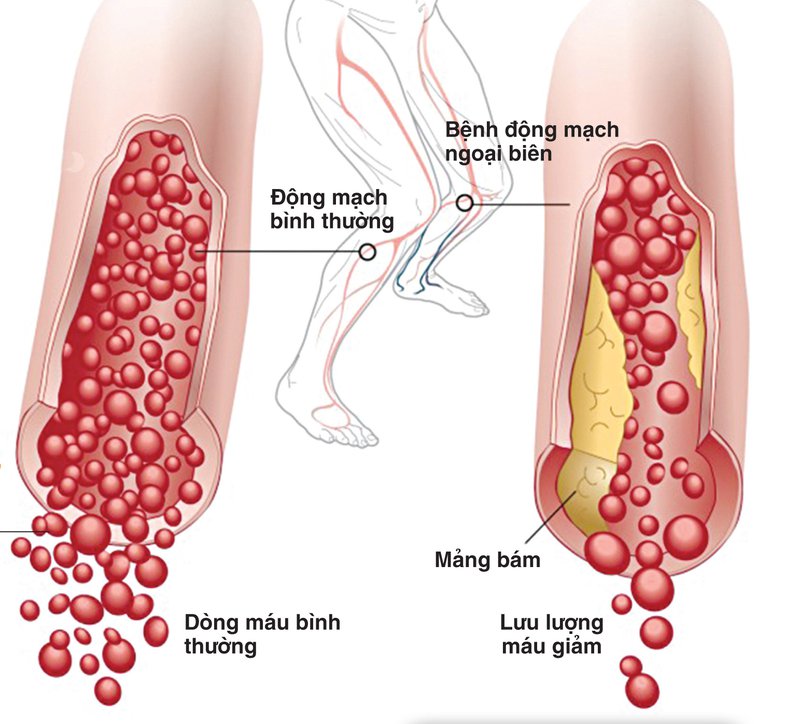
Early-stage symptoms are often nonspecific, typically presenting as intermittent claudication. Patients may experience sharp pain in the calf while walking, which requires rest for approximately 5–10 minutes before they can resume ambulation. Over time, the pain progressively worsens, may occur even at rest, and can be accompanied by ulceration and tissue necrosis of the affected limb.
Preventive strategies include smoking cessation and optimal management of atherosclerosis, dyslipidemia, diabetes mellitus, and obesity, if present.
Rheumatic valvular heart disease
Rheumatic valvular heart disease develops as a consequence of infection with beta-hemolytic Streptococcus. In response to the infection, the immune system produces antibodies; however, due to molecular mimicry, these antibodies may cross-react with host tissues, particularly the joints and cardiac valves. This immune-mediated reaction leads to inflammation of the joints and structural damage to the heart valves, resulting in valvular stenosis or regurgitation. Over time, these changes may progress to heart failure, hepatic congestion, and impaired liver function.
The condition is more commonly observed in young women and often follows an episode of febrile pharyngitis. Clinical manifestations may include fatigue and dyspnea. If not appropriately treated, the disease can progress to severe heart failure and death.
Treatment options include percutaneous balloon valvuloplasty or open-heart surgery with cardiopulmonary bypass, depending on the severity and type of valvular involvement.
Preventive measures focus on improving living conditions, avoiding extreme environmental temperatures, maintaining good hygiene in living and working environments, strengthening immune function, and ensuring prompt and adequate treatment of upper respiratory tract infections, particularly streptococcal pharyngitis.
Aortic aneurysm and aortic dissection
Aortic dissection, particularly involving the thoracic aorta, is a severe and life-threatening complication of aortic aneurysm. Patients may present with sudden, severe chest pain that can lead to syncope or even sudden death at the early stage of the disease.
The underlying cause is commonly atherosclerosis, which weakens the arterial wall, leading to dilation of the thoracic aortic arch or the infrarenal segment of the abdominal aorta. This process may result in thrombus formation causing luminal obstruction, or intimal tearing that creates a false lumen (dissection). In more severe cases, rupture of the aneurysm may occur, resulting in fatal hemorrhage.
Aortic dissection or ruptured aortic aneurysm carries an extremely high mortality rate, reaching up to 95% without prompt emergency intervention. Surgical management, such as aortic arch replacement, is a highly complex procedure requiring cardiopulmonary bypass, with a reported success rate of approximately 40–50%.
Cardiovascular screening at Hong Ngoc General Hospital
When experiencing suspected symptoms of cardiovascular disease, patients are advised to seek evaluation at reputable healthcare facilities with experienced medical professionals for accurate diagnosis and appropriate management. Even in the absence of overt symptoms, regular health check-ups are strongly recommended to facilitate early detection and timely intervention.

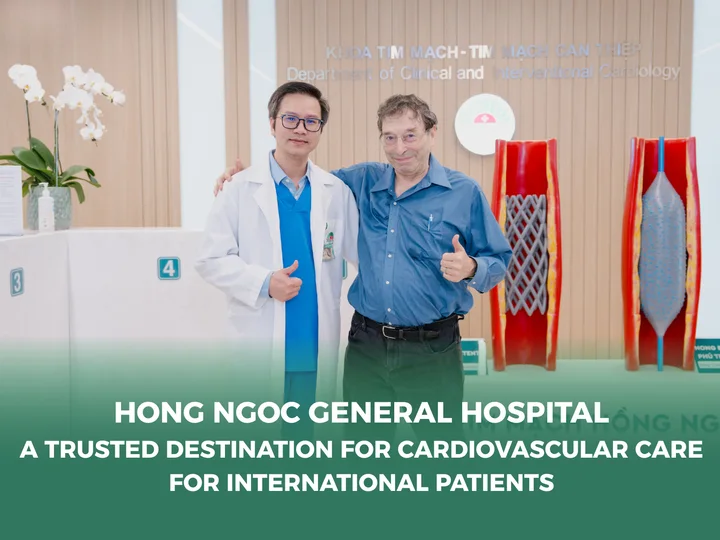
The cardiology department at Hong Ngoc General Hospital is a reputable and high-quality destination for the diagnosis and management of cardiovascular diseases, widely recognized and trusted by patients for its excellence in medical services. Patients receive comprehensive evaluation and treatment through premium healthcare services with several outstanding advantages:
- The department is staffed by a team of highly qualified and experienced cardiologists specializing in the diagnosis and treatment of cardiovascular diseases, including:
- Dr. Vu Thin – over 20 years of clinical experience at the Vietnam National Heart Institute (Bach Mai Hospital) and Hong Ngoc General Hospital
- Dr. Le Thi Thanh Hang – over 20 years of experience at Huu Nghi Hospital
- Dr. Cao Manh Hung (Resident Physician) – extensive experience at the Vietnam National Heart Institute (Bach Mai Hospital), Hanoi Medical University Hospital, and Thanh Hoa Provincial General Hospital
- Dr. Nguyen Thi Lan Anh – many years of clinical practice at Thanh Nhan Hospital
- Continuous investment in state-of-the-art medical equipment to support accurate diagnosis and effective treatment, including:
- Voluson E8 ultrasound system with vascular color Doppler imaging
- Revolution EVO CT scanner and Signa Creator 1.5 Tesla MRI system (GE Healthcare, USA) providing high-resolution imaging
- 24-hour Holter electrocardiography (ECG) monitoring system
- Abbott diagnostic laboratory system (USA)
- Digital subtraction angiography (DSA) system for precise diagnosis and timely interventional management of cardiovascular and cerebrovascular diseases
- Digital X-ray imaging system
- A dedicated cardiology outpatient clinic with a spacious, well-ventilated environment and minimal waiting time
- Compassionate and attentive healthcare staff, ensuring patient-centered care
- A modern, spacious hospital setting designed to provide maximum comfort for patients
- Complimentary buffet services alongside a wide range of amenities, including free Wi-Fi, on-site cafés, and restaurants within the hospital परिसर
To receive consultation and undergo cardiovascular evaluation at Hong Ngoc General Hospital, please register here:
Note: The information provided in this article by Hong Ngoc General Hospital is for reference purposes only and does not replace professional medical diagnosis or treatment. Patients should not self-medicate. For an accurate assessment of their medical condition, individuals are advised to visit a healthcare facility for direct examination, diagnosis, and appropriate treatment planning by qualified physicians.
Follow the official fanpage of Hong Ngoc General Hospital HERE to access more useful health information and updates on exclusive healthcare programs and offers.