



However, parents should not be complacent if a child has a persistent high fever, becomes lethargic, is difficult to wake, breathes rapidly, has difficulty breathing, develops seizures, vomits repeatedly, has an unusual rash, or shows signs of dehydration. These may indicate that the illness is becoming more severe and that the child should be evaluated by a physician promptly.
Quick answer: Children with fever during the summer should be taken for medical evaluation early if they have a persistent high fever, fever that does not respond to fever-reducing medication, lethargy, difficulty breathing, chest indrawing, seizures, persistent vomiting, refusal to breastfeed, reduced urination, dry lips, sunken eyes, or an unusual rash. In particular, infants under 3 months of age with a temperature of 38°C or higher should be taken to see a doctor immediately, even if there are no obvious severe warning signs.
Medical review: Pediatric Department physicians, Hong Ngoc General Hospital.
Updated: May 20, 2026.
Quick summary of the article
- Fever in children during the summer is commonly associated with viral fever, hand, foot and mouth disease, respiratory tract infections, gastroenteritis, dehydration, or heat-related illness. Each cause may present with different accompanying symptoms; therefore, parents should not focus solely on the temperature reading while overlooking the child’s overall condition.
- Infants under 3 months of age with a temperature of 38°C or higher should be taken to see a doctor immediately. In this age group, the immune system is still immature, and fever may be a sign of a serious infection even when symptoms are not yet obvious.
- Warning signs include lethargy, difficulty waking, difficulty breathing, seizures, repeated vomiting, an unusual rash, or dehydration. These signs may indicate that the child’s body is being affected systemically, including the respiratory, neurological, or circulatory systems.
- Children with fever are more prone to dehydration than adults. When febrile, children may sweat, breathe faster, eat or drink poorly, and may also experience vomiting or diarrhea. Signs such as dry lips, reduced urination, sunken eyes, crying with few or no tears, or poor feeding should be closely monitored.
- Febrile seizures commonly occur in children aged 6 months to 5 years when body temperature rises rapidly. Although most febrile seizures are brief and benign, the child should still be evaluated by a physician, especially if this is the first seizure episode or if the seizure is prolonged.
- Parents should care for a febrile child by ensuring adequate fluid intake or breastfeeding, dressing the child in breathable clothing, monitoring body temperature, and using fever-reducing medication as directed. They should not use antibiotics without medical advice, apply ice packs, wrap the child tightly, or combine fever-reducing medications arbitrarily.
Why are children more prone to fever during the summer?
Summer is a time when children are more susceptible to infections and thermoregulatory disturbances due to hot and humid weather, increased outdoor activities, excessive sweating, and a higher risk of dehydration. In addition, children often move back and forth between hot outdoor environments and air-conditioned rooms, forcing the body to adapt to rapid temperature changes.
Several factors may make children more likely to develop fever during the summer, including:
- Hot and humid weather creates favorable conditions for viruses and bacteria to grow: A hot, humid environment can facilitate the spread of many pathogens, particularly in schools, playgrounds, or crowded settings with many young children.
- Children spend more time outdoors: Running, playing sports, traveling, or participating in summer activities can cause children to sweat more. Without timely fluid replacement, children may become fatigued, dehydrated, and develop fever related to infection or overheating.
- Children are more prone to dehydration than adults: Young children have a higher proportion of body water, but their ability to recognize thirst, drink fluids independently, and regulate body temperature is not yet fully developed. When fever, diarrhea, or vomiting occurs, dehydration can progress rapidly.
- Frequent temperature changes between outdoor heat and air-conditioned rooms: Sudden shifts between hot and cold environments may irritate the nasal and throat mucosa, making children more susceptible to cough, nasal congestion, sore throat, or recurrence of respiratory conditions.
- Children’s immune systems are still developing: Young children, especially those under 5 years of age, are generally more susceptible to infectious diseases than adults. When infected with viruses or bacteria, fever is a common bodily response.

Common causes of summer fever in children include:
Viral fever: Children may develop a sudden high fever, fatigue, sore throat, runny nose, or mild cough. Most cases improve after a few days with appropriate care.
Hand, foot and mouth disease: Children may have fever, mouth ulcers, poor appetite, drooling, and blisters on the palms, soles, or buttocks. Some cases may involve neurological warning signs and require early medical evaluation.
Pharyngitis, tonsillitis, and respiratory tract infections: Children may develop fever accompanied by cough, sore throat, nasal congestion, wheezing, or fatigue. If rapid breathing, chest indrawing, or bluish lips occur, the child should be taken for medical evaluation immediately.
Gastroenteritis: Children may have fever along with vomiting, diarrhea, abdominal pain, or poor oral intake. This condition can easily lead to dehydration, especially in young children.
Fever related to dehydration, heat exhaustion, or heatstroke: Children who play outdoors for too long may develop elevated body temperature, extreme fatigue, headache, vomiting, or drowsiness. This group requires close monitoring, as the condition can progress quickly.
When is fever in children dangerous during the summer?
Not every episode of fever in children is dangerous. Many children with viral fever may remain alert, engage in light play, drink fluids, breastfeed or eat, and respond well to fever-reducing medication. However, parents should assess the child’s overall condition rather than focusing only on the temperature reading.
Children with fever during the summer should be taken for medical evaluation early if any of the following signs are present.
Infants under 3 months of age with a temperature of 38°C or higher
Infants under 3 months of age with a temperature of 38°C or higher should be evaluated by a physician promptly, even if they do not yet show obvious severe symptoms. At this age, the immune system is not yet fully developed, and fever may be a sign of a serious infection.
Parents should pay close attention if the infant has:
- Poor feeding or refusal to breastfeed: Young infants often do not show illness as clearly as older children. Poor feeding may indicate fatigue, dehydration, or a systemic infection.
- Unusually prolonged sleep: Newborns may sleep for long periods, but if the infant is difficult to wake, feeds poorly, or is less responsive than usual, medical evaluation is needed.
- Pale skin, mottled skin, or cold hands and feet: These may be signs of unstable circulation or severe infection.
- Rapid breathing, chest indrawing, or bluish lips: Any sign of breathing difficulty in a young infant requires prompt medical assessment.
For infants under 3 months of age, parents should not monitor a prolonged fever at home or give medication without professional medical guidance.
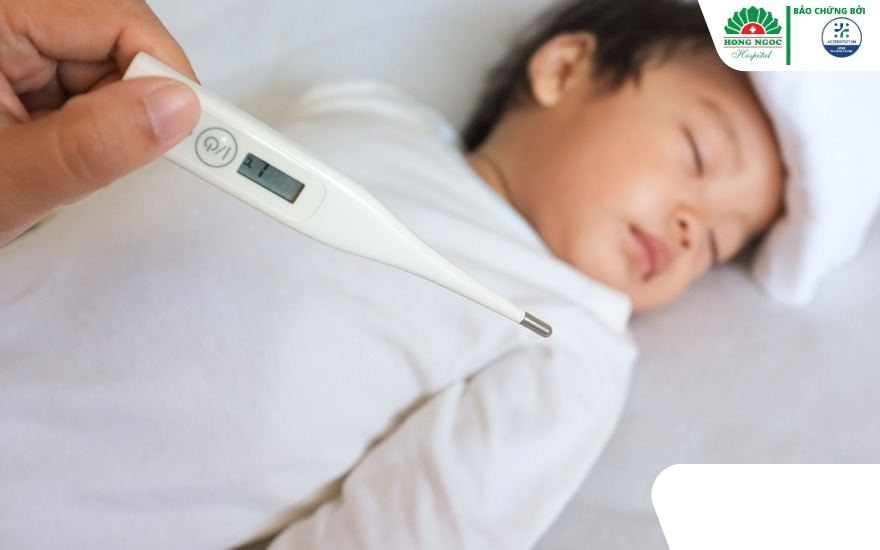
High fever above 39°C or persistent fever
Fever is the body’s response to help fight disease-causing agents. However, if the fever is very high, continuous, or lasts for several days, the child may become dehydrated, extremely fatigued, and at higher risk of complications.
Parents should pay attention if the child has:
- Persistent fever that is difficult to reduce: This may indicate that the body is mounting a strong response to infection or dehydration. If fever remains high despite appropriate use of fever-reducing medication and proper tepid sponging, the child should be taken for medical evaluation.
- Fever that recurs multiple times a day: This may suggest that inflammation or infection has not yet been controlled. Parents should record the timing of fever episodes, temperature readings, and the child’s response to medication to provide useful information to the physician.
- Fever lasting more than 2-3 days: If the child has had fever for several days, a physician should evaluate the underlying cause rather than parents continuing fever management at home only. Certain conditions, such as hand, foot and mouth disease, dengue fever, pneumonia, otitis media, or bacterial infections, may require specific monitoring and treatment.
- Fever accompanied by marked fatigue, poor appetite, vomiting, or diarrhea: When fever is associated with dehydration or gastrointestinal disturbances, children may become exhausted more quickly, especially young children.
In children, the level of danger is determined not only by the temperature reading but also by the child’s overall condition. A child with a fever of 38.5°C who is lethargic, has difficulty breathing, or shows signs of dehydration may be more concerning than a child with a fever of 39°C who remains alert, is able to drink fluids, and can engage in light play.
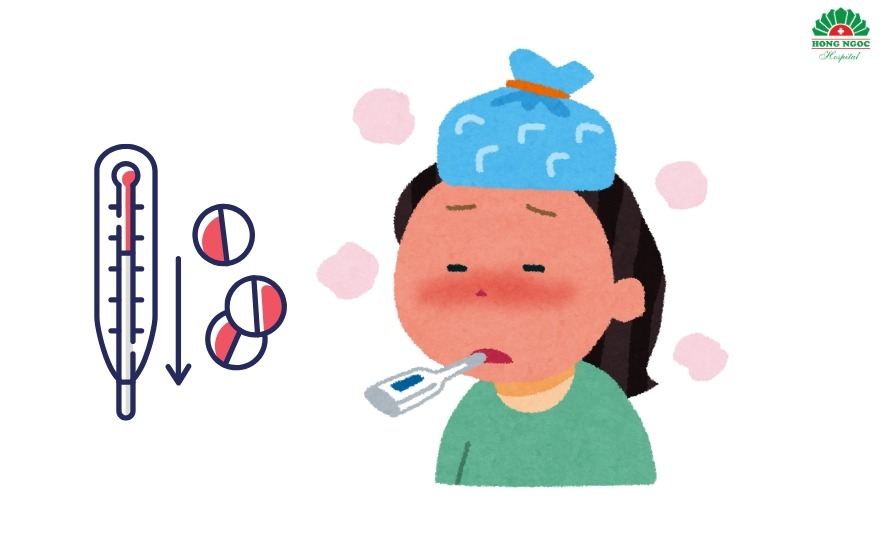
Lethargy, difficulty waking, or delayed responses
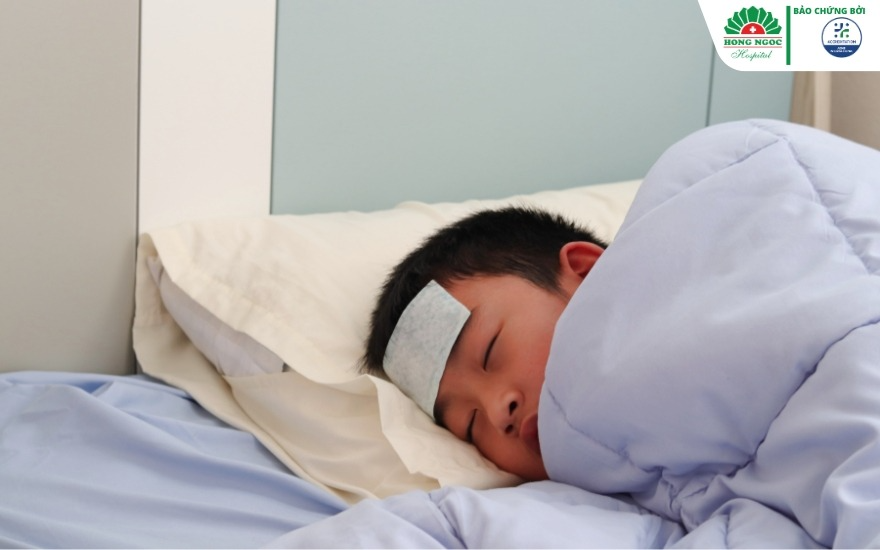
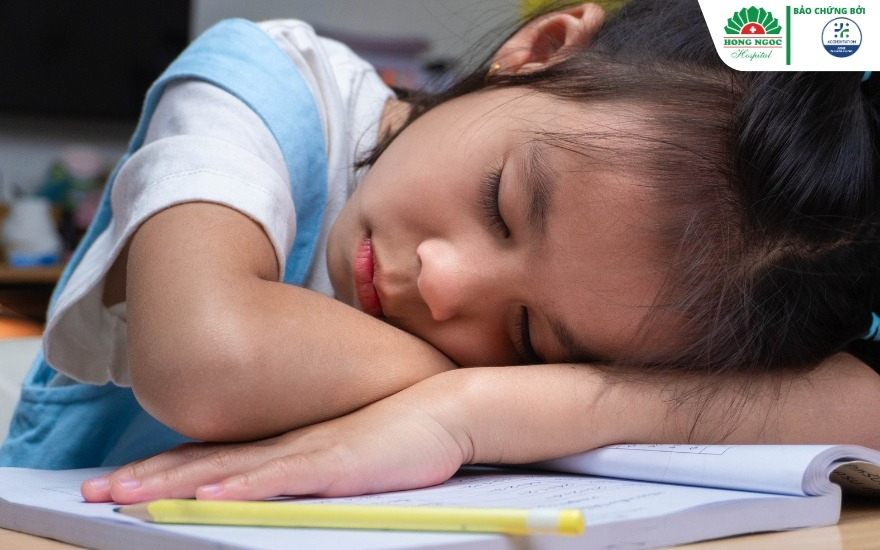
Lethargy is an important warning sign that a child’s overall condition may be deteriorating. When a child has a fever, it is common for them to feel more tired than usual. However, if the child becomes somnolent, is difficult to wake, interacts less, or remains less alert even after the fever has been reduced, parents should seek medical evaluation promptly.
Warning signs to watch for include:
- Unusually prolonged sleep: A child may sleep more when febrile, but if the child is excessively drowsy, difficult to rouse, or wakes briefly and then becomes limp or markedly fatigued again, this should no longer be considered ordinary tiredness.
- Difficulty waking: If parents call the child, gently pat or shake them, but the child responds slowly, has glazed eyes, does not recognize family members, or does not respond as usual, the child should be taken to a medical facility.
- Reduced interaction, play, or visual tracking: Young children often cannot clearly describe discomfort. A child who no longer shows interest in toys, does not look toward parents, or does not respond to familiar sounds may be showing signs of worsening general condition.
- Marked refusal to breastfeed or eat: When a child is too tired to breastfeed, eat, or drink, the risk of dehydration, hypoglycemia, and disease progression increases.
Lethargy may be associated with severe dehydration, severe infection, prolonged high fever, electrolyte imbalance, or neurological involvement. This is a warning sign, and parents should not wait for the child to “sleep it off.”
Difficulty breathing, rapid breathing, or labored breathing
When a child has a fever, breathing may become faster because the body’s oxygen demand increases and metabolism is elevated. However, if the child has persistent rapid breathing, chest indrawing, nasal flaring, or bluish lips, this may be a sign of respiratory distress.
Parents should watch for the following signs:
- Chest indrawing: When the child inhales, the area around the neck hollow, ribs, or lower chest is pulled inward. This indicates that the child is working harder to breathe.
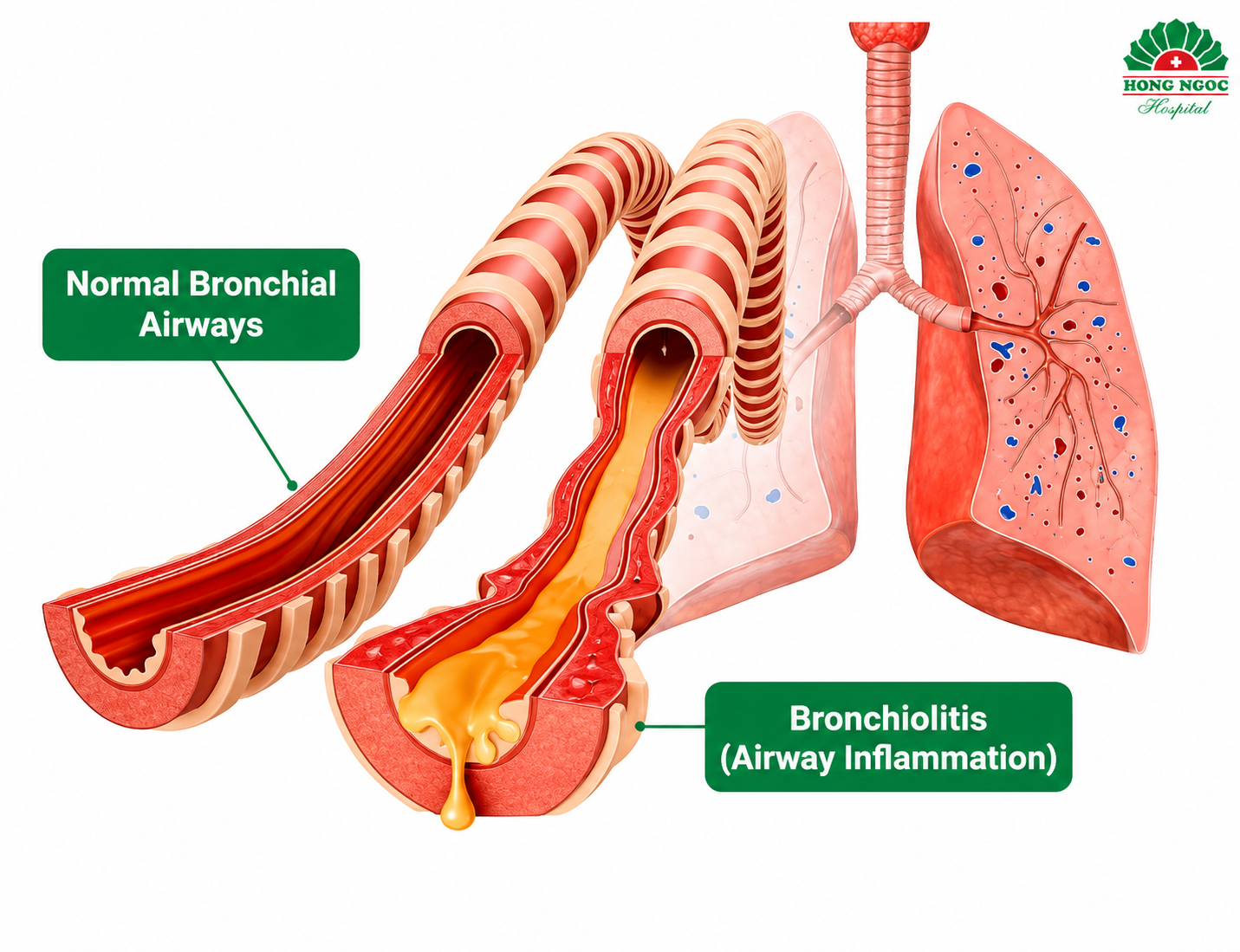
- Persistent rapid breathing: An increased respiratory rate may occur with fever, but if the child continues to breathe rapidly even after the fever has been reduced, while resting, or when not crying, pneumonia, bronchiolitis, or a lower respiratory tract infection should be considered.
- Nasal flaring: This is a sign that the child is trying to take in more air and is often seen when breathing difficulty becomes more apparent.
- Bluish lips or fingertips: This may indicate oxygen deprivation and requires immediate emergency care. Parents should not wait for the condition to improve on its own at home.
- Inability to breastfeed or drink because of labored breathing: If the child has to stop breastfeeding or drinking, or cannot speak or cry normally because of difficulty breathing, the child should be taken for medical evaluation immediately.
Difficulty breathing in a febrile child is a warning sign because it may be associated with pneumonia, bronchiolitis, asthma, severe infection, or heatstroke. Parents should not focus only on reducing the fever while overlooking the child’s breathing pattern.
Febrile seizures
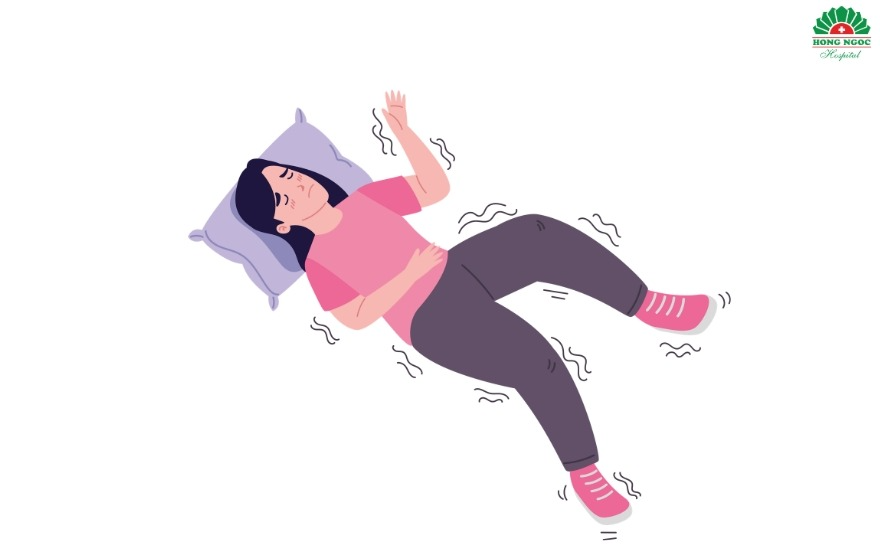
Febrile seizures commonly occur in children aged approximately 6 months to 5 years, especially when body temperature rises rapidly. During a seizure, the child may have jerking movements of the arms and legs, upward eye deviation, brief loss of consciousness, transient bluish discoloration, or no response for several minutes.
Although most febrile seizures are brief and benign, the child should still be evaluated by a physician after the seizure, particularly if this is the first episode. This helps rule out more serious causes, such as meningitis, encephalitis, neurological disorders, or severe infection.
Parents should pay attention to the following signs:
- Jerking movements of the arms and legs: A seizure often occurs suddenly and may involve the whole body or only part of the body. If the seizure affects only one side or lasts for a prolonged period, medical evaluation or emergency care is required.
- Upward eye deviation or brief loss of consciousness: The child may not respond when called during the seizure. After the episode, the child is often tired and sleepy; however, if the child does not regain consciousness or remains drowsy for a prolonged period, emergency care is needed.
- Transient bluish discoloration: This may occur during a seizure due to temporary reduced ventilation. If the bluish discoloration persists, the child has difficulty breathing, or recovery is not rapid, emergency care is required.
- A seizure lasting more than 5 minutes: This is a warning sign that requires calling emergency medical services or taking the child to hospital immediately.
- Repeated seizures during the same febrile illness: This condition requires more thorough medical evaluation because it is no longer considered a simple febrile seizure.
When a child has a seizure, parents should place the child in a safe side-lying position, loosen tight clothing, avoid putting anything into the child’s mouth, avoid restraining the child’s arms or legs, and monitor the duration of the seizure. After the seizure, the child should be taken for medical evaluation to identify the cause of the fever and assess future risk.
Signs of dehydration in children
Children with fever are prone to dehydration due to sweating, rapid breathing, poor oral intake, vomiting, or diarrhea. Young children become dehydrated more quickly than adults, while their ability to express thirst or drink fluids independently remains limited.
Signs of dehydration that parents should monitor include:
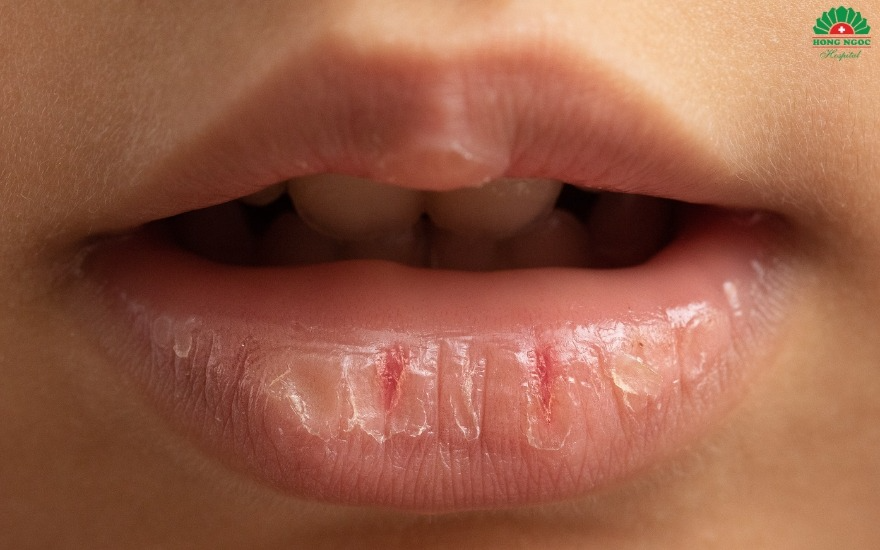
- Dry lips or dry mouth: This is often an early sign that the body’s fluid level is beginning to decline. Parents may notice that the child’s lips or tongue are dry, or that the child has less saliva than usual.
- Reduced urination or dark-colored urine: If the child has not urinated for several hours, has fewer wet diapers than usual, or has dark yellow urine, the body may be trying to conserve water due to fluid depletion.
- Sunken eyes or crying with few tears: These are more apparent signs of dehydration and are commonly seen when a child has a high fever, vomiting, diarrhea, or prolonged poor oral intake.
- Poor breastfeeding or poor fluid intake: When a child does not drink enough, fluid lost through fever is not adequately replaced. Young children who refuse to breastfeed or feed weakly should be closely monitored.
- Extreme fatigue or lethargy: With significant fluid loss, circulation and energy levels decline, and the child may play less, interact less, lie down appearing exhausted, or become difficult to wake.
- Dry skin and cold hands and feet: These may indicate impaired peripheral circulation, particularly if accompanied by reduced urination, drowsiness, or a rapid heartbeat.
Dehydration in febrile children should not be underestimated. If a child is unable to drink, vomits repeatedly, urinates very little, has sunken eyes, becomes lethargic, or refuses to breastfeed, parents should take the child for medical evaluation early so that dehydration can be assessed and fluid replacement provided appropriately.
Fever accompanied by an unusual rash
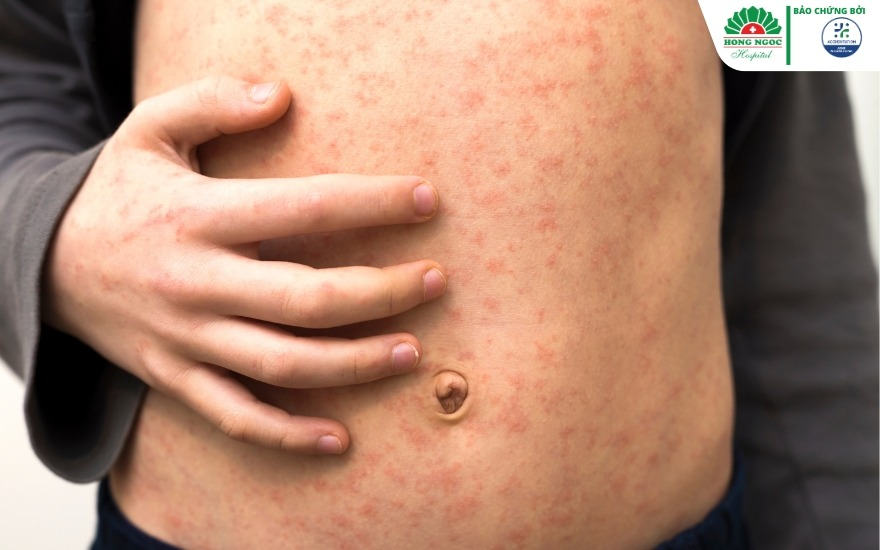
Some summer-related illnesses, such as hand, foot and mouth disease, viral fever, dengue fever, allergies, or infections, may cause fever accompanied by a rash. Not every rash is dangerous, but certain types of rash should be evaluated by a physician promptly.
Parents should pay attention if the child has:
- Purple spots, red dots, or petechiae: If the rash does not blanch when pressed, this may be a warning sign of an infectious disease or a coagulation disorder that requires early medical evaluation.
- Rash accompanied by high fever and lethargy: When a rash is associated with a poor overall condition, the child should be assessed by a physician rather than being monitored at home based only on skin symptoms.
- Rash accompanied by neck stiffness, sensitivity to light, or a severe headache: These are neurological warning signs that require medical evaluation or emergency care to rule out serious illness.
- Cold hands and feet, abdominal pain, or repeated vomiting: These signs may indicate that circulation or the digestive system is being affected, particularly in infectious diseases or dengue fever.
- Excessive crying or difficulty being consoled: Young children may not be able to describe headache, abdominal pain, sore throat, or discomfort. Unusual persistent crying may be a sign that the illness is becoming more severe.
Parents should not apply topical medications, use antibiotics without medical advice, or assume that the rash is only a “mild allergy” if the child has a high fever, marked fatigue, or an unusually colored rash.
Table: Warning signs when children have fever during the summer
Signs of dehydration in febrile children
Dehydration is one of the major risks when children develop fever during the summer. During fever, the body increases sweating to reduce body temperature, breathing may become faster, and children often eat and drink less. If vomiting or diarrhea also occurs, fluid loss becomes even greater.
Parents should monitor the following signs:
Dry lips and dry mouth
Dry lips, a dry tongue, or reduced saliva are early signs that the child’s body is becoming fluid-depleted. These signs may be mistaken for dryness caused by hot weather or air-conditioned rooms, but they require closer attention if accompanied by fever, reduced urination, or fatigue.
Reduced urination
A decrease in the number of times the child urinates, fewer wet diapers, or dark-colored urine suggests that the body is conserving water. In young children, parents can monitor the number of wet diapers during the day. If it is clearly lower than usual, the child should be taken for medical evaluation.
Crying with few tears
Crying with few or no tears may be a more apparent sign of dehydration. This sign is particularly concerning if accompanied by dry lips, sunken eyes, poor feeding, or lethargy.
Sunken eyes
Sunken eyes often appear when dehydration is moderate to more severe. If a child has fever, vomiting, diarrhea, and sunken eyes, parents should not rely solely on oral rehydration at home but should take the child for medical evaluation.
Poor breastfeeding, refusal to eat, or extreme fatigue
When dehydrated, children may become tired, interact less, breastfeed weakly, or refuse to eat or drink. This is both a consequence of dehydration and a factor that can worsen fluid loss because the child is not replacing fluids adequately.
Lethargy or difficulty waking
If dehydration progresses to the point that the child becomes lethargic, difficult to wake, or less alert than usual, this is a danger sign. The child should be taken to a medical facility for assessment of circulation and electrolyte status and may require fluid replacement as prescribed.
Are febrile seizures dangerous?
Febrile seizures commonly occur in children aged approximately 6 months to 5 years when body temperature rises rapidly. Most febrile seizures are brief, stop on their own, and do not cause long-term neurological sequelae. However, parents should not be complacent, as seizures may also occur in serious conditions such as encephalitis, meningitis, or severe infection.
When can a febrile seizure be monitored after medical evaluation?
A febrile seizure is generally less concerning if the child is within the typical age range, the seizure is brief, involves the whole body, stops spontaneously within a few minutes, and the child regains consciousness afterward. However, even if the seizure appears benign, the child should still be evaluated by a physician, especially if this is the first seizure episode.
When does a seizure require immediate emergency care?
Parents should call emergency medical services or take the child to hospital immediately if:
- The seizure lasts more than 5 minutes: A prolonged seizure increases the risk of oxygen deprivation and respiratory disturbance and requires medical management.
- Seizures recur multiple times: If the child has multiple seizures during the same febrile illness, a more thorough evaluation is needed to determine the cause.
- The child does not regain consciousness after the seizure: After a seizure, the child may be tired or sleepy, but if the child does not wake up, is difficult to rouse, or remains drowsy for a prolonged period, this is a warning sign.
- The seizure is focal on one side: Seizures affecting only one arm, one leg, or one side of the body require medical evaluation, as they may be associated with another neurological cause.
- The seizure is accompanied by neck stiffness, rash, difficulty breathing, or prolonged bluish discoloration: These are warning signs of serious illness and require emergency care.
What should parents do when a child has a seizure?
When a child has a seizure, parents should stay calm and follow these basic steps:
- Place the child in a safe side-lying position: This position helps reduce the risk of aspiration if the child vomits or has excessive saliva.
- Do not put anything into the child’s mouth: Inserting a spoon, towel, fingers, or any hard object into the mouth may injure the teeth, gums, or airway.
- Do not try to restrain the child’s arms or legs: Holding the child down will not stop the seizure sooner and may cause injury.
- Monitor the duration of the seizure: This is very important information for the physician to assess the level of risk.
- Take the child for medical evaluation after the seizure: A physician needs to identify the cause of the fever and rule out neurological conditions or serious infections.
Common causes of summer fever in children
Viral fever
Viral fever is a common cause of fever in young children during the summer. Children may develop a sudden high fever, fatigue, sore throat, runny nose, mild cough, headache, or body aches.
Most cases of viral fever improve after a few days if the child gets adequate rest, drinks enough fluids, and receives appropriate supportive care. However, parents should take the child for medical evaluation if the fever persists, the child becomes lethargic, has difficulty breathing, vomits repeatedly, develops an unusual rash, or shows signs of dehydration.
Hand, foot and mouth disease
Hand, foot and mouth disease is common in young children and can spread more easily during hot weather. In addition to fever, children may have mouth pain, mouth ulcers, drooling, poor appetite, and blisters on the palms, soles, buttocks, or around the mouth.
Parents should take the child for medical evaluation early if any of the following signs appear:
- High fever that is difficult to reduce: This may indicate that the disease is becoming more severe.
- Unusual startle responses: Frequent startling, especially during sleep or while the child is lying still, is a warning sign in hand, foot and mouth disease.
- Limb tremors or unsteady gait: These may be neurological signs and require early medical assessment.
- Repeated vomiting: Vomiting can rapidly lead to dehydration and may be associated with severe disease.
- Lethargy or abnormal breathing: These are danger signs and the child should be taken to hospital.
- Refusal to eat or drink due to mouth pain: If the child is unable to drink, the risk of dehydration increases quickly.
Viêm đường hô hấp
Respiratory tract infections
Many children frequently move between outdoor heat and air-conditioned rooms, are exposed to viruses, or spend time in crowded environments, making them more susceptible to respiratory tract infections.
Children may develop:
- Pharyngitis: Fever accompanied by sore throat, cough, painful swallowing, or poor appetite. If the fever remains high for a prolonged period, the tonsils appear swollen with pus, or the child is markedly fatigued, medical evaluation is needed.
- Tonsillitis: Children may have high fever, sore throat, bad breath, swollen cervical lymph nodes, or difficulty swallowing. Antibiotics should not be used without a physician’s prescription.
- Bronchitis or pneumonia: Children may have frequent coughing, rapid breathing, wheezing, chest indrawing, or fatigue. These conditions require early medical evaluation, especially if the child has difficulty breathing.
Gastroenteritis
Summer gastroenteritis may cause fever accompanied by vomiting, diarrhea, abdominal pain, or poor oral intake in children. The greatest risks are dehydration and electrolyte imbalance.
Parents should pay close attention if the child has frequent diarrhea, persistent vomiting, bloody stools, high fever, excessive thirst, reduced urination, sunken eyes, or lethargy. These signs indicate that the child should be evaluated and receive appropriate fluid replacement.
Fever related to dehydration, heat exhaustion, or heatstroke
Children who play outdoors for too long in hot weather may experience a rapid rise in body temperature. If the body is unable to dissipate heat effectively, the child may develop heat exhaustion or heatstroke.
Heat-related illness should be considered if the child has:
- Hot, flushed skin: This is a sign that body temperature is rising, especially if the child has recently been playing outdoors or staying in a hot environment.
- Extreme fatigue: The child may no longer want to play, may lie down, feel dizzy, or appear weaker than usual.
- Headache, nausea, or vomiting: These symptoms may occur when the body becomes overheated or dehydrated.
- Reduced sweating or unusually heavy sweating: Both may occur in heat-related illness, depending on the severity and clinical context.
- Drowsiness, incoherent speech, or seizures: These are signs suggestive of heatstroke and require immediate emergency care.
How to care for a child with fever at home
A child with fever may be cared for at home if the child remains alert, is able to drink or breastfeed, has no breathing difficulty, no seizures, no signs of dehydration, and is not under 3 months of age. The goals of care are to keep the child comfortable, ensure adequate fluid intake, monitor for warning signs, and use medication correctly when needed.
Ensure adequate fluid intake or more frequent breastfeeding
When a child has a fever, the body loses fluids more quickly than usual. Appropriate fluid replacement helps reduce the risk of extreme fatigue, dehydration, and electrolyte imbalance.
Parents can:
- Breastfeed more frequently: For infants who are breastfed or formula-fed, milk provides both fluids and energy. If the child feeds poorly, parents should monitor urination frequency and level of alertness.
- Offer small sips of water: Children with fever often do not want to drink large amounts at once. Small, frequent sips are easier to tolerate and may reduce the risk of vomiting.
- Use oral rehydration solution as directed if vomiting or diarrhea occurs: Oral rehydration solution helps replace fluids and electrolytes, but it must be prepared in the correct ratio. Mixing it too concentrated or too diluted can both be harmful.
- Do not force the child to drink too much at once: Forcing rapid fluid intake may worsen vomiting and aggravate dehydration.
Do not overdress or wrap the child too tightly
Many parents worry that the child may feel cold and therefore dress the child in too many layers or cover them with a thick blanket during fever. This can cause body temperature to rise further because the body has more difficulty dissipating heat.
When a child has a fever, parents should:
- Dress the child in light, breathable clothing.
- Keep the room comfortably cool and avoid direct exposure to cold airflow.
- Avoid using thick blankets if the child has a high fever.
- Wipe away sweat and change the child’s clothes if they sweat heavily.
Overwrapping may make the child uncomfortable, increase the risk of dehydration, and make the fever more difficult to reduce.
Monitor temperature and overall condition
Measuring body temperature helps parents determine whether the child is responding to home care or fever-reducing medication. However, temperature is not the only factor that needs to be monitored.
Parents should also observe whether:
- the child remains alert;
- the child is able to drink or breastfeed;
- the child has difficulty breathing;
- the child urinates normally;
- the child develops a rash, vomiting, diarrhea, or seizures.
Even if the fever is not very high, a child who is lethargic, has difficulty breathing, shows signs of dehydration, or refuses to breastfeed should still be taken for medical evaluation.
Use fever-reducing medication correctly when needed
Parents may give fever-reducing medication to children as instructed by a physician or pharmacist. The dose is usually calculated based on the child’s body weight, not age alone.
Important points to note:
- Do not combine multiple fever-reducing medications on your own: Alternating or combining medications arbitrarily may lead to overdose or make it difficult to assess the child’s response.
- Do not give aspirin to children: Aspirin is not recommended for fever reduction in children because it may be associated with serious complications.
- Do not exceed the recommended dose: Overdose of fever-reducing medication may harm the liver, kidneys, or cause other complications.
- Do not use fever-reducing medication to mask warning signs: If the child remains lethargic, has difficulty breathing, develops seizures, shows signs of dehydration, or has persistent fever, medical evaluation is needed even if the temperature temporarily decreases.

Common mistakes parents often make
Using antibiotics without medical guidance
Most cases of summer fever in children are related to viral infections, for which antibiotics are ineffective. Using antibiotics without medical advice may cause side effects, diarrhea, allergic reactions, antibiotic resistance, and may make it more difficult to assess the true course of the illness.
Antibiotics should only be used when a physician suspects or confirms a bacterial infection that requires treatment. Parents should not reuse an old prescription or give a child medication prescribed for another child.
Applying ice or using water that is too cold for sponging
Water that is too cold may cause the child to shiver. When shivering occurs, the body generates more heat, which may make the child more uncomfortable and cause body temperature to rise again.
If needed, parents should use lukewarm water for tepid sponging, focusing on the forehead, armpits, and groin, and wipe gently. Children should not be immersed in cold water, treated with ice packs, or wiped with alcohol.
Focusing only on temperature while overlooking the child’s overall condition
Some children may have a high fever but remain alert, able to drink, and capable of light play. Conversely, some children may not have a very high fever but become lethargic, have difficulty breathing, show signs of dehydration, or refuse to breastfeed. Therefore, parents should assess the child’s overall condition rather than relying only on the number shown on the thermometer.
Signs such as drowsiness, difficulty breathing, seizures, reduced urination, an unusual rash, or persistent vomiting are more important than whether the temperature is 38.5°C or 39°C.
Forcing the child to eat a lot while febrile
When children have a fever, they are often tired and have a reduced appetite. Forcing them to eat too much may trigger vomiting, create fear of eating, or make them more uncomfortable. More importantly, parents should ensure adequate fluid intake or breastfeeding, offer soft and easily digestible foods, and divide meals into smaller portions.
If the child refuses food but can still drink, remains alert, and urinates normally, parents may continue monitoring. If the child refuses to breastfeed, cannot drink, vomits repeatedly, or becomes lethargic, medical evaluation is needed.
Delaying medical evaluation because “summer fever is normal”
Summer fever may be caused by a mild condition, but it can also be a sign of severe hand, foot and mouth disease, dengue fever, pneumonia, meningitis, dehydration, or heatstroke. If warning signs appear, parents should not wait for the child to recover on their own.
When should a child be taken to hospital?
Parents should take the child for medical evaluation or emergency care if any of the following situations occur:
- Infants under 3 months of age with a temperature of 38°C or higher: This age group requires early medical assessment, even if obvious severe signs have not yet appeared.
- Fever above 39°C that persists or fever lasting more than 2-3 days: Persistent fever requires investigation of the underlying cause, especially if the child is tired, eats or drinks poorly, or responds poorly to fever-reducing medication.
- Seizures: The child should be evaluated after a seizure, particularly if it is the first seizure episode, the seizure is prolonged or recurrent, or the child does not regain consciousness afterward.
- Difficulty breathing, rapid breathing, chest indrawing, or bluish lips: These are dangerous respiratory signs and require medical evaluation or emergency care.
- Lethargy, difficulty waking, or delayed responses: These may be associated with severe infection, severe dehydration, or neurological involvement.
- Refusal to breastfeed, marked refusal to eat, or inability to drink: The child is at risk of dehydration, hypoglycemia, and severe fatigue if fluids are not adequately replaced.
- Persistent vomiting or frequent diarrhea: The risk of dehydration and electrolyte imbalance is high, especially in young children.
- Unusual rash: This is especially concerning if the rash is purple, appears as petechiae, does not blanch when pressed, or is accompanied by lethargy, neck stiffness, or cold hands and feet.
- Signs of dehydration: Dry lips, sunken eyes, crying with few tears, reduced urination, lethargy, or cold hands and feet.
- Suspected heatstroke: A child who develops fever after playing outdoors in the sun, with hot skin, extreme fatigue, vomiting, headache, drowsiness, or seizures, requires emergency care.
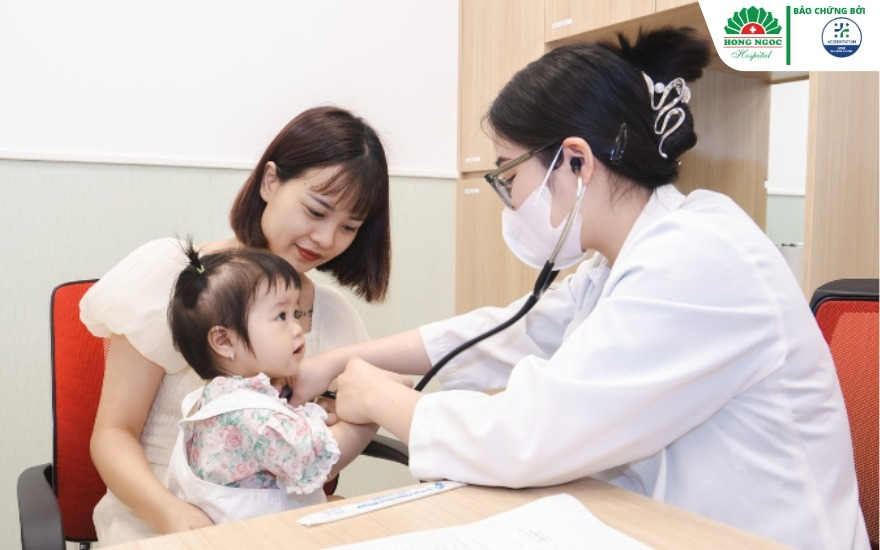
At Hong Ngoc General Hospital, children can be examined by pediatric specialists to determine the cause of fever, assess dehydration and respiratory status, and identify signs of infection so that appropriate management can be provided.
Frequently asked questions
At what temperature does fever become dangerous in children?
Parents should not assess fever based on temperature alone, but should also evaluate the child’s overall condition. Children with fever accompanied by lethargy, difficulty breathing, seizures, dehydration, persistent vomiting, or an unusual rash should be taken for medical evaluation early. Infants under 3 months of age with a temperature of 38°C or higher should be evaluated by a physician immediately.
Should parents be concerned if a child has a fever but still plays?
If the child remains alert, can engage in light play, is able to drink or breastfeed, has no breathing difficulty, shows no signs of dehydration, and responds to fever-reducing medication, parents may monitor the child closely. However, if the fever lasts more than 2–3 days or any unusual signs appear, the child should be taken for medical evaluation.
Can febrile seizures affect the brain?
Most brief febrile seizures are benign and do not cause long-term brain injury. However, the child should still be evaluated by a physician, especially if this is the first seizure episode, the seizure lasts more than 5 minutes, seizures recur, or the child does not regain consciousness afterward.
Should cold-water sponging be used when a child has a high fever?
Cold-water sponging or ice packs should not be used. Water that is too cold may cause shivering, which makes the body generate more heat and can make the child more uncomfortable. If sponging is needed, lukewarm water should be used, along with fever-reducing medication as directed when appropriate.
Does an infant under 3 months with fever need to go to the hospital?
Yes. Infants under 3 months of age with a temperature of 38°C or higher should be evaluated by a physician promptly, even if no obvious severe symptoms are present, because this age group has a higher risk of serious infection.
When is fever with a rash dangerous in children?
Children with fever accompanied by a purple rash, petechiae, a rash that does not blanch when pressed, neck stiffness, sensitivity to light, cold hands and feet, lethargy, or difficulty breathing should be taken for medical evaluation or emergency care immediately.
Should parents give antibiotics to a child with fever on their own?
No. Most cases of summer fever in children are caused by viral infections, for which antibiotics are ineffective. Parents should not give antibiotics without medical guidance, as this may cause side effects, contribute to antibiotic resistance, and make the illness more difficult to assess.
When does a child with hand, foot and mouth disease need urgent medical evaluation?
Urgent medical evaluation is needed if the child has a high fever that is difficult to reduce, unusual startle responses, limb tremors, unsteady gait, repeated vomiting, lethargy, abnormal breathing, marked refusal to eat or drink, or signs of dehydration.
Conclusion
Fever in children during the summer is not always dangerous, but parents need to closely monitor the child’s overall condition. Warning signs such as persistent high fever, fever of 38°C or higher in infants under 3 months of age, lethargy, difficulty breathing, seizures, dehydration, persistent vomiting, or an unusual rash should not be overlooked.
Proper care includes ensuring adequate fluid intake or breastfeeding, dressing the child in breathable clothing, monitoring body temperature, using fever-reducing medication as directed, and avoiding antibiotics without medical guidance. If the child develops warning signs or the fever persists, parents should take the child for medical evaluation early so that the cause can be identified and appropriate management can be provided.
Medical note
This article is for informational purposes only and is not a substitute for medical diagnosis or treatment. If a child has difficulty breathing, seizures, lethargy, difficulty waking, persistent high fever, persistent vomiting, an unusual rash, or signs of dehydration, the child should be taken to a medical facility for early evaluation.
Do not use antibiotics without medical guidance, do not combine fever-reducing medications on your own, do not give aspirin to children, and do not delay medical evaluation if warning signs appear.