

Weak eyesight refers to reduced visual function and accommodative ability. It can cause eye strain, dryness, irritation and blurred vision, directly affecting work performance and safety in daily activities. Understanding what poor eyesight is, its causes and its warning signs can help people take a proactive, evidence-based approach to eye care, support visual recovery and prevent serious eye complications.
Key points from the article:
- What it is: Poor eyesight is a clinical symptom that may reflect damage to the eyeball’s natural protective barrier or overuse of the muscles involved in focusing.
- Signs: These fall into three main groups: reduced vision, such as blurred vision or difficulty shifting focus; eye discomfort, such as dryness, irritation, a gritty sensation or watery eyes; and increased sensitivity to environmental stimuli, such as glare or light sensitivity.
- Underlying causes: These may include lifestyle habits, such as digital eye strain and lack of sleep; nutritional deficiencies; hormonal changes; refractive errors; or underlying eye conditions such as cataracts and glaucoma.
- Severity levels: Poor eyesight is classified as mild, moderate or severe to guide appropriate care, ranging from self-care at home to emergency ophthalmic treatment.
- How to support visual recovery: A combined approach may include setting up an ergonomic workspace, following the 20-20-20 rule, maintaining a balanced diet and seeking assessment at a reputable healthcare facility.
1. What is weak eyesight? Understanding the condition
“Weak eyesight” is a common term used to describe reduced vision and difficulty focusing, which can make it hard to maintain clear vision for extended periods. People may find that their eyes tire easily or experience blurred vision, dryness, irritation or a gritty sensation. Some may also have excessive tearing, light sensitivity or irritation when exposed to smoke, dust or wind.
Medically, poor eyesight is not a condition in itself. It may be a sign of various eye problems, ranging from refractive errors and dry eye to other eye conditions that need to be identified and treated promptly.
2. Is weak eyesight really dangerous?
The potential risk depends on the underlying cause. Poor eyesight can generally be classified into two main groups:
1. Temporary visual changes (a physiological response)
- Features: People may experience eye strain, mild dryness, blurred vision, glare, halos around lights or persistent reflex tearing. After using a phone, it may take the eyes a few seconds to focus clearly on distant objects. These symptoms often occur after prolonged screen use, working in dim light or getting insufficient sleep.2
- Impact: This is a physiological response to excessive focusing effort. The eyes may recover on their own, without permanent damage.2
2. Vision loss caused by an underlying condition (requires medical assessment)
If eye strain and blurred vision persist and do not improve with rest, they may indicate an eye condition that needs to be diagnosed and treated.
- Progression to a chronic condition: Persistent dry eye can destabilise the tear film and lead to chronic dry eye disease. If left unmanaged, it may increase the risk of inflammation of the corneal surface, sometimes alongside conditions such as conjunctivitis, allergic eye disease or blepharitis. Prolonged inflammation may lead to corneal epithelial erosion or ulceration, causing severe pain and light sensitivity and potentially leaving scars that impair vision.2
- A sign of eye disease: Persistent reduced vision may be a symptom of serious conditions that can progress without obvious signs, including cataracts, macular degeneration, diabetic retinopathy or retinal vascular occlusion.2
- Effects on daily life and safety: Fluctuating vision, glare and light sensitivity can affect work performance. Further vision loss may increase the risk of accidents when driving or moving around in dim light. Some conditions can also cause irreversible vision damage if treatment is delayed.3
If symptoms persist, recur frequently or worsen over time, they may indicate an eye condition that needs prompt diagnosis and treatment rather than ordinary eye strain.
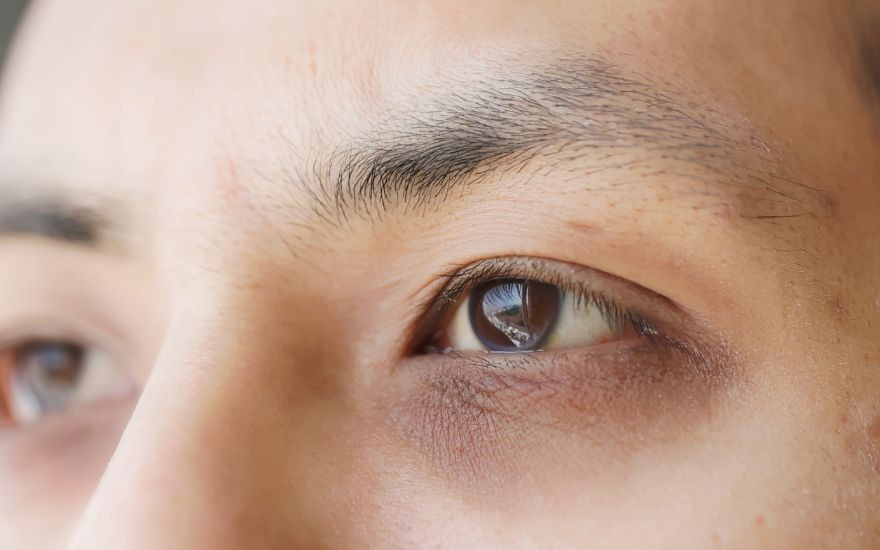
3. Warning signs that your eyesight may be getting worse
Poor eyesight often develops gradually and can easily go unnoticed in its early stages. You can look out for the following three groups of symptoms:
3.1. Unusual decline in vision
Changes in visual acuity may affect how clearly you see and how well your eyes focus. These may include:
- Blurred vision: Your vision loses sharpness, and you may find yourself squinting or blinking repeatedly to see objects clearly.4
- Difficulty focusing when switching between near and distant objects: Your eyes may respond slowly when shifting focus from near to far, or vice versa, sometimes accompanied by mild dizziness.5
- Poor vision in dim light: Your ability to see may be noticeably reduced at night or in dark environments, increasing the risk of tripping or making it harder to get around.3

3.2. Persistent eye discomfort without a foreign body
When the surface of the eye (cornea) becomes dry or irritated, the eyes may become more sensitive to environmental factors, and the muscles around them may show signs of strain:
- Eye strain, dryness and a gritty or burning sensation: You may feel heaviness in your eyelids, dryness or irritation, or as though something is in your eye. These symptoms may flare up or become more noticeable after reading or looking at an electronic screen for a prolonged period in dim light.6
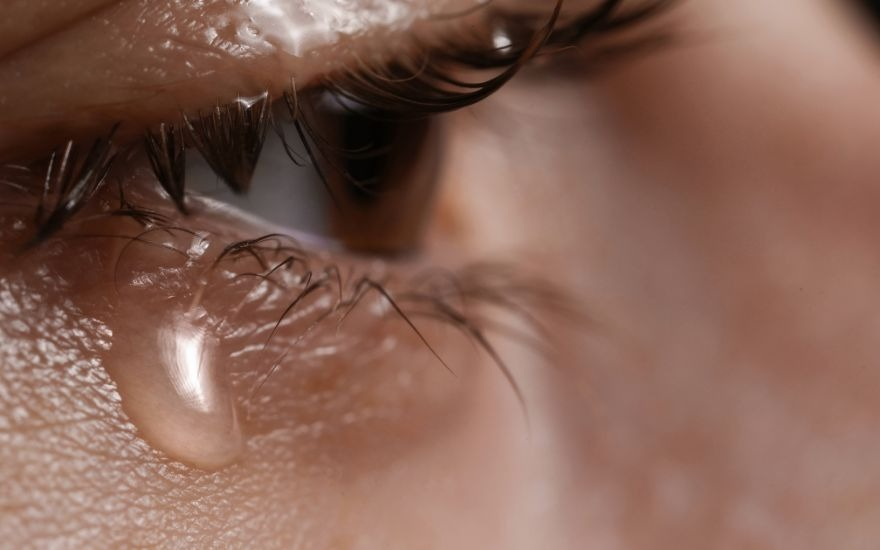
- Excessive tearing: Your eyes may water even when there is no emotional trigger. This is a natural reflex response to provide extra moisture when the surface of the eye remains dry and irritated.1
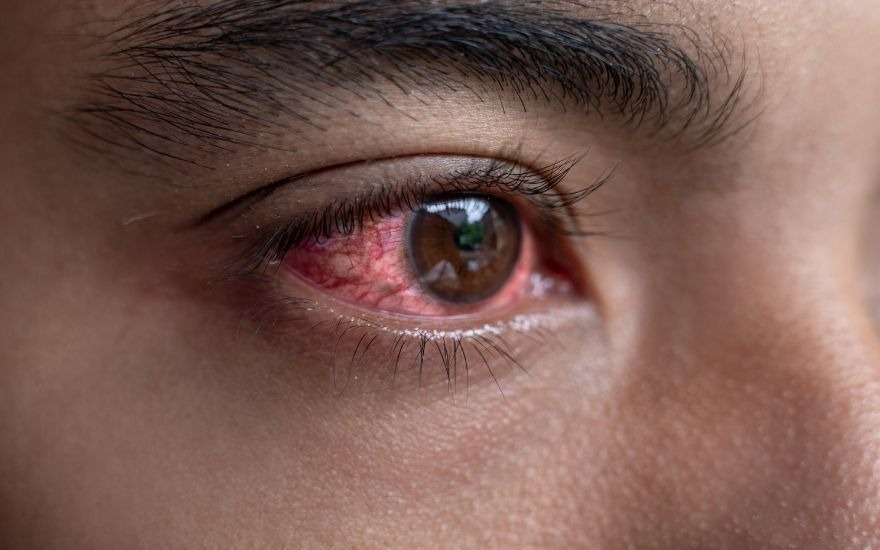
- Persistent eye redness: Visible blood vessels may appear in the white of the eye even without an injury. This is often caused by dryness of the eye’s surface or mild inflammation.7
3.3. Increased sensitivity to the surrounding environment
A weakened natural protective barrier can make the eyes more prone to irritation from common environmental factors:
- Light sensitivity (photophobia): Bright light, such as sunlight, vehicle headlights or a brightly lit screen, may cause glare, discomfort or even mild eye pain.6
- Irritation from physical irritants: The eyes may quickly become stinging, red or gritty when exposed to wind, smoke or dust, or in air-conditioned environments with low humidity.1
4. Causes of declining vision
Identifying the cause of declining vision is the first step in finding an effective way to manage or treat it. Poor eyesight commonly results from the following factors:
4.1. Lifestyle habits and environmental factors
Environmental conditions and daily habits directly affect how hard the eyes have to work. Common examples include:
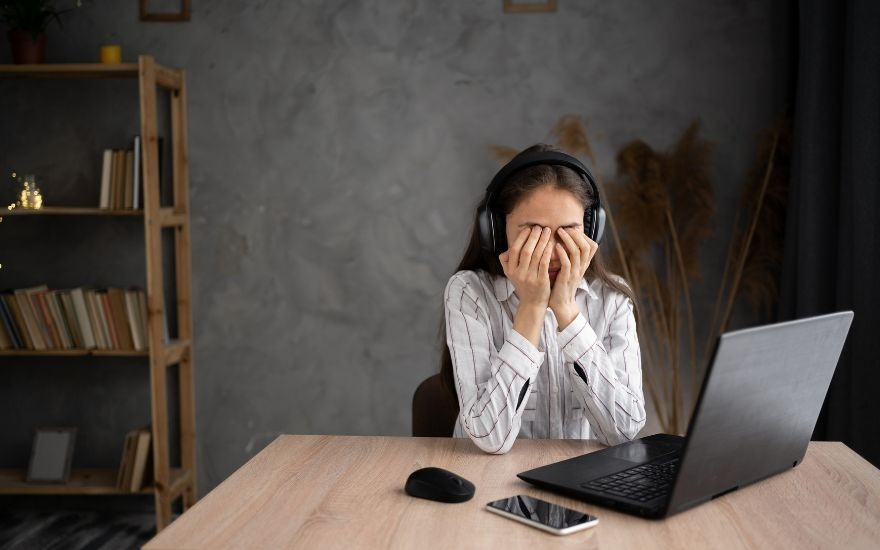
- Computer vision syndrome (CVS): Work or study may require many people to use computers and phones continuously for hours. Focusing on a screen at close range strains the eyes, while a significant reduction in blinking can quickly lead to dryness, eye strain and fatigue.8
- Unsuitable study or work environments: Reading, studying or working in lighting that is too dim or too bright can make the eyes work harder to focus, increasing eye strain and difficulty concentrating.9
- Staying up late and insufficient sleep: Not getting enough sleep disrupts the eyes’ normal recovery. As a result, the eyes may become dry and bloodshot, and vision may be noticeably worse the following day.10
4.2. Nutritional deficiencies and hormonal imbalances
In addition to environmental factors, changes within the body, such as nutrient deficiencies or hormonal imbalances, can also affect eye function, particularly tear production and the ability to maintain clear vision.
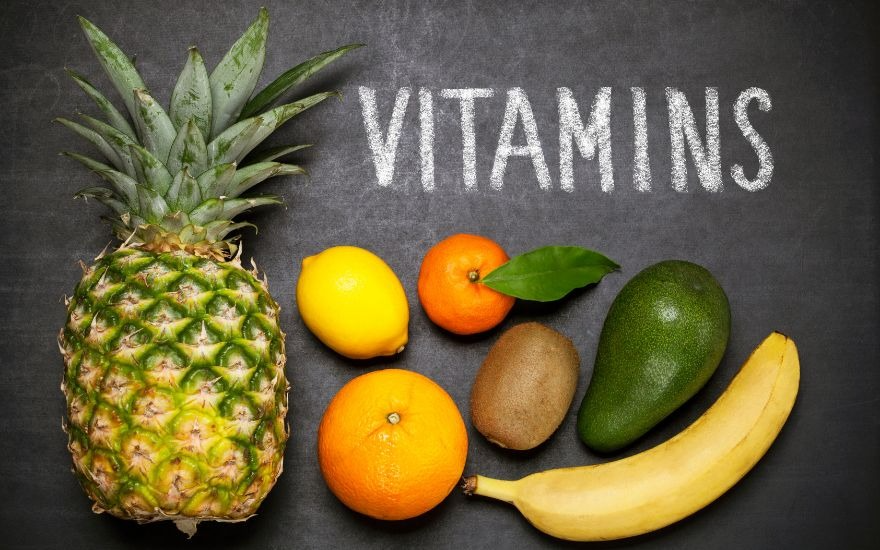
- Micronutrient deficiencies: Certain nutrients play an essential role in nourishing and protecting the eyes. Vitamin A supports corneal health; lutein and zeaxanthin help protect the macula; and omega-3 fatty acids support the tear film and overall eye health. Prolonged deficiencies in these nutrients can directly impair eye function and resilience.11
- Hormonal imbalances: Hormonal fluctuations during periods such as pregnancy or perimenopause can affect lacrimal gland function. This may destabilise the tear film, causing frequent dry, gritty or burning eyes.12
4.3. Eye conditions and physiological factors
Declining vision may also result from structural damage to the eye or the body’s natural ageing process. These causes include:
- Uncorrected refractive errors: Nearsightedness, farsightedness and astigmatism can prevent images from focusing properly on the retina. Not wearing glasses or using an incorrect prescription may lead to frequent blurred vision, eye strain and difficulty focusing.4
- Ocular surface conditions: Conditions such as conjunctivitis, blepharitis, dry eye or corneal damage can cause discomfort, redness and blurred vision, and may affect vision if not treated appropriately.6
- The natural ageing process: As people get older, the structure and function of the eyes gradually change. This may lead to presbyopia, cataracts or reduced vision in dim light.13
- Underlying eye conditions: Declining vision may sometimes be associated with more serious conditions, such as glaucoma, age-related macular degeneration or diabetic retinopathy. These conditions should be detected early and monitored by an eye specialist.14, 15

5. Severity levels and appropriate steps when your eyesight seems to be worsening
“Poor eyesight” can range from temporary eye strain to warning signs of serious eye conditions. To determine the safest course of action, compare your symptoms with the categories in the table below.
Severity |
6. A guide to caring for and restoring tired eyes
Protecting your eyes requires more than a single measure. Instead, combine lifestyle changes, appropriate nutrition and proper eye protection.
6.1. Establish healthy habits and a suitable work environment
Optimising your work environment and maintaining healthy routines are essential to reducing strain on the eyes.17
- Follow the 20-20-20 rule: After every 20 minutes of screen use, look at something about 20 feet (approximately 6 metres) away for at least 20 seconds to give your eyes a chance to rest.
- Ensure adequate lighting: Avoid using electronic devices in the dark as much as possible. Arrange lighting appropriately and keep light from shining directly onto the screen to reduce glare.
- Get enough restful sleep: Aim for 7–8 hours of sleep each night. This gives your eyes time to recover and allows the tear film to be replenished after a day of use.

6.2. A diet to protect vision
Getting essential micronutrients through your daily diet helps nourish visual cells and maintain the health of the eye’s structures:
- Include vitamins A, C and E: Eating more antioxidant-rich foods, such as carrots, pumpkin, strawberries, oranges and grapefruit, may help support retinal health.18, 12
- Increase your intake of lutein and zeaxanthin: Regularly include dark green leafy vegetables, such as spinach and broccoli. These nutrients act as a natural biological filter and help maintain macular function against the effects of blue light.11
- Support the tear film with omega-3 fatty acids: Fatty fish, such as salmon and mackerel, and nuts such as walnuts and almonds provide fatty acids that help strengthen the protective layer that keeps the eyes moist and may help relieve dry, tired eyes.19

6.3. Protecting your eyes from environmental irritants
Take steps to create physical barriers that limit your eyes’ exposure to environmental irritants:
- Reduce screen-related eye strain: Adjust your screen time and brightness to suit the surrounding light. You may also use blue-light-filtering lenses or enable Eye Comfort or Night Light mode as additional measures to help reduce eye strain.8
- Protect your eyes outdoors: Wear sunglasses that meet UV protection standards and a wide-brimmed hat. These measures can help reduce the risk of UV-related eye damage and limit irritation from wind, smoke, dust and foreign bodies.20

6.4. Soothing and caring for your eyes at home
In addition to protective measures, you can try a few home-care methods to ease eye strain and irritation:
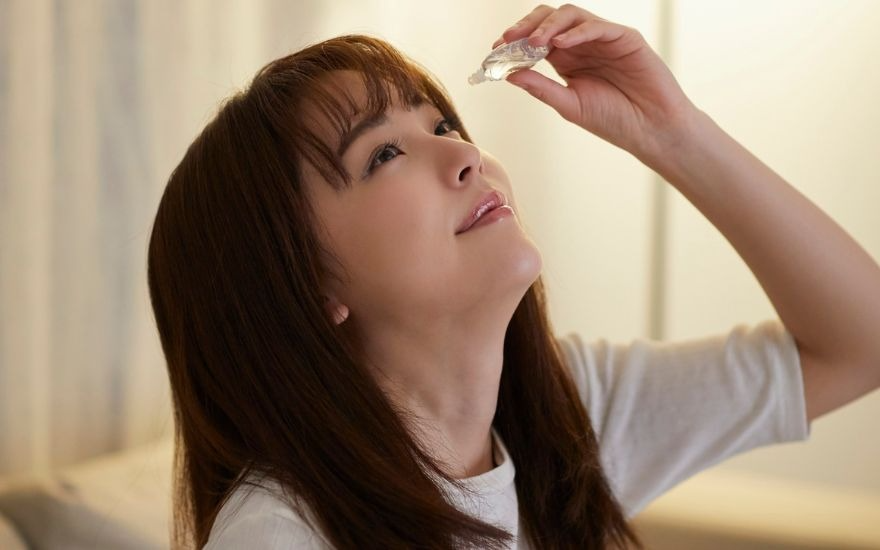
- Use artificial tears as needed: Artificial tears can add moisture to the ocular surface and help relieve dryness, a gritty sensation or general discomfort. Choose a product appropriate for your needs, following your doctor’s advice, especially if you need to use it frequently.19
- Apply a warm compress to the eyes: A warm cloth can help loosen natural oils that have become blocked in the eyelids. This may improve lubrication and reduce dryness and irritation. Use a clean cloth soaked in comfortably warm water, not hot water, to soothe the eyes without burning the delicate skin around them.21
7. Comprehensive eye care and treatment at Hong Ngoc Eye Center
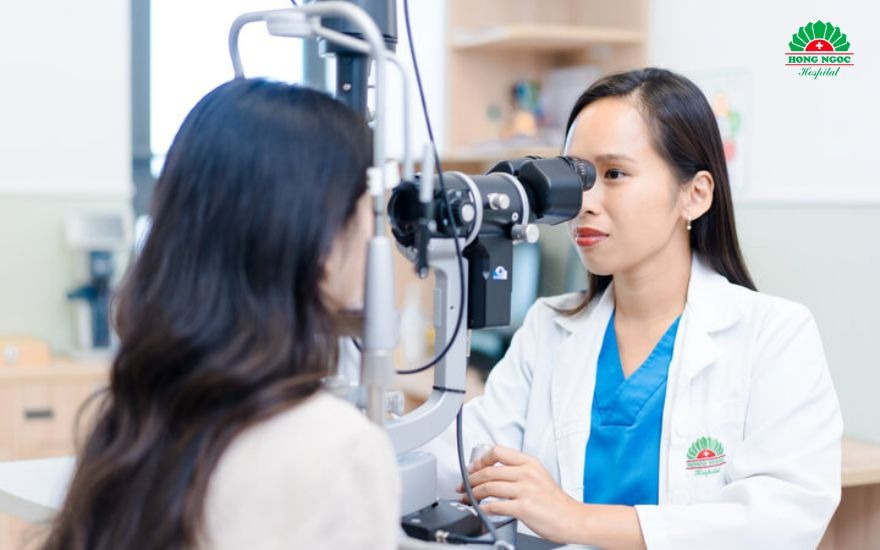
Persistent eye strain and declining vision may be clinical symptoms of complex eye conditions. Seeking medical assessment is therefore essential to protecting eye health. At Hong Ngoc Eye Center, part of Hong Ngoc General Hospital, patients receive in-depth diagnostic care at a hospital accredited by ACHS International, Australia.
Care from an experienced team of eye specialists
- One-to-one specialist consultations: Patients receive care from a team of reputable, experienced doctors and specialists from Vietnam and Japan, including Dr Hoang Anh, Assoc. Prof. Dr Duc Anh, Dr Vu Thi Tue Khanh, Dr Tamoki and Specialist Level II Doctor Le Anh Tam.
- Thorough clinical assessment: The doctor will take a detailed medical history, ask about lifestyle habits and screen time, and assess the degree of vision loss. Based on these findings, the doctor will recommend appropriate diagnostic imaging to support accurate assessment and avoid unnecessary tests.
Accurate screening with advanced diagnostic imaging systems
Advanced diagnostic imaging helps Hong Ngoc Eye Center identify the causes of declining eye function:
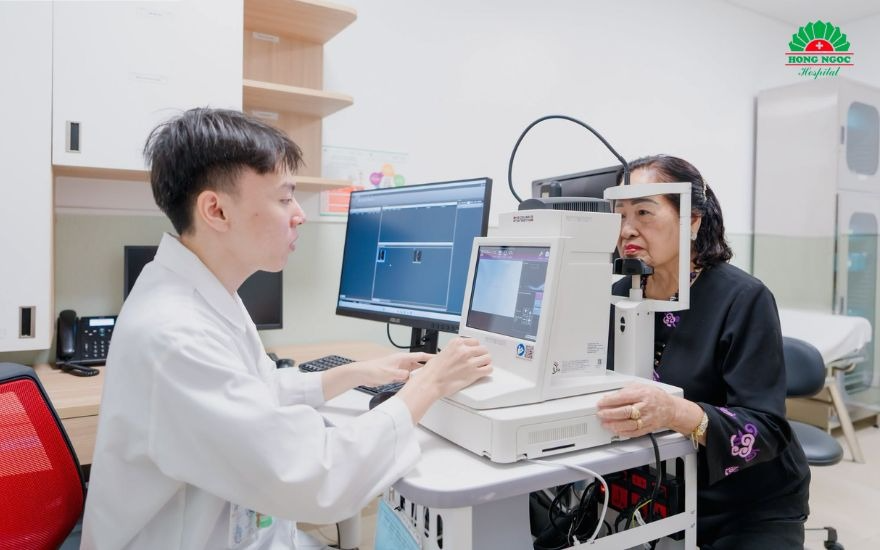
- Schwind Sirius+ system (corneal topography and tear-film analysis): Supports the assessment of dry eye syndrome, gritty or burning sensations and eye strain. The system measures tear evaporation and provides detailed data to help the doctor assess damage to the ocular surface.
- Nidek Mirante system (wide-field fundus imaging and anterior-segment OCT): Enables detailed examination of retinal structures. This imaging may help doctors detect serious retinal conditions at an early stage and intervene promptly to protect patients’ vision.
- Anterion system (3D anterior-segment OCT): Provides high-resolution 3D cross-sectional images to support analysis of the cornea and lens, helping detect early signs of ageing or cataracts in older adults.
- Nidek CEM-530 system (corneal endothelial cell analysis and intraocular pressure measurement): Enables rapid assessment of corneal health and measurement of pressure inside the eye, supporting screening for glaucoma.
Personalised treatment plans and multidisciplinary consultations
- A tailored recovery plan: Based on examination findings, including dry eye status, refractive error and fundus health, the doctor will develop an individualised treatment plan. This may include prescription medication, artificial tears, protective lenses or specialised ophthalmic procedures or surgery to address the underlying damage.
- Multidisciplinary consultations: When vision loss is associated with complications of systemic conditions such as diabetes or hypertension, the ophthalmologist will consult with other specialists at Hong Ngoc General Hospital. This coordinated approach supports treatment of the underlying cause and helps reduce the risk of recurrence.
8. Frequently asked questions (FAQs)
8.1. What should I do if my eyes feel weak?
If your eyes are frequently tired or dry, your vision is blurred or you have difficulty focusing, adjust your daily habits and take proper care of your eyes. Take regular breaks when using electronic devices, get enough sleep, eat a diet rich in vitamin A, lutein, zeaxanthin and omega-3, and have regular eye examinations to detect vision problems early. If symptoms persist or worsen, see an eye specialist for an assessment and advice on appropriate treatment.22
8.2. What nutrients should I take to support eye health?
If you experience eye strain, dry eyes or declining vision, prioritise foods rich in vitamin A, lutein, zeaxanthin, omega-3, vitamin C and vitamin E. These nutrients help maintain retinal health and support visual function.22
8.3. What is permanent vision loss?
Permanent vision loss is the partial or complete loss of the ability to see that cannot be restored, even with medical treatment.
It usually occurs when the eye or optic nerve is severely damaged by conditions such as glaucoma, retinal detachment, retinal vascular occlusion or macular degeneration. Early detection and treatment are therefore important for preserving vision.23
8.4. How can I tell if my eyes are weak?
Common signs include blurred vision, difficulty focusing when shifting between viewing distances, pain or strain around the eyes, dryness, a gritty sensation, excessive tearing or pronounced glare and light sensitivity. These symptoms often become more noticeable after prolonged work, reading or screen use.
8.5. When should I have my eyes examined?
See an eye specialist if eye strain, dryness or blurred vision persists and does not improve with rest. Seek emergency care if you experience any “red flag” symptoms, such as sudden vision loss, severe deep eye pain, double vision, a sudden increase in floaters or flashes of light.
“Poor eyesight” is a clinical sign that the eyes may be under excessive strain or affected by structural damage. Ignoring early symptoms such as eye strain, dryness or blurred vision may allow eye conditions to progress and seriously affect vision. Adjusting your work habits, maintaining a balanced diet and having regular eye examinations are therefore important ways to help preserve visual function over the long term.
If you have persistent eye strain, dryness, irritation or blurred vision, or suspect that your vision is declining, do not attempt to treat yourself. Contact Hong Ngoc Eye Center at Hong Ngoc General Hospital to be assessed by its experienced eye specialists. With advanced diagnostic equipment, the center provides screening and personalised treatment plans to help protect your vision.
If you have any eye-related concerns, contact Hong Ngoc General Hospital on 0916 987 366 for prompt assistance.
Please note: The information in this article is for reference only and is not a substitute for professional medical diagnosis or advice. Eye conditions and anatomy vary from person to person. Patients should be examined and individually assessed by an ophthalmologist before deciding on a treatment plan.
References:
- Dry eyes. (n.d.). Mayo Clinic. Retrieved July 18, 2026, from https://www.mayoclinic.org/diseases-conditions/dry-eyes/symptoms-causes/syc-20371863%E2%80%A8
- (N.d.-c). Hopkinsmedicine.org. Retrieved July 18, 2026, from https://www.hopkinsmedicine.org/health/conditions-and-diseases/dry-eye
- Vision - night blindness. (n.d.). Medlineplus.gov. Retrieved July 18, 2026, from https://medlineplus.gov/ency/article/003039.htm
- Refractive errors. (n.d.). Nih.gov; National Eye Institute. Retrieved July 18, 2026, from https://www.nei.nih.gov/eye-health-information/eye-conditions-and-diseases/refractive-errors
- A. ASHVIN.mp4. (2019, April 22). Retrieved July 18, 2026, from https://www.aao.org/eye-health/glasses-contacts/presbyopia
- Dry eyes. (2022, December 1). Cleveland Clinic. https://my.clevelandclinic.org/health/diseases/24479-dry-eye
- Eyes - bulging. (n.d.). Medlineplus.gov. Retrieved July 18, 2026, from https://medlineplus.gov/ency/article/003033.htm
- Computers, digital devices, and eye strain. (2024, June 27). American Academy of Ophthalmology. https://www.aao.org/eye-health/tips-prevention/computer-usage
- Eye care. (2017). Eyes and Vision. https://medlineplus.gov/eyecare.html
- Newsom, R. (2023, January 6). Effects of sleep deprivation. Sleep Foundation. https://www.sleepfoundation.org/sleep-deprivation/effects-of-sleep-deprivation
- AREDS/AREDS2 frequently asked questions. (n.d.). Nih.gov; National Eye Institute. Retrieved July 18, 2026, from https://www.nei.nih.gov/eye-health-information/clinical-trials/age-related-eye-disease-studies-aredsareds2/aredsareds2-frequently-asked-questions
- Dietary supplements for eye conditions. (n.d.). NCCIH. Retrieved July 18, 2026, from https://www.nccih.nih.gov/health/providers/digest/dietary-supplements-for-eye-conditions
- Cataract. (1998). Eyes and Vision. https://medlineplus.gov/cataract.html
- Glaucoma. (1999). Eyes and Vision. https://medlineplus.gov/glaucoma.html
- Macular degeneration. (1999). Eyes and Vision. https://medlineplus.gov/maculardegeneration.html
- Website, N. H. S. (2026, April 24). Glaucoma. Nhs.uk. https://www.nhs.uk/conditions/glaucoma/
- Eye strain. (2023, August 23). Cleveland Clinic. https://my.clevelandclinic.org/health/diseases/21059-eye-strain
- (N.d.-d). Nih.gov. Retrieved July 18, 2026, from https://ods.od.nih.gov/factsheets/VitaminA-HealthProfessional/
- Dry eye. (n.d.). Nih.gov; National Eye Institute. Retrieved July 18, 2026, from https://www.nei.nih.gov/eye-health-information/eye-conditions-and-diseases/dry-eye
- Ultraviolet (UV) protection. (n.d.). Aoa.org. Retrieved July 18, 2026, from https://www.aoa.org/healthy-eyes/caring-for-your-eyes/uv-protection
- Brenda, P.-D. (2024, October 1). What Is Blepharitis? American Academy of Ophthalmology. https://www.aao.org/eye-health/diseases/what-is-blepharitis
- Healthy vision. (n.d.). Nih.gov; National Eye Institute. Retrieved July 18, 2026, from https://www.nei.nih.gov/eye-health-information/healthy-vision
- Low vision. (n.d.). Nih.gov; National Eye Institute. Retrieved July 18, 2026, from https://www.nei.nih.gov/eye-health-information/eye-conditions-and-diseases/low-vision