


Medical review: Nguyen Viet Hung, MD, MSc - Department of Ophthalmology, Hong Ngoc Phuc Truong Minh General Hospital
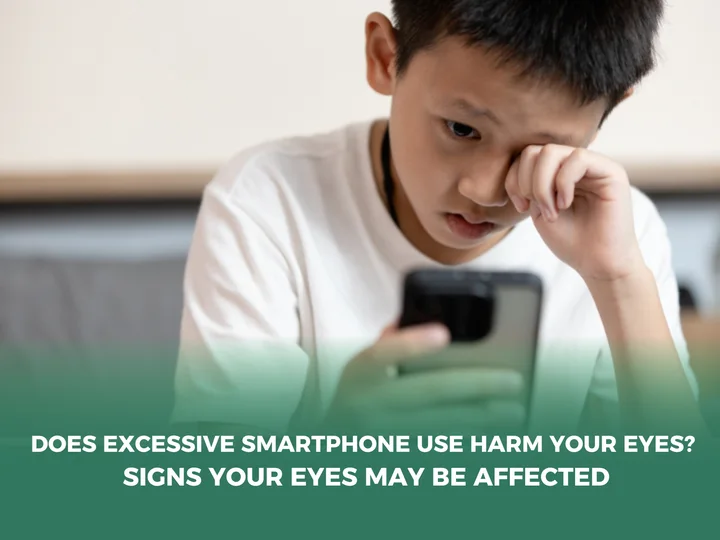
Do you frequently experience dry, irritated eyes, blurred vision after prolonged computer use, or gradually worsening myopia? These may be signs of digital eye strain, a common condition among office workers, students, and other frequent screen users. This article provides scientifically based eye care tips, from immediate measures to reduce discomfort during screen use to nutrition and daily habits that help protect long-term visual health.
Why do your eyes often feel tired and dry?
Together, these factors contribute to computer vision syndrome, also known as digital eye strain, a common condition among office workers and students who are frequently exposed to digital devices [1][2]. |
1. The 20-20-20 rule
The 20-20-20 rule is recommended by the American Academy of Ophthalmology (AAO) and the American Optometric Association (AOA): after every 20 minutes of screen work, look at an object 20 feet away (approximately 6 meters) for 20 seconds [5].
This simple practice allows the ciliary muscles responsible for near focusing to relax and helps interrupt prolonged accommodative strain. Studies have shown that following the 20-20-20 rule can help reduce eye strain, blurred vision, and dry eye symptoms. Reminder applications on a computer or smartphone can be used to help establish this habit.
2. “Exercise” for the eyes: Blinking exercises for dry eye
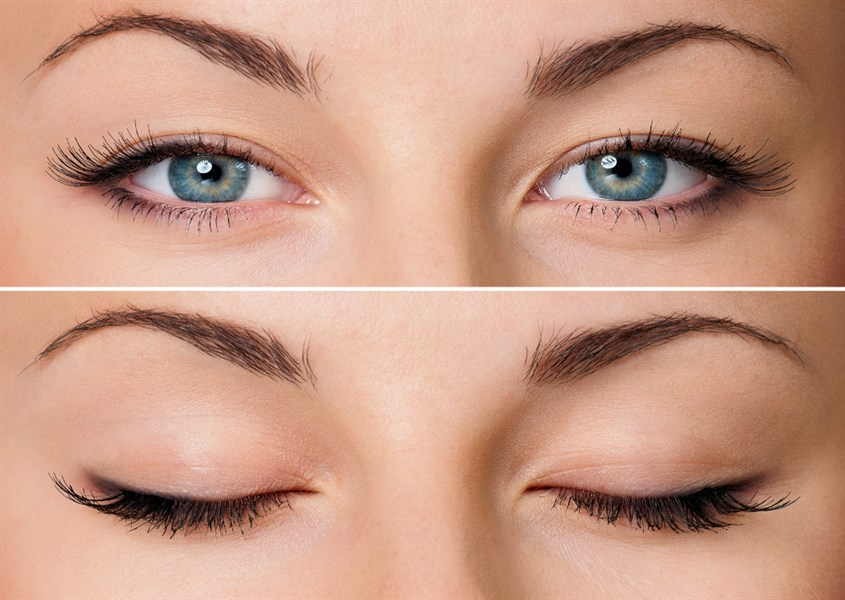
Recent clinical research has identified an optimized blinking exercise that may help improve dry eye associated with digital device use [8]. The most effective exercise involves performing 15 cycles of “close – squeeze – open wide” three times a day:
- Gently close the eyes and hold for 1 second.
- Squeeze the eyelids firmly and hold for 1 second.
- Open the eyes wide and hold for 1 second.
This technique trains the orbicularis oculi muscles to complete a full blink, which is often reduced or incomplete during prolonged screen use. Incomplete blinking can prevent the tear film from spreading evenly across the ocular surface. With only a few minutes of practice each day, dry eye symptoms may improve noticeably
3. Create an eye-friendly workspace
Screen position can significantly affect the degree of eye strain. According to the American Academy of Ophthalmology (AAO), the following adjustments may help reduce eye strain during screen use:
- Distance: The screen should be positioned approximately an arm’s length from the eyes, around 50–70 cm.
- Height: Adjust the screen so that your gaze is directed slightly downward, with your eyes level with approximately the upper third of the screen. Positioning the screen above eye level increases ocular surface exposure to air and may accelerate tear evaporation.
- Brightness: Set the screen brightness at a comfortable level that allows you to read without squinting.
4. Avoid direct airflow from air conditioners and fans
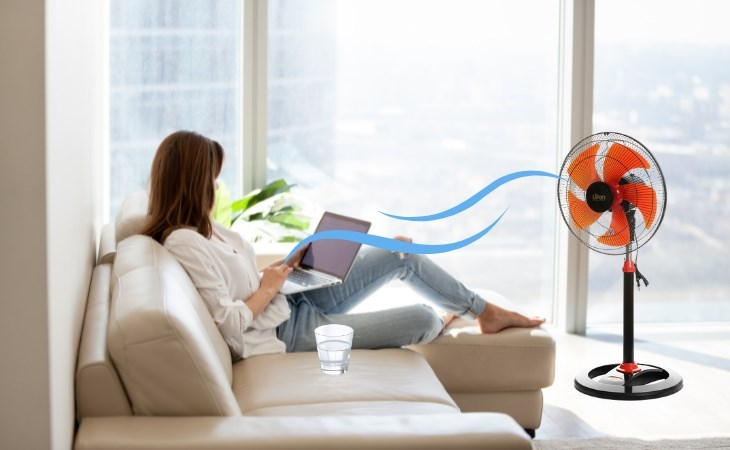
Airflow from an air conditioner or fan blowing directly toward the face is an often-overlooked cause of dry eye because it accelerates tear evaporation. Adjust the airflow direction or your seating position to avoid direct exposure. If possible, using a humidifier may also help protect the ocular surface.
5. A scientifically balanced diet: What should you eat for better eye health?
The eyes work continuously and are exposed to screen light, ultraviolet (UV) radiation, and metabolic processes within the body. These factors can generate free radicals and contribute to oxidative stress, gradually impairing ocular cell function over time. Therefore, nutrition plays an important role in protecting eye health from within over the long term.
Lutein and zeaxanthin are two pigments concentrated in the macula of the retina, where they help filter blue light and neutralize free radicals. The AREDS2 study recommends supplementation with 10 mg of lutein and 2 mg of zeaxanthin per day for individuals at risk of age-related macular degeneration.
The following foods are rich in lutein and zeaxanthin and can be incorporated into the daily diet:
- Dark leafy green vegetables: Kale, spinach, and watercress are among the richest dietary sources of lutein and zeaxanthin. One cup of cooked kale provides approximately 10 mg of lutein. However, the average diet typically provides less than 2 mg per day, so increasing the intake of these vegetables may be beneficial.
- Fatty fish: Salmon, sardines, and mackerel are rich in omega-3 fatty acids, which may help reduce inflammation and support meibomian gland function. These oil-producing glands along the eyelid margins secrete lipids that help slow tear evaporation.
- Eggs: Egg yolks provide highly bioavailable lutein and zeaxanthin and are also rich in zinc, a mineral that supports retinal function and the utilization of these nutrients.
- Citrus fruits, bell peppers, and broccoli: These foods are rich in vitamin C, a potent antioxidant that helps protect the lens from oxidative damage associated with cataract formation.

6. Get enough sleep
During sleep, the eyes have an opportunity to recover after a full day of continuous focusing and visual activity. Sleep deprivation can not only contribute to dry eye and eye strain but may also increase the long-term risk of certain ocular conditions. The U.S. Centers for Disease Control and Prevention (CDC) recommends that adults get 7–9 hours of sleep each night.
A simple tip: Turn off electronic devices at least 30–60 minutes before bedtime, as blue light from screens can suppress melatonin, the hormone that signals the body that it is time to rest [18].
7. Wash your hands before touching your eyes
Touching or rubbing the eyes with unwashed hands, or inserting and removing contact lenses without proper hand hygiene, can quickly introduce bacteria and viruses to the ocular surface. The U.S. Centers for Disease Control and Prevention (CDC) emphasizes that proper handwashing with soap for at least 20 seconds is a fundamental habit for protecting eye health.

8. Wear sunglasses outdoors in sunny weather
Ultraviolet (UV) radiation from sunlight not only damages the skin but can also adversely affect structures inside the eye. Long-term UV exposure increases the risk of early cataract formation, age-related macular degeneration, and even photokeratitis.
Choose sunglasses that block 99%–100% of both UVA and UVB radiation by looking for labels such as “UV400” or “100% UV protection.”
9. Protect your eyes from injury during work and sports
Many people assume that eye injuries mainly occur in heavy industrial settings. However, everyday activities such as mowing the lawn, home repairs, or playing sports such as basketball and badminton are also common causes of ocular injury.
Therefore, wearing appropriate protective eyewear during activities that involve a risk of impact or flying debris is an important measure for preventing eye injuries.
10. Common mistakes in eye care
Many people unintentionally harm their eyes through habits that may seem harmless. Below are three common mistakes to avoid:
Mistake 1: Using eye drops without medical guidance
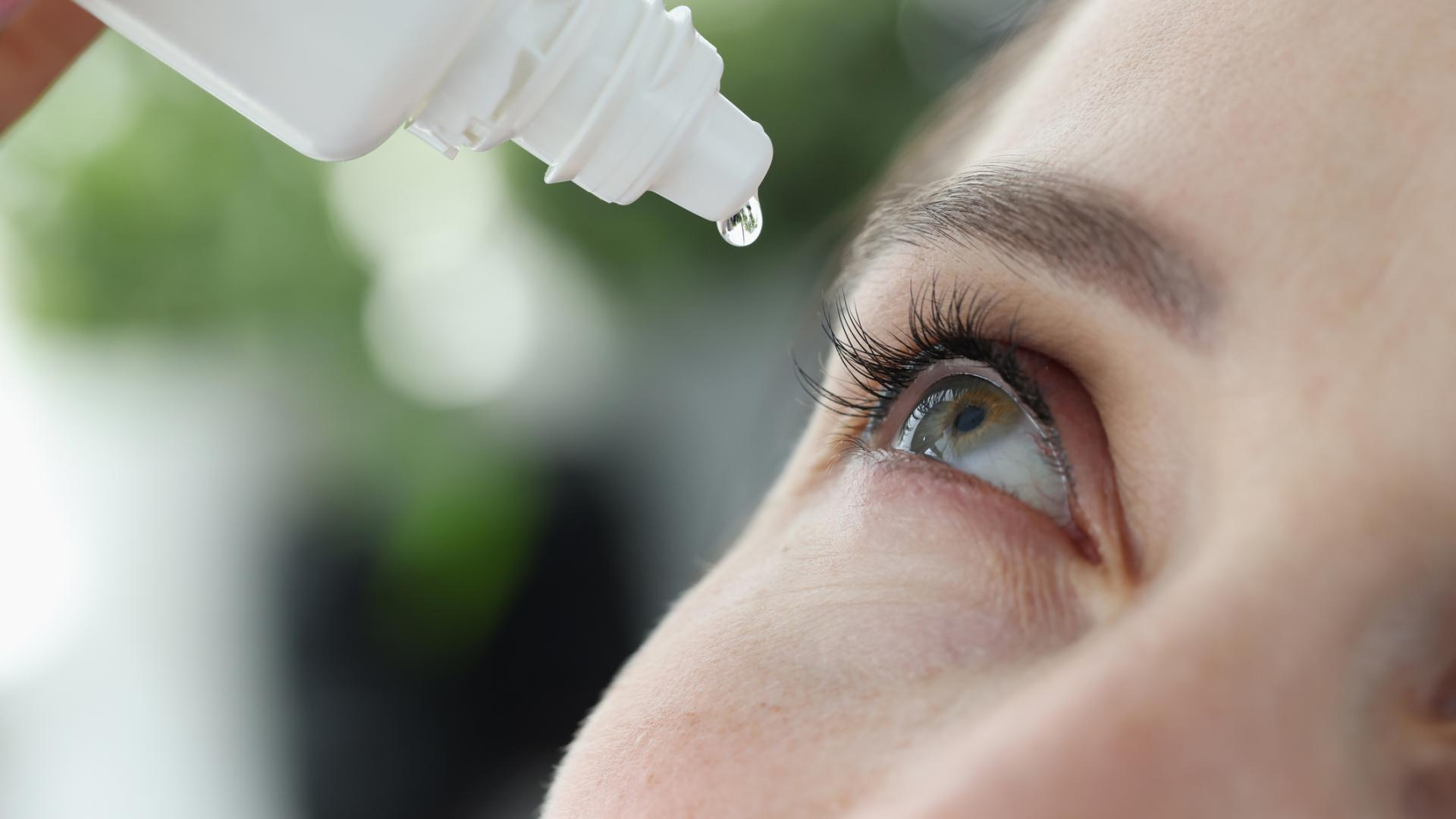
Many people habitually purchase eye drops containing dexamethasone or prednisolone to quickly relieve eye redness. Prolonged use of corticosteroid eye drops without an ophthalmologist’s prescription is a major cause of secondary ocular hypertension, steroid-induced glaucoma, and posterior subcapsular cataracts, which may lead to irreversible vision loss.
Mistake 2: Relying on unverified home remedies shared on social media
Practices such as applying lemon juice to the eyes, placing betel leaves over the eyes, or using herbal remedies of unknown origin that claim to “completely cure myopia or cataracts” are not supported by scientific evidence and may cause chemical burns, severe infection, or corneal necrosis.
Mistake 3: Seeking an eye examination only when vision becomes blurred or painful
Several sight-threatening eye diseases, such as open-angle glaucoma, can progress silently without pain and gradually cause peripheral visual field loss that advances toward central vision. By the time patients notice blurred vision themselves, significant and irreversible optic nerve damage may already have occurred.
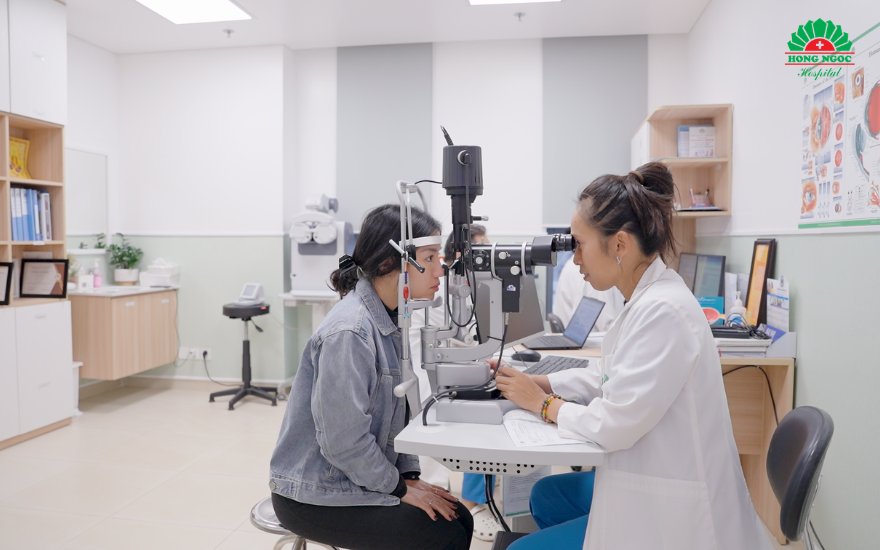
11. When should you have a comprehensive eye examination? Why choose the Eye Center at Hong Ngoc General Hospital?
At-home measures such as the 20-20-20 rule, blinking exercises, and appropriate nutrition may help relieve mild eye strain and dry eye symptoms. However, if symptoms do not improve after a few weeks, or if persistent blurred vision, orbital pain, or significant dryness and irritation occur, a comprehensive eye examination is recommended.
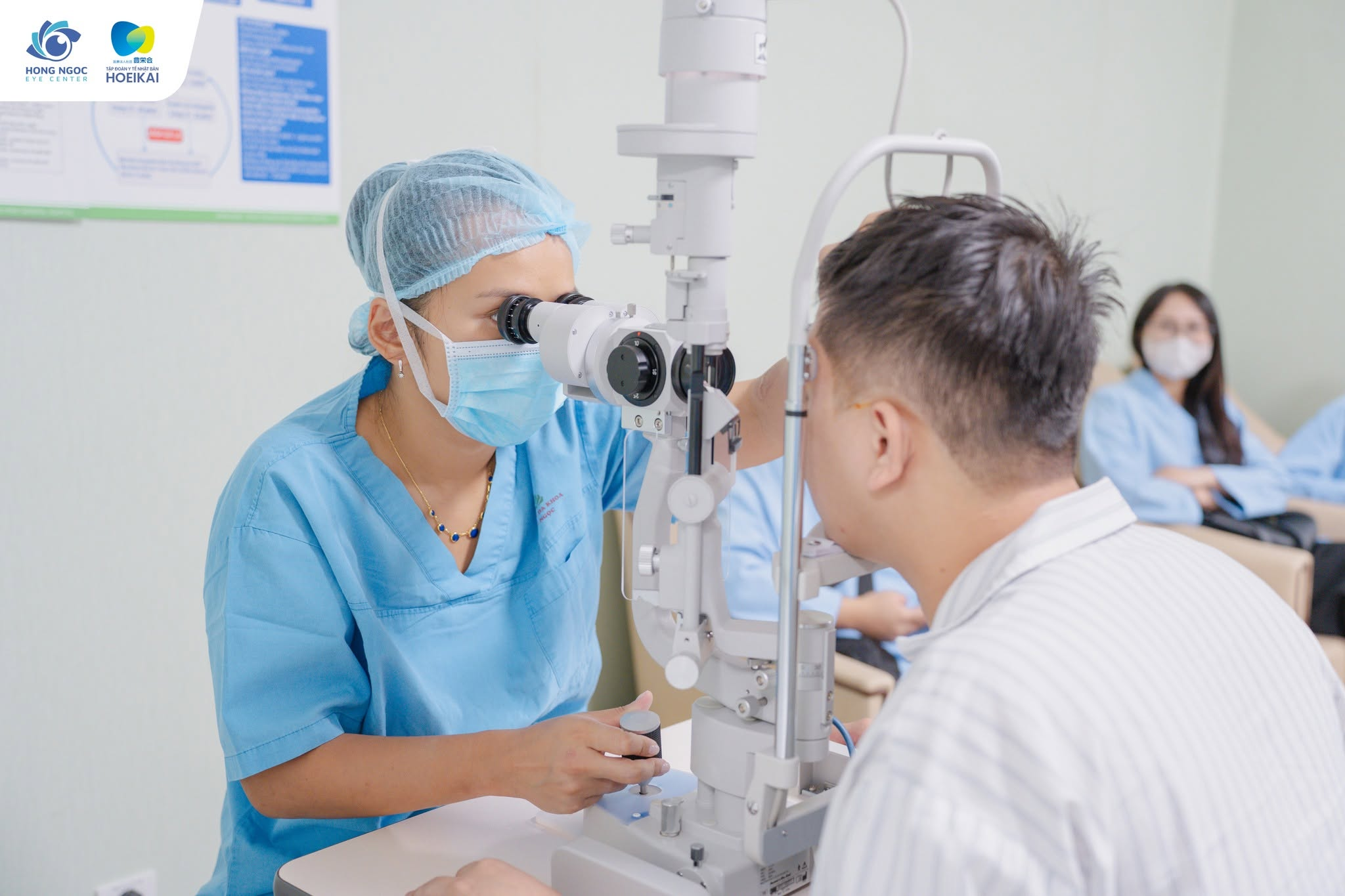
At the Eye Center of Hong Ngoc General Hospital, patients with signs of visual impairment receive comprehensive evaluation using modern diagnostic systems, covering common conditions such as myopia, astigmatism, and dry eye, as well as more complex disorders including keratoconus, cataracts, and diabetic retinal complications.
Advantages for office workers and young adults with refractive errors
- Advanced diagnostics: Equipment imported from Germany and Switzerland enables precise measurement of myopia and astigmatism and comprehensive assessment of dry eye, particularly useful for frequent computer users and helping detect subtle visual abnormalities.
- Clear and detailed medical consultation: Physicians thoroughly explain the patient’s eye condition and recommend appropriate options, including eyeglasses, contact lenses, SmartSight, SmartFemto, and Phakic ICL, helping patients understand their choices and make informed decisions.
- Long-term follow-up: Complimentary follow-up for up to 5 years after surgery provides greater long-term reassurance.
- Comfortable experience: Private consultations and a less crowded clinical environment are particularly convenient for patients with busy schedules.
For patients with chronic dry eye or accommodative disorders
Rather than prescribing artificial tears alone, physicians perform specialized assessments of tear film quality and meibomian gland function. The meibomian glands are specialized oil-producing glands located along the eyelid margins. Treatment can then be directed at the underlying cause, including warm compresses, eyelid massage, or specialist interventions when indicated.
For complex eye conditions
The center is capable of managing complex conditions such as keratoconus and performing laser-assisted corneal transplantation. Multidisciplinary coordination with specialties such as endocrinology and cardiology is also available to enhance safety for patients with underlying medical conditions.
Contact information:
- Hotline: 0919 489 258
- Address: 8 Chau Van Liem Street, Tu Liem Ward, Hanoi
- Website: https://hongngochospital.vn/vi/khoa-mat
- Facebook: https://www.facebook.com/BenhvienHongNgoc
Proper eye care not only helps relieve symptoms such as eye strain, dryness, and irritation, but also supports long-term visual health, helps slow the progression of myopia, and reduces the risk of serious eye conditions. Start with simple daily measures such as following the 20-20-20 rule, practicing blinking exercises, optimizing your workspace, adding lutein- and omega-3-rich foods to your diet, getting enough sleep, and wearing sunglasses outdoors.
Most importantly, do not delay an eye examination until noticeable symptoms appear. Regular eye check-ups are a proactive way to protect your vision. If you have persistent symptoms or would like advice on an appropriate treatment option, contact the Eye Center at Hong Ngoc General Hospital for support from an experienced ophthalmology team.
Hong Ngoc Eye Center - A trusted provider of comprehensive ophthalmic examination and treatment Hotline: 0919 489 258 Address: 8 Chau Van Liem Street, Tu Liem Ward, Hanoi Website: https://hongngochospital.vn/vi/khoa-mat Facebook: Email: info@hongngochospital.vn |
If you are experiencing any eye problems, please contact Hong Ngoc General Hospital via the hotline 0916 987 366 for timely support.
Medical disclaimer: The information provided in this article is for reference purposes only and is not intended to replace professional medical diagnosis or advice. Each patient’s ophthalmic condition and ocular anatomy are different. Therefore, patients should undergo a comprehensive examination and individualized assessment by an ophthalmologist before making any decisions regarding treatment.
References
- Matzke, H. (2015, March 1). Computer vision syndrome. University of Illinois Chicago. https://stacks.cdc.gov/view/cdc/203065
- Depa, T. H. (2017, July 31). Computer vision syndrome. Safety+Health Magazine. https://www.safetyandhealthmagazine.com/15991-computer-vision-syndrome/
- Electronic screen alert: Avoid this vision risk. (2017, August 1). Harvard Health. Electronic screen alert: Avoid this vision risk_
- Computer Vision Syndrome (Digital Eye Strain). (n.d.). Opto.ca. Computer Vision Syndrome (Digital Eye Strain)
- Tis the season to be stuck inside. (n.d.). American Optometric Association (AOA). ‘Tis the Season to be Stuck Inside