


Medical review: Specialist Level I physician Dinh Ha Huy - Department of Ophthalmology, Hong Ngoc Phuc Truong Minh General Hospital
Explore effective ways to slow myopia progression in children, including measures to address pseudomyopia through the 20-20-20 rule, increased outdoor activity, and nutrients that support eye health such as vitamin A, lutein, and omega-3 fatty acids. These approaches can be combined with medical myopia-control options such as orthokeratology (Ortho-K), low-dose atropine, or multi-segment spectacle lenses to help safely slow the progression of myopia. Learn more with Hong Ngoc General Hospital below.
1. Ways to slow myopia progression and relieve eye strain in children at home
To help children’s eyes relax and reduce the risk of myopia progression associated with excessive visual strain, parents should establish healthy daily habits at home.
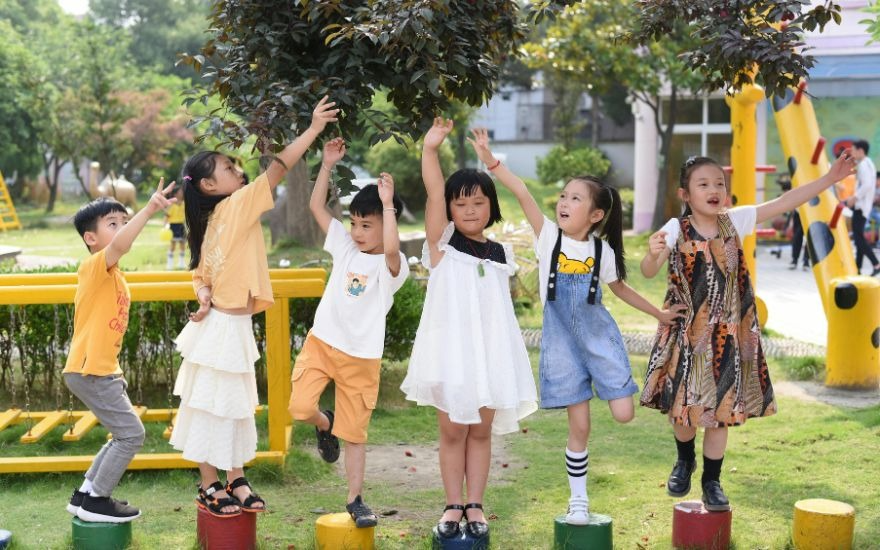
1.1. Encourage children to spend more time outdoors
Outdoor light may stimulate dopamine release in the retina, a mechanism thought to be associated with slower myopia progression. In addition, outdoor environments encourage children to look at distant objects more frequently than when studying or using digital devices indoors.
1.2. Teach children to follow the 20-20-20 rule
Prolonged reading or screen use requires the eye’s accommodative system to work continuously to maintain clear near vision. The 20-20-20 rule provides regular visual breaks. These intervals allow the eye muscles to relax, helping reduce eye strain and discomfort caused by prolonged near work.
How to help slow myopia progression in children: Parents should remind children that after every 20 minutes of studying or using a digital device, they should look at an object 20 feet (approximately 6 meters) away for at least 20 seconds.

1.3. Optimize lighting and adjust study posture
To protect children’s vision while studying, parents should pay attention to the following factors:
- Study lighting: Combine natural light with a properly positioned desk lamp to avoid glare, insufficient lighting, or shadows falling across books and study materials.
- Sitting posture: Use ergonomically appropriate desks and chairs, maintain a safe viewing distance, and avoid leaning too close to books or reading while lying down to protect both the eyes and spine.
- Electronic device use: Enable blue-light filtering modes such as Night Light or Eye Comfort and use an anti-glare desk surface to help reduce eye dryness, irritation, and eye strain.

2. How to help slow myopia progression in children through nutrition that supports healthy eye development
A balanced, scientifically based diet plays a fundamental role in nourishing and protecting the visual system from within.
2.1. Increase foods rich in vitamins A, C, and E
Adequate intake of essential vitamins helps support and protect children’s eye health:
- Vitamin A: Supports retinal function in low-light conditions and helps maintain corneal health. Good sources include carrots, sweet potatoes, pumpkin, and papaya.
- Vitamins C and E: These antioxidants help protect ocular cells from oxidative damage and support the structural integrity of eye tissues. Rich dietary sources include citrus fruits, strawberries, avocados, almonds, and sunflower seeds.

2.2. Help slow myopia progression in children by supplementing lutein, zeaxanthin, and omega-3
In addition to vitamins, parents should increase nutrients that help protect the retina and ocular surface:
- Lutein and zeaxanthin: Help filter harmful light and provide antioxidant protection at the macula; rich sources include spinach, kale, broccoli, and egg yolks.
- Omega-3 fatty acids (DHA and EPA): Support ocular structure and help stabilize the tear film, thereby reducing dryness and eye fatigue. They are abundant in fatty fish such as salmon, mackerel, sardines, and herring.

3. Effective medical methods for controlling myopia progression
Once a child develops true myopia associated with structural changes in the eye, advanced ophthalmic interventions may be necessary to slow further progression and help control increasing refractive error.
3.1. Overnight orthokeratology lenses (Ortho-K)
Specialized medical interventions can help control myopia progression in children:
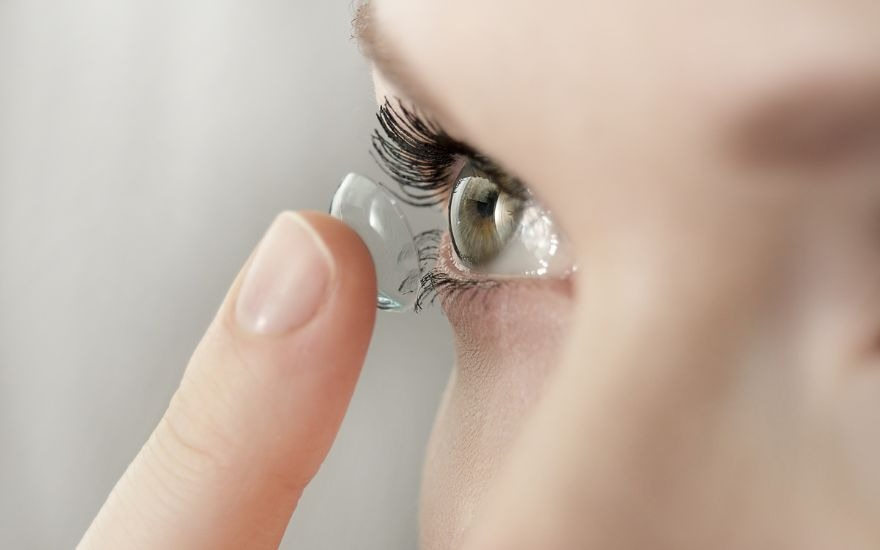
- Overnight orthokeratology lenses (Ortho-K): Rigid contact lenses worn during sleep that temporarily reshape the corneal surface, allowing clear daytime vision without conventional eyeglasses.
- Myopia-control effect: Helps slow myopia progression by reducing the rate of axial elongation of the eye.
- Important note: Ortho-K should be prescribed and closely monitored by an ophthalmologist, with strict hygiene instructions to reduce the risk of ocular infection.
3.2. Use low-dose atropine eye drops
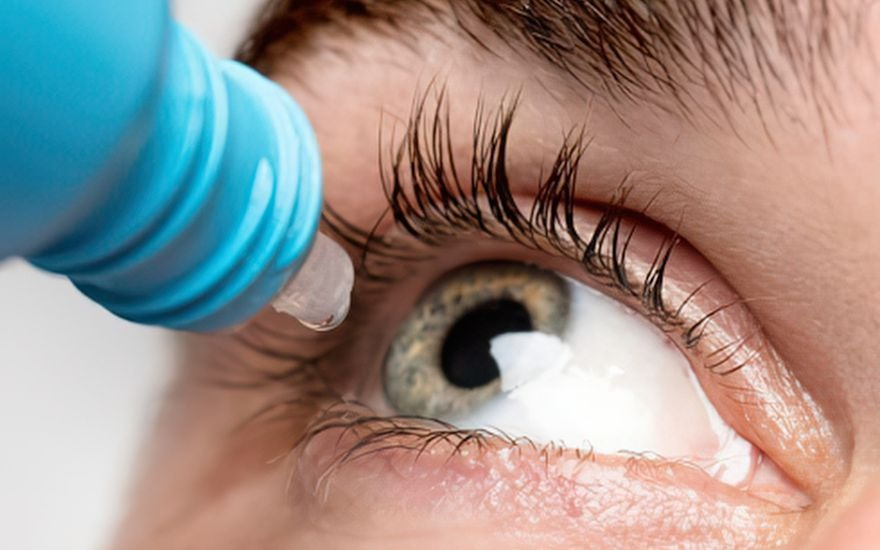
Low-dose atropine eye drops are an effective medical option for controlling myopia progression in children:
- Effect: Atropine concentrations ranging from 0.01% to 0.05% can help slow the increase in refractive error and significantly reduce the rate of axial elongation.
- Medical note: Atropine is a prescription medication and must be used under the indication and close supervision of an ophthalmologist. Children should attend regular follow-up visits to assess treatment effectiveness and promptly manage potential side effects such as photophobia or difficulty focusing at near distances.
3.3. Use myopia-control spectacle lenses with multiple lenslets
Multiple-lenslet spectacle lenses are an advanced option for effectively slowing myopia progression:
- Mechanism of action: The lenses use multiple lenslets to create peripheral myopic defocus while maintaining clear central vision, helping reduce the visual signals that stimulate axial elongation.
- Effect: They can slow both myopia progression and axial elongation more effectively than conventional single-vision lenses, as demonstrated with technologies such as DIMS.
- Important note: Effectiveness varies between children. Parents should have their child examined by an ophthalmologist to determine the most appropriate lens design.

4. Frequently asked questions (FAQs) about myopia in children
4.1. Should children wear glasses with a lower prescription than their actual refractive error to prevent their eyes from becoming “dependent” on glasses?
No. Current medical evidence does not show that deliberately undercorrecting myopia helps slow its progression. On the contrary, undercorrection leaves children with persistently blurred vision, which may directly interfere with learning, daily activities, and overall visual quality.
Parents should therefore take their children for regular eye examinations and ensure that they wear the correct prescription as recommended by an ophthalmologist or qualified eye care professional.
4.2. Can wearing eyeglasses frequently make a child’s eyes look more prominent?
No. Wearing eyeglasses does not cause the eyes to protrude. In children with high myopia or continuously progressing myopia, the axial length of the eye may become longer than normal. This structural change, rather than the mechanical effect of eyeglasses, may make the eyes appear more prominent.
Wearing the correct prescription simply helps restore clear vision and does not increase myopia or deform the structure of the eye. Parents should maintain regular eye examinations to closely monitor refractive changes and update the child’s prescription when necessary.
4.3. Can children undergo refractive surgery such as LASIK?
Generally, no. Laser refractive procedures such as LASIK are typically performed in adults after the eyes have fully developed and the refractive error has remained stable. In children and adolescents, the eyes are still growing, meaning that myopia may continue to change over time.
Therefore, school-age children are generally not suitable candidates for refractive surgery. Instead, ophthalmologists usually prioritize safer myopia-control options such as specialized spectacle lenses, overnight orthokeratology (Ortho-K) lenses, or low-dose atropine eye drops. Once the patient reaches adulthood and the refractive error has stabilized, a comprehensive clinical evaluation can be performed to determine eligibility for refractive surgery.
When looking for ways to slow myopia progression in children, parents should understand that management involves both relieving temporary eye strain and controlling long-term progression. Close parental involvement in establishing healthy visual habits, maintaining adequate nutrition, and following appropriate medical interventions can help optimize long-term vision protection. Regular eye examinations at reputable medical facilities such as Hong Ngoc Eye Center are also important for accurately monitoring refractive status and adjusting the management plan when necessary.
If your child is experiencing any eye problems, please contact Hong Ngoc General Hospital via the hotline 0916 987 366 for timely support.
Medical disclaimer: The information provided in this article is for reference purposes only and is not intended to replace professional medical diagnosis or advice. Each patient’s ophthalmic condition and ocular anatomy are different. Therefore, patients should undergo a comprehensive examination and individualized assessment by an ophthalmologist before making any decisions regarding treatment.